How safe is Masai Mara safari?
August 15, 2026
What are the Big Five animals in Kenya?
August 15, 2026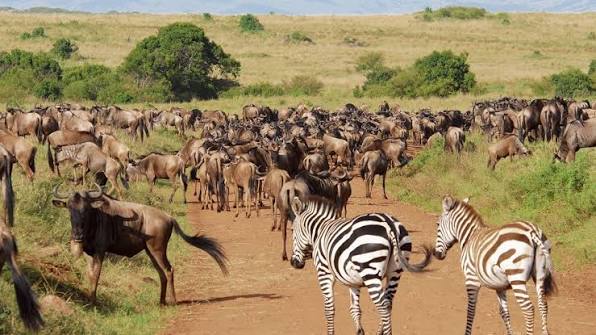
Which Kenya Safari Park Has the Most Wildlife?
Kenya stands among Africa’s finest safari destinations, with a remarkable mix of wildlife habitats, landscapes, and protected areas. From open grasslands and acacia plains to dense forests, wetlands, and semi arid wilderness, the country offers excellent opportunities to see African wildlife in its natural environment. However, one question often comes up when travelers begin planning a Kenya safari: Which Kenya safari park has the most wildlife?
For most travelers seeking the highest concentration and variety of large African animals, Maasai Mara National Reserve stands out as the leading choice. The reserve supports large populations of lions, leopards, cheetahs, elephants, buffaloes, giraffes, zebras, wildebeest, hippos, and many other species. Its open savannah also makes wildlife easier to spot because animals often move across relatively unobstructed grasslands.
However, wildlife numbers alone do not tell the whole story. Kenya has several outstanding safari destinations, and each offers a different wildlife experience. Tsavo East and Tsavo West cover vast areas and support large elephant populations. Amboseli offers spectacular elephant encounters against the backdrop of Mount Kilimanjaro. Lake Nakuru provides excellent opportunities to see rhinos, buffaloes, giraffes, and numerous bird species. Samburu, meanwhile, introduces visitors to rare northern species that rarely appear in southern Kenya.
Therefore, the best park depends on what you mean by “most wildlife.” If you want exceptional overall wildlife density and a strong chance of seeing the Big Five, Maasai Mara deserves the top position. If you want enormous wilderness, elephants, unique landscapes, or specialized species, other parks can offer equally memorable experiences.
Combined Uganda, Kenya, Rwanda and Tanzania Safaris
17 days Kenya Tanzania and Uganda safari
19 Days Uganda Kenya and Tanzania Safari
16 Days Kenya Tanzania and Uganda Safari
14 Days Kenya Uganda and Tanzania Safari
14 Days Kenya Uganda and Rwanda Safari
12 Day Gorilla Trekking and Tanzania Safari
Why Maasai Mara Has So Much Wildlife
Maasai Mara’s wildlife abundance comes from a combination of geography, climate, vegetation, and seasonal animal movement. The reserve forms part of the greater Mara-Serengeti ecosystem, one of Africa’s most important wildlife regions. Its rolling grasslands provide excellent grazing areas for herbivores, while the abundance of prey supports a strong population of predators.
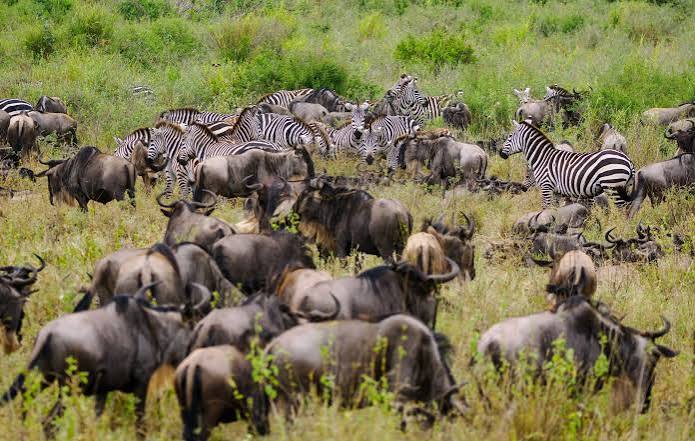
The Mara ecosystem supports enormous numbers of wildebeest and zebras, particularly during the annual migration from Tanzania’s Serengeti. During the migration season, the landscape can become incredibly busy with wildlife. Thousands of animals move across the plains in search of fresh grazing and water. This seasonal movement also attracts predators such as lions, cheetahs, leopards, hyenas, and African wild dogs in areas where they occur.
Even outside the migration period, Maasai Mara remains a productive year-round safari destination. Resident wildlife continues to occupy the grasslands, river areas, and woodland habitats. Lions often patrol open plains, elephants move through different sections of the ecosystem, and giraffes browse among acacia trees.
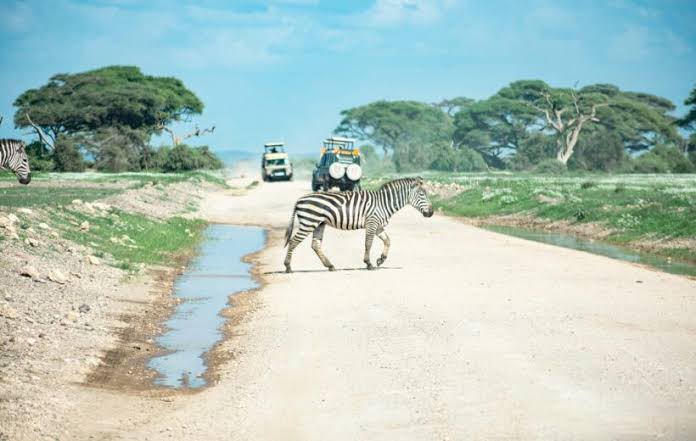
Furthermore, the Mara’s open landscape gives safari vehicles a major advantage. Guides can often identify animals from a considerable distance, allowing visitors to approach carefully without disturbing them. This combination of high wildlife numbers, open terrain, and excellent guiding makes Maasai Mara one of the strongest destinations for travelers who want a classic African safari.
Maasai Mara Offers One of Kenya’s Best Big Five Experiences
The term Big Five refers to the African lion, leopard, elephant, buffalo, and rhinoceros. Although the name originally came from hunting terminology, modern safari travelers use it to describe some of Africa’s most iconic wildlife. Maasai Mara offers one of Kenya’s best opportunities to search for all five within a single safari itinerary.
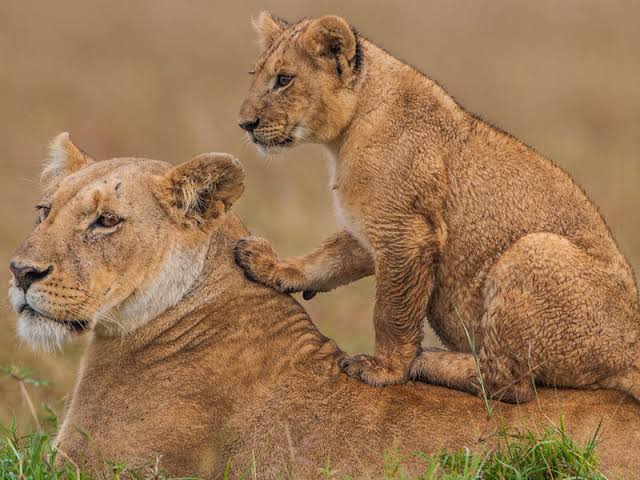
Lions are among the reserve’s most visible predators. They live in prides and often rest during the warmer parts of the day before becoming more active later. Early morning and late afternoon game drives can provide excellent opportunities to watch them hunt, interact, or simply relax on the plains.
Leopards require more patience because they prefer areas with thicker vegetation and often remain hidden. Experienced guides understand their habits and know the habitats where sightings are more likely. Cheetahs, on the other hand, often favor open grasslands where they can use their speed to chase prey.
African elephants and buffaloes also occur across the Mara ecosystem. Rhinos are less common than the other Big Five species, so travelers should approach the search with realistic expectations. Wildlife remains wild, and sightings can never come with an absolute guarantee.
That uncertainty forms part of the beauty of safari travel. Instead of visiting a controlled enclosure, travelers enter a living ecosystem where animals choose where to move, rest, hunt, and interact. Each game drive therefore creates a different experience, even when visitors explore the same reserve.
The Great Wildebeest Migration Makes Maasai Mara Exceptional
The Great Wildebeest Migration significantly increases the wildlife spectacle in the Maasai Mara. Each year, huge herds of wildebeest and zebras move through the wider Mara-Serengeti ecosystem as they follow seasonal rainfall and fresh grazing. The exact timing and location of the herds can change from year to year because nature does not follow a fixed calendar.
When the herds enter the Maasai Mara, the reserve becomes one of the most exciting wildlife destinations in Africa. Thousands of wildebeest may gather across the plains, while zebras travel alongside them. Gazelles and other herbivores also contribute to the impressive concentration of animals.
Predators respond to this abundance of prey. Lions, cheetahs, leopards, hyenas, and other carnivores take advantage of the seasonal opportunity. As a result, travelers may witness intense predator-prey interactions during this period.
The Mara River crossings also attract considerable attention. However, travelers should understand that river crossings remain unpredictable. Animals may gather near the river for hours or days without crossing. Sometimes they cross quickly, while at other times they change direction completely.
Consequently, a successful migration safari requires patience. A responsible guide focuses on the wider ecosystem rather than promising a specific event. The migration remains a natural process, not a scheduled performance.
For travelers whose main goal involves seeing huge concentrations of wildlife, however, migration season can provide an extraordinary experience and strongly supports Maasai Mara’s reputation as Kenya’s premier wildlife destination.
Tsavo National Parks Provide Vast Wildlife Wilderness
Although Maasai Mara often wins the conversation about wildlife concentration, Kenya’s Tsavo East and Tsavo West National Parks deserve serious attention. Together, they form one of the largest protected wilderness areas in Kenya. Their enormous scale creates a very different safari experience from the relatively open grasslands of Maasai Mara.
Tsavo East is especially famous for its large elephant population and vast red earth landscapes. The elephants often develop a distinctive reddish appearance because they cover themselves with the park’s red soil. Travelers can also encounter lions, buffaloes, giraffes, zebras, hippos, crocodiles, and many antelope species.
Tsavo West provides greater landscape diversity. Rocky hills, volcanic features, springs, woodland, and open plains create different habitats for wildlife. Mzima Springs stands among the park’s notable attractions, offering opportunities to observe hippos and aquatic life in a scenic environment.
However, Tsavo’s enormous size means wildlife can sometimes appear more dispersed than in Maasai Mara. A traveler may cover considerable distances before finding a particular species. That does not make Tsavo less valuable. Instead, it creates a more remote wilderness feeling.
For travelers who value space, dramatic scenery, elephants, and fewer vehicles in some areas, Tsavo can provide a deeply rewarding safari. It also works particularly well for longer Kenya itineraries that combine different ecosystems rather than focusing on one reserve.
Amboseli National Park Is Famous for Elephants
Amboseli National Park offers another excellent wildlife experience, particularly for travelers who want close views of African elephants. Located in southern Kenya near the Tanzania border, Amboseli features open plains, seasonal wetlands, acacia woodland, and striking views toward Mount Kilimanjaro.
The park’s elephant encounters form one of its biggest attractions. Large elephant families move through the ecosystem, and the open terrain can provide impressive opportunities to watch them feeding, walking, bathing, or interacting with one another.
Amboseli also supports lions, cheetahs, buffaloes, giraffes, zebras, wildebeest, hyenas, and several antelope species. During periods when water remains available in the park’s wetlands, wildlife can concentrate around these areas, creating productive game viewing conditions.
Moreover, the park offers an exceptional combination of wildlife and scenery. Seeing elephants move across the plains with Mount Kilimanjaro rising in the background creates one of Kenya’s most recognizable safari scenes.
Amboseli therefore may not contain the same overall wildlife concentration associated with the Mara during peak migration, but it offers a specialized experience that many travelers consider unforgettable.
A well designed Kenya safari can combine Amboseli with Maasai Mara. This approach allows visitors to experience two contrasting ecosystems while increasing the range of wildlife encounters. It also prevents travelers from judging Kenya’s safari potential from a single destination.
Lake Nakuru Is Excellent for Rhinos and Birdlife
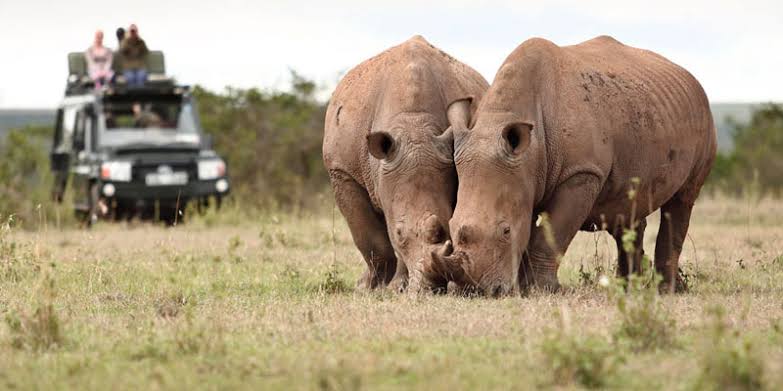
Lake Nakuru National Park provides a different type of wildlife experience because its landscape centers around a major alkaline lake surrounded by woodland, grassland, and rocky terrain. The park has earned a strong reputation for rhino conservation and offers visitors an opportunity to search for both black and white rhinoceros.
Rhinos remain among Africa’s most threatened large mammals, making responsible sightings especially meaningful. Lake Nakuru’s protected environment supports their conservation while also providing habitat for buffaloes, Rothschild’s giraffes, lions, leopards, zebras, and various antelope species.
The park also attracts a remarkable variety of birds. Depending on water conditions and seasonal changes, visitors can encounter flamingos, pelicans, fish eagles, storks, herons, and numerous smaller species. For birdwatchers, therefore, Lake Nakuru adds an important dimension to a Kenya safari.
The surrounding vegetation creates a different game-viewing environment from the wide-open plains of Maasai Mara. Some animals may remain within woodland or areas of thicker vegetation, requiring careful observation.
Nevertheless, Lake Nakuru works extremely well as part of a broader Kenya safari. Travelers can combine it with nearby destinations such as Lake Naivasha and Maasai Mara to create a route that covers several habitats.
If your priority is specifically rhino sightings, Lake Nakuru can be more relevant than simply choosing the destination with the largest total number of animals. Wildlife travel works best when you match the destination to your interests rather than relying on a single ranking.
Samburu National Reserve Offers Unique Northern Wildlife
Samburu National Reserve stands apart from Kenya’s southern safari destinations because of its dry landscape and distinctive wildlife. Located in northern Kenya, the reserve forms part of a broader ecosystem along the Ewaso Ng’iro River. The river provides an essential source of water and supports wildlife within an otherwise dry environment.
Samburu is particularly valuable because it hosts several species that travelers may not easily find in the southern parks. These include the Grevy’s zebra, reticulated giraffe, gerenuk, Somali ostrich, and Beisa oryx, often grouped as some of the region’s distinctive northern species.
The reserve also supports elephants, lions, leopards, cheetahs, buffaloes, hippos, crocodiles, and many other animals. The combination of common African wildlife and specialized northern species gives Samburu a strong identity.
Furthermore, the landscape creates excellent photographic opportunities. Dry hills, rocky outcrops, doum palms, and the river create a visual character that differs sharply from the lush grasslands of the Mara.
Samburu demonstrates why “most wildlife” should not always mean “largest number of animals.” A traveler interested in rare and geographically distinctive species may gain more from Samburu than from a destination with greater overall animal density.
For this reason, experienced safari planners often build itineraries around wildlife interests rather than simply selecting the most famous park.
When Is the Best Time to See the Most Wildlife in Kenya?
The best time to see large concentrations of wildlife depends on the destination, species, and type of experience you want. Kenya supports wildlife throughout the year, so travelers should not assume that only one season provides worthwhile game viewing.
For Maasai Mara, the months associated with the wildebeest migration can create exceptional wildlife concentrations. However, migration timing changes because rainfall influences animal movement. Travelers should therefore avoid treating a specific date as a guaranteed migration date.
The dry seasons can also provide excellent game viewing. As water becomes less available in some areas, animals often concentrate around permanent rivers, waterholes, and remaining sources of water. Vegetation may also become thinner, making animals easier to spot.
Nevertheless, the wetter months offer their own advantages. Fresh vegetation attracts herbivores, landscapes become greener, and many animals give birth during favorable periods. Bird activity can also become particularly rewarding.
Therefore, the “best” time depends on your priorities. If your main objective is to witness enormous herds, plan around the migration while accepting that nature controls the timing. If you want excellent general game viewing, dry-season conditions can work extremely well.
A professional safari itinerary should consider weather, wildlife behavior, road conditions, visitor numbers, photography goals, and budget. This approach creates a more realistic and enjoyable travel experience than simply choosing dates based on a single wildlife calendar.
How to Choose the Best Kenya Safari Park for Your Wildlife Goals
Choosing a Kenya safari park becomes much easier when you identify the animals and experiences you value most. If you want the broadest classic safari experience, Maasai Mara should rank very high on your list. Its predator populations, herbivores, open plains, and seasonal migration create an outstanding wildlife environment.
If elephants matter most, consider Amboseli or Tsavo. Amboseli provides particularly impressive elephant viewing in a compact and scenic setting, while Tsavo offers vast wilderness and large landscapes.
If rhinos are your priority, Lake Nakuru deserves serious consideration. Its conservation importance and diverse wildlife make it a valuable addition to a Kenya itinerary.
If rare northern species interest you, Samburu provides something that the southern parks cannot easily replicate. Its specialized wildlife makes it one of the best choices for travelers who want to explore beyond Kenya’s classic safari circuit.
Budget and travel time also matter. A shorter trip may work better with two carefully selected destinations rather than trying to cover every major park. Longer trips allow travelers to combine different ecosystems and gain a deeper understanding of Kenya’s wildlife diversity.
Above all, choose quality guiding over simply counting parks. A knowledgeable guide can transform a normal game drive into an educational experience by explaining animal behavior, tracks, ecosystems, conservation, and local geography. That expertise adds enormous value to a safari.
Why Kenya Remains One of Africa’s Best Wildlife Destinations
Kenya’s strength lies not in one park alone but in the remarkable diversity of its wildlife ecosystems. Travelers can move from the open grasslands of Maasai Mara to the elephant rich plains of Amboseli, the enormous wilderness of Tsavo, the rhino habitats of Lake Nakuru, and the dry northern landscapes of Samburu.
Each destination contributes something different. Together, they create one of Africa’s most complete safari experiences.
Kenya also benefits from decades of conservation work involving national parks, reserves, conservancies, local communities, researchers, guides, and tourism operators. Responsible tourism can help create economic incentives for wildlife protection while supporting communities living alongside protected areas.
Visitors also play an important role. Choosing responsible accommodation, respecting wildlife distances, following park regulations, avoiding litter, and supporting ethical tourism practices can help protect the ecosystems they come to enjoy.
Furthermore, wildlife viewing should always prioritize animal welfare. Guides should avoid reckless driving, excessive crowding, or behavior that causes unnecessary stress to animals. A high-quality safari does not depend on getting dangerously close to wildlife. Instead, it depends on patience, knowledge, observation, and respect.
That philosophy makes a safari more than a sightseeing trip. It becomes an opportunity to understand how animals, landscapes, people, and conservation efforts connect.
So, Which Kenya Safari Park Has the Most Wildlife?
If the question focuses on overall wildlife concentration, variety, predator sightings, and the chance to experience large herds, Maasai Mara National Reserve is the strongest answer. Its location within the Mara-Serengeti ecosystem, productive grasslands, abundant resident wildlife, and seasonal wildebeest migration give it an exceptional advantage.
However, calling Maasai Mara the “park with the most wildlife” does not mean every animal exists there in greater numbers than anywhere else in Kenya. Tsavo can provide a stronger elephant-focused experience and much larger wilderness areas. Amboseli offers remarkable elephant encounters and dramatic mountain scenery. Lake Nakuru stands out for rhino conservation and birdlife, while Samburu provides access to distinctive northern species.
Therefore, the best Kenya safari destination depends on your personal wildlife goals. For a first-time traveler seeking the classic Big Five and high wildlife density, Maasai Mara makes an excellent centerpiece. For a more comprehensive safari, combining two or three complementary destinations can provide a richer experience.
A carefully planned itinerary, expert guiding, responsible wildlife viewing, and realistic expectations ultimately matter more than simply selecting the destination with the biggest reputation. Kenya offers an extraordinary range of wildlife experiences, and the right safari allows you to experience that diversity at its best.
For travelers looking for dependable planning, expert destination knowledge, and thoughtfully designed African wildlife journeys, Giant Holiday Safaris provides a trusted approach to exploring Kenya. The right safari should not only help you see more animals; it should help you understand the landscapes, communities, conservation efforts, and wild places that make Kenya exceptional.