Can you do boat safaris in Kenya?
August 27, 2026
What are the best safari lodges in Lake Naivasha?
August 27, 2026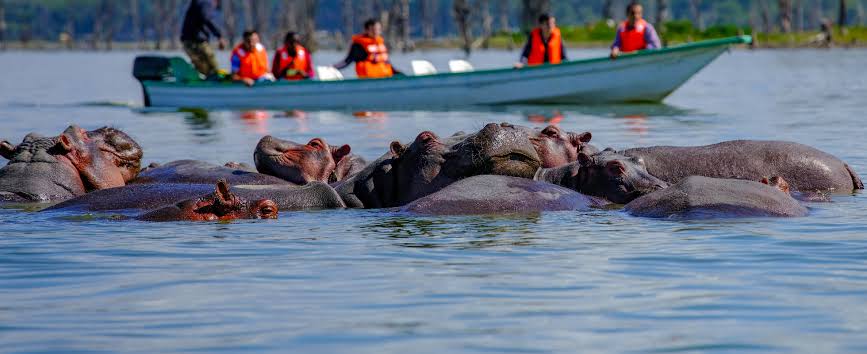
Is Lake Naivasha Worth Visiting on Safari?
Yes, Lake Naivasha is absolutely worth visiting on safari, especially for travelers who want more than traditional game drives. Located in Kenya’s Great Rift Valley, Lake Naivasha offers a refreshing combination of wildlife, scenery, birdlife, boat experiences, and peaceful lakeside landscapes. The destination feels different from Kenya’s famous savannah reserves, yet it adds great variety to a safari itinerary. Instead of spending every day searching for animals across open grasslands, you can slow down beside the water, watch hippos resting near the shoreline, observe birds moving across the lake, and explore the surrounding countryside.
Lake Naivasha also works well as a stop between major safari destinations. Its location makes it practical for travelers moving between Nairobi, the Maasai Mara, Lake Nakuru, and other Rift Valley attractions. Moreover, the lake provides an excellent opportunity to experience Kenya’s natural beauty from a different perspective.
For international travelers, Lake Naivasha offers something equally important: balance. A safari does not always need to feel rushed. You can combine wildlife viewing with relaxation, photography, walking, boating, and cultural experiences. Therefore, if you are planning a Kenya safari and wondering whether Lake Naivasha deserves your time, the answer is a confident yes. The key lies in understanding what makes the destination special and how to include it properly in your itinerary.
Combined Uganda, Kenya, Rwanda and Tanzania Safaris
17 days Kenya Tanzania and Uganda safari
19 Days Uganda Kenya and Tanzania Safari
16 Days Kenya Tanzania and Uganda Safari
14 Days Kenya Uganda and Tanzania Safari
14 Days Kenya Uganda and Rwanda Safari
12 Day Gorilla Trekking and Tanzania Safari
What Makes Lake Naivasha Special for Safari Travelers?
Lake Naivasha stands out because it offers a different style of safari experience from Kenya’s major wildlife reserves. The lake sits within the Great Rift Valley, creating a dramatic setting of water, volcanic landscapes, green vegetation, and distant hills. This combination makes the area particularly attractive to travelers who enjoy nature beyond the traditional big-game safari.
One of the strongest attractions is the lake itself. Freshwater supports a rich ecosystem, and the surrounding environment attracts many species of birds and mammals. Hippos are among the most memorable animals around the lake, particularly when they remain partly submerged in the water during the warmer hours. You may also encounter zebra, giraffes, buffaloes, antelopes, and other wildlife in nearby areas.
Furthermore, Lake Naivasha offers activities that change the pace of a safari. A boat trip allows you to explore the lake from the water rather than from a safari vehicle. This experience can bring you closer to aquatic wildlife and give you excellent opportunities to observe birds and photograph the surrounding scenery.
The destination also appeals to travelers who appreciate peaceful landscapes. The combination of water, wildlife, mountains, and open skies creates a strong sense of space. Consequently, Lake Naivasha can become one of the most relaxing and visually rewarding stops on a Kenya safari.
What Wildlife Can You See Around Lake Naivasha?
Wildlife viewing around Lake Naivasha may not match the large concentrations found in the Maasai Mara during peak seasons, but the area still provides rewarding encounters. The greatest advantage comes from the variety of habitats surrounding the lake. Water, woodland, grassland, and nearby conservation areas support different species, giving visitors more than one type of wildlife experience.
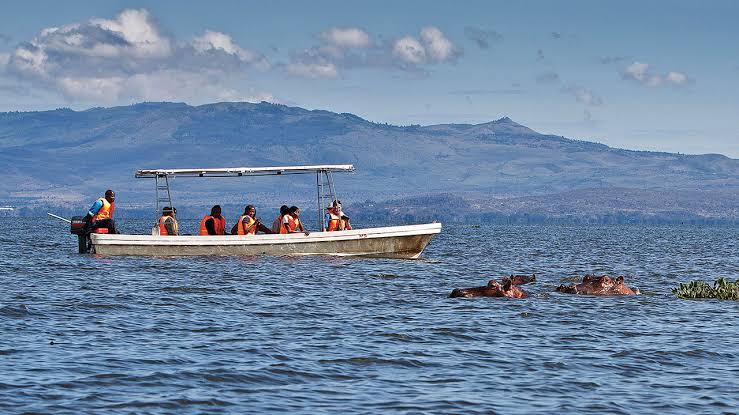
Hippos remain one of the main attractions. They spend much of the day in the water and often gather in groups, creating memorable viewing opportunities. However, travelers should always respect their space because hippos are powerful wild animals and can become dangerous when people approach too closely.
The surrounding landscape also supports giraffes, zebras, buffaloes, gazelles, and other herbivores. With careful observation, visitors can enjoy watching animals moving through the vegetation rather than simply searching for dramatic predator sightings.
Nearby wildlife areas add even more opportunities. Crescent Island, for example, provides an unusual walking safari experience where visitors can observe wildlife on foot under professional guidance. Walking changes the safari experience because you notice smaller details, including tracks, plants, insects, bird calls, and animal behavior.
Predator sightings can occur, but they should not become the main reason for visiting Lake Naivasha. Instead, approach the destination as a diverse nature experience. This mindset makes the visit more rewarding because you appreciate the entire ecosystem rather than measuring the safari only by the number of big cats you see.
Is a Lake Naivasha Boat Safari Worth It?
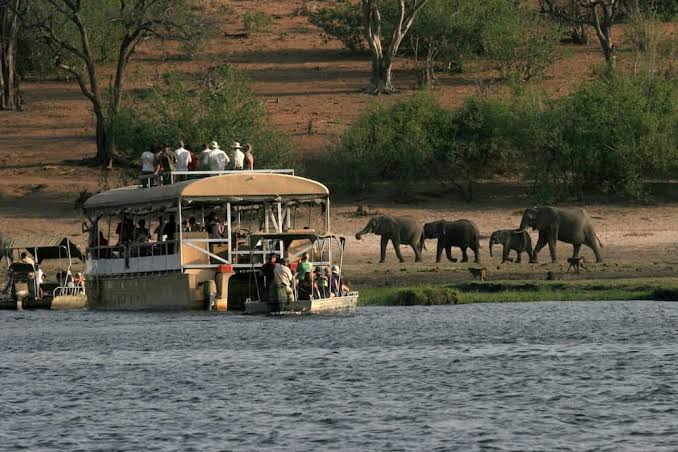
A boat safari on Lake Naivasha is one of the best reasons to include the destination in a Kenya itinerary. It provides a perspective that a normal game drive cannot offer. From the water, you can observe the shoreline, aquatic wildlife, birds, and surrounding landscapes while enjoying the gentle movement of the boat.
The experience often begins with a calm journey across the lake. As you move through the water, you may see hippos resting in shallow areas or surfacing nearby. Birdlife can also become a major part of the experience. Fish eagles, herons, kingfishers, cormorants, and other water-associated species can make the lake particularly interesting for photographers and birdwatchers.
Another advantage is the scenery. The Great Rift Valley landscape provides a beautiful backdrop, especially when the light changes during the morning or late afternoon. Reflections across the water can create excellent photography conditions, although weather and lighting always influence the final result.
However, visitors should choose responsible operators and follow safety instructions. Wildlife remains wild even when viewed from a boat. Maintaining a safe distance from hippos and avoiding unnecessary disturbance protects both visitors and animals.
For travelers who want a slower, more immersive experience, the boat safari adds real value. It is not simply another tourist activity; it provides a different way to understand the lake ecosystem.
Is Lake Naivasha Good for Birdwatching?
Lake Naivasha is an excellent destination for birdwatching, making it particularly valuable for travelers who want to explore Kenya’s wildlife beyond mammals. The lake and its surrounding habitats provide feeding, nesting, and resting areas for numerous bird species. As a result, birdwatchers can spend hours observing different species without needing to travel long distances between sightings.
Water birds naturally dominate many areas around the lake. Depending on the season and conditions, visitors can encounter herons, egrets, cormorants, kingfishers, storks, pelicans, and other species. Fish eagles are especially impressive because their calls and hunting behavior add character to the lakeside environment.
Birdwatching at Lake Naivasha also rewards patience. Instead of driving continuously, travelers can remain in one location and study bird behavior. This approach works particularly well during the early morning when bird activity often increases and temperatures remain comfortable.
Photography enthusiasts can also benefit from the setting. Birds against the water, vegetation, and Rift Valley scenery create opportunities for both close-up wildlife photographs and wider landscape compositions. A camera with a suitable telephoto lens helps, but travelers can still enjoy birdwatching without expensive equipment.
For beginners, the lake provides a friendly introduction to African birding. You do not need advanced knowledge to appreciate the colors, calls, flight patterns, and behavior of the species around you. Therefore, even travelers who normally focus on big game can discover a new side of safari at Lake Naivasha.
Is Crescent Island Worth Visiting During a Lake Naivasha Safari?
Crescent Island can add an exciting dimension to a Lake Naivasha itinerary because it allows travelers to experience wildlife on foot. Walking among wild animals creates a much more intimate connection with nature than viewing everything through a vehicle window. However, the experience must always take place with proper guidance and respect for wildlife.
The island is known for its scenic setting and free-ranging herbivores. Depending on conditions, visitors can encounter giraffes, zebras, gazelles, wildebeest, and other animals. The absence of large numbers of dangerous predators in the main walking areas makes the experience suitable for travelers seeking a more relaxed walking safari, although wildlife behavior can change and professional guidance remains essential.
Walking also changes what you notice. From a vehicle, you might concentrate on finding a giraffe or zebra. On foot, however, you begin to notice tracks, dung, plants, insects, bird calls, and changes in the landscape. These smaller details help explain how the ecosystem functions.
The views also contribute to the experience. Looking across Lake Naivasha from higher ground can reveal the relationship between the lake, surrounding plains, hills, and wildlife. Consequently, Crescent Island works particularly well for photographers, families, first-time safari travelers, and visitors who want an active experience.
If your itinerary allows enough time, adding a guided walking experience can make Lake Naivasha feel much more complete.
How Long Should You Spend at Lake Naivasha?
Most travelers can experience the highlights of Lake Naivasha in one full day, but spending two nights can create a more relaxed and enjoyable visit. The right length depends on your overall Kenya safari itinerary and the activities you want to include.
A one-day visit can work well for travelers with limited time. You can arrive in the morning, enjoy a boat safari, explore a nearby wildlife area, have lunch, and continue to another destination. This approach allows you to experience the lake without taking too much time away from major safari destinations.
However, one night or two nights offers greater flexibility. You can avoid rushing between activities and take advantage of different times of day. Early morning can provide cooler conditions and active wildlife, while late afternoon can offer beautiful light for photography. Additionally, a longer stay gives you time to enjoy your accommodation and surrounding landscapes.
Travelers on honeymoon, family, or luxury itineraries may benefit particularly from staying longer. A peaceful lakeside morning can provide a welcome break after several days of game drives.
Lake Naivasha works best when you treat it as more than a quick roadside stop. Even a short visit can be rewarding, but additional time allows you to experience the destination at a slower pace. Therefore, one to two nights usually provides a good balance between exploration and relaxation.
What Is the Best Time to Visit Lake Naivasha?
Lake Naivasha can form part of a Kenya safari throughout the year because its attractions do not depend entirely on one specific wildlife event. However, different seasons can influence weather, road conditions, vegetation, birdlife, photography, and the overall feel of the landscape.
The drier months often provide comfortable conditions for outdoor activities, although weather patterns can vary from year to year. During periods of lower rainfall, vegetation may become less dense, which can make some wildlife easier to spot. At the same time, the lake environment remains visually attractive because water continues to define the landscape.
Rainy periods bring their own advantages. The surrounding vegetation can become greener, skies can appear dramatic, and many landscapes become especially beautiful for photography. Birdwatchers may also find seasonal changes interesting as different species move through the region.
For travelers planning a broader Kenya safari, the best timing often depends on the destinations included in the complete itinerary. If you are combining Lake Naivasha with the Maasai Mara, Lake Nakuru, Amboseli, or other areas, consider the conditions across the entire route rather than selecting dates based only on Naivasha.
Most importantly, do not expect every safari day to produce identical wildlife activity. Nature changes constantly. Good planning improves your chances, but patience and realistic expectations create a stronger travel experience.
Can Families Enjoy a Safari at Lake Naivasha?
Lake Naivasha is one of the more family friendly safari destinations in Kenya because it offers a range of activities beyond long game drives. Children can become restless during extended hours in a safari vehicle, especially when wildlife sightings take time. Lake Naivasha provides opportunities to change the pace while keeping the experience connected to nature.
A boat safari can be exciting for families because children can observe birds, hippos, and the landscape from the water. However, parents should follow all boat safety instructions and ensure that children remain supervised throughout the activity.
Walking experiences can also provide educational value for older children and teenagers. Instead of simply seeing animals, they can learn about tracks, plants, habitats, food chains, and animal behavior. This makes the safari more interactive and can help young travelers develop a stronger appreciation for conservation.
Families should also consider travel time and accommodation when planning their visit. Comfortable lodging, suitable meal arrangements, and reasonable activity schedules can make a major difference. Avoid packing too many activities into one day.
Lake Naivasha therefore works well for families who want a safari that combines wildlife, learning, scenery, and relaxation. It can also provide a useful break between longer game-drive sections of a Kenya itinerary.
Is Lake Naivasha Good for Couples and Honeymoon Safaris?
Couples can find Lake Naivasha particularly appealing because the destination combines natural beauty with a peaceful atmosphere. After several days of wildlife drives, the lake offers an opportunity to slow down, enjoy scenic surroundings, and spend quality time together.
A private or intimate boat experience can create a memorable moment on the water, particularly during calm periods of the day. Couples can enjoy views of the lake while watching birds and observing hippos from a safe distance. The experience feels adventurous without requiring an intense physical challenge.
The surrounding landscapes also provide excellent opportunities for photography. Couples can capture natural memories against the water and Rift Valley scenery rather than relying only on traditional safari vehicle photographs.
Accommodation choice matters as well. Travelers celebrating a honeymoon or anniversary can select a comfortable lakeside property and use the stay as a transition between more demanding safari destinations. A well-planned itinerary can combine wildlife viewing with relaxation rather than filling every hour with activities.
Lake Naivasha also gives couples flexibility. They can choose a full day of exploration or create a slower schedule with a boat trip, nature walk, meals, and time at their accommodation.
For that reason, the lake fits naturally into romantic Kenya safari itineraries. It provides adventure, scenery, privacy, and relaxation without losing the authentic connection to East African nature.
How Does Lake Naivasha Compare With Other Kenya Safari Destinations?
Lake Naivasha should not compete directly with the Maasai Mara or Amboseli because each destination offers a different safari experience. Instead, travelers should consider how the destinations complement one another.
The Maasai Mara remains famous for its exceptional predator viewing, open savannah, and seasonal wildlife concentrations. Amboseli offers striking views of Mount Kilimanjaro and strong elephant experiences. Lake Nakuru provides a different Rift Valley environment with diverse wildlife and birdlife. Lake Naivasha, meanwhile, focuses strongly on freshwater scenery, birdwatching, boat experiences, walking, and peaceful landscapes.
This difference makes Naivasha valuable when building a multi-destination itinerary. Rather than repeating the same type of game drive every day, you can introduce variety. For example, a traveler might enjoy intensive game viewing in the Maasai Mara, explore Rift Valley landscapes around Naivasha, and then continue toward another major wildlife destination.
The destination also works well for travelers with different interests. Birdwatchers can focus on the lake ecosystem. Photographers can concentrate on landscapes and wildlife. Families can enjoy accessible outdoor activities. Couples can combine nature with relaxation.
Therefore, Lake Naivasha should not be judged only by the number of lions or cheetahs you might see. Its value comes from the broader experience. A strong Kenya safari itinerary uses different destinations for different purposes, and Naivasha can fill an important role in that balance.
What Should You Know Before Visiting Lake Naivasha?
Good preparation can make a Lake Naivasha safari much more comfortable and enjoyable. First, pack clothing suitable for changing weather. Mornings can feel cool, while daytime temperatures may become warmer. Lightweight layers therefore provide more flexibility than relying on one heavy outfit.
Comfortable walking shoes are important if you plan to explore on foot. Even travelers who primarily use vehicles may walk around lodges, conservation areas, or viewpoints. A hat, sunglasses, sunscreen, and insect protection can also improve comfort.
Photography equipment should match your interests. A telephoto lens works well for distant wildlife and birds, while a standard lens can capture landscapes and environmental photographs. However, expensive equipment is not necessary to enjoy the destination.
Most importantly, respect wildlife. Never approach animals independently, attempt to feed them, or ignore instructions from guides and boat crews. Hippos deserve particular caution because they can move quickly and behave unpredictably.
Travelers should also maintain realistic expectations. Lake Naivasha is not a guaranteed big-cat destination. Its strongest qualities include scenery, birdlife, hippos, walking experiences, boating, and ecosystem diversity.
Finally, use a qualified local safari operator and experienced guides. Good planning improves safety, timing, transport, accommodation, and activity coordination. It also helps travelers understand the environment instead of simply passing through it.
Why Lake Naivasha Adds Real Value to a Kenya Safari
Lake Naivasha earns its place on a Kenya safari because it expands the meaning of wildlife travel. A great safari does not depend on one animal, one photograph, or one famous reserve. Instead, it combines landscapes, wildlife, local knowledge, conservation, comfort, and meaningful experiences.
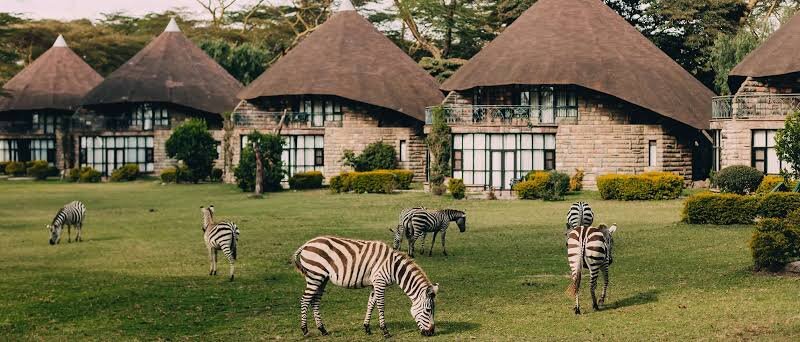
Naivasha delivers this variety naturally. The lake creates a strong visual centerpiece, while surrounding habitats support wildlife and abundant birdlife. Boat trips provide a fresh perspective, and guided walking experiences can bring travelers closer to the natural environment. At the same time, comfortable accommodation allows visitors to rest between activities.
The destination also improves itinerary flow. Long safari routes can become tiring when every day follows the same pattern. Adding Lake Naivasha introduces a different rhythm. Travelers can move from vehicle-based wildlife viewing to water-based exploration and walking experiences.
For international visitors, that variety can make a Kenya trip feel richer and more complete. You gain a stronger understanding of the country’s landscapes rather than seeing only its most famous savannahs.
Ultimately, Lake Naivasha is worth visiting when you approach it for what it offers. It may not replace the Maasai Mara, Amboseli, or other major parks, but it can complement them exceptionally well. That combination makes the lake an important option for travelers who want a balanced, diverse, and memorable Kenya safari.
Conclusion: Is Lake Naivasha Worth Visiting on Safari?
Lake Naivasha is worth visiting on safari, particularly for travelers who value variety, scenery, birdlife, peaceful landscapes, and unique wildlife experiences. Its freshwater ecosystem, hippos, birds, surrounding wildlife, boat safaris, walking opportunities, and Great Rift Valley setting create an experience that feels different from a traditional savannah game drive.
The destination also fits many types of travelers. Families can enjoy interactive nature experiences, couples can appreciate its peaceful atmosphere, photographers can capture wildlife and landscapes, and birdwatchers can explore one of Kenya’s rewarding freshwater environments. Furthermore, its location makes it useful when connecting major destinations within a wider Kenya safari itinerary.
The most important point is to plan Lake Naivasha as part of a complete travel experience rather than treating it as a quick stop. Choose activities that match your interests, allow enough time to enjoy the environment, respect wildlife, and work with professionals who understand Kenya’s safari routes and seasonal conditions.
For travelers seeking a well planned African adventure, Giant Holiday Safaris can help turn Lake Naivasha and the wider Kenya safari circuit into a thoughtful, comfortable, and memorable journey. With the right planning, Naivasha becomes more than a lake on the itinerary it becomes an important part of experiencing Kenya’s remarkable natural diversity.