Kenya Safari Accessibility Guide
May 8, 2026
Kenya Permits and Regulations
May 9, 2026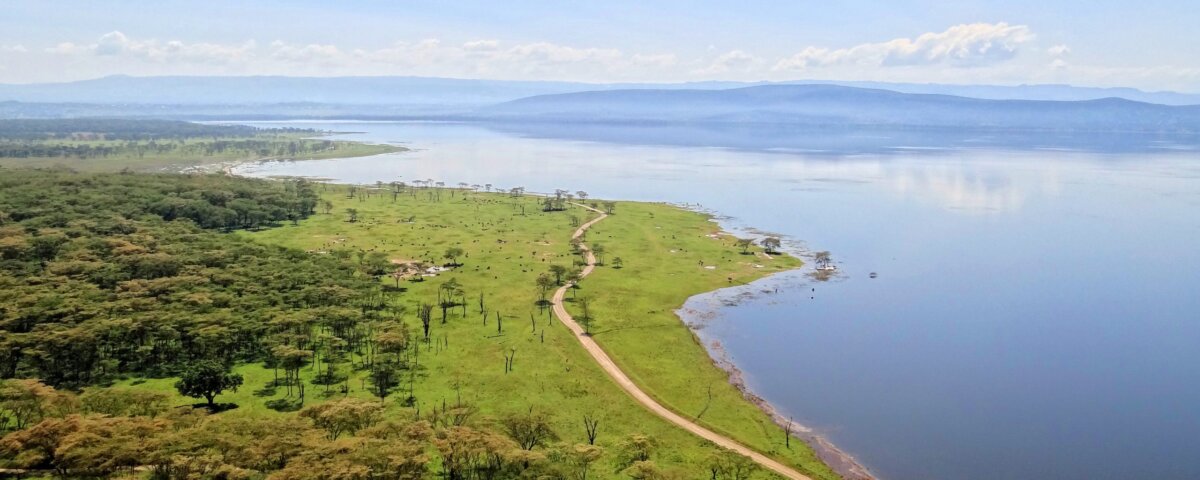
Kenya Park Entry Fees
Kenya stands as one of the most powerful safari destinations in Africa, attracting travelers who want real wildlife encounters, open savannah landscapes, and unforgettable game drives. However, before stepping into any protected wildlife area, visitors must understand Kenya safari park entry fees and how they shape the overall travel experience. These fees play a key role in planning a safari budget, especially for international travelers who want to explore multiple parks.
In addition, entry fees influence how tourists choose destinations such as Maasai Mara, Amboseli, and Nairobi National Park. Each park applies its own pricing system based on visitor type, conservation needs, and location. Therefore, understanding these costs helps travelers make informed decisions, avoid surprises, and enjoy smoother safari planning.
Most importantly, Kenya safari park entry fees support conservation work, park management, and wildlife protection. As a result, every visitor directly contributes to preserving Kenya’s natural heritage. This guide breaks down everything you need to know in a clear, practical, and travel-friendly way so you can confidently plan your safari adventure across Kenya.
Why Kenya Charges Entry Fees for Safari Parks
Kenya applies entry fees across all national parks and reserves for strong and practical reasons. First, these fees support wildlife conservation efforts that protect iconic species such as lions, elephants, rhinos, and giraffes. Without these funds, many parks would struggle to maintain ecosystems and stop illegal activities like poaching.
In addition, entry fees help maintain roads, ranger stations, and visitor facilities inside the parks. Safari vehicles need safe tracks, and wildlife viewing depends on well-maintained infrastructure. Therefore, these fees directly improve the quality of every safari experience.
Furthermore, Kenya uses entry fees to manage tourism pressure. Popular parks receive thousands of visitors each year, so controlled pricing helps balance conservation with tourism demand. This system ensures that wildlife habitats remain protected even as tourism grows.
Ultimately, Kenya safari park entry fees reflect a commitment to sustainability. Travelers do not just pay for entry; they invest in long-term wildlife protection, community development, and responsible tourism that keeps Kenya’s safari industry strong for future generations.
Overview of Major Safari Parks and Their Entry Fee Structure
Kenya features a wide range of national parks and reserves, each with unique landscapes, wildlife populations, and pricing systems. The most visited parks include Maasai Mara National Reserve, Nairobi National Park, Amboseli National Park, Tsavo East, Tsavo West, and Lake Nakuru National Park.
Each park sets entry fees based on visitor categories such as international tourists, East African residents, and Kenyan citizens. International visitors usually pay higher fees because these funds significantly support conservation programs and park maintenance.
In addition, some parks apply seasonal pricing. Peak travel months often come with higher entry costs due to increased demand and wildlife migration events, especially in Maasai Mara during the Great Migration.
Moreover, park size and popularity also influence pricing. Smaller or less-visited parks often charge lower fees, while world-famous destinations like Maasai Mara maintain premium rates due to high demand and global recognition.
Understanding this structure helps travelers plan smarter safari routes, combine destinations efficiently, and control their overall safari budget in Kenya.
Nairobi National Park Entry Fees Breakdown
Nairobi National Park stands out as one of the only national parks located next to a capital city. This unique setting allows travelers to experience wildlife viewing just minutes from urban life. However, entry fees reflect both convenience and conservation needs.
International visitors typically pay higher fees compared to local residents. These charges contribute to protecting wildlife such as lions, buffaloes, rhinos, and zebras that roam freely against the backdrop of Nairobi’s skyline.
Additionally, Nairobi National Park entry fees support anti-poaching operations and habitat preservation. Since the park sits near a rapidly growing city, conservation teams work constantly to manage human wildlife interactions and maintain ecological balance.
Furthermore, the park remains a top choice for short safaris, especially for travelers with limited time. Because of this demand, entry fees help regulate visitor flow while ensuring a high-quality safari experience.
Ultimately, Nairobi National Park offers one of the most accessible safari experiences in Africa, and its pricing structure reflects its unique role in Kenya’s tourism and conservation landscape.
Maasai Mara National Reserve Entry Fees Explained
Maasai Mara National Reserve ranks among the most famous safari destinations in the world. It attracts visitors seeking dramatic wildlife scenes, especially during the Great Migration when millions of wildebeest and zebras cross from Tanzania into Kenya.
Entry fees in Maasai Mara remain higher compared to many other parks due to its global reputation and high conservation value. International visitors contribute significantly to maintaining the reserve’s ecosystems and supporting local communities surrounding the park.
In addition, Maasai Mara uses structured pricing that varies depending on the season. Peak months often bring higher fees because of increased demand and premium wildlife viewing opportunities. Off-peak periods may offer slightly lower costs, making travel more flexible.
Moreover, the reserve collaborates with local communities to ensure tourism benefits extend beyond wildlife protection. Entry fees help fund education, healthcare, and infrastructure in surrounding Maasai communities.
As a result, Maasai Mara entry fees do more than regulate access. They support one of Africa’s most important wildlife ecosystems while strengthening community-based tourism models that keep the region sustainable and culturally rich.
Amboseli, Tsavo, and Other Key Parks: Fee Comparison
Amboseli National Park, Tsavo East, Tsavo West, and Lake Nakuru National Park also form essential parts of Kenya’s safari network. Each park offers different landscapes and wildlife experiences, which influence their entry fee structures.
Amboseli attracts visitors with its iconic views of Mount Kilimanjaro and large elephant herds. Entry fees reflect its popularity and unique photographic opportunities. Tsavo East and Tsavo West, on the other hand, cover vast wilderness areas and often charge slightly lower fees due to their size and remote locations.
Lake Nakuru National Park stands out for its flamingo-filled lake and rhino sanctuary. Its entry fees support bird conservation and anti-poaching programs that protect endangered species.
Furthermore, these parks allow travelers to design diverse safari itineraries. Combining multiple parks helps create a richer experience while balancing overall costs.
Therefore, understanding Kenya safari park entry fees across different destinations helps travelers build flexible itineraries that match both budget and adventure expectations.
Factors That Influence Safari Park Entry Fees in Kenya
Several important factors shape Kenya safari park entry fees across the country. First, conservation needs play a major role. Parks with endangered species or fragile ecosystems often charge higher fees to support protection programs.
Second, location influences pricing. Parks closer to major cities or tourist hubs may charge differently compared to remote parks that require more logistical support and maintenance.
Third, seasonality affects entry fees. Peak travel seasons increase demand, especially during wildlife migration periods, which can impact pricing structures.
Additionally, visitor nationality remains a key factor. International tourists usually pay higher fees compared to residents and citizens because they contribute more to national conservation funding.
Finally, park popularity also plays a role. World-famous destinations like Maasai Mara naturally attract higher fees due to global demand and premium safari experiences.
By understanding these factors, travelers gain clearer insight into why pricing varies and how Kenya balances tourism growth with wildlife protection across its national parks.
Smart Tips to Save Money on Kenya Safari Park Visits
Travelers can enjoy Kenya safaris while still managing costs effectively. First, planning visits during off-peak seasons helps reduce entry fees and overall safari expenses. Parks remain less crowded, which also improves wildlife viewing experiences.
Second, combining multiple parks in one itinerary reduces repeated travel costs. For example, visiting Amboseli and Tsavo together creates a cost-efficient safari route.
Third, booking through reputable tour operators often helps travelers access bundled packages that include park fees, transport, and accommodation at better rates.
In addition, staying longer in one park can sometimes lower per-day costs compared to moving frequently between destinations.
Moreover, travelers should research updated Kenya safari park entry fees before arrival to avoid unexpected expenses and budget accurately.
Ultimately, smart planning allows visitors to enjoy Kenya’s rich wildlife without overspending while still experiencing top destinations like Maasai Mara, Nairobi National Park, and Amboseli.
Why These Fees Matter for Conservation and Tourism Growth
Kenya safari park entry fees sustain both wildlife conservation and tourism development. Giant Holiday Safaris, as a trusted tour operator, helps travelers see how these fees directly support conservation while enhancing their safari experience.
They fund anti-poaching units that protect endangered animals and support habitat restoration projects vital for future generations. Without them, ecosystems would face serious degradation.
Entry fees also strengthen local economies by creating jobs in guiding, hospitality, and community tourism. Giant Holiday Safaris connects travelers with these initiatives, ensuring their journeys benefit local families.
Moreover, fees regulate visitor numbers, promoting responsible tourism and protecting fragile ecosystems. This balance keeps Kenya’s reputation strong as a leading safari destination.
Ultimately, park entry fees go beyond access; they build a foundation for conservation success, economic growth, and sustainable tourism. With Giant Holiday Safaris, travelers contribute meaningfully while enjoying authentic African adventures.
Conclusion
Kenya safari park entry fees form an essential part of every travel experience. They shape how visitors explore iconic destinations such as Maasai Mara, Nairobi National Park, Amboseli, Tsavo, and Lake Nakuru. Giant Holiday Safaris, as a trusted tour operator, helps travelers navigate these fees while ensuring seamless and rewarding safari experiences.
Understanding fee structures allows visitors to plan wisely, budget effectively, and choose the best safari routes. With Giant Holiday Safaris’ expert guidance, travelers gain deeper appreciation for how tourism preserves Kenya’s natural heritage.
Ultimately, every entry fee contributes to a larger mission protecting Africa’s wildlife and sustaining Kenya’s unmatched beauty. Partnering with Giant Holiday Safaris ensures that each safari not only delivers unforgettable adventures but also supports conservation and community development.
Combined Uganda, Kenya, Rwanda and Tanzania Safaris
17 days Kenya Tanzania and Uganda safari 19 Days Uganda Kenya and Tanzania Safari
16 Days Kenya Tanzania and Uganda Safari
14 Days Kenya Uganda and Tanzania Safari
14 Days Kenya Uganda and Rwanda Safari