Kenya Infrastructure Overview
May 10, 2026
Kenya Hidden Lodges Guide
May 10, 2026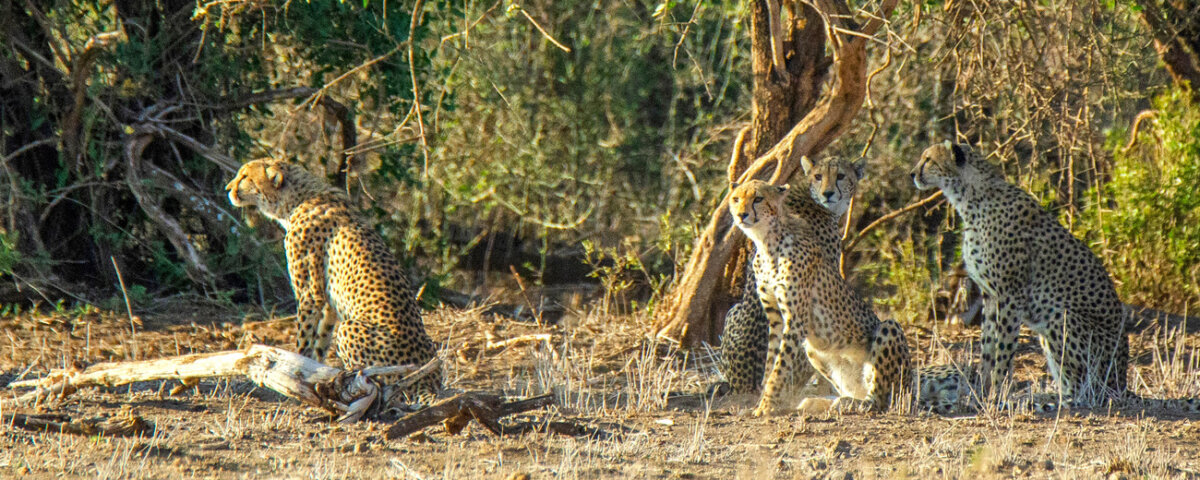
Kenya Regional Wildlife Differences
Kenya Regional Wildlife Differences: Kenya offers one of the most diverse safari experiences in Africa because each region has unique wildlife, landscapes, climates, and ecosystems. Travelers who explore different parts of the country quickly notice that wildlife experiences change from one destination to another. Some regions feature open savannah plains filled with large herds of wildebeest and zebras, while others contain dense forests, volcanic landscapes, wetlands, or dry semi-arid habitats that support rare animal species.
These regional wildlife differences make Kenya one of the most exciting safari destinations in the world. Tourists can enjoy different game viewing experiences within one country while learning about the natural diversity that shapes Kenya’s ecosystems. From the famous plains of the Maasai Mara to the elephant-rich landscapes of Amboseli and the rugged wilderness of Samburu, every safari destination offers something unique.
Kenya’s varied geography plays a major role in shaping wildlife distribution. Climate, rainfall, vegetation, altitude, water sources, and conservation efforts all influence the types of animals found in each region. As a result, some parks support large predators, while others protect rare northern species, migratory birds, or endangered wildlife.
In addition, regional wildlife differences help travelers plan better safari experiences. Some tourists seek the Great Migration, while others want to photograph elephants, spot rhinos, or explore less crowded wilderness areas. Understanding these differences helps visitors choose destinations that match their safari interests and travel goals.
This guide explores Kenya safari regional wildlife differences by examining the major safari regions, their ecosystems, wildlife species, and the unique experiences they offer to travelers from around the world.
Maasai Mara Wildlife and Savannah Ecosystem
The Maasai Mara stands as Kenya’s most famous safari destination because of its rich wildlife population and spectacular open grasslands. Located in southwestern Kenya, this reserve forms part of the greater Serengeti ecosystem, which stretches into Tanzania. The region supports one of the highest concentrations of wildlife in Africa.
The Maasai Mara is best known for the Great Migration. Every year, millions of wildebeest, zebras, and gazelles move across the plains in search of fresh grazing land. This migration attracts predators such as lions, cheetahs, leopards, hyenas, and crocodiles. As a result, visitors often witness dramatic wildlife encounters during safari drives.
In addition, the Maasai Mara offers excellent opportunities to see the Big Five. Lions roam freely across the savannah, while elephants move through grasslands and riverine forests. Leopards often rest in acacia trees near rivers, and buffaloes gather in large herds throughout the reserve.
The landscape in the Maasai Mara mainly consists of open plains with scattered acacia trees and seasonal rivers. This terrain creates excellent wildlife visibility, which makes the reserve ideal for photographers and first time safari travelers.
Birdlife also thrives in the Maasai Mara. Eagles, vultures, ostriches, secretary birds, and colorful bee eaters attract birdwatchers from around the world. The Mara River further supports hippos and crocodiles, adding more diversity to the ecosystem.
Unlike drier northern regions, the Maasai Mara receives more rainfall, which supports lush grasslands and larger grazing populations. Consequently, predator populations remain strong due to the abundance of prey.
The Maasai Mara delivers classic African safari experiences through its abundant wildlife, dramatic landscapes, and exciting predator action. This combination continues to make it one of the top safari destinations in Africa.
Kenya Regional Wildlife Differences: Amboseli National Park and Elephant Habitats
Amboseli National Park offers a completely different wildlife experience compared to the Maasai Mara. Located in southern Kenya near the Tanzania border, Amboseli is famous for its large elephant herds and stunning views of Mount Kilimanjaro.
The park’s ecosystem mainly consists of open plains, swamps, seasonal lakes, and dry bushland. Underground water flowing from Mount Kilimanjaro feeds Amboseli’s wetlands, which provide year-round water for wildlife. Because of these permanent water sources, many animals gather in the park even during dry seasons.
Amboseli is globally recognized for elephant conservation. Visitors often see large elephants with massive tusks moving across the plains in family groups. The open landscape allows tourists to observe elephant behavior closely, which makes Amboseli one of the best places in Africa for elephant photography.
In addition to elephants, Amboseli supports lions, cheetahs, hyenas, giraffes, zebras, wildebeest, buffaloes, and hippos. However, the wildlife density differs from the Maasai Mara because Amboseli has drier conditions and smaller predator populations.
Birdlife flourishes around the swamps and wetlands. Pelicans, flamingos, herons, kingfishers, and African fish eagles create excellent birdwatching opportunities. During certain seasons, migratory birds increase the region’s biodiversity even further.
The scenery also sets Amboseli apart from other safari destinations. Mount Kilimanjaro creates a breathtaking backdrop for wildlife photography, especially during clear mornings and evenings. This iconic landscape attracts photographers and nature lovers from across the globe.
Moreover, Amboseli’s relatively flat terrain makes wildlife spotting easier for visitors. Animals often gather near swamps, allowing tourists to enjoy rewarding game drives within short distances.
Amboseli combines dramatic scenery, elephant conservation, and accessible wildlife viewing, making it one of Kenya’s most unique safari ecosystems.
Kenya Regional Wildlife Differences: Samburu Region and Northern Kenya Wildlife
Northern Kenya offers a more rugged and remote safari experience compared to southern parks. Samburu National Reserve, along with nearby conservancies, showcases wildlife species that travelers rarely see in other parts of Kenya.
The region features semi-arid landscapes with rocky hills, dry riverbeds, acacia woodland, and sparse vegetation. These harsh environmental conditions support specially adapted wildlife species known as the “Samburu Special Five.” These include the Grevy’s zebra, reticulated giraffe, Somali ostrich, gerenuk, and beisa oryx.
Grevy’s zebras differ from common zebras because they have thinner stripes and larger ears. Reticulated giraffes display striking geometric coat patterns, while gerenuks stand upright on their hind legs to feed from bushes. These unique animals create a safari experience that feels very different from the Maasai Mara or Amboseli.
Predators also thrive in Samburu. Lions, leopards, and cheetahs hunt across the dry plains and riverbanks. In addition, large crocodiles and hippos inhabit the Ewaso Nyiro River, which serves as the region’s primary water source.
Elephants move freely through Samburu as well, although their behavior often differs from elephant populations in wetter southern parks. The dry climate forces animals to travel longer distances for food and water, creating more dynamic wildlife movements.
Cultural experiences further enhance the Samburu safari experience. Visitors often interact with Samburu communities, who maintain traditional lifestyles closely connected to the land and wildlife.
Birdwatchers also appreciate Samburu’s diversity. Vultures, hornbills, eagles, and weaver birds thrive in the semi-arid environment. The reserve supports many dry country bird species that travelers may not encounter elsewhere in Kenya.
Samburu’s remote beauty, rare wildlife species, and dramatic landscapes make northern Kenya one of the country’s most distinctive safari regions.
Kenya Regional Wildlife Differences: Tsavo Ecosystem and Wilderness Diversity
Tsavo National Park forms one of the largest protected wildlife ecosystems in Africa. The park consists of Tsavo East and Tsavo West, both of which offer different wildlife experiences and landscapes.
Tsavo East features vast open plains, red soil, and scattered bushland. The region supports large elephant herds known for their reddish appearance caused by dust bathing in the park’s iron rich soil. Tsavo East also contains lions, leopards, buffaloes, giraffes, zebras, and many antelope species.
The Yatta Plateau, one of the world’s longest lava flows, adds geological uniqueness to Tsavo East. In addition, the Galana River supports crocodiles and hippos while attracting wildlife during dry seasons.
Tsavo West differs greatly from Tsavo East because it contains volcanic hills, lava fields, springs, and denser vegetation. Mzima Springs remains one of the park’s most famous attractions due to its crystal-clear water and underwater hippo viewing opportunities.
Wildlife visibility in Tsavo West can sometimes become more challenging because of thicker vegetation. However, the region rewards travelers with dramatic scenery and more secluded safari experiences.
The Tsavo ecosystem supports incredible biodiversity because of its large size and varied habitats. Animals move freely across huge wilderness areas, which creates more natural wildlife behavior compared to smaller parks.
Birdlife also thrives throughout Tsavo. Ostriches, hornbills, kingfishers, eagles, and starlings add vibrant color to the ecosystem. Seasonal wetlands attract additional bird species during rainy periods.
Unlike the crowded Maasai Mara, Tsavo offers quieter safari experiences with fewer vehicles and vast open spaces. This wilderness atmosphere appeals to travelers seeking adventure, solitude, and raw natural beauty.
Tsavo’s size, ecological diversity, and untamed landscapes make it one of Kenya’s most important conservation areas and safari destinations.
Kenya Regional Wildlife Differences: Lake Nakuru and Rift Valley Wildlife
Lake Nakuru National Park delivers a completely different safari experience because of its Rift Valley ecosystem and strong rhino conservation efforts. Located in central Kenya, the park surrounds a shallow alkaline lake that attracts various bird species and wildlife populations.
The park gained global recognition for its flamingo populations. Although flamingo numbers change depending on water conditions, visitors still enjoy remarkable birdwatching experiences around the lake. Pelicans, cormorants, herons, and African fish eagles also thrive in the area.
Lake Nakuru stands out as one of Kenya’s best rhino sanctuaries. Both black rhinos and white rhinos receive strong protection inside the park. As a result, tourists often enjoy close rhino sightings during game drives.
The park’s ecosystem includes woodland, grasslands, rocky escarpments, and lakeshore habitats. These varied environments support lions, leopards, buffaloes, giraffes, zebras, waterbucks, and baboons.
Unlike the vast plains of Maasai Mara, Lake Nakuru feels more compact and forested. This environment creates a different safari atmosphere where travelers experience both wildlife and scenic landscapes within shorter driving distances.
The Rift Valley scenery adds significant beauty to the park. Escarpments, acacia forests, and lakeside views create excellent photography opportunities throughout the reserve.
Moreover, Lake Nakuru’s location near Nairobi makes it highly accessible for short safaris and weekend trips. Many travelers combine it with nearby destinations such as Lake Naivasha and Hell’s Gate National Park.
Lake Nakuru offers an excellent balance of wildlife viewing, birdwatching, conservation experiences, and scenic beauty. Its unique Rift Valley ecosystem makes it an important part of Kenya’s safari diversity.
Coastal and Forest Wildlife Regions in Kenya
Kenya’s coastal and forest regions offer safari experiences very different from the savannah. Coastal forests, marine parks, and mountain ecosystems host species rarely seen in open grasslands. Giant Holiday Safaris designs itineraries that highlight these unique habitats, giving travelers diverse wildlife encounters.
Arabuko Sokoke Forest protects rare birds, elephants, monkeys, butterflies, and endangered species like the golden-rumped elephant shrew. With Giant Holiday Safaris, visitors explore this vital ecosystem with expert guidance.
Shimba Hills National Reserve combines forests, rolling hills, and coastal vegetation, home to sable antelopes, elephants, buffaloes, and rich birdlife. Giant Holiday Safaris ensures safe, enriching visits to this cooler, lush region.
Marine parks along the Indian Ocean showcase coral reefs, dolphins, turtles, tropical fish, and whale sharks. Giant Holiday Safaris organizes snorkeling and diving adventures for unforgettable marine safaris.
Central highland forests such as Aberdare National Park feature elephants, leopards, giant forest hogs, and rare bongos. Giant Holiday Safaris helps travelers experience these misty forests and waterfalls.
These ecosystems also support primates and endemic bird species, shaped by higher rainfall and cooler climates. Giant Holiday Safaris tailors trips to reveal this ecological richness beyond traditional game drives.
Kenya’s coastal and forest regions add remarkable diversity to its safari industry. By traveling with Giant Holiday Safaris, visitors enjoy wildlife experiences that go beyond the savannah, showcasing Kenya’s incredible ecological variety.
Conclusion
Kenya’s regional wildlife differences create one of the most diverse safari experiences in Africa. Every destination offers unique ecosystems, landscapes, and species that attract nature lovers worldwide. Giant Holiday Safaris helps travelers explore these regions with tailored itineraries that highlight their distinct beauty.
The Maasai Mara delivers predator action and the Great Migration, while Amboseli offers elephant encounters beneath Mount Kilimanjaro. Samburu introduces rare northern species, Tsavo showcases vast wilderness, and Lake Nakuru protects rhinos and birdlife. Giant Holiday Safaris ensures visitors experience each destination’s highlights safely and comfortably.
These regional differences strengthen Kenya’s tourism industry by offering varied safari experiences in one country. With Giant Holiday Safaris, travelers enjoy savannah safaris, birdwatching, mountain ecosystems, marine wildlife, and cultural encounters in a single journey.
Kenya’s conservation efforts protect ecosystems for future generations. National parks, conservancies, communities, and wildlife organizations work together. Giant Holiday Safaris supports these initiatives, promoting responsible tourism and conservation.
Kenya’s ecological diversity makes it one of the most rewarding safari destinations. By exploring multiple regions with Giant Holiday Safaris, travelers gain deeper appreciation for Africa’s wildlife and landscapes while enjoying unforgettable adventures.
Combined Uganda, Kenya, Rwanda and Tanzania Safaris
17 days Kenya Tanzania and Uganda safari
19 Days Uganda Kenya and Tanzania Safari
16 Days Kenya Tanzania and Uganda Safari
14 Days Kenya Uganda and Tanzania Safari
14 Days Kenya Uganda and Rwanda Safari