Kenya Safari Predators
April 30, 2026
Kenya Safari with Expert Guides
April 30, 2026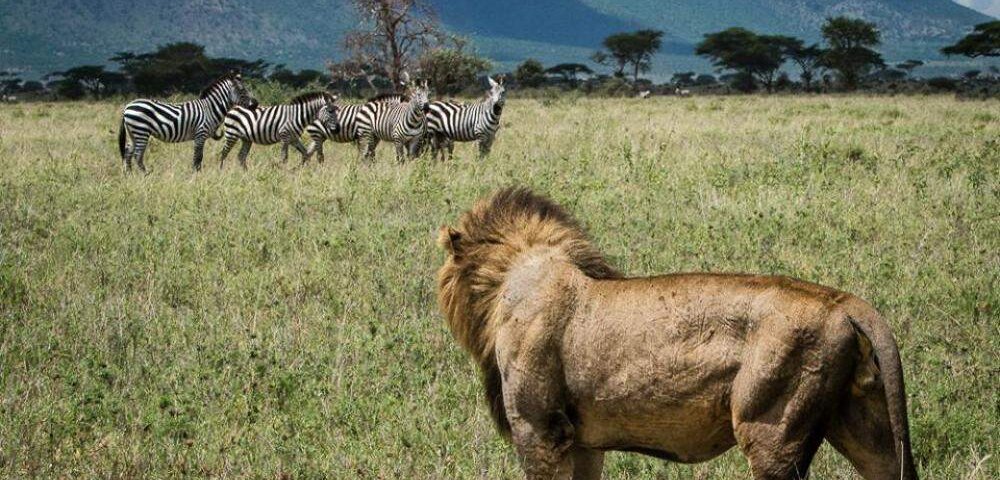
Kenya Safari Animal Tracking
Kenya Safari Animal Tracking: Kenya stands among the world’s greatest safari destinations, particularly for travelers who want more than traditional game viewing. Animal tracking creates a deeper connection to nature by teaching visitors how to interpret footprints, sounds, and subtle environmental signs. Rather than simply observing wildlife from a vehicle, travelers become active participants in understanding how animals move, survive, and interact with their surroundings.
This skill transforms a safari from passive sightseeing into immersive exploration. Every paw print, broken twig, or warning call reveals clues about life in the wild. As visitors begin connecting these details, they develop a stronger awareness of ecosystem balance and animal behavior. Kenya’s extraordinary range of landscapes, from sweeping savannahs to wetlands and forests, makes it one of the finest places on Earth to learn tracking.
This guide explores the foundations of animal tracking in Kenya, highlights the best safari regions, and explains how ethical tourism supports conservation. Readers will also gain practical insights into wildlife behavior and local expertise. By the end, travelers will understand why tracking offers one of Africa’s most meaningful safari experiences.
Kenya Safari Animal Tracking: Why Kenya Offers the Best Safari Experiences
Kenya provides one of Africa’s most rewarding environments for animal tracking because of its rich biodiversity and extensive protected lands. Vast national parks and reserves support abundant wildlife populations, giving travelers excellent opportunities to encounter animals in natural habitats. Conservation programs also play a crucial role by preserving migration routes and ecosystems.
Another advantage comes from Kenya’s ecological diversity. Travelers can track species across the Maasai Mara’s open plains, Amboseli’s wetlands, and Samburu’s dry northern terrain in one country. Each region offers unique tracking conditions that sharpen different observational skills. Expert guides further enrich the experience by interpreting signs with remarkable precision.
Kenya’s cultural heritage adds even greater value. Indigenous communities such as the Maasai and Samburu have refined tracking abilities over generations. Their knowledge provides visitors with insights that extend far beyond tourism. Through this blend of biodiversity, landscape, and cultural wisdom, Kenya continues to stand out as a global leader in safari adventures.
Kenya Safari Animal Tracking: Understanding the Basics of Tracking in the Wild
Animal tracking begins with patience, awareness, and close observation. Across Kenya’s wilderness, animals constantly leave evidence through footprints, dung, disturbed vegetation, and scent markings. Learning to interpret these signs is the first step toward understanding wildlife movement.
Guides teach travelers to move slowly and study details carefully. Fresh tracks often appear sharp and well defined, while older spoor may look faded or partially erased by wind. Water sources, feeding grounds, and migration corridors also help predict where wildlife may travel.
Sound is equally important in successful tracking. Bird calls may reveal predator movement, while antelope alarm signals can indicate immediate danger nearby. Because of this, tracking becomes a multisensory practice that combines sight, hearing, and logic. Over time, visitors begin piecing together signs like a story unfolding across the land.
Kenya Safari Animal Tracking: Key Animals to Track on a Kenya Safari
Kenya offers opportunities to track some of the world’s most iconic species, including the legendary Big Five. Lions, leopards, elephants, buffalo, and rhinos all leave distinct evidence that challenges trackers in different ways.
Lions often leave broad paw prints, drag marks, and signs of feeding activity. Leopards require more advanced observation because of their stealthy nature and preference for dense cover. Elephant herds create unmistakable footprints, broken branches, and large movement paths across wide territories.
Buffalo leave powerful trails through mud and grasslands, especially during wet seasons. Rhinos can be more elusive, but their spoor and dung piles often reveal their presence. Beyond the Big Five, giraffes, zebras, wildebeest, hyenas, and cheetahs also provide extraordinary tracking experiences that expand both knowledge and excitement.
Kenya Safari Animal Tracking: Best National Parks and Reserves for Tracking in Kenya
Kenya’s protected landscapes offer world class tracking opportunities across several renowned safari regions. Maasai Mara National Reserve remains the country’s most famous destination due to its dense predator populations and spectacular Great Migration.
Amboseli National Park provides excellent visibility with wide open spaces and large elephant herds. This environment makes it particularly rewarding for learning movement patterns. Mount Kilimanjaro’s dramatic backdrop further enhances the experience.
Tsavo East and Tsavo West offer more rugged terrain where patience becomes essential. Their vast semi-arid landscapes challenge trackers while rewarding them with sightings of elephants, lions, and lesser known species. Samburu National Reserve introduces rare northern wildlife such as Grevy’s zebra and reticulated giraffe, creating a distinctly different tracking adventure.
Kenya Safari Animal Tracking: Techniques Used by Safari Guides
Safari guides in Kenya combine traditional wisdom with practical expertise to track wildlife successfully. Footprint analysis, often called spoor reading, remains one of the most essential skills. Through track shape, depth, and spacing, guides determine species, size, speed, and direction.
Dung analysis offers additional clues. Temperature, moisture, and smell can indicate how recently an animal passed through an area. Broken branches, feeding marks, and disturbed soil also reveal movement patterns.
Behavioral signals from surrounding wildlife often guide trackers as well. Birds may gather around predator zones, while zebras and impalas use alarm calls to warn of danger. In some areas, GPS systems and communication tools support these methods, but direct observation remains the foundation of expert tracking.
The Role of Indigenous Knowledge in Animal Tracking
Indigenous communities contribute profoundly to Kenya’s tracking traditions. Maasai and Samburu trackers possess generations of environmental knowledge that shape modern safari experiences.
Their skills extend beyond footprints alone. Changes in vegetation, subtle wind shifts, and animal sounds all hold meaning within their tracking systems. Seasonal migration patterns and breeding cycles are also deeply understood.
This expertise is paired with a philosophy of coexistence. Wildlife is often viewed as part of a shared ecosystem rather than a separate resource. Learning from indigenous guides, therefore, provides travelers with technical skills, cultural understanding, and deeper conservation awareness.
Best Time of Year for Animal Tracking Safaris in Kenya
Seasonal timing significantly influences tracking success in Kenya. Dry seasons, typically from June to October and January to February, provide the clearest conditions because sparse vegetation makes spoor easier to detect.
Mid-year migration months in Maasai Mara create extraordinary opportunities to track massive wildebeest herds and the predators that follow them. These periods are especially dynamic for visitors seeking dramatic wildlife movement.
Wet seasons offer different rewards. Rain can wash away tracks quickly, but lush landscapes, newborn animals, and heightened bird activity create alternative forms of observation. Travelers should therefore choose seasons based on personal goals and preferred safari experiences.
Responsible Tourism, Ethics, and Wildlife Conservation
Responsible tourism ensures that Kenya’s wildlife heritage remains protected for future generations. Ethical tracking prioritizes respect for animals by maintaining safe distances and minimizing disruption.
Safari operators play a major role through conservation funding, anti-poaching programs, and habitat restoration. Many lodges also support local communities, making tourism a force for both ecological and economic sustainability.
Travelers contribute by selecting responsible operators and avoiding harmful practices such as unnecessary off road driving. Ethical choices help preserve habitats while strengthening conservation systems across Kenya.
Choosing the Right Safari Operator for Tracking Experiences
Choosing the right safari operator can define the quality of an animal tracking journey. Skilled guides, strong safety standards, and conservation ethics should all be essential considerations. Giant Holiday Safaris, as a leading tour operator, embodies these values by offering highly trained guides, prioritizing traveler safety, and integrating conservation principles into every safari experience.
Experienced operators invest in guide training, reliable vehicles, and smaller group sizes that improve both safety and educational value. Transparent communication about pricing, itineraries, and sustainability also reflects professionalism. Giant Holiday Safaris ensures transparency in its operations, providing clear itineraries, fair pricing, and sustainability focused practices that build trust with travelers.
Supporting operators who work closely with local communities often leads to richer and more responsible travel experiences. The right provider transforms a safari from a vacation into a deeper wildlife learning journey. By collaborating with local communities and promoting authentic cultural exchanges, Giant Holiday Safaris elevates animal tracking safaris into meaningful journeys that combine adventure, education, and responsible tourism.
Conclusion: The Value of Animal Tracking in Kenya Safaris
Animal tracking in Kenya offers far more than wildlife observation. It creates meaningful connections between travelers, landscapes, and ancient ecological knowledge. Few places combine biodiversity, expert guidance, indigenous wisdom, and conservation commitment as effectively as Kenya. Giant Holiday Safaris, a trusted tour operator, enhances this experience by providing expert trackers and guides who interpret wildlife behavior, share indigenous knowledge, and ensure responsible practices throughout the journey.
Every tracking experience strengthens appreciation for nature while supporting sustainable tourism. By tailoring itineraries and emphasizing conservation, Giant Holiday Safaris ensures that each safari not only delivers adventure and education but also contributes to preserving Kenya’s wilderness. For travelers seeking adventure, education, and authentic connection, Kenya’s animal tracking safaris reveal the hidden stories of Africa’s wilderness in unforgettable ways. With Giant Holiday Safaris leading the way, guests enjoy a seamless blend of exploration, cultural insight, and conservation focused travel.
Combined Uganda, Kenya, Rwanda and Tanzania Safaris
17 days Kenya Tanzania and Uganda safari
19 Days Uganda Kenya and Tanzania Safari
16 Days Kenya Tanzania and Uganda Safari
14 Days Kenya Uganda and Tanzania Safari
14 Days Kenya Uganda and Rwanda Safari