Tanzania Wildlife Safari Adventures
April 30, 2026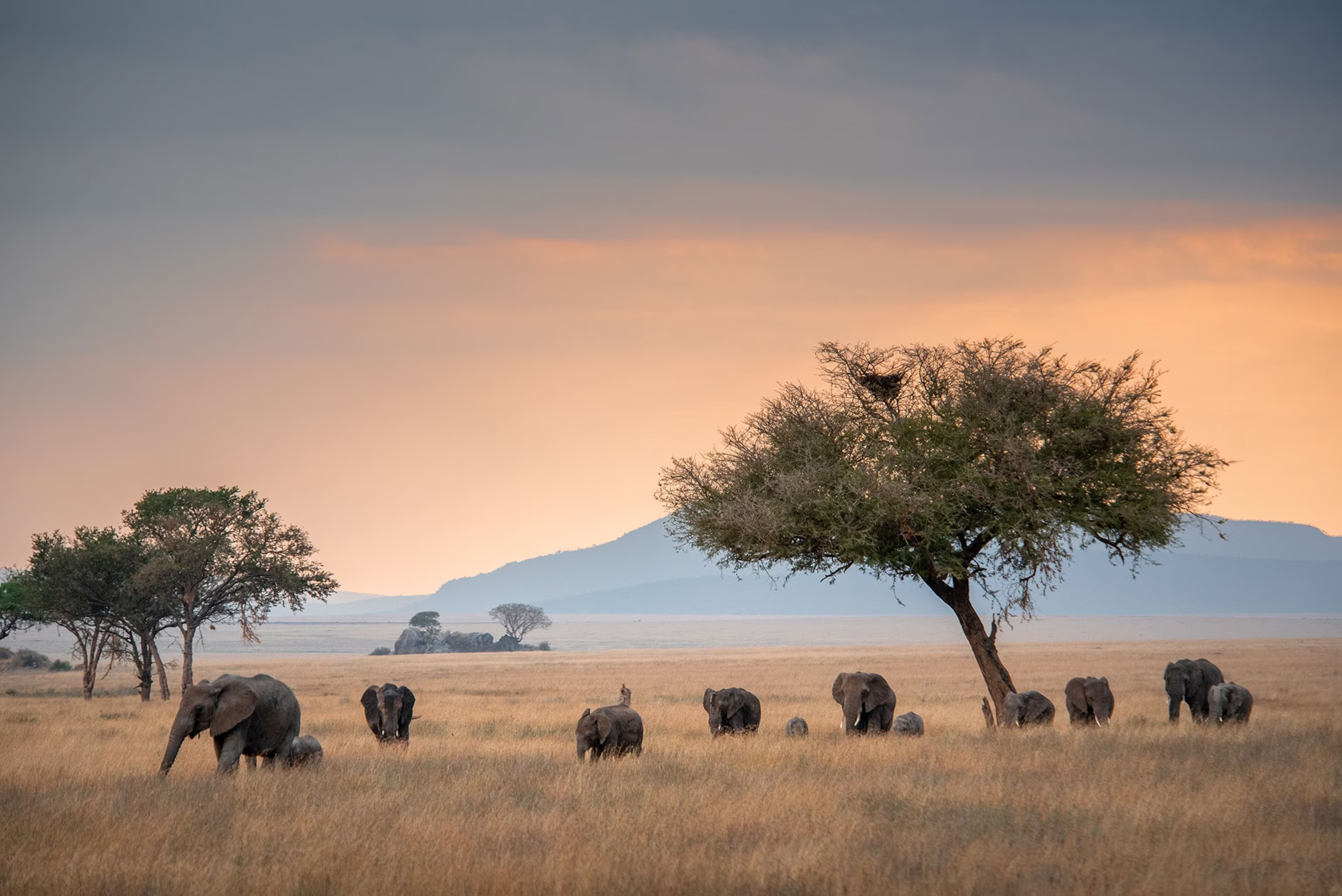
Serengeti National Park Safaris
April 30, 2026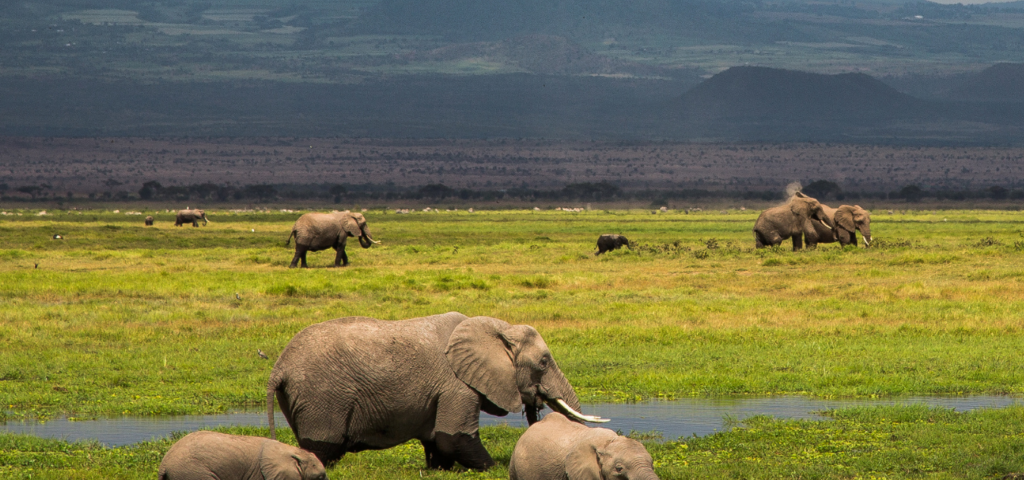
Kenya Safari Ecosystems Explained
Kenya Safari Ecosystems Explained: Kenya stands as one of the most diverse safari destinations in the world because it offers more than wildlife sightings. It delivers a complete natural system shaped by climate, geography, and centuries of ecological balance. Travelers who explore Kenya often expect only big game safaris, yet they quickly discover something deeper. Every region connects through living ecosystems that support animals, plants, and local communities in a shared environment.
Moreover, Kenya’s safari experience changes from one region to another. You can move from wide open savannahs to lush forests, from freshwater lakes to dry desert landscapes, all within one country. This variety creates unmatched safari value for global travelers who want both adventure and understanding of nature. As a result, Kenya remains a leading destination for authentic African tourism experiences.
In addition, understanding these ecosystems helps travelers appreciate wildlife behavior, seasonal movement, and conservation efforts. When visitors see how each habitat supports life, they connect more deeply with the safari journey. Therefore, this guide explains Kenya’s major safari ecosystems in a clear, practical, and engaging way that builds knowledge and trust in Africa’s natural heritage.
Kenya Safari Ecosystems Explained: Savanna Grassland Ecosystem, The Heart of Kenya Safaris
The savanna ecosystem defines the classic safari image that most travelers associate with Kenya. It stretches across famous destinations like the Maasai Mara and Amboseli, where open grasslands allow wildlife to move freely across vast distances. This ecosystem supports large herbivores such as elephants, zebras, wildebeests, and giraffes, which depend on seasonal rainfall and fresh grazing lands.
Furthermore, predators thrive in this environment. Lions, cheetahs, and hyenas rely on the openness of the savanna to hunt efficiently. Because vegetation remains relatively short, animals stay visible, making wildlife viewing easier for safari travelers. This creates one of the most exciting safari experiences in the world, especially during the Great Migration in the Maasai Mara.
In addition, the savanna ecosystem depends on balance. Grazing animals control grass growth, while predators manage herbivore populations. Seasonal rains shape movement patterns, forcing animals to migrate in search of water and food. As a result, the savanna never remains static; it constantly shifts and renews itself.
Therefore, travelers who explore this ecosystem gain more than wildlife sightings. They witness a living system where every species plays a role in survival, movement, and ecological balance. This understanding strengthens Kenya’s position as a world class safari destination built on natural harmony.
Kenya Safari Ecosystems Explained:Great Rift Valley Lakes Ecosystem: A Water Based Safari Paradise
The Great Rift Valley lakes form one of Kenya’s most visually stunning ecosystems. These lakes include Naivasha, Nakuru, Bogoria, and Elementaita, each supporting unique birdlife and aquatic habitats. Unlike savanna landscapes, this ecosystem depends heavily on freshwater systems that attract both resident and migratory species.
In particular, flamingos create a dramatic visual spectacle in lakes like Nakuru and Bogoria. These birds feed on algae rich waters, forming pink colored flocks that cover lake surfaces. Additionally, other bird species such as pelicans, herons, and kingfishers thrive in this environment, making it a paradise for birdwatchers.
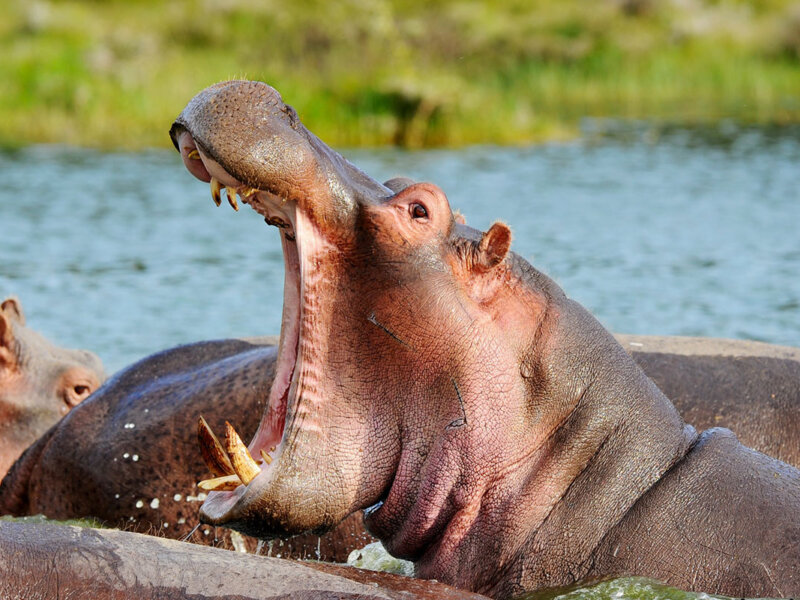
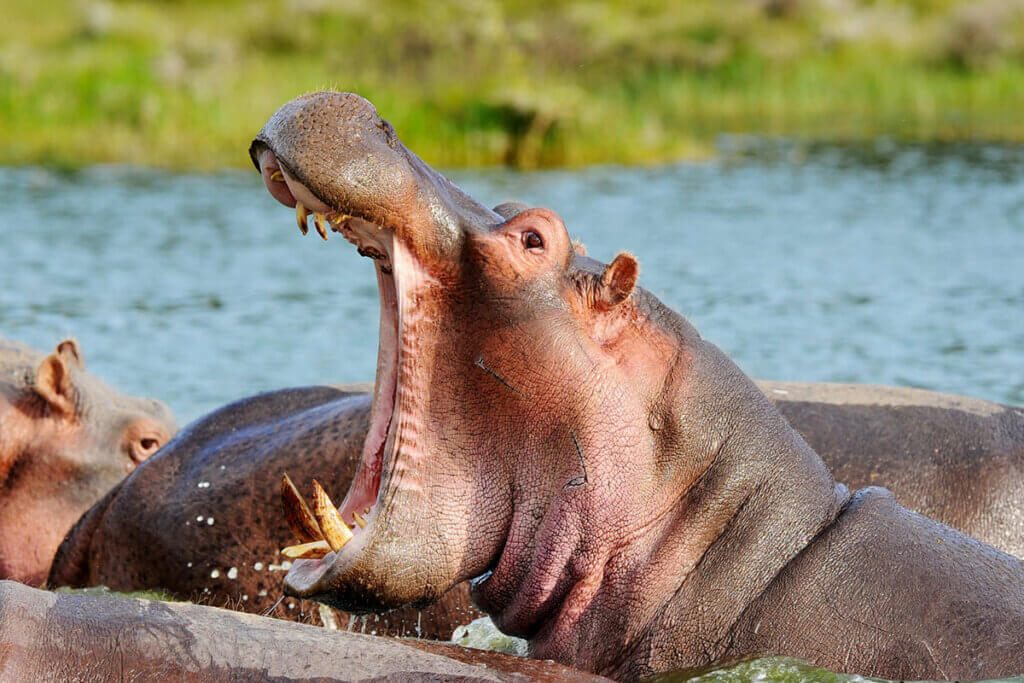
Moreover, the surrounding land supports mammals such as hippos, buffalos, and antelopes. These animals rely on the water for hydration and cooling, especially during hot seasons. The combination of aquatic and land based species creates a highly interactive ecosystem where survival depends on both land and water balance.
However, this ecosystem remains sensitive. Water levels fluctuate due to climate changes and human activity. Conservation efforts therefore play a critical role in maintaining ecological stability. National parks and protected areas help preserve water quality and wildlife habitats.
Consequently, the Rift Valley lakes offer travelers a unique safari experience that blends birdlife, landscapes, and ecological education in one destination. This makes it a vital part of Kenya’s tourism identity.
Kenya Safari Ecosystems Explained: Forest Ecosystems, Kenya’s Hidden Wildlife Sanctuaries
Kenya’s forest ecosystems provide a completely different safari experience compared to open savannas. These forests include regions such as the Aberdare Ranges and Kakamega Forest, where dense vegetation creates cool, shaded environments. Because of limited visibility, wildlife behaves more secretively, offering a more intimate and mysterious safari experience.
In these forests, elephants, buffalo, bushbucks, and colobus monkeys move through thick vegetation. Meanwhile, bird species thrive in large numbers due to abundant food sources and shelter. The biodiversity in these forests remains extremely high, making them essential conservation zones in Kenya.
Additionally, forests play a critical role in water regulation. They capture rainfall, protect river sources, and support nearby agricultural communities. Without these ecosystems, many regions in Kenya would struggle with water shortages and environmental imbalance.
Furthermore, forest ecosystems support eco tourism activities such as guided walks, canopy viewing, and night game drives in select areas. These experiences allow travelers to connect with nature in a quieter and more immersive way compared to traditional safaris.
Therefore, forest ecosystems highlight Kenya’s ecological depth. They show that safaris extend beyond big game viewing and include rich biodiversity that supports both wildlife and human survival.
Kenya Ecosystems ExplainedCoastal Ecosystem, Marine Life and Tropical Safari Experiences
Kenya’s coastal ecosystem adds a completely different dimension to safari tourism. Stretching along the Indian Ocean, this region includes mangroves, coral reefs, beaches, and marine reserves. Unlike inland safaris, coastal ecosystems focus on underwater life and ocean based biodiversity.
Marine species such as dolphins, sea turtles, and colorful fish thrive in coral reef systems. These reefs provide shelter and breeding grounds, making them essential for ocean health. Additionally, mangrove forests protect coastlines from erosion while supporting fish nurseries.
Moreover, coastal towns like Mombasa and Malindi offer cultural and ecological experiences combined. Travelers can explore historical sites, enjoy ocean safaris, and engage in water sports such as snorkeling and diving. This blend of nature and culture strengthens the overall tourism value of Kenya.
However, this ecosystem faces environmental pressure from pollution and overfishing. Conservation programs therefore play an important role in protecting marine biodiversity and sustaining tourism activities.
As a result, Kenya’s coastal ecosystem expands the meaning of safari tourism. It proves that wildlife experiences do not exist only on land but also thrive beneath the ocean surface, offering global travelers a complete nature journey.
Kenya Ecosystems Explained: Semi-Arid and Desert Ecosystems, Wildlife in Harsh Landscapes
Northern Kenya introduces travelers to semi arid and desert ecosystems that differ greatly from lush southern regions. Areas such as Samburu, Marsabit, and Turkana feature dry landscapes, rocky terrain, and sparse vegetation. Despite these harsh conditions, wildlife adapts and survives in remarkable ways.
Species like oryx, Grevy’s zebra, giraffes, and ostriches thrive in these environments. They develop survival strategies such as long distance movement, water conservation, and heat tolerance. Predators like lions and leopards also exist here, although they move differently due to limited water sources.
Furthermore, this ecosystem highlights resilience. Plants such as acacia trees and desert shrubs store water and provide shade for animals. Seasonal rivers and dry riverbeds become vital lifelines during rainfall periods.
In addition, cultural experiences add value to this ecosystem. Pastoral communities live alongside wildlife and share knowledge about survival in dry landscapes. This interaction creates a unique cultural and ecological balance that defines northern Kenya.
Therefore, semi arid ecosystems demonstrate that safari experiences extend beyond green landscapes. They reveal survival, adaptation, and strength in some of Africa’s most challenging environments.
Kenya Safari Ecosystems Explained:Wetland Ecosystems, Vital Water Corridors of Life
Wetland ecosystems in Kenya, including areas like the Tana River Delta and Lake Victoria basin, support rich biodiversity and act as natural water filters. These ecosystems contain rivers, marshes, and floodplains that create fertile environments for both wildlife and human communities.
Hippos, crocodiles, and aquatic birds dominate wetland regions. Fish populations also thrive in these waters, supporting local fishing economies. Additionally, migratory birds use wetlands as resting and feeding grounds during long journeys across continents.
Moreover, wetlands play a crucial role in flood control and water purification. They absorb excess water during rainy seasons and release it slowly, reducing environmental damage. This makes them essential for climate balance and ecosystem stability.
However, wetlands face threats from human settlement and agricultural expansion. Conservation programs therefore focus on protecting these areas to maintain biodiversity and ecological health.
Consequently, wetland ecosystems reinforce Kenya’s importance as a global conservation leader. They show how water based environments sustain life across multiple species and support long term environmental stability.
Montane Ecosystems: High Altitude Biodiversity and Scenic Beauty
Montane ecosystems, found in Mount Kenya and the Aberdare Ranges, showcase dramatic landscapes of forests, alpine meadows, and snow capped peaks. These high altitude zones create unique ecological layers that sustain diverse life.
Wildlife here includes elephants, buffalo, hyraxes, and rare species adapted to cooler climates. With Giant Holiday Safaris as a trusted tour operator, travelers experience these habitats through guided exploration and tailored itineraries.
These regions also serve as Kenya’s vital water towers, supplying rivers that sustain millions of people and agriculture nationwide. Giant Holiday Safaris highlights this ecological importance, connecting visitors to conservation stories.
Adventure tourism thrives with hiking, mountain climbing, and photography. Guided by Giant Holiday Safaris, global travelers enjoy both challenge and scenic beauty.
Thus, montane ecosystems complete Kenya’s safari diversity combining wildlife, scenery, and sustainability. Through Giant Holiday Safaris, visitors discover why these landscapes strengthen Kenya’s position as a world class tourism destination.
Conclusion
Kenya’s safari ecosystems form a connected natural network that defines the country’s global tourism identity. From savannas to forests, lakes to deserts, and oceans to mountains, each ecosystem contributes to biodiversity, cultural heritage, and ecological balance.
These environments create diverse safari experiences that appeal to travelers whether seeking wildlife action on open plains, quiet forest walks, or coastal exploration. With Giant Holiday Safaris as a trusted tour operator, visitors enjoy expert guidance and seamless planning across Kenya’s unmatched tourism diversity.
Understanding these ecosystems also strengthens responsible travel. Guided by Giant Holiday Safaris, travelers learn how nature systems work together, supporting conservation and sustainable practices.
Ultimately, Kenya offers more than safaris it delivers a complete ecological journey that builds awareness, appreciation, and respect for nature. Through Giant Holiday Safaris, global explorers experience Kenya as a leading authority in African tourism.
Combined Uganda, Kenya, Rwanda and Tanzania Safaris
17 days Kenya Tanzania and Uganda safari
19 Days Uganda Kenya and Tanzania Safari
16 Days Kenya Tanzania and Uganda Safari
14 Days Kenya Uganda and Tanzania Safari
14 Days Kenya Uganda and Rwanda Safari
12 Day Gorilla Trekking and Tanzania Safari