Kenya Off-Season Travel
May 13, 2026
Kenya Safari Holiday Packages
May 13, 2026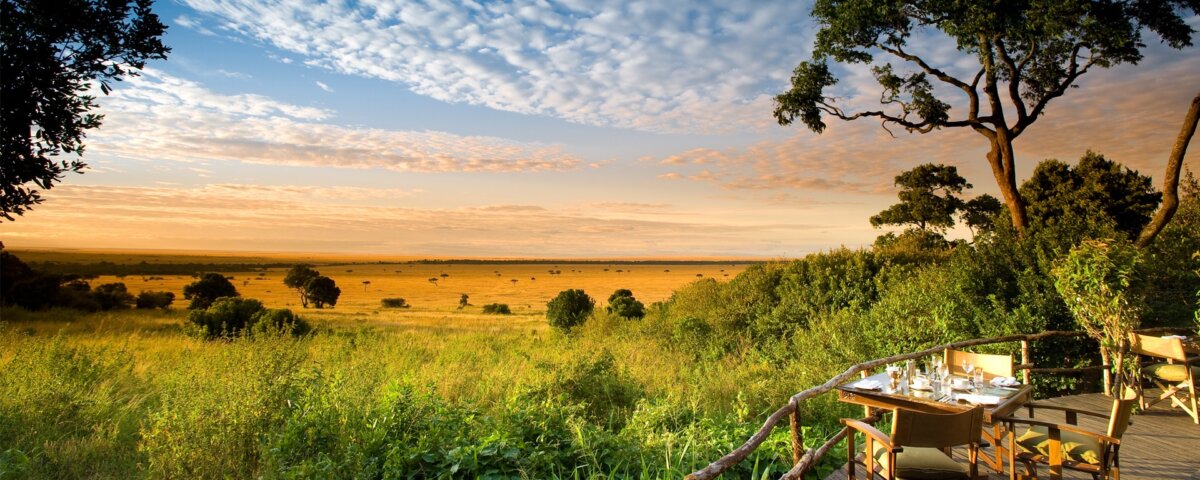
Kenya Safari Peak Season
A Kenya safari peak season guide helps travelers understand the best time to experience Africa’s most famous wildlife destination. Kenya attracts visitors from around the world because of its incredible safari experiences, breathtaking landscapes, and rich cultural heritage. During the peak safari season, the country becomes one of the most exciting places on earth for wildlife viewing and outdoor adventure.
Peak season in Kenya usually occurs from June to October and during the holiday period from December to February. These months bring dry weather, easier wildlife spotting, and excellent safari conditions across major national parks and reserves. Travelers enjoy clear skies, comfortable temperatures, and unforgettable encounters with animals in their natural habitats.
The peak season also coincides with the world-famous Great Migration in the Maasai Mara. Millions of wildebeests, zebras, and gazelles cross from Tanzania into Kenya while predators closely follow the herds. This spectacular natural event creates one of the most dramatic wildlife experiences in Africa.
In addition, Kenya’s dry conditions during peak season improve accessibility inside parks. Roads become easier to navigate, and wildlife gathers around rivers and waterholes, making game drives more productive. Photography conditions also improve because of better visibility and natural lighting.
However, peak season travel requires good planning because safari demand increases significantly. Lodges fill quickly, prices rise, and popular parks become busier. Travelers who prepare early often enjoy the best accommodations and safari experiences.
Most importantly, Kenya safari peak season travel delivers unforgettable moments filled with wildlife action, cultural discovery, adventure, and natural beauty. It offers the classic African safari experience that many travelers dream about for years.
Understanding Kenya’s Peak Safari Season
Kenya’s peak safari season mainly occurs during the dry months when wildlife viewing becomes easier and travel conditions improve. The main peak period starts in June and continues through October. Another busy season appears from December to February because of holiday travel and favorable weather.
The dry season creates ideal safari conditions across Kenya’s national parks and conservancies. Vegetation becomes thinner, rivers shrink, and animals gather around water sources. These changes improve visibility and increase the chances of spotting wildlife during game drives.
June marks the beginning of the cooler dry season. During this period, temperatures remain comfortable, and landscapes still hold some greenery from earlier rains. Wildlife activity gradually increases as water becomes less available in some areas.
From July to October, safari activity reaches its highest level because of the Great Migration in the Maasai Mara. Thousands of travelers visit Kenya to witness river crossings and predator action during this period.
The January to February peak season offers another excellent safari window. Short rains usually end by December, leaving behind green landscapes and strong wildlife activity. This period also supports excellent birdwatching and photography opportunities.
Peak season also benefits outdoor safari activities such as walking safaris, hot air balloon rides, bush breakfasts, and cultural tours. Clear weather conditions improve comfort and accessibility for travelers.
However, peak season also means higher visitor numbers and increased safari prices. Travelers should expect busy lodges and more vehicles around popular wildlife sightings.
Understanding Kenya’s peak safari season helps travelers prepare better and choose the best timing for their safari goals.
Why Peak Season Is the Best Time for Wildlife Viewing
Peak season offers the best wildlife viewing opportunities in Kenya because dry conditions change animal behavior and improve safari accessibility. During these months, wildlife becomes easier to locate and observe in natural habitats.
One major reason involves water availability. As dry conditions continue, rivers and waterholes become critical gathering points for animals. Elephants, buffaloes, zebras, giraffes, and antelopes move toward these water sources regularly. This concentration of wildlife makes game drives more successful.
Predators also become more active during peak season because prey animals gather in predictable locations. Lions, cheetahs, leopards, and hyenas often appear near watering areas where hunting becomes easier. Safari travelers frequently witness dramatic predator-prey interactions during this time.
In addition, the dry season reduces tall grass and dense vegetation across many parks. This improved visibility allows guides and travelers to spot wildlife more easily from safari vehicles.
The peak season also supports full-day game drives because roads remain dry and accessible. Safari vehicles can explore remote regions without major travel challenges caused by mud or flooding.
Birdwatching remains rewarding during peak season as well. Although migratory birds become more common during rainy months, many resident species stay active across Kenya’s wetlands and forests.
Photography conditions improve significantly during peak season. Clear skies, golden sunlight, and open landscapes create ideal lighting for wildlife photography.
National parks such as Maasai Mara, Amboseli, Samburu, Tsavo, and Lake Nakuru all provide exceptional wildlife experiences during the peak season.
Overall, Kenya’s peak season creates the perfect environment for unforgettable wildlife encounters and classic African safari adventures.
Great Migration Peak Season Experience
The Great Migration remains the biggest highlight of Kenya’s peak safari season. This natural event transforms the Maasai Mara into one of the world’s most exciting wildlife destinations between July and October.
Every year, millions of wildebeests, zebras, and gazelles move from Tanzania’s Serengeti into Kenya’s Maasai Mara in search of fresh grazing land. This movement creates endless wildlife scenes across the open plains.
River crossings become the most dramatic moments of the migration. Large herds gather along riverbanks before attempting dangerous crossings filled with crocodiles and strong currents. Travelers often witness intense survival scenes during these crossings.
Predators closely follow the migrating herds because prey becomes more available. Lions, cheetahs, leopards, and hyenas remain highly active throughout the migration season. Game drives often include thrilling predator sightings and hunting activity.
In addition, the migration supports the entire ecosystem. Scavengers feed on remains, grasslands recover through grazing cycles, and predators thrive because of abundant food sources.
Hot air balloon safaris become especially popular during migration season. Travelers enjoy breathtaking aerial views of massive herds moving across the plains during sunrise.
Luxury lodges and tented camps in Maasai Mara offer front-row access to migration activity. Many travelers choose private conservancies for quieter and more exclusive safari experiences during this busy season.
Because of high demand, migration season requires early booking. Lodges often fill months in advance, especially during peak river crossing periods.
The Great Migration remains one of Africa’s greatest wildlife spectacles and a major reason why travelers choose Kenya during peak safari season.
Best National Parks During Kenya Peak Season
Several national parks and reserves perform exceptionally well during Kenya’s peak safari season. Each destination offers unique wildlife experiences and landscapes that attract travelers from around the world.
Maasai Mara National Reserve stands as Kenya’s top peak-season safari destination. The reserve hosts the Great Migration and supports large populations of lions, elephants, cheetahs, buffaloes, and giraffes. Wildlife viewing remains excellent throughout the dry season.
Amboseli National Park becomes another major attraction during peak months. Large elephant herds gather around swamps while Mount Kilimanjaro creates a stunning backdrop for photography. Dry conditions improve visibility across the open plains.
Lake Nakuru National Park offers excellent rhino sightings and birdwatching opportunities during peak season. Flamingos, pelicans, giraffes, and buffaloes remain active around the lake area.
Samburu National Reserve provides a more remote safari experience with unique northern Kenya wildlife species such as Grevy’s zebras, reticulated giraffes, and Somali ostriches. Dry conditions increase wildlife concentrations near rivers and waterholes.
Tsavo East and West National Parks also attract many peak-season travelers. These parks offer vast landscapes, elephant herds, volcanic scenery, and fewer crowds compared to Maasai Mara.
Nairobi National Park remains ideal for short peak-season safaris because of its location near the capital city. Travelers enjoy quick wildlife experiences without long-distance travel.
Each park delivers unique advantages during peak season. Travelers often combine multiple destinations to enjoy diverse wildlife and landscapes across Kenya.
Peak Season Safari Accommodation Options
Kenya’s peak safari season offers a wide range of accommodation options that suit different travel styles and budgets. However, high demand during this period makes early booking extremely important.
Luxury safari lodges provide premium comfort, private game drives, gourmet dining, and exclusive wildlife experiences. Many luxury properties sit inside private conservancies or scenic park locations. Travelers enjoy personalized service, spacious rooms, swimming pools, and stunning wildlife views.
Tented camps also become very popular during peak season. These camps combine comfort with an authentic safari atmosphere. Many luxury tented camps offer private decks, en-suite bathrooms, and outdoor dining experiences under the African sky.
Mid-range lodges provide comfortable accommodation at more affordable prices. These lodges usually include guided game drives, meals, and standard safari services suitable for families and small groups.
Budget camps and hostels support backpackers and adventure travelers seeking affordable safari experiences. Shared safari vehicles and basic accommodation help reduce overall travel costs.
Peak season also increases demand for private conservancy lodges because they offer quieter wildlife experiences with fewer vehicles. These areas allow off-road driving and exclusive safari activities unavailable in national parks.
Coastal extensions also remain popular after peak-season safaris. Many travelers combine wildlife adventures with beach holidays in Mombasa, Diani, or Watamu.
Because accommodation fills quickly during peak season, travelers should confirm bookings several months before arrival to secure the best locations and rates.
Photography Opportunities During Peak Season
Kenya’s peak safari season creates ideal conditions for wildlife photography. Dry weather, clear skies, and concentrated wildlife activity allow photographers to capture powerful safari images throughout the country.
One major advantage involves visibility. Dry grass and reduced vegetation make animals easier to photograph across open landscapes. Wildlife often stays near water sources, increasing opportunities for close encounters.
Golden sunlight during early mornings and late afternoons creates excellent natural lighting for photography. These hours provide warm tones and dramatic shadows that improve image quality.
The Great Migration offers some of the world’s most exciting wildlife photography moments. River crossings, predator hunts, and massive herds moving across the plains create unforgettable scenes for photographers.
In addition, peak season supports diverse photography styles. Travelers capture portraits of elephants in Amboseli, dramatic landscapes in Tsavo, flamingos at Lake Nakuru, and predator action in Maasai Mara.
Bird photography also remains rewarding during peak season. Many resident bird species remain active around rivers, forests, and wetlands.
Hot air balloon safaris add another photography opportunity by providing aerial views of Kenya’s landscapes and wildlife. These sunrise flights create stunning panoramic images.
Private conservancies offer quieter environments for photography because fewer safari vehicles surround wildlife sightings. This improves positioning and reduces distractions during shoots.
Overall, Kenya’s peak season delivers exceptional photography opportunities for beginners and professional wildlife photographers alike.
Practical Tips for Kenya’s Peak Season Travel
Travelers planning a Kenya peak season safari should prepare carefully to enjoy a smooth and rewarding experience. Early planning remains one of the most important steps because demand increases significantly during these months.
Booking safari lodges and camps early helps travelers secure the best locations and prices. Popular accommodations near Maasai Mara and Amboseli often fill months before peak season begins.
Travelers should also plan transportation carefully. Domestic flights help reduce travel time between parks, especially during busy periods. Reliable safari operators improve logistics and overall comfort.
Packing lightweight clothing in neutral colors helps travelers stay comfortable during game drives. Hats, sunscreen, sunglasses, and comfortable walking shoes also improve safari experiences.
Camera equipment preparation becomes important during peak season because wildlife activity increases significantly. Travelers should carry extra batteries, memory cards, and protective gear for dust conditions.
Travel insurance also provides important protection during safari travel. It covers delays, cancellations, and medical emergencies that may occur during international trips.
In addition, travelers should remain patient during busy wildlife sightings. Peak season sometimes attracts multiple safari vehicles around popular animals. Respecting guide instructions and wildlife rules helps maintain safe and enjoyable experiences.
Travelers should also stay hydrated because daytime temperatures can become warm in some regions.
Finally, choosing experienced safari guides improves wildlife viewing and educational experiences throughout the trip.
With proper preparation, Kenya peak season travel becomes comfortable, exciting, and unforgettable.
Cultural Experiences During Peak Safari Season
Kenya’s peak safari season offers rich cultural tourism alongside world-class wildlife adventures. With Giant Holiday Safaris as a trusted operator, travelers enjoy authentic encounters that complement their safari journeys.
Visits to Maasai villages remain popular, where guests learn about dances, beadwork, livestock keeping, and daily life. Giant Holiday Safaris ensures these experiences are respectful and immersive, highlighting the link between communities and conservation.
Samburu traditions also attract visitors, with northern communities sharing crafts and survival skills shaped by arid landscapes. Coastal destinations like Mombasa and Lamu provide vibrant Swahili culture through cuisine, architecture, and artisan markets.
Peak season brings festivals and local events filled with music, dance, and storytelling. Giant Holiday Safaris connects travelers to these cultural highlights while supporting community tourism projects that sustain local economies.
Ultimately, cultural experiences during peak safari season add emotional depth to travel. With Giant Holiday Safaris, guests enjoy balanced journeys that combine wildlife, adventure, education, and genuine human connection.
Conclusion
A Kenya safari peak season guide highlights Africa’s most thrilling wildlife adventures. With Giant Holiday Safaris as a trusted operator, travelers enjoy expertly planned safaris during the best time of year.
Dry weather, excellent visibility, and the Great Migration create unforgettable moments across Kenya’s parks and conservancies. Giant Holiday Safaris ensures smooth itineraries, experienced guides, and comfortable lodges for world class safari experiences.
Though peak season brings larger crowds and higher prices, early bookings and professional planning with Giant Holiday Safaris guarantee rewarding journeys.
Most importantly, peak season safaris deliver lifelong memories filled with wildlife encounters, cultural discovery, and natural beauty. With Giant Holiday Safaris, travelers seeking the ultimate African safari experience find Kenya at its very best.
Combined Uganda, Kenya, Rwanda and Tanzania Safaris
17 days Kenya Tanzania and Uganda safari 19 Days Uganda Kenya and Tanzania Safari
16 Days Kenya Tanzania and Uganda Safari
14 Days Kenya Uganda and Tanzania Safari
14 Days Kenya Uganda and Rwanda Safari