Kenya Hidden Lodges Guide
May 10, 2026
E-Safari Types & Experiences
May 10, 2026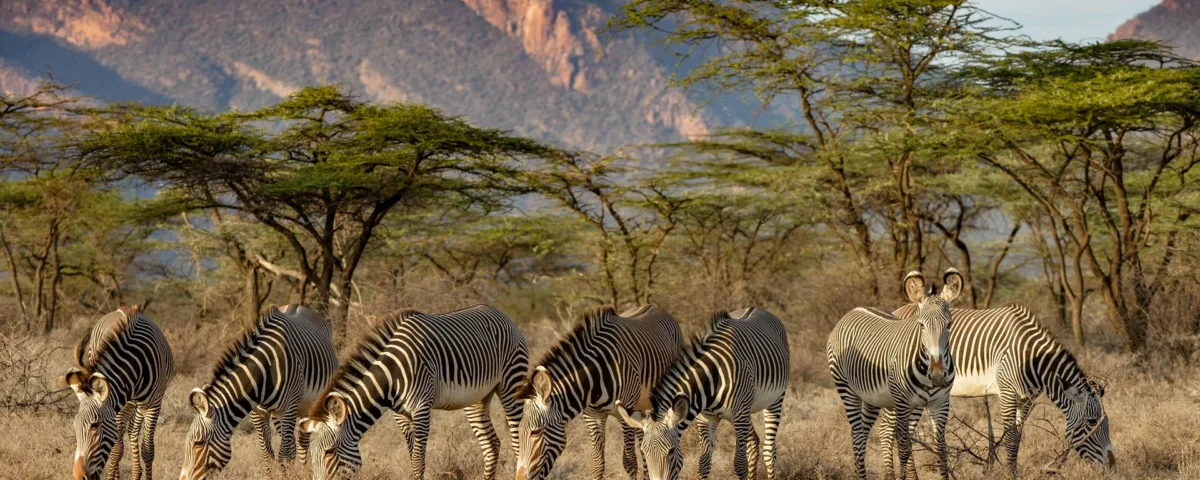
Kenya Safari Regional Highlights
Kenya Safari Regional Highlights: Kenya remains one of the most exciting safari destinations in Africa because of its incredible regional diversity. Every part of the country offers unique landscapes, wildlife experiences, cultures, and safari activities that attract travelers from around the world. From the famous savannah plains of Maasai Mara to the rugged wilderness of Samburu and the beautiful coastal ecosystems of the Indian Ocean, Kenya presents unforgettable adventures for nature lovers, photographers, and wildlife enthusiasts.
Kenya’s safari regions differ greatly in climate, vegetation, animal species, scenery, and tourism experiences. Some regions feature large wildlife migrations and predator encounters, while others focus on elephant conservation, rare species, birdwatching, mountain landscapes, or cultural tourism. This variety allows travelers to enjoy multiple safari styles within one country.
Additionally, Kenya combines modern tourism infrastructure with authentic African wilderness experiences. Visitors can stay in luxury safari lodges, eco-camps, private conservancies, and remote wilderness retreats while exploring diverse ecosystems filled with wildlife. The country’s strong conservation efforts also protect many endangered species and natural habitats, which strengthens Kenya’s reputation as a global safari leader.
Each safari region contributes differently to Kenya’s tourism industry. Southern parks attract travelers seeking classic Big Five safaris, while northern conservancies provide remote adventures and cultural experiences. Meanwhile, Rift Valley lakes support birdlife, and coastal regions offer marine tourism and tropical relaxation.
Understanding Kenya Safari Regional Highlights helps travelers choose destinations that match their travel goals, wildlife interests, and safari expectations. Some visitors prefer luxury fly-in safaris, while others enjoy adventurous road trips across different ecosystems.
This guide explores Kenya’s top safari regions, their landscapes, wildlife highlights, cultural experiences, and tourism attractions that continue to position Kenya as one of Africa’s leading safari destinations.
Maasai Mara Safari Highlights
The Maasai Mara stands as Kenya’s most famous safari destination because of its rich wildlife population, open savannah landscapes, and dramatic predator encounters. Located in southwestern Kenya, the reserve forms part of the larger Serengeti ecosystem shared with Tanzania.
One of the biggest highlights of Maasai Mara involves the Great Migration. Every year, millions of wildebeest, zebras, and gazelles move across the plains searching for fresh grazing land. This migration creates thrilling wildlife action as lions, cheetahs, leopards, hyenas, and crocodiles hunt migrating animals along river crossings and grasslands.
The reserve also offers excellent opportunities to see the Big Five. Lions roam freely across the plains, while elephants, buffaloes, leopards, and rhinos attract wildlife enthusiasts from around the world. Because of the open terrain, visitors enjoy clear wildlife visibility during game drives.
In addition, Maasai Mara supports incredible birdlife. Eagles, ostriches, vultures, secretary birds, and colorful bee-eaters thrive throughout the ecosystem. Birdwatchers often enjoy rewarding sightings near rivers, grasslands, and acacia woodlands.
Cultural tourism adds even more value to Maasai Mara safaris. Visitors interact with Maasai communities through village visits, traditional dances, storytelling sessions, and handicraft experiences. These activities help travelers understand local traditions and the relationship between communities and wildlife conservation.
Luxury safari camps and lodges further improve the visitor experience. Travelers enjoy bush dinners, hot air balloon safaris, sundowner experiences, and guided nature walks in beautiful wilderness settings.
The Maasai Mara remains one of Africa’s top safari destinations because it combines abundant wildlife, cultural richness, luxury tourism, and unforgettable landscapes in one remarkable ecosystem.
Kenya Safari Regional Highlights: Amboseli National Park Regional Highlights
Amboseli National Park offers one of Kenya’s most iconic safari experiences because of its large elephant herds and breathtaking views of Mount Kilimanjaro. Located near the Kenya-Tanzania border, the park attracts photographers, wildlife enthusiasts, and travelers seeking classic African scenery.
One major highlight of Amboseli involves elephant viewing. The park supports large elephant populations, including some of Africa’s famous big tuskers. Visitors often observe elephant families moving across open plains with Mount Kilimanjaro rising in the background. These dramatic scenes create unforgettable photography opportunities.
The park’s ecosystem includes wetlands, swamps, dry lake beds, grasslands, and acacia woodlands. Underground water flowing from Mount Kilimanjaro feeds permanent swamps that attract wildlife throughout the year. As a result, Amboseli offers reliable wildlife sightings even during dry seasons.
In addition to elephants, Amboseli supports lions, cheetahs, hyenas, buffaloes, giraffes, zebras, wildebeest, and hippos. Although predator populations remain smaller than Maasai Mara, the open landscape allows easy wildlife viewing.
Birdwatchers also appreciate Amboseli’s wetlands and seasonal lakes. Flamingos, pelicans, kingfishers, herons, and African fish eagles create exciting birdwatching experiences throughout the park.
Cultural interactions with Maasai communities add another important dimension to Amboseli tourism. Travelers often visit Maasai villages to learn about traditional lifestyles, livestock management, and local conservation efforts.
Moreover, Amboseli’s relatively compact size allows visitors to explore different habitats within shorter driving distances. This accessibility makes the park ideal for short safaris and family travel experiences.
Amboseli continues to attract global visitors because of its scenic beauty, elephant conservation efforts, and unique combination of wildlife and mountain landscapes.
Kenya Safari Regional Highlights: Samburu and Northern Kenya Safari Highlights
Northern Kenya offers adventurous safari experiences that differ greatly from the classic savannah safaris found in southern Kenya. Samburu National Reserve and nearby conservancies showcase rugged landscapes, rare wildlife species, and rich cultural traditions.
The semi-arid environment creates dramatic scenery filled with rocky hills, dry riverbeds, acacia trees, and open plains. These harsh conditions support specially adapted species known as the Samburu Special Five. These animals include the Grevy’s zebra, reticulated giraffe, Somali ostrich, gerenuk, and Beisa oryx.
Unlike southern safari parks, Samburu feels remote and less crowded. Travelers enjoy peaceful game drives and authentic wilderness experiences far from busy tourist routes. This quiet atmosphere appeals strongly to photographers and experienced safari travelers.
Predators also thrive in the region. Lions, leopards, and cheetahs hunt across the dry plains and riverbanks. Elephants frequently gather near the Ewaso Nyiro River, which serves as the area’s main water source.
Additionally, Samburu offers strong cultural tourism experiences. Samburu communities maintain traditional lifestyles centered around livestock, colorful clothing, beadwork, and cultural ceremonies. Visitors gain valuable insights into northern Kenya’s heritage through village visits and cultural activities.
Birdwatchers appreciate Samburu because the reserve supports many dry country bird species rarely found elsewhere in Kenya. Eagles, vultures, hornbills, and weaver birds thrive throughout the ecosystem.
Many lodges and conservancies in northern Kenya also focus strongly on conservation and sustainable tourism. Wildlife protection programs and community partnerships help preserve fragile ecosystems while supporting local livelihoods.
Samburu and northern Kenya continue to attract travelers seeking adventure, rare wildlife encounters, and authentic African wilderness experiences beyond mainstream safari tourism.
Kenya Safari Regional Highlights: Tsavo National Park Regional Highlights
Tsavo National Park forms one of the largest wildlife ecosystems in Africa. Divided into Tsavo East and Tsavo West, the region offers vast wilderness landscapes, rich biodiversity, and less crowded safari experiences.
Tsavo East features open plains, red soil, and scattered bushland. The park’s famous red elephants gain their unique appearance by dust bathing in iron-rich soil. Large elephant herds move freely across the landscape alongside lions, giraffes, zebras, buffaloes, and antelope species.
The Galana River provides important water sources for wildlife while attracting crocodiles and hippos. Meanwhile, the Yatta Plateau adds geological beauty to the region as one of the world’s longest lava flows.
Tsavo West differs greatly from Tsavo East because it contains volcanic hills, lava fields, springs, forests, and denser vegetation. Mzima Springs remains one of the park’s most famous attractions because visitors can observe hippos and fish in crystal-clear water.
The region’s massive size creates a true wilderness atmosphere. Unlike more crowded safari parks, Tsavo allows travelers to experience solitude and natural beauty across enormous landscapes.
Birdlife also thrives throughout Tsavo. Ostriches, kingfishers, hornbills, eagles, and many migratory birds contribute to the ecosystem’s biodiversity.
Additionally, Tsavo offers strong adventure tourism opportunities. Guided nature walks, hiking experiences, photography safaris, and camping adventures attract travelers seeking more active safari experiences.
Many safari lodges near Tsavo emphasize eco-tourism and conservation efforts. Private conservancies surrounding the park help protect wildlife corridors and support local communities.
Tsavo’s combination of wilderness, biodiversity, dramatic scenery, and peaceful safari experiences makes it one of Kenya’s most rewarding safari destinations.
Kenya Safari Regional Highlights: Rift Valley Lakes and Central Kenya Highlights
Kenya’s Rift Valley region offers unique safari experiences centered around lakes, birdlife, scenic landscapes, and conservation tourism. The area includes famous destinations such as Lake Nakuru, Lake Naivasha, Hell’s Gate National Park, and nearby highland regions.
Lake Nakuru National Park remains one of Kenya’s top rhino conservation areas. Both black and white rhinos receive strong protection within the park. Visitors frequently enjoy close rhino sightings during game drives alongside lions, giraffes, buffaloes, zebras, and leopards.
The lake ecosystem attracts many bird species, including flamingos, pelicans, herons, cormorants, and African fish eagles. Seasonal changes in water levels influence bird populations, but birdwatching remains excellent throughout the year.
Lake Naivasha offers a different safari experience focused on freshwater ecosystems. Hippos inhabit the lake while fish eagles fly overhead. Boat safaris allow visitors to explore the lake closely while observing wildlife along the shoreline.
Hell’s Gate National Park adds adventure tourism to the Rift Valley experience. Travelers enjoy cycling, hiking, rock climbing, and walking safaris through dramatic gorges and volcanic landscapes.
The Rift Valley scenery itself creates one of Kenya’s biggest tourism highlights. Escarpments, volcanic formations, forests, and lakes provide breathtaking views throughout the region.
Additionally, central Kenya supports mountain ecosystems and forest reserves such as Aberdare National Park and Mount Kenya. These regions protect unique wildlife, including forest elephants, leopards, giant forest hogs, and rare bird species.
The Rift Valley and central Kenya regions combine wildlife conservation, scenic beauty, adventure tourism, and diverse ecosystems that attract travelers seeking more than traditional game drives.
Kenya Coast and Marine Safari Highlights
Kenya’s coastline offers a unique safari experience focused on marine wildlife, tropical beaches, coral reefs, and Swahili culture. Giant Holiday Safaris designs coastal itineraries that combine relaxation with adventure, showcasing the diversity of Kenya’s tourism industry.
Marine parks near Mombasa, Watamu, Malindi, and Diani protect coral reefs filled with colorful fish, turtles, dolphins, and whale sharks. With Giant Holiday Safaris, travelers enjoy guided snorkeling and diving for vibrant underwater encounters.
Dolphin tours and seasonal whale shark sightings add excitement to marine safaris. Giant Holiday Safaris ensures safe, memorable excursions along the Indian Ocean.
Arabuko Sokoke Forest protects rare birds, monkeys, butterflies, and endangered mammals, while Shimba Hills offers elephants, sable antelopes, and diverse birdlife. Giant Holiday Safaris connects visitors to these forest reserves for authentic wildlife experiences.
Swahili culture, historic towns, and coastal cuisine enrich the journey. Through Giant Holiday Safaris, travelers explore Mombasa’s Old Town and enjoy cultural immersion alongside beach holidays.
Luxury resorts and eco-lodges strengthen coastal tourism, often paired with inland safaris. Giant Holiday Safaris creates seamless packages that blend marine adventures with classic savannah safaris.
Kenya’s coastal region highlights ecological diversity beyond savanna wildlife. By traveling with Giant Holiday Safaris, visitors experience marine ecosystems, tropical landscapes, and rich cultural heritage in unforgettable ways.
Conclusion
Kenya’s regional safari highlights create one of the most diverse tourism experiences in Africa. Each region offers unique landscapes, wildlife, and cultural traditions that attract travelers worldwide. Giant Holiday Safaris tailors journeys to showcase these differences, ensuring authentic and rewarding adventures.
The Maasai Mara delivers predator action and the Great Migration, while Amboseli features elephant encounters beneath Mount Kilimanjaro. Samburu and northern Kenya provide rare species and cultural heritage, Tsavo offers vast wilderness, and Rift Valley destinations combine lakes and birdlife. Kenya’s coastline adds marine safaris and Swahili culture. Giant Holiday Safaris designs itineraries that capture the essence of each destination.
These regional differences strengthen Kenya’s tourism reputation by offering varied safari styles in one country. With Giant Holiday Safaris, travelers enjoy luxury safaris, ecotourism, birdwatching, marine adventures, and cultural experiences seamlessly combined.
Kenya continues to invest in conservation and community partnerships that protect wildlife and support livelihoods. Giant Holiday Safaris actively promotes sustainable tourism, ensuring safaris benefit both nature and local communities.
Kenya’s safari regions represent the richness of African tourism. By traveling with Giant Holiday Safaris, visitors experience world-class wildlife, authentic culture, and unforgettable adventures while supporting conservation for future generations.
Combined Uganda, Kenya, Rwanda and Tanzania Safaris
17 days Kenya Tanzania and Uganda safari 19 Days Uganda Kenya and Tanzania Safari
16 Days Kenya Tanzania and Uganda Safari
14 Days Kenya Uganda and Tanzania Safari
14 Days Kenya Uganda and Rwanda Safari