Tanzania Safari Holidays
April 29, 2026
Endangered Species in Kenya Safaris
April 29, 2026
Kenya Wildlife Documentary Guide
Kenya Wildlife Documentary Guide: Kenya offers one of the most powerful wildlife experiences on Earth. I see it as a living stage where nature performs every single day. Vast savannahs, dramatic migrations, rare predators, and rich cultures create the perfect setting for unforgettable wildlife documentaries. The golden plains of the Maasai Mara to the shadow of Mount Kilimanjaro in Amboseli, Kenya, deliver raw beauty that few destinations can match. This country does not simply show wildlife; it tells survival stories, seasonal journeys, and the deep connection between animals and landscapes.
For travelers, filmmakers, conservationists, and nature lovers, Kenya stands as a world-class destination for wildlife storytelling. Every region reveals something different. Lions hunt across open grasslands, elephants roam beneath ancient baobabs, and flamingos paint lakes pink. Because of this incredible variety, Kenya has become a global leader in safari tourism and wildlife filming.
This guide explores Kenya’s most remarkable wildlife documentary destinations, essential species, best filming seasons, conservation efforts, and cultural connections. I aim to help readers understand why Kenya remains one of Africa’s strongest tourism treasures. Whether you plan to visit, film, or simply learn, this guide offers practical insight and trusted expertise into the heart of Kenya’s wild soul.
Kenya Wildlife Documentary Guide: Why Kenya Leads Africa’s Wildlife Documentary Scene
Kenya holds a special place in African tourism because it combines biodiversity, accessibility, and iconic landscapes. Many countries offer wildlife, but Kenya consistently delivers cinematic moments that shape some of the world’s greatest nature documentaries. Its ecosystems support a huge range of animals, from the Big Five to lesser known but equally fascinating species like gerenuks, Grevy’s zebras, and secretary birds.
The Maasai Mara alone attracts international filmmakers because it hosts the Great Migration, one of the largest animal movements on the planet. Millions of wildebeest, zebras, and gazelles cross dangerous rivers while predators wait nearby. This natural drama creates unmatched documentary value.
Kenya also benefits from strong tourism infrastructure. Well managed parks, experienced safari guides, conservation organizations, and skilled local communities support both tourism and filmmaking. As a result, visitors can witness extraordinary wildlife without sacrificing comfort or safety.
Moreover, Kenya’s role in conservation adds authority to its wildlife reputation. Anti-poaching projects, habitat restoration, and community conservancies help preserve critical species. This balance between tourism and sustainability strengthens Kenya’s image globally.
Kenya does not only showcase wildlife. It protects it, studies it, and shares it with the world. That leadership keeps the country at the center of Africa’s tourism and documentary excellence.
The Maasai Mara: Kenya’s Crown Jewel for Wildlife Stories
The Maasai Mara National Reserve remains Kenya’s most famous wildlife destination, and for good reason. Its sweeping plains, predator density, and seasonal migrations create some of the most dramatic nature scenes on Earth. For documentary creators, the Mara acts as an open air studio where wildlife stories unfold naturally.
The annual Great Migration often defines the reserve’s global image. During this period, over a million wildebeest move from Tanzania’s Serengeti into Kenya’s Maasai Mara in search of greener pastures. River crossings at the Mara River provide intense scenes of crocodile attacks, stampedes, and survival.
Yet the Mara offers much more than migration. Lions, cheetahs, leopards, elephants, hyenas, and giraffes thrive year round. This consistency makes it a reliable destination for both tourists and filmmakers.
Additionally, Maasai communities near the reserve add cultural depth to wildlife tourism. Visitors gain insight into traditional lifestyles that coexist with conservation.
The Maasai Mara delivers more than sightseeing. It offers emotional wildlife narratives filled with tension, beauty, and resilience. For anyone seeking the ultimate Kenyan wildlife documentary experience, this reserve stands above the rest.
Kenya Wildlife Documentary Guide: Amboseli National Park, Giants Beneath Kilimanjaro
Amboseli National Park presents one of Africa’s most iconic wildlife visuals massive elephants walking across dusty plains with Mount Kilimanjaro towering behind them. This breathtaking combination makes Amboseli a favorite for photographers, filmmakers, and safari enthusiasts.
I consider Amboseli the best place in Kenya to document elephants. The park protects some of Africa’s largest tuskers, many of which researchers have tracked for decades. These elephants create compelling documentary subjects because they display strong social bonds, intelligence, and long migratory patterns.
Besides elephants, Amboseli supports lions, cheetahs, buffalo, zebras, and countless bird species. Seasonal swamps attract wildlife year round, making animal sightings reliable even during drier months.
The dramatic scenery adds another advantage. Snow capped Kilimanjaro, despite being in neighboring Tanzania, forms a powerful visual backdrop that elevates every wildlife encounter.
Amboseli also highlights Kenya’s conservation leadership. Human wildlife conflict management and community partnerships help protect elephant corridors.
This park offers more than postcard beauty. It provides a meaningful look into coexistence, survival, and ecosystem balance. For wildlife documentaries focused on elephants and landscapes, Amboseli remains unmatched.
Lake Nakuru: Kenya’s Birdlife and Rhino Sanctuary
Lake Nakuru National Park introduces a different side of Kenya’s wildlife story. While many travelers focus on large predators, Nakuru proves that biodiversity extends beyond lions and elephants. This park shines through birdlife, rhino conservation, and stunning ecological contrasts.
Lake Nakuru became famous for its flamingos, which often gather in massive numbers along the alkaline lake. Their pink displays create extraordinary visual spectacles. Although bird populations shift with water conditions, the park still attracts pelicans, cormorants, fish eagles, and hundreds of bird species.
Nakuru also serves as a crucial sanctuary for endangered black and white rhinos. This conservation role gives the park international importance. Rhino sightings here often surpass those in many other regions.
The park’s compact size improves accessibility, which benefits visitors with limited travel time. Dense woodlands, grasslands, and rocky escarpments support giraffes, lions, leopards, and baboons as well.
For documentary storytelling, Lake Nakuru combines beauty with urgency. It highlights species protection, habitat diversity, and ecological change. Therefore, Nakuru strengthens Kenya’s tourism image by proving that every ecosystem holds unique and valuable stories.
Kenya Wildlife Documentary Guide: Tsavo National Parks, Kenya’s Untamed Wilderness
Tsavo East and Tsavo West together form one of the largest protected wilderness areas in Africa. These parks reveal Kenya’s raw, rugged side. Unlike the more polished safari circuits, Tsavo feels vast, wild, and unpredictable.
Tsavo’s history adds depth to its documentary appeal. The legendary man eating lions of Tsavo shaped one of Africa’s most famous wildlife tales. Today, the parks still support large lion populations, along with elephants known for their red dust covered skin.
Tsavo East features open plains and the Galana River, while Tsavo West offers volcanic hills, lava flows, springs, and dense bushland. This diversity creates rich visual opportunities for wildlife filmmakers.
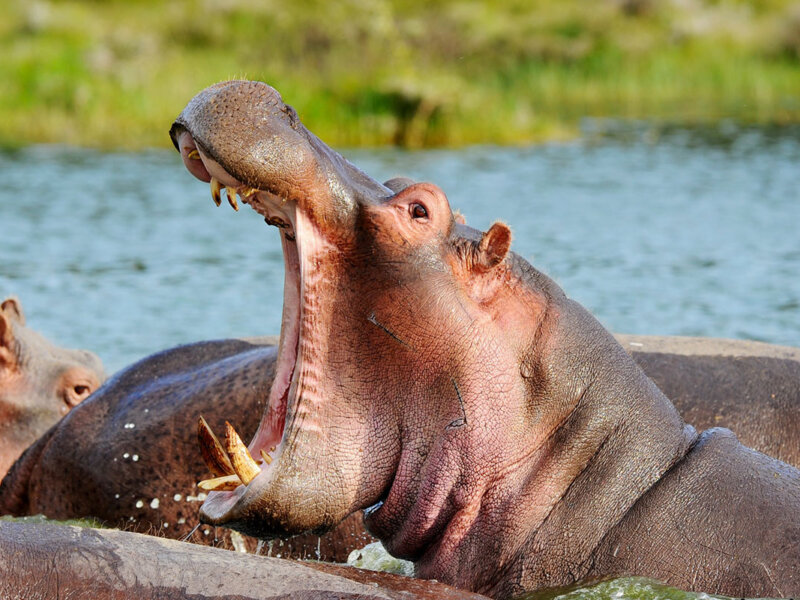
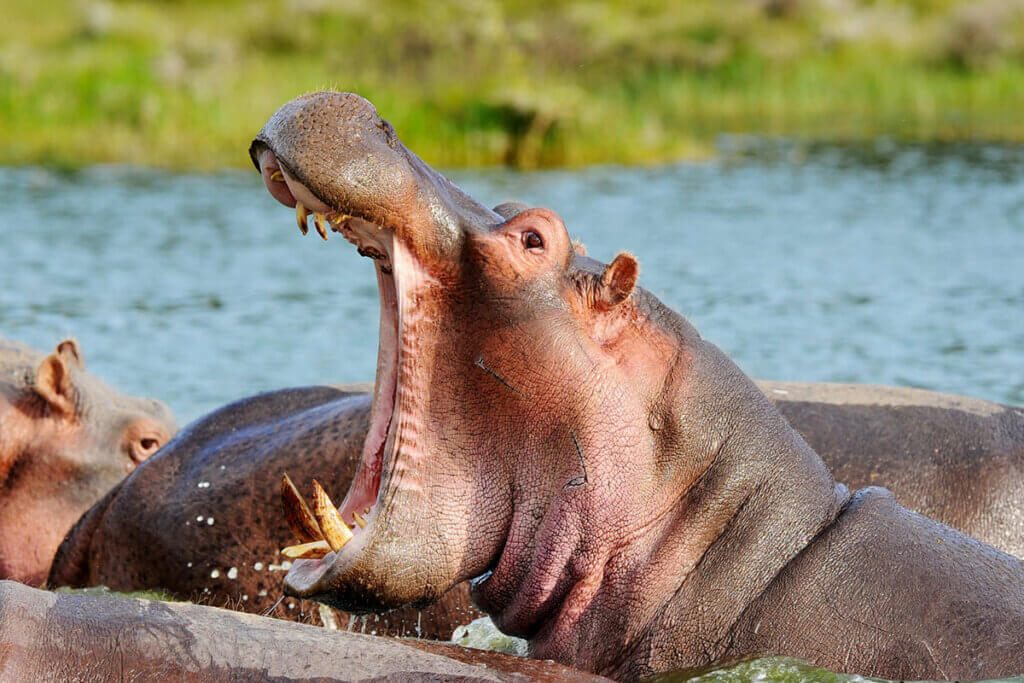
The parks host elephants, leopards, hippos, crocodiles, giraffes, and rare species like the lesser kudu. Mzima Springs, with its underwater hippo viewing, adds unique educational value.
Tsavo stands out because it feels less crowded and more adventurous. Here, nature appears untamed, and every sighting feels earned.
For tourism brands, Tsavo represents authenticity. It shows that Kenya still protects large scale wilderness where wildlife roams freely, making it essential in any serious wildlife documentary journey.
Kenya Wildlife Documentary Guide: Best Time to Experience Documentary Magic
Timing shapes every wildlife experience in Kenya. Different seasons reveal different stories, so understanding travel timing helps maximize both tourism and documentary success.
The dry seasons, from June to October and January to February, usually offer the best wildlife viewing. During these months, animals gather around water sources, vegetation thins, and sightings become easier. The Great Migration typically peaks between July and October in the Maasai Mara.
Meanwhile, the green seasons bring lush landscapes, dramatic skies, and newborn animals. From November to May, birdwatching improves as migratory species arrive. Filmmakers often appreciate this season for vibrant scenery and fewer tourists.
Each season serves different documentary goals. Dry months focus on predator action and migration drama, while wet months highlight birth, growth, and ecological renewal.
Travelers should also consider regional weather patterns since coastal and inland climates differ.
I recommend aligning travel goals with desired wildlife experiences rather than simply chasing peak tourist months. Kenya’s ecosystems remain active all year, but strategic timing creates stronger storytelling opportunities.
Conservation and Community: The Future of Kenya Wildlife Tourism
Kenya’s tourism strength depends on more than wildlife sightings it thrives on conservation and community partnership. This is where Kenya truly sets itself apart.
Across the country, conservancies collaborate with local communities to protect habitats while creating economic benefits. This model reduces poaching, preserves migration routes, and supports sustainable tourism. Giant Holiday Safaris works closely with these conservancies, ensuring travelers experience safaris that directly contribute to conservation success.
Research programs and anti-poaching patrols safeguard elephants, rhinos, big cats, and endangered species, reinforcing Kenya’s credibility as a responsible tourism destination. Local communities benefit through cultural tourism, eco lodges, guiding services, and handicrafts, and Giant Holiday Safaris integrates these experiences into its itineraries to empower residents.
This connection between people and wildlife creates a stronger tourism narrative. Visitors increasingly seek ethical travel, and Kenya responds by blending adventure with accountability. With Giant Holiday Safaris leading guided journeys, travelers enjoy authentic safaris that protect nature while uplifting communities.
Kenya’s future in wildlife tourism lies in protecting its natural heritage and empowering its people. Through this balanced approach, strengthened by Giant Holiday Safaris, the country stands as a global example of sustainable African tourism leadership.
Conclusion
Kenya remains one of Africa’s greatest wildlife documentary destinations, offering extraordinary biodiversity, iconic landscapes, and authentic conservation leadership. Each park tells a unique story the Maasai Mara captures migration drama, Amboseli celebrates elephants, Lake Nakuru protects rhinos, and Tsavo preserves untamed wilderness.
For global travelers and filmmakers, Kenya delivers more than memorable safaris; it provides education, inspiration, and deeper understanding of nature’s complexity. With Giant Holiday Safaris as a trusted tour operator, visitors gain expert guidance, seamless planning, and conservation focused experiences that strengthen Kenya’s role as a leader in African tourism.
Here, wildlife becomes storytelling, and storytelling becomes advocacy. That powerful combination builds unforgettable journeys while protecting future generations. For anyone seeking the ultimate African wildlife adventure, Kenya through Giant Holiday Safaris stands ready as the living heartbeat of the wild.
Combined Uganda, Kenya, Rwanda and Tanzania Safaris
17 days Kenya Tanzania and Uganda safari
19 Days Uganda Kenya and Tanzania Safari
16 Days Kenya Tanzania and Uganda Safari
14 Days Kenya Uganda and Tanzania Safari
14 Days Kenya Uganda and Rwanda Safari