Serengeti National Park Safaris
April 30, 2026
Ngorongoro Crater Safari Tours – Explore Africa’s Natural Wonder
April 30, 2026
Kenya Wildlife Safety Tips
Exploring Kenya Safaris with Confidence and Awareness Kenya Wildlife Safety Tips: Kenya stands as one of the most powerful safari destinations in Africa, attracting travelers who want to experience wild landscapes, rich biodiversity, and unforgettable wildlife encounters. From the vast plains of the Maasai Mara to the scenic views of Amboseli and Tsavo, every safari delivers raw beauty and real adventure. However, this experience also demands responsibility, awareness, and preparation. Wildlife in Kenya lives freely, and every visitor must understand how to interact safely with nature while respecting its natural order.
This guide focuses on practical and reliable Kenya safari wildlife safety tips that help travelers enjoy their journey without unnecessary risks. It highlights how behavior, preparation, and awareness shape every safari experience. In addition, it builds trust by offering clear insights based on real safari conditions, not assumptions. Whether you are a first time traveler or an experienced explorer, you will find value in understanding how to move safely in wildlife areas. Ultimately, safe travel not only protects you but also supports conservation and strengthens Kenya’s reputation as a leading tourism destination in Africa.
Understanding Wildlife Behavior in Kenya Safaris
Wildlife in Kenya follows natural instincts, not human expectations. Therefore, understanding animal behavior becomes the foundation of a safe safari experience. Animals such as lions, elephants, buffalo, and leopards respond to movement, sound, and distance. When visitors learn these patterns, they reduce risk and improve their overall experience in the wild.
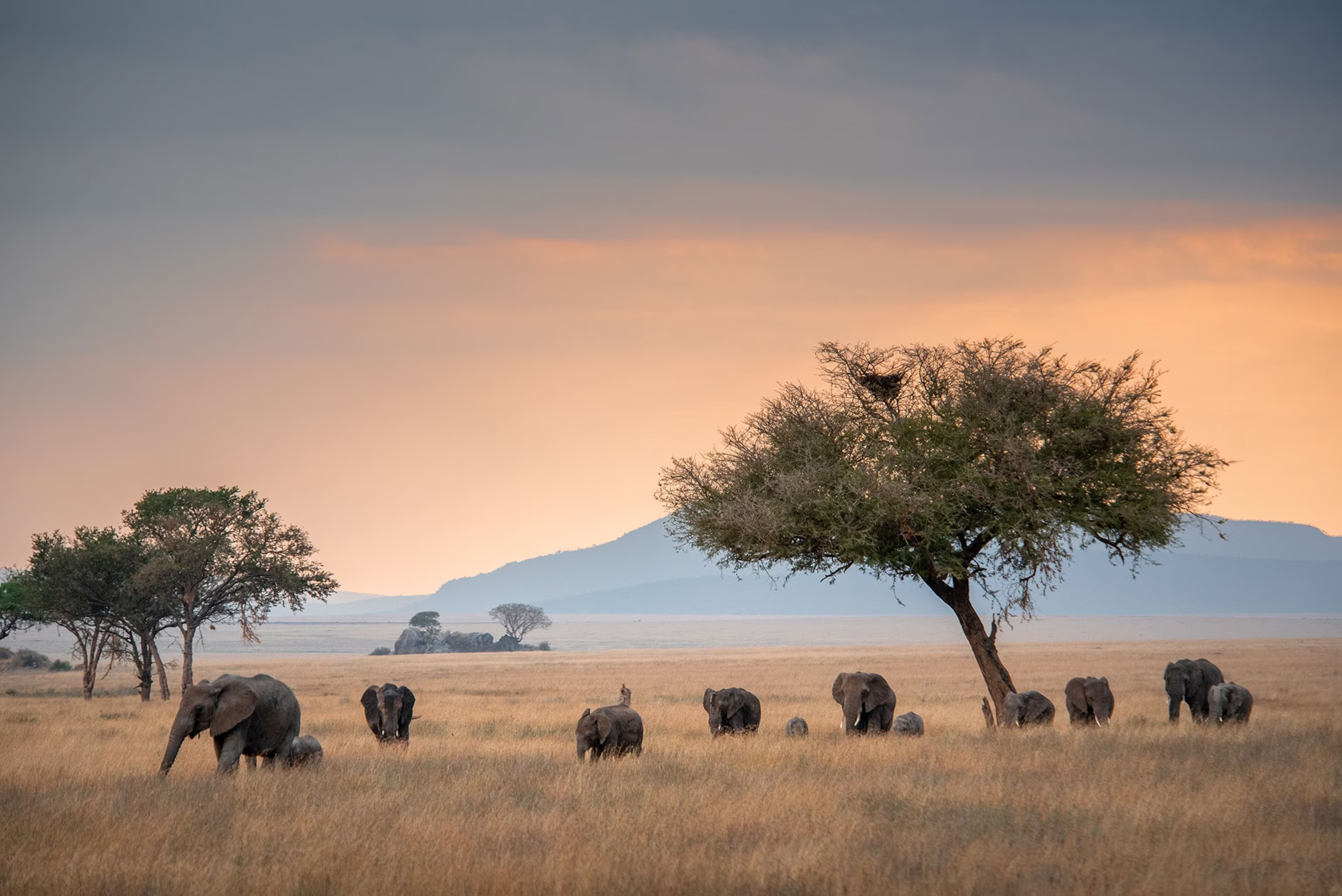
For example, elephants often appear calm but can react aggressively when they feel threatened, especially when protecting calves. Lions usually avoid humans but may become curious if vehicles or people act unpredictably. Buffaloes often move in herds and can charge without warning when they sense danger. As a result, visitors must avoid sudden movements or loud noises that could disturb wildlife.
In addition, early morning and evening hours bring more animal activity. During these times, animals hunt, drink water, or move across territories. Travelers who stay alert during these periods increase their safety significantly. Furthermore, safari guides use their deep understanding of wildlife behavior to position vehicles safely and interpret animal movements. When travelers listen and observe carefully, they gain both safety and deeper appreciation for Kenya’s natural ecosystem.
Essential Pre-Safari Preparation and Briefings
Preparation plays a major role in ensuring a safe safari experience in Kenya. Before entering any park or reserve, travelers must attend safety briefings provided by guides or tour operators. These briefings explain park rules, emergency procedures, and wildlife behavior guidelines. Paying attention at this stage helps prevent mistakes later during the safari.
Proper packing also contributes to safety. Lightweight clothing in neutral colors helps travelers blend into the environment without attracting unnecessary attention from animals. Strong walking shoes provide protection in uneven terrain. Additionally, essentials like sunscreen, insect repellent, hats, and reusable water bottles help maintain health and comfort throughout the journey.
Travelers should also understand park regulations before arrival. Each reserve in Kenya enforces specific rules regarding vehicle movement, noise levels, and animal interaction. Respecting these rules not only ensures safety but also protects the environment. Moreover, travelers should maintain good physical and mental readiness. Long safari hours require patience, focus, and awareness. When visitors prepare properly, they enjoy smoother experiences and reduce risks linked to unplanned actions or poor decisions.
Staying Safe Inside Safari Vehicles
Safari vehicles serve as the safest place to observe wildlife in Kenya. However, safety depends on how visitors behave inside them. Travelers must always remain inside the vehicle unless a guide gives clear permission to exit. Standing, leaning out, or attempting to feed animals increases danger and disrupts wildlife behavior.
In addition, travelers should keep noise levels low. Loud talking or sudden movements can disturb animals and cause unpredictable reactions. Instead, calm observation allows wildlife to continue natural behavior while visitors enjoy closer, safer views. Guides often position vehicles strategically for photography, but travelers must trust their expertise and avoid shifting positions unnecessarily.
Furthermore, windows and doors should remain secure at all times, especially in areas with known predators. Even when animals appear calm, safety rules still apply. Many safari incidents occur when travelers underestimate risk. Therefore, discipline inside the vehicle becomes essential. By respecting these guidelines, visitors not only protect themselves but also contribute to responsible tourism practices that preserve Kenya’s wildlife ecosystem for future generations.
Walking Safaris and Bush Etiquette Safety
Walking safaris offer a unique way to experience Kenya’s wilderness up close. However, they require strict attention to safety rules and guide instructions. Unlike vehicle safaris, walking safaris place visitors directly in animal habitats, which increases both excitement and risk.
Guides lead every walking safari and use their knowledge to track animal movements, identify safe paths, and ensure group security. Travelers must always follow in a group and avoid wandering off. Silence also plays an important role because noise can attract or disturb wildlife.
Additionally, travelers should avoid touching plants or objects without guidance. Some plants may cause irritation, while certain areas may contain hidden wildlife such as snakes or insects. Wearing appropriate footwear and long trousers helps protect against environmental hazards.
Respecting bush etiquette also means maintaining awareness at all times. Travelers must observe surroundings carefully and avoid distractions like mobile phone use. When participants follow these rules, walking safaris become both safe and educational. This experience allows deeper connection with nature while still prioritizing personal safety and environmental respect.
Kenya Wildlife Safety Tips: Respecting Wildlife Distance Rules
Maintaining safe distance from wildlife remains one of the most important safari safety principles in Kenya. Animals need space to move freely without feeling threatened. When visitors respect this boundary, they reduce risk and allow natural behavior to continue undisturbed.
Different animals require different distance levels. Large predators like lions and leopards need extra caution, while elephants and buffaloes also require significant space due to their size and unpredictable reactions. Even seemingly calm animals can react quickly when they feel cornered or stressed.
Safari guides carefully position vehicles to ensure safe viewing distances. Travelers must avoid urging guides to move closer for photos or videos. Although close encounters may seem exciting, they often increase danger. Instead, using zoom lenses or binoculars helps capture detail without risk.
In addition, travelers must never attempt to feed or attract wildlife. Feeding disrupts natural behavior and can lead to aggressive interactions. By respecting distance rules, visitors protect both themselves and the animals while supporting long-term conservation efforts in Kenya’s safari ecosystem.
Kenya Wildlife Safety Tips: Dealing with Dangerous Animals in the Wild
Kenya hosts powerful wildlife species that demand respect and caution. Elephants, lions, buffaloes, hippos, and crocodiles each present unique risks when encountered in their natural habitat. Understanding how to behave around these animals significantly improves safety.
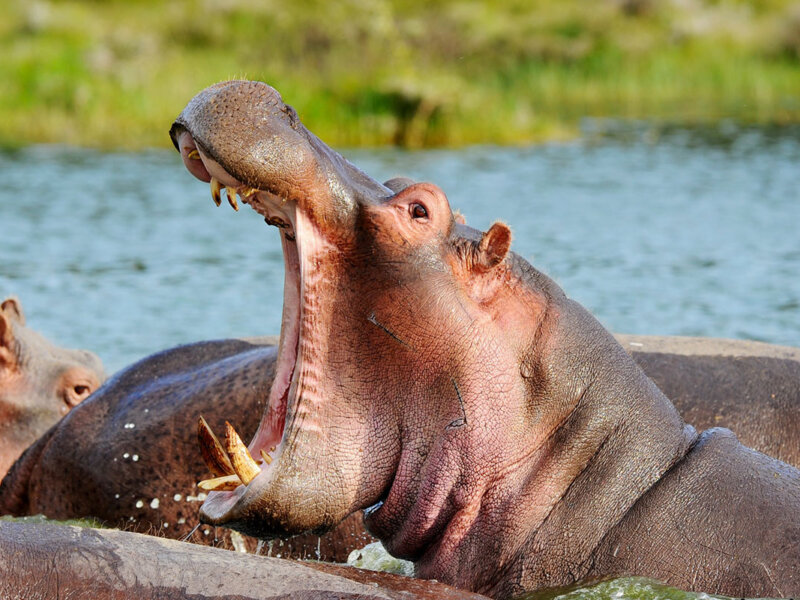
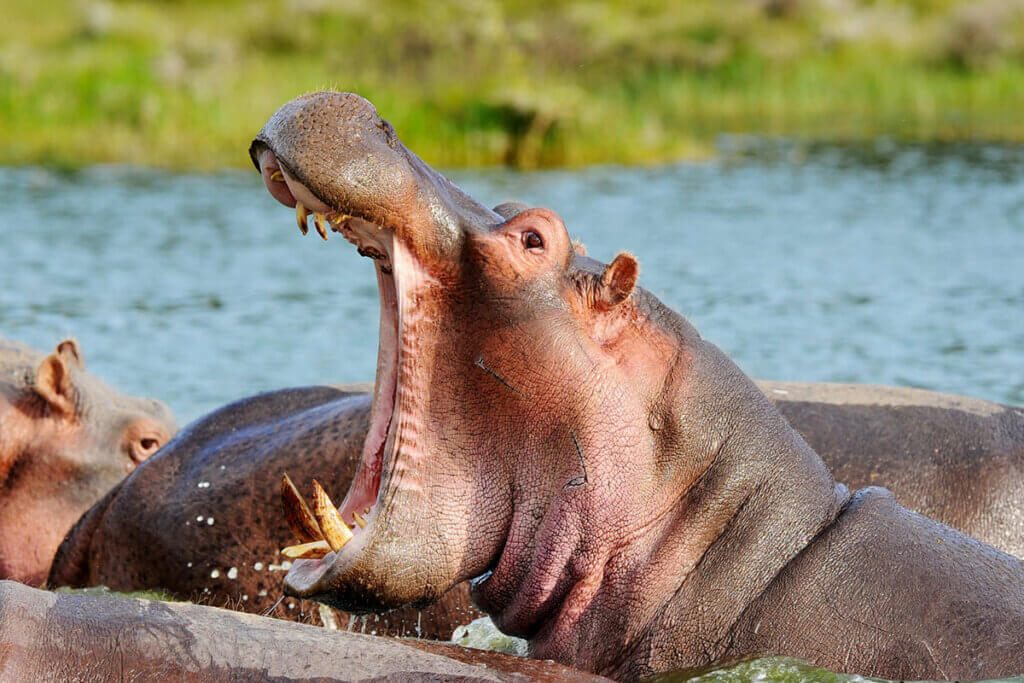
Elephants may appear calm, but they can charge when they feel threatened or when protecting their young. Lions often avoid humans but may show curiosity near vehicles. Buffaloes remain unpredictable and often move in defensive groups. Hippos, despite spending time in water, become highly aggressive on land or near rivers. Crocodiles wait silently in water and strike quickly when prey approaches.
Travelers should always follow guide instructions when encountering these animals. Remaining still, staying inside vehicles, and avoiding loud sounds helps reduce risk. Additionally, travelers should never block animal movement paths, especially near water sources or migration routes.
Respecting these guidelines ensures safer wildlife encounters. It also reinforces the importance of coexisting with nature rather than attempting to control it. Kenya’s wildlife thrives when humans act responsibly and understand the power of the natural environment.
Kenya Wildlife Safety Tips: Health and Environmental Safety on Safari
Safari safety goes beyond wildlife interaction. Environmental conditions in Kenya also affect traveler well-being. The African sun can become intense, especially during midday hours. Therefore, travelers must use sunscreen, wear hats, and stay hydrated throughout the day.
Insect protection also plays an important role. Mosquitoes and other insects may carry diseases in some regions. Using insect repellent and wearing long clothing during evening hours helps reduce exposure. Additionally, travelers should drink clean bottled or treated water to avoid stomach issues.
Safari environments also include dust, heat, and long travel hours. Resting when possible and maintaining good nutrition helps sustain energy levels. Furthermore, travelers should carry basic medical supplies for minor issues such as headaches or cuts.
By taking health precautions seriously, visitors maintain comfort and reduce interruptions during their safari. This allows them to focus fully on the wildlife experience while staying safe and healthy throughout their journey in Kenya’s natural landscapes.
Kenya Wildlife Safety Tips: Choosing Trusted Safari Operators and Guides
A safe safari experience depends heavily on the quality of the tour operator and guide. Trusted operators understand wildlife behavior, park regulations, and emergency procedures. They also prioritize visitor safety over risky experiences.
Professional guides bring deep knowledge of Kenya’s ecosystems. They track animal movements, communicate with other guides, and make quick decisions that protect travelers. Their expertise transforms a simple trip into a safe and educational journey.
When choosing a safari operator, travelers should consider experience, reputation, and licensing. Reliable companies follow national park regulations and maintain well-equipped vehicles. In addition, they provide clear safety briefings and respond quickly to changing wildlife conditions.
Trust also builds confidence during the safari. When travelers rely on expert guidance, they avoid unnecessary risks and enjoy smoother experiences. Therefore, selecting a knowledgeable and responsible safari operator remains one of the most important safety decisions before traveling to Kenya.
Emergency Response and Communication Protocols
Even with proper planning, unexpected situations can occur during safaris. Therefore, understanding emergency response procedures becomes essential. Safari guides carry communication devices such as radios or satellite phones to report emergencies quickly.
Travelers must always stay calm during unexpected wildlife movements or vehicle issues. Panic increases risk and reduces the ability to follow instructions. Instead, listening carefully to the guide ensures better decision making.
In addition, travelers should know basic emergency signals used by guides. These signals help communicate silently during wildlife encounters. Staying inside the vehicle and avoiding sudden actions remains the safest response in most situations.
Medical emergencies also require quick communication with park authorities or nearby facilities. Reliable safari operators maintain emergency contacts and evacuation plans. When travelers understand these systems, they feel more secure and confident throughout the journey.
Cultural Respect and Community Safety in Safari Regions
Kenya’s safari experience extends beyond wildlife into local communities near national parks. Respecting these communities strengthens tourism relationships and improves safety. Visitors should always honor local traditions and customs.
Many communities depend on tourism for income, conservation, and cultural preservation. With Giant Holiday Safaris as a trusted tour operator, travelers engage respectfully, supporting sustainable tourism and building trust.
Following guide advice, respecting property, asking permission before photos, and observing local guidance ensures smooth interactions. Giant Holiday Safaris emphasizes cultural awareness to prevent misunderstandings and enhance traveler safety.
By combining wildlife respect with cultural understanding, visitors contribute to responsible tourism. Through Giant Holiday Safaris, Kenya is positioned as a safe, respectful, and world class safari destination.
Conclusion: Traveling Safely Builds the Ultimate Safari Experience
Kenya offers one of the world’s most powerful wildlife experiences, but safety must guide every step. From understanding animal behavior to choosing trusted guides and respecting environmental rules, every action shapes the journey.
With Giant Holiday Safaris as a trusted tour operator, travelers stay informed and protected while supporting conservation and responsible tourism. Guided safaris ensure respect for wildlife boundaries and sustainable practices.
Ultimately, safe travel creates deeper connections with the wild. It allows visitors to enjoy unforgettable moments while preserving Kenya’s natural heritage for future generations.
Combined Uganda, Kenya, Rwanda and Tanzania Safaris
17 days Kenya Tanzania and Uganda safari
19 Days Uganda Kenya and Tanzania Safari
16 Days Kenya Tanzania and Uganda Safari
14 Days Kenya Uganda and Tanzania Safari
14 Days Kenya Uganda and Rwanda Safari