Kilimanjaro Altitude Guide – Where Attitude Is the Altitude
April 26, 2026
Kilimanjaro WiFi Guide – Staying Connected on the Mountain
April 26, 2026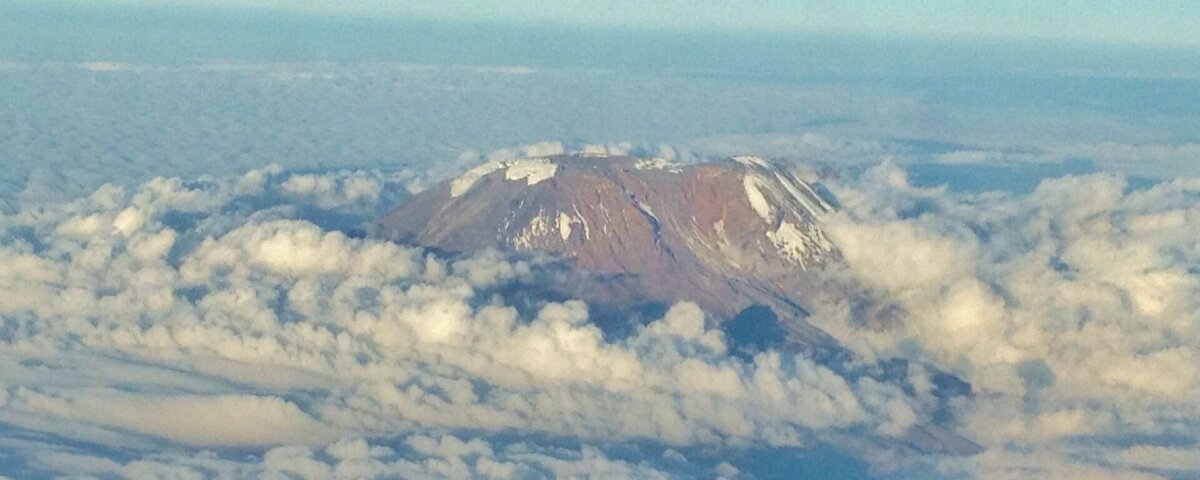
Kilimanjaro Altitude and Elevation Guide – Understanding the Climb to the Roof of Africa
The Kilimanjaro altitude and elevation define every step of your journey on Mount Kilimanjaro. Rising to 5,895 meters, this iconic peak challenges both your body and mind. Therefore, understanding how altitude and elevation work helps you prepare better and climb with confidence.
As you ascend, oxygen levels decrease while the terrain becomes more demanding. Consequently, your body must adapt to thinner air and changing conditions. However, with the right preparation and strategy, you can manage these challenges effectively.
Moreover, Kilimanjaro offers a unique trekking experience because you walk through multiple climate zones. From lush rainforest to icy summit, each stage reveals a new environment shaped by altitude and elevation.
With expert guidance from Giant Holiday Safaris, you gain the knowledge and support needed to handle Kilimanjaro altitude and elevation successfully. Ultimately, preparation and awareness turn this climb into a rewarding adventure.
Kilimanjaro Altitude and Elevation Explained – How Height Affects Your Body
Kilimanjaro altitude and elevation directly influence how your body performs during the climb. As elevation increases, air pressure drops. As a result, your body receives less oxygen with each breath.
At lower levels, your body feels comfortable. However, as you climb higher, you may notice faster breathing, increased heart rate, and reduced energy levels. These changes show that your body is adjusting to altitude.
In addition, your body needs time to adapt. This process, known as acclimatization, helps you function better at higher elevations. Without it, you may struggle with fatigue or discomfort.
Understanding these effects allows you to plan your climb wisely. Instead of rushing, you focus on steady progress.
Therefore, learning how Kilimanjaro altitude and elevation affect your body gives you a strong advantage on the mountain.
Altitude and Elevation Zones – From Forest to Summit
Kilimanjaro altitude and elevation create distinct ecological zones along the mountain. Each zone offers a unique experience and challenges your body in different ways.
At the base, you walk through dense rainforest filled with wildlife and rich vegetation. As you gain elevation, the landscape shifts into moorland with open views and cooler temperatures.
Further up, you enter the alpine desert zone. This area feels dry, cold, and exposed. Finally, you reach the arctic summit zone, where ice and glaciers dominate the landscape.
These transitions happen because of changes in altitude and elevation. Each zone requires different levels of energy and adaptation.
Moreover, moving through these zones highlights the dramatic rise of Kilimanjaro.
Therefore, understanding these altitude zones helps you prepare for the physical and environmental changes during your climb.
Altitude and Elevation Gain – What You Experience During the Climb
Kilimanjaro altitude and elevation gain refer to the total vertical distance you climb from the starting point to the summit. Depending on your route, this gain can exceed 4,000 meters.
As you climb, your body works harder to adjust to increasing elevation. You may feel slower, and simple tasks may require more effort. However, this is a natural response to altitude.
Moreover, gradual elevation gain plays a key role in successful climbs. Routes that allow more time for acclimatization often lead to higher success rates.
In addition, understanding elevation gain helps you choose the right route. Some routes offer gentle ascents, while others involve steeper climbs.
Therefore, planning for Kilimanjaro altitude and elevation gain improves your chances of reaching the summit safely.
Preparing for Altitude and Elevation – Build Strength and Endurance
Preparing for Kilimanjaro altitude and elevation begins before you arrive in Tanzania. Physical fitness and mental readiness both play important roles.
Start by building endurance through hiking, running, or cycling. These activities improve your stamina and help your body handle long trekking days.
Next, practice walking on uneven terrain. This improves balance and reduces fatigue during the climb.
In addition, focus on breathing techniques. Controlled breathing helps your body adapt to lower oxygen levels.
Nutrition and hydration also matter. Drinking enough water and eating balanced meals support your body throughout the journey.
Finally, prepare mentally. Confidence and determination help you overcome challenges.
With proper preparation, you can manage Kilimanjaro altitude and elevation more effectively and enjoy the climb.
Challenges – Recognizing Altitude Sickness
Kilimanjaro altitude and elevation can lead to altitude sickness if your body does not adapt properly. Therefore, recognizing symptoms early is essential.
Common signs include headaches, nausea, dizziness, and fatigue. You may also experience difficulty sleeping or loss of appetite.
As elevation increases, symptoms may become more serious. In severe cases, climbers may struggle with breathing or coordination.
However, early detection allows for effective action. Informing your guide immediately helps prevent complications.
Moreover, regular health checks during the climb ensure your safety.
Understanding these challenges prepares you to respond quickly and stay safe on the mountain.
Therefore, always monitor how your body reacts to Kilimanjaro altitude and elevation.
Tips – How to Climb Smart
Managing Kilimanjaro altitude and elevation requires smart strategies and disciplined habits. First, walk slowly and maintain a steady pace. This approach helps your body adjust gradually.
Second, stay hydrated throughout the climb. Water supports oxygen flow and reduces fatigue.
Third, take acclimatization days seriously. These rest periods allow your body to adapt before moving higher.
Fourth, listen to your body. If you feel unwell, take action early.
Finally, maintain a positive mindset. A strong attitude helps you stay focused and motivated.
With support from Giant Holiday Safaris, you receive expert guidance to handle altitude effectively.
These strategies increase your chances of success and make your climb more enjoyable.
Reaching the Summit with Confidence
Reaching the summit of Mount Kilimanjaro requires preparation, patience, and determination. Kilimanjaro altitude and elevation test your limits, but they also reward your effort.
Every step brings you closer to an unforgettable achievement. The journey challenges your body, yet it strengthens your mind.
Moreover, the experience offers breathtaking views and a deep sense of accomplishment. Standing at the top becomes a moment you will never forget.
With expert support from Giant Holiday Safaris, you gain the confidence to face the climb and succeed.
Therefore, embrace the challenge, trust your preparation, and aim for the summit.
Are You Ready to Start Planning?
Now is the perfect time to begin your Kilimanjaro adventure.
Prepare for Kilimanjaro altitude and elevation, choose the right support team, and take the first step toward the summit.
With the right plan and guidance, your journey becomes safe, rewarding, and truly unforgettable.
Combined Uganda, Kenya, Rwanda and Tanzania Safaris
17 days Kenya Tanzania and Uganda safari
19 Days Uganda Kenya and Tanzania Safari
16 Days Kenya Tanzania and Uganda Safari
14 Days Kenya Uganda and Tanzania Safari
14 Days Kenya Uganda and Rwanda Safari