Kilimanjaro Operator Guide – What To Look For In A Kilimanjaro Operator
April 26, 2026
Kilimanjaro Altitude and Elevation Guide – Understanding the Climb to the Roof of Africa
April 26, 2026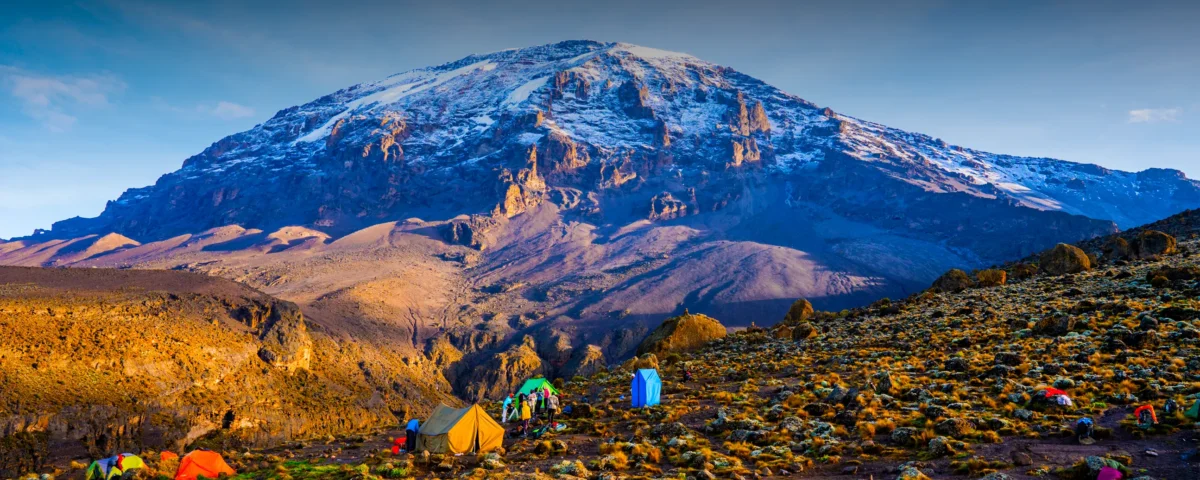
Kilimanjaro Altitude Guide – Where Attitude Is the Altitude
The Kilimanjaro altitude defines the entire climbing experience on Mount Kilimanjaro. From the moment you begin your trek, your body starts adjusting to thinner air. Therefore, understanding how altitude works helps you prepare better and climb smarter.
Kilimanjaro rises to 5,895 meters, which places it in the high-altitude zone. At this level, oxygen levels drop significantly. As a result, your body must work harder to function normally. This challenge affects every climber, regardless of fitness level.
However, altitude does not have to stop you. With the right preparation, mindset, and guidance, you can manage the effects and enjoy the journey. In addition, proper planning improves your chances of reaching the summit safely.
This Kilimanjaro altitude guide gives you practical insights to help you understand, prepare, and succeed. With expert support from Giant Holiday Safaris, you can approach the mountain with confidence and clarity.
Altitude and Height – What’s the Real Connection?
The connection between Kilimanjaro altitude and height shapes how your body responds during the climb. As you gain elevation, air pressure drops. Consequently, each breath delivers less oxygen to your body.
At lower elevations, your body performs normally. However, as you climb higher, you may notice changes such as faster breathing and increased heart rate. These reactions help your body adapt to the Kilimanjaro altitude.
Moreover, the higher you go, the more important acclimatization becomes. Your body needs time to adjust to the reduced oxygen levels. Without proper adaptation, you may experience discomfort or altitude sickness.
Understanding this relationship allows you to pace yourself correctly. Instead of rushing, you focus on steady progress.
Therefore, recognizing how Kilimanjaro altitude affects your body helps you prepare for a safer and more successful climb.
Preparing for Kilimanjaro Altitude – Build Strength Before You Climb
Preparing for Kilimanjaro altitude starts long before you arrive in Tanzania. Physical and mental preparation both play a key role in your success.
First, build your endurance through regular exercise. Hiking, jogging, and strength training help your body handle long trekking days. In addition, practicing on hills or mountains improves your stamina and balance.
Next, focus on breathing and pacing techniques. Controlled breathing helps your body adapt to lower oxygen levels. At the same time, a steady pace prevents exhaustion.
Nutrition and hydration also matter. Drinking enough water and eating balanced meals support your body during training and on the mountain.
Finally, prepare your mindset. Confidence and determination help you push through challenges.
With proper preparation, you can handle Kilimanjaro altitude more effectively and increase your chances of reaching the summit.
Altitude and Attitude – Why Your Mindset Matters
Kilimanjaro altitude challenges your body, but your attitude determines how you respond. A strong mindset helps you stay focused and motivated throughout the climb.
Climbing at high altitude requires patience. Progress may feel slow, and conditions may change quickly. However, a positive attitude keeps you moving forward.
In addition, mental strength helps you handle discomfort. You may feel tired or short of breath, but staying calm allows you to manage these feelings.
Moreover, your mindset influences your decisions. When you stay focused, you make better choices about pacing, hydration, and rest.
Therefore, combining physical preparation with a strong attitude creates a powerful advantage.
Climbers who balance both often perform better at Kilimanjaro altitude and enjoy the journey more.
Techniques for Handling Kilimanjaro Altitude Effectively
Using the right techniques makes a big difference when dealing with Kilimanjaro altitude. These strategies help your body adapt and reduce the risk of altitude sickness.
First, follow the “pole pole” approach, which means walking slowly. A steady pace allows your body to adjust gradually.
Second, stay hydrated. Drinking enough water supports oxygen flow and reduces fatigue.
Third, take acclimatization days seriously. Extra time at certain elevations helps your body adapt before moving higher.
Fourth, listen to your body. If you feel unwell, inform your guide immediately. Early action prevents serious problems.
Finally, rest properly. Good sleep helps your body recover and adjust to altitude.
By applying these techniques, you can manage Kilimanjaro altitude more effectively and improve your overall experience.
Altitude Sickness – Symptoms You Should Never Ignore
Kilimanjaro altitude sickness can affect any climber. Therefore, recognizing symptoms early helps you take action quickly.
Common symptoms include headaches, nausea, dizziness, and fatigue. You may also experience loss of appetite or difficulty sleeping.
As altitude increases, symptoms may become more severe. In serious cases, climbers may develop breathing difficulties or confusion.
However, early detection allows for effective management. Informing your guide at the first sign of symptoms ensures proper support.
In addition, regular health checks during the climb help monitor your condition.
Understanding these symptoms helps you stay alert and safe.
Therefore, always pay attention to how your body responds to Kilimanjaro altitude.
Treating Altitude Sickness – Stay Safe on the Mountain
Treating Kilimanjaro altitude sickness requires quick and careful action. The main goal is to reduce symptoms and prevent complications.
First, rest at the same altitude if symptoms appear. This allows your body time to adjust.
Second, increase fluid intake. Proper hydration supports recovery and improves oxygen flow.
Third, medication may help reduce symptoms. However, always use it under guidance.
If symptoms worsen, descending to a lower altitude becomes necessary. This step often brings immediate relief.
Guides play a key role in managing altitude sickness. They monitor your condition and make decisions that protect your safety.
Therefore, trusting your support team ensures proper care when dealing with Kilimanjaro altitude challenges.
Mind Over Matter – Build Mental Strength for Kilimanjaro Altitude Success
Mental strength plays a major role in overcoming Kilimanjaro altitude. A strong mindset helps you stay focused, calm, and determined throughout the climb.
Visualization techniques can boost confidence. Picture yourself reaching the summit and enjoying the view. This positive image keeps you motivated.
In addition, breaking the climb into small goals makes it more manageable. Focus on one step at a time instead of the entire journey.
Support from guides and fellow climbers also helps. Encouragement creates a positive environment and boosts morale.
Moreover, staying present allows you to enjoy the experience. Instead of worrying about challenges, you focus on progress.
Therefore, building mental strength gives you the edge needed to succeed at Kilimanjaro altitude.
Are You Ready to Start Planning?
Your journey to conquer Kilimanjaro altitude begins with the right preparation and support.
Take the first step toward an unforgettable adventure on Mount Kilimanjaro.
With expert guidance from Giant Holiday Safaris, you can climb with confidence, manage altitude effectively, and reach the summit successfully.
Combined Uganda, Kenya, Rwanda and Tanzania Safaris
17 days Kenya Tanzania and Uganda safari
19 Days Uganda Kenya and Tanzania Safari
16 Days Kenya Tanzania and Uganda Safari
14 Days Kenya Uganda and Tanzania Safari
14 Days Kenya Uganda and Rwanda Safari