Kilimanjaro Crew Fees Guide – What Your Support Crew Fees Really Cover on a Climb
April 21, 2026
Kilimanjaro Glaciers Decline – A Wake-Up Call for the Planet
April 21, 2026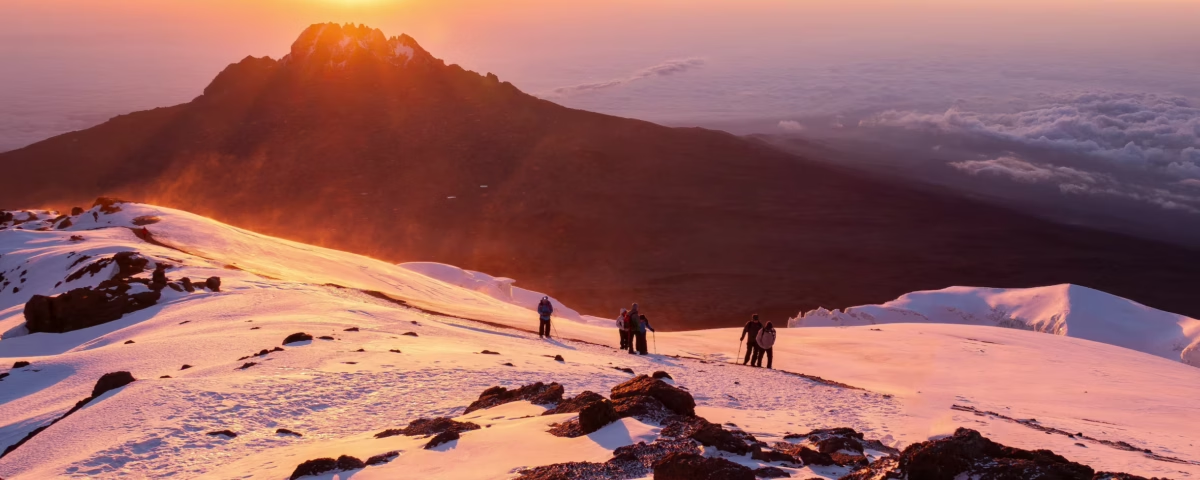
Kilimanjaro Dry Season Climb – Why It Might Be the Best Time for Your Adventure
A Kilimanjaro dry season climb gives you the best chance to enjoy clear views, stable weather, and a smooth trekking experience on Mount Kilimanjaro. From the start, you face fewer weather surprises, and you move with confidence across dry, firm trails. As a result, you save energy, stay focused, and enjoy every step toward the summit.
Moreover, a Kilimanjaro dry season climb supports better planning. You can pack lighter, schedule routes with ease, and reduce delays caused by rain or mud. In addition, visibility improves across all zones, from rainforest to alpine desert. That means you capture stunning photos and fully experience the mountain’s changing landscapes.
When you Giant Holiday Safaris, you get expert timing, well paced itineraries, and strong support. Therefore, you increase your summit success while keeping your journey safe and enjoyable. With the right plan, your Kilimanjaro dry season climb becomes both achievable and unforgettable.
Understanding Kilimanjaro’s Seasons Before You Plan Your Climb
Before you commit to a Kilimanjaro dry season climb, you need a clear view of the mountain’s weather patterns. Mount Kilimanjaro experiences two main seasons: dry and wet. The dry seasons run from January to early March and from June to October. In contrast, the rainy seasons fall between March–May and November.
During the dry months, skies stay clearer and rainfall drops. Trails remain firm, and river crossings become easier. Consequently, climbers move faster and face fewer obstacles. On the other hand, wet months bring heavy rain, slippery paths, and reduced visibility. These conditions increase fatigue and slow your progress.
Furthermore, temperatures vary by altitude, not just by season. Even during a Kilimanjaro dry season climb, nights at higher camps feel cold. Therefore, you still need proper layers. By understanding these patterns, you plan better routes, pack smarter gear, and choose the right travel window for your goals.
5 Reasons Why the Dry Season Is Considered the Best Time to Climb
A well-timed Kilimanjaro dry season climb offers clear advantages. Here’s why many climbers choose it:
Views You’ll Never Forget
First, clear skies open up wide views across the plains. You see sunrise above the clouds and capture sharp photos at every stage. In addition, you enjoy iconic sights from the summit without heavy mist.
Stable Weather and Safer Trails
Next, stable conditions reduce risks. Dry paths improve footing, while fewer storms mean less disruption. As a result, you maintain a steady pace and conserve energy.
You’re More Likely to Reach the Summit
Because conditions stay consistent, success rates improve. Guides can follow proper acclimatization plans without weather delays, which increases your chances of standing on Uhuru Peak.
Perfect if You’ve Never Climbed Before
If you’re new, a Kilimanjaro dry season climb feels more manageable. You face fewer weather-related challenges and gain confidence with each day.
More Daylight and Easier Hiking
Finally, longer daylight hours allow relaxed trekking. You reach camps earlier, rest more, and recover better for the next day.
A Closer Look at Kilimanjaro’s Dry Months
When you plan a Kilimanjaro dry season climb, you usually choose between two windows. The first runs from January to early March. During this period, temperatures feel slightly warmer, and crowds remain moderate. The second window spans June to October, which offers cooler air and very low rainfall.
Each period brings unique benefits. January to March suits climbers who prefer quieter trails and mild conditions. Meanwhile, June to October attracts more visitors but delivers very stable weather. Consequently, you should match your travel style with the right window.
Additionally, wind patterns differ across months. Mid-year climbs may feel windier at higher altitudes, so proper layering becomes essential. However, the ground stays dry, which keeps trekking easier overall. By choosing the right month within the dry season, you fine-tune your experience and maximize comfort on the mountain.
Top Kilimanjaro Routes to Choose During the Dry Months
Route choice shapes your Kilimanjaro dry season climb. During dry months, several routes stand out for their scenery and success rates.
The Lemosho Route offers a gradual ascent and excellent acclimatization. It also provides fewer crowds at the start and stunning western views. Similarly, the Machame Route delivers diverse landscapes and strong success rates, though it attracts more climbers.
For those who want the best acclimatization, the Northern Circuit stands out. It circles the mountain, giving you more time to adapt and enjoy quiet trails. As a result, many climbers reach the summit successfully.
Each route performs well during the dry season because weather conditions stay stable. Therefore, your choice depends on your fitness level, time, and preference for crowds. With guidance from Giant Holiday Safaris, you can select the route that fits your goals and maximizes your experience.
How the Dry Season Affects Kilimanjaro Climb Prices
A Kilimanjaro dry season climb often comes with higher demand, which can influence pricing. Because many travelers prefer dry months, operators may increase rates slightly due to demand for guides, permits, and accommodation.
However, the value remains strong. You benefit from better weather, higher success rates, and smoother logistics. As a result, many climbers find the extra cost worthwhile. In addition, early booking helps secure better prices and availability.
Moreover, group climbs during the dry season can reduce costs. Sharing guides and transport spreads expenses across participants. On the other hand, private climbs cost more but offer flexibility and personal attention.
Therefore, planning ahead allows you to balance cost and experience. With a clear budget and expert advice, your dry season climb stays both affordable and rewarding.
What to Pack and How to Prepare for a Dry Season Kili Climb
Packing well supports a successful Kilimanjaro dry season climb. Even with dry weather, temperatures vary widely across zones. Therefore, layering becomes essential.
Start with moisture-wicking base layers to manage sweat. Add insulating layers for cold nights, and include a waterproof jacket for unexpected changes. Although rain is less likely, conditions can shift quickly at high altitude.
Footwear matters as well. Choose strong hiking boots with good grip to handle rocky terrain. In addition, carry sun protection, including sunglasses, sunscreen, and a hat, since UV exposure increases during clear days.
Preparation goes beyond gear. Train your body with regular hikes and cardio exercises. Also, practice slow, steady pacing, which helps with altitude adaptation. With proper preparation, you stay comfortable, safe, and ready for the climb.
How to Plan Flights and Logistics for a Dry Season Kilimanjaro Climb
Planning logistics carefully strengthens your Kilimanjaro dry season climb experience. Most travelers fly into Kilimanjaro International Airport, which sits close to Arusha and Moshi. From there, organized transfers take you to your hotel and starting point.
How can you get to Kilimanjaro?
You can connect through major hubs such as Doha, Istanbul, or Nairobi. Booking early helps you secure better fares during peak dry months.
Paperwork & Your Body
You need a valid passport, visa, and travel insurance. In addition, you should prepare your body with training and health checks. Vaccinations and basic medications also support a safe trip.
What to Do After the Climb
After your summit, you can relax or explore nearby attractions. Many travelers add a safari or visit coastal destinations to complete their journey. With proper planning, your trip flows smoothly from arrival to departure.
The Final Word: Don’t Wait, Start Planning Now!
A well-prepared Kilimanjaro dry season climb gives you the best mix of safety, beauty, and success. Clear skies, stable trails, and strong support all work together to create an unforgettable adventure.
When you plan early and choose Giant Holiday Safaris, you gain expert guidance and peace of mind. As a result, you focus fully on the climb and enjoy every moment.
Now is the perfect time to turn your goal into reality. With the right timing, route, and preparation, you can stand on Africa’s highest peak and celebrate your achievement.
Are You Ready to Start Planning?
Your Kilimanjaro dry season climb begins with a simple decision to take the first step. Plan smart, prepare well, and get ready to experience one of the world’s greatest adventures on Mount Kilimanjaro.
Combined Uganda, Kenya, Rwanda and Tanzania Safaris
17 days Kenya, Tanzania, and Uganda safari
19 Days Uganda Kenya and Tanzania Safari
16 Days Kenya Tanzania and Uganda Safari
14 Days Kenya Uganda and Tanzania Safari
14 Days Kenya Uganda and Rwanda Safari