Kilimanjaro Dry Season Climb – Why It Might Be the Best Time for Your Adventure
April 21, 2026
Best Time to Climb Kilimanjaro – What Each Month Is Really Like
April 21, 2026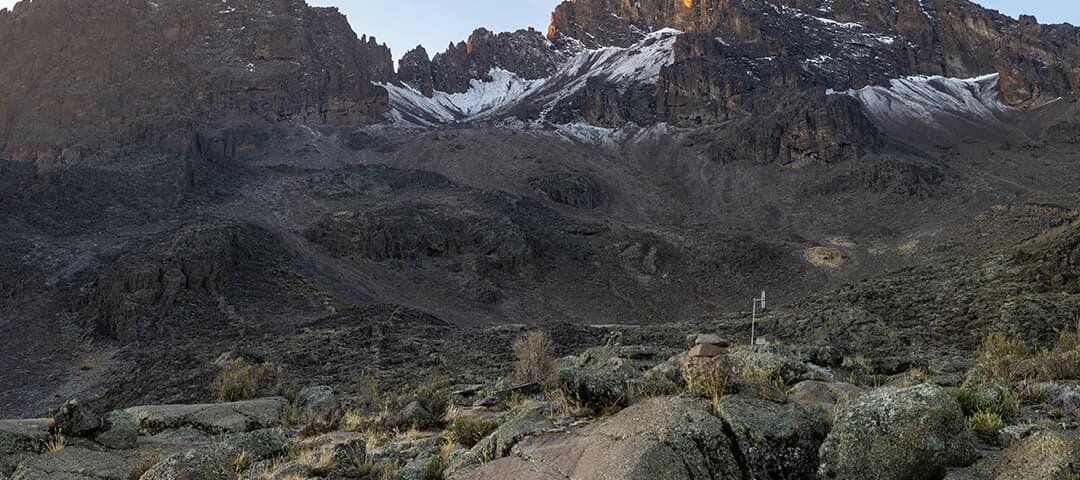
Kilimanjaro Glaciers Decline – A Wake-Up Call for the Planet
Why the Kilimanjaro Glaciers Decline Matters Now
The Kilimanjaro glaciers decline is no longer a distant concern; it is a visible reality shaping the future of Mount Kilimanjaro. As one of Africa’s most iconic landmarks, the mountain once stood crowned with thick, shining ice. Today, that icy crown continues to shrink, and the change feels both rapid and alarming.
Right from the start, this shift tells a deeper story about our planet. Glaciers act as natural climate markers, so when they fade, they reveal patterns of warming, drying, and environmental imbalance. Moreover, the Kilimanjaro glaciers decline affects ecosystems, tourism, and local livelihoods. It touches everything from water cycles to cultural identity.
Therefore, understanding this change becomes essential. When travelers, conservationists, and tourism leaders work together, they create awareness and drive action. With responsible travel partners like Giant Holiday Safaris, visitors not only explore the mountain but also support efforts that protect its fragile environment. In this way, every journey becomes part of a larger solution.
Climate Change Effects on Mount Kilimanjaro Glaciers
The Kilimanjaro glaciers decline shows clearly in the mountain’s changing summit. Decades ago, thick ice fields covered the peak. Today, only scattered patches remain. As a result, the famous white cap that once defined Kilimanjaro continues to fade.
This loss does not happen overnight. Instead, it unfolds gradually, year after year. However, the pace has increased in recent decades. Scientists have tracked a significant reduction in glacier size, with some areas disappearing entirely. Consequently, the mountain’s appearance and ecological balance continue to shift.
In addition, the glaciers hold historical and scientific value. They store climate records that date back thousands of years. When they melt, those records vanish as well. Therefore, the Kilimanjaro glaciers decline represents more than visual change it signals the loss of valuable environmental history.
How Rising Temperatures Affect Glacier Retreat in Africa
Many people wonder how ice can exist near the equator. Yet, despite its tropical location, Mount Kilimanjaro supports glaciers because of its extreme height. At over 5,800 meters, temperatures drop low enough to preserve ice, even under strong sunlight.
For a long time, this balance allowed glaciers to survive. Snowfall added fresh layers, while cold conditions slowed melting. However, that balance now shifts. The Kilimanjaro glaciers decline reflects changes in temperature, moisture, and atmospheric conditions.
Furthermore, altitude alone cannot protect glaciers forever. When snowfall decreases and evaporation increases, ice begins to shrink. Therefore, even high mountains like Kilimanjaro face challenges in maintaining their frozen peaks. This delicate balance explains why the glaciers remain so vulnerable today.
The Real Cause: Solar Radiation & Sublimation Effects
The Kilimanjaro glaciers decline does not rely only on rising temperatures. Instead, solar radiation and sublimation play a major role. Sublimation occurs when ice turns directly into vapor without melting into water first. This process happens quickly under strong sunlight and dry air.
On Kilimanjaro, intense solar radiation strikes the glacier surface. As a result, ice loses mass even when temperatures stay below freezing. At the same time, dry air pulls moisture away, accelerating sublimation. Consequently, glaciers shrink faster than expected.
Moreover, reduced cloud cover increases sunlight exposure. Without clouds to reflect radiation, more energy reaches the ice. Therefore, the combination of strong sunlight and dry conditions drives the Kilimanjaro glaciers decline more than simple warming alone. Understanding this process helps explain why glacier loss continues even during cold periods.
Drier Skies and Their Impact on Ice Loss on Kilimanjaro glaciers
Another key factor behind the Kilimanjaro glaciers decline involves changing moisture patterns. Over time, the region has experienced less consistent snowfall. Without fresh snow, glaciers lose their protective layer.
Snow acts like a shield. It reflects sunlight and slows ice loss. However, when snowfall decreases, dark ice surfaces absorb more heat. As a result, glaciers shrink faster. In addition, drier skies reduce cloud cover, which further increases solar exposure.
This cycle creates a feedback loop. Less snow leads to more heat absorption, which leads to faster melting and sublimation. Therefore, the Kilimanjaro glaciers decline continues to accelerate. These changes highlight how even small shifts in climate patterns can create large environmental impacts.
The Science of Balance on Africa’s Highest Peak
The survival of glaciers depends on balance. On Mount Kilimanjaro, this balance involves snowfall, temperature, sunlight, and humidity. When these elements stay in harmony, glaciers remain stable. However, when one factor shifts, the system changes.
Currently, the balance has tipped. The Kilimanjaro glaciers decline reflects a system where loss exceeds gain. Ice disappears faster than it forms. As a result, glacier coverage continues to shrink.
In addition, this imbalance affects surrounding ecosystems. Water flow patterns shift, and local climates adjust. Therefore, glacier loss does not remain isolated at the summit. It influences the entire mountain environment. Understanding this balance helps explain why conservation efforts must address multiple factors, not just temperature alone.
Why Kilimanjaro Glacier Loss Is a Global Warning
The Kilimanjaro glaciers decline sends a strong message beyond Africa. It shows how sensitive natural systems respond to environmental change. When glaciers disappear in a tropical region, the signal becomes even more powerful.
Commentary from Giant Holiday Safaris’ sustainability team:
Responsible tourism can support awareness and conservation. By choosing eco-conscious travel, visitors help protect fragile ecosystems and promote sustainable practices. Every traveler plays a role in shaping the future of destinations like Kilimanjaro.
Furthermore, glacier loss connects to global patterns. It reflects changes in atmospheric circulation, moisture levels, and energy balance. Therefore, the Kilimanjaro glaciers decline acts as a warning that climate shifts affect even the most unexpected places.
Can Kilimanjaro’s Glaciers Be Preserved?
The question remains: can the Kilimanjaro glaciers decline be slowed or reversed? While complete recovery may prove difficult, meaningful action can still make a difference. Conservation efforts focus on reducing environmental pressure and supporting sustainable tourism.
For example, responsible trekking reduces waste and protects natural habitats. In addition, awareness campaigns educate travelers about climate impact. When more people understand the issue, collective action becomes possible.
Moreover, global climate efforts play a key role. Reducing emissions and protecting ecosystems help stabilize environmental conditions. Therefore, while challenges remain, hope still exists. Every step toward sustainability supports the future of Kilimanjaro’s glaciers.
A Story Beyond Snow and Stone of Kilimanjaro glaciers
The Kilimanjaro glaciers decline tells a story that goes beyond ice. It reflects the connection between nature, people, and global change. As the glaciers fade, they remind us of the importance of balance and responsibility.
At the same time, Kilimanjaro continues to inspire. Climbers still chase the summit, and travelers still admire its beauty. However, the experience now carries deeper meaning. Each visit becomes a chance to witness change and support preservation.
Ultimately, this story belongs to everyone. By understanding and acting, we protect not only Kilimanjaro but also the wider planet. In this way, the mountain remains a symbol of both challenge and hope.
Are You Ready to Start Planning?
Now is the perfect time to explore Mount Kilimanjaro with purpose. A journey here offers more than adventure; it creates awareness and supports conservation. With expert guidance from Giant Holiday Safaris, you can experience the mountain responsibly while contributing to its future.
Start planning today and become part of a story that matters.
Combined Uganda, Kenya, Rwanda and Tanzania Safaris
17 days Kenya, Tanzania, and Uganda safari
19 Days Uganda Kenya and Tanzania Safari
16 Days Kenya Tanzania and Uganda Safari
14 Days Kenya Uganda and Tanzania Safari
14 Days Kenya Uganda and Rwanda Safari