Kenya National Park Wildlife Differences
May 1, 2026
Maasai Mara Complete Guide
May 1, 2026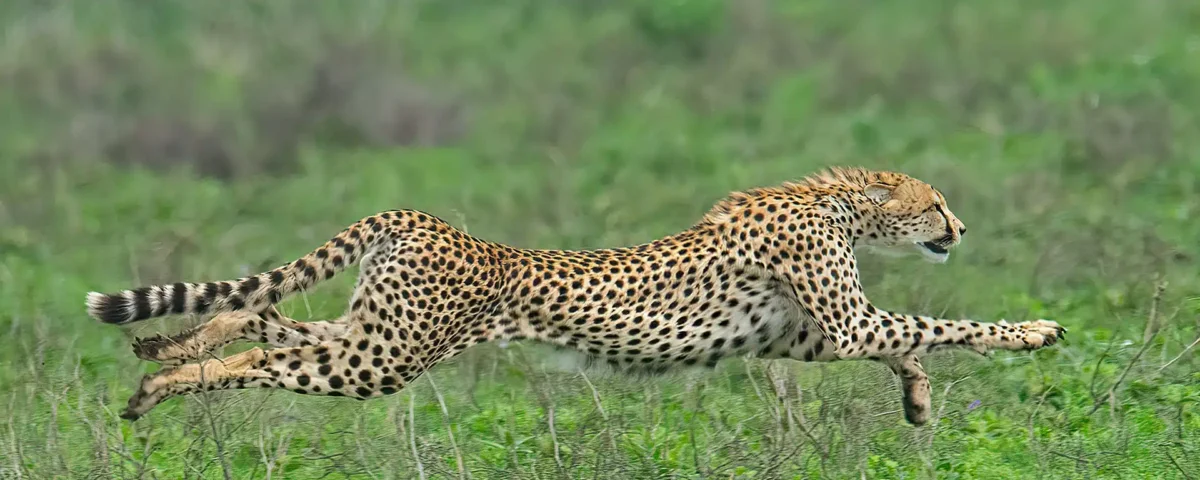
Kenya Wildlife Photography Locations
Kenya Wildlife Photography Locations: Kenya stands as one of the most powerful wildlife photography destinations in the world. The country offers vast savannahs, dramatic landscapes, and rich biodiversity that attracts photographers, filmmakers, and travelers from every continent. From golden sunsets over endless plains to close encounters with elephants, lions, and giraffes, Kenya creates unforgettable visual stories in every direction.
In addition, Kenya delivers a unique balance of wilderness and accessibility. Travelers can move from dense wildlife populations in open grasslands to scenic lakes filled with flamingos within hours. This variety strengthens Kenya’s position as a top destination for wildlife photography and nature-based tourism. Moreover, each park offers distinct lighting conditions, animal behavior, and scenery, giving photographers endless creative opportunities.
This guide explores the best Kenya safari wildlife photography locations while offering practical insights that help travelers capture powerful images. It also highlights key experiences, seasonal advantages, and professional tips that support both beginner and advanced photographers. Ultimately, Kenya rewards patience, timing, and curiosity, making it one of the most reliable destinations for building a strong wildlife photography portfolio.
Maasai Mara National Reserve Photography Spots
Maasai Mara National Reserve remains the most iconic wildlife photography destination in Kenya. The reserve delivers dramatic scenes throughout the year, especially during the Great Migration when millions of wildebeest and zebras cross the plains in search of fresh grazing land. This natural event creates unmatched photographic opportunities that capture movement, tension, and raw survival.
Photographers often focus on river crossing points along the Mara River. These locations produce intense action shots as animals gather, hesitate, and eventually plunge into crocodile filled waters. However, the Mara offers more than migration scenes. Big cats dominate the ecosystem, so lions, leopards, and cheetahs appear frequently across open grasslands. This makes it easier to capture predator prey interactions in natural light.
Furthermore, the lighting conditions in Maasai Mara enhance image quality. Early mornings and late afternoons produce warm golden tones that highlight textures and animal silhouettes. Photographers also benefit from wide open landscapes that allow clear compositions without visual distractions.
In addition, Maasai Mara supports hot air balloon photography. Aerial views reveal winding rivers, scattered herds, and vast plains that stretch into the horizon. This perspective adds depth and storytelling power to wildlife portfolios. Therefore, Maasai Mara continues to rank as one of the most valuable photography destinations in Africa due to its diversity, action, and natural drama.
Kenya Wildlife Photography Locations: Amboseli National Park Photography Experience
Amboseli National Park offers one of the most recognizable safari photography backgrounds in Africa. The park sits at the foot of Mount Kilimanjaro, creating a stunning contrast between wildlife and snow capped peaks. This combination produces iconic images that define African safari photography for global audiences.
Elephants dominate Amboseli’s landscape. Large herds move across dusty plains, creating powerful compositions with mountain backdrops. Photographers often capture close up portraits that highlight texture, behavior, and family interaction. The dry environment also enhances visibility, making wildlife easier to track and photograph.
Moreover, Amboseli delivers strong sunrise and sunset photography conditions. Clear skies often reveal Kilimanjaro’s peak during early morning hours, offering rare opportunities for perfectly framed shots. The soft light enhances animal outlines and adds warmth to the landscape.
Bird photography also thrives in Amboseli. Wetlands within the park attract flamingos, pelicans, and various migratory species. This diversity allows photographers to switch between large mammals and detailed bird shots within a single day.
In addition, the park’s compact size improves accessibility. Visitors can move between key photography zones quickly, maximizing shooting time. As a result, Amboseli delivers consistent, high quality wildlife photography experiences that appeal to both professionals and enthusiasts seeking strong visual storytelling elements.
Kenya Wildlife Photography Locations: Tsavo East and West Photography Landscapes
Tsavo East National Park and Tsavo West National Park form one of the largest wildlife ecosystems in Kenya. Together, they offer a rugged and less crowded photography experience compared to other parks. This environment allows photographers to capture wildlife in more natural and undisturbed settings.
Tsavo East features wide open plains, red soil, and large elephant herds famously known as “red elephants” due to dust bathing. These unique visual elements create striking contrast in photographs. The vast terrain also supports long distance compositions, where animals appear small against dramatic landscapes.
Tsavo West, on the other hand, introduces volcanic hills, lava flows, and lush springs. This diversity creates layered compositions that blend wildlife with geological formations. Photographers often find rhinos, hippos, giraffes, and buffalo near water sources such as Mzima Springs.
Additionally, both parks offer strong opportunities for storytelling photography. The less crowded environment allows extended observation of animal behavior without interruption. This improves chances of capturing natural interactions and emotional wildlife moments.
Lighting conditions in Tsavo also enhance photography quality. Soft morning light combined with dusty air creates cinematic effects that elevate image depth. Therefore, Tsavo East and West together provide a powerful contrast to Kenya’s greener safari destinations, offering unique textures, colors, and moods for wildlife photography portfolios.
Kenya Wildlife Photography Locations: Lake Nakuru National Park Birdlife and Flamingos
Lake Nakuru National Park stands out as a premier destination for bird and landscape photography. The alkaline lake attracts thousands of flamingos that line the shoreline in vibrant pink waves. This natural phenomenon creates one of the most visually striking scenes in African wildlife photography.
Photographers often focus on wide angle compositions that capture flamingo flocks against reflective water surfaces. The contrast between pink birds, blue water, and surrounding acacia forests produces balanced and colorful images. Additionally, pelicans, cormorants, and other water birds add variety to the photographic scene.
Beyond birdlife, Lake Nakuru also supports rhinos, lions, and giraffes. This combination allows photographers to capture both macro bird details and large mammal portraits within the same location. The park’s compact layout improves efficiency, making it easier to cover multiple habitats in a single day.
Moreover, elevated viewpoints around the park provide panoramic shots of the lake and surrounding escarpments. These angles enhance storytelling by showing scale and environmental context.
Seasonal changes also influence photography conditions. Water levels and flamingo populations shift throughout the year, creating different visual experiences. As a result, Lake Nakuru remains a dynamic location that rewards repeat visits and careful timing for optimal wildlife photography results.
Kenya Wildlife Photography Locations: Samburu National Reserve Unique Species
Samburu National Reserve offers a distinct wildlife photography experience shaped by semi-arid landscapes and rare animal species. Located in northern Kenya, this reserve features rugged terrain, dry riverbeds, and dramatic mountain backdrops that enhance visual storytelling.
Samburu is famous for its “Special Five” species: Grevy’s zebra, Somali ostrich, reticulated giraffe, gerenuk, and Beisa oryx. These animals appear only in northern Kenya, making Samburu essential for photographers seeking unique subjects. Their distinct markings and behaviors create visually strong compositions.
In addition, the Ewaso Ng’iro River attracts elephants, lions, and leopards. Photographers often capture wildlife interactions along the riverbanks, especially during dry seasons when animals gather around limited water sources. This concentration increases chances of action shots and predator prey scenes.
Lighting in Samburu enhances contrast and texture. The dry environment produces warm tones and sharp shadows that add depth to images. Furthermore, the open terrain allows long range photography, giving photographers flexibility in framing subjects within expansive landscapes.
Cultural elements also enrich photography opportunities. Local Samburu communities add human storytelling dimensions that connect wildlife, landscape, and culture. Therefore, Samburu delivers a rare and authentic safari photography experience that highlights Kenya’s ecological diversity.
Best Tips for Wildlife Photography in Kenya
Wildlife photography in Kenya requires preparation, patience, and technical awareness. First, photographers should prioritize early morning and late afternoon sessions. These time periods offer soft light that improves color accuracy and reduces harsh shadows.
Second, understanding animal behavior improves shot quality. Observing movement patterns helps photographers anticipate action rather than react to it. This approach increases the chance of capturing powerful moments such as hunts, interactions, or migration crossings.
Third, equipment choice matters. A telephoto lens allows safe distance shooting while capturing detailed animal expressions. However, wide angle lenses also play an important role in capturing landscapes and environmental storytelling.
Fourth, photographers should respect wildlife space. Ethical photography ensures animals remain undisturbed, which leads to more natural behavior and better long term conservation outcomes. Additionally, working with experienced local guides from Giant Holiday Safaris improves access to prime locations and enhances safety.
Finally, photographers should embrace patience. Wildlife rarely follows schedules, so time investment often determines success. Kenya rewards persistence with extraordinary scenes that cannot be replicated in controlled environments.
By combining timing, respect, and technical skill and with the tailored guidance of Giant Holiday Safaris photographers can maximize their results across Kenya’s diverse safari destinations.
Conclusion
Kenya continues to define global wildlife photography through its unmatched landscapes, diverse ecosystems, and abundant animal populations. From the dramatic plains of Maasai Mara National Reserve to the elephant rich fields of Amboseli National Park and the rugged beauty of Tsavo East National Park, each destination offers distinct visual storytelling opportunities.
In addition, locations like Lake Nakuru National Park and Samburu National Reserve expand creative possibilities through birdlife, rare species, and dramatic terrain. Together, these parks build a complete photography circuit that supports both artistic expression and professional wildlife documentation.
Ultimately, Kenya rewards photographers who combine skill, patience, and respect for nature. With the expert guidance of Giant Holiday Safaris, travelers gain access to tailored itineraries and professional safari experiences. The country delivers not just images, but powerful visual stories that reflect the true essence of African wildlife.
Combined Uganda, Kenya, Rwanda and Tanzania Safaris
17 days Kenya Tanzania and Uganda safari
19 Days Uganda Kenya and Tanzania Safari
16 Days Kenya Tanzania and Uganda Safari
14 Days Kenya Uganda and Tanzania Safari
14 Days Kenya Uganda and Rwanda Safari