
Mahale Mountains National Park Safaris:
May 2, 2026
Saadani National Park Safari Tours
May 2, 2026
Maasai Mara Cultural Experiences
Maasai Mara Cultural Experiences: The Maasai Mara offers far more than sweeping savannahs and famous wildlife. While many travelers arrive for the Great Migration and thrilling game drives, the true soul of this iconic region lives within the vibrant traditions of the Maasai people. For generations, the Maasai have shaped the identity of Kenya’s Mara through their customs, language, dress, ceremonies, and deep bond with the land. Therefore, visiting the Mara without exploring Maasai culture leaves the journey incomplete.
Maasai cultural experiences in Mara open the door to authentic African heritage. Travelers gain the chance to step beyond safari vehicles and connect with one of Africa’s most recognized communities. From traditional dances and village visits to warrior training and artisan crafts, each experience creates a meaningful bridge between visitor and host. Moreover, these cultural encounters support local livelihoods and help preserve treasured traditions in a changing world.
Today, global travelers seek more than sightseeing. They want genuine human connection, ethical tourism, and memorable stories. Maasai experiences in Mara deliver all three. Through respectful engagement, visitors discover the wisdom, resilience, and hospitality that define Maasai life. This journey enriches not only the traveler’s understanding of Kenya but also strengthens appreciation for Africa’s cultural richness. As a result, Maasai cultural tourism stands as one of the Mara’s most powerful and unforgettable attractions.
Maasai Mara Cultural Experiences: Understanding the Maasai People and Their Heritage
The Maasai people rank among Africa’s most iconic indigenous communities. They mainly live in southern Kenya and northern Tanzania, especially around the Maasai Mara and Serengeti ecosystems. Their proud identity, colorful attire, and strong traditions have captured global attention for centuries. However, Maasai culture goes much deeper than appearance. It reflects a powerful way of life rooted in pastoralism, community values, and spiritual connection to nature.
Traditionally, the Maasai depend on cattle for survival, status, and social structure. Cattle symbolize wealth, provide food, and support family life. Because of this, livestock remains central to Maasai identity. In addition, the Maasai organize society through age groups, where boys grow into warriors known as Morans before becoming elders. This system shapes leadership, discipline, and community responsibility.
Language also plays a major role in preserving Maasai culture. Maa, the traditional language, remains widely spoken despite modern influences. At the same time, many Maasai people also speak Swahili and English, which helps them connect with tourism opportunities.
Maasai heritage continues to thrive because communities actively preserve their customs while adapting to modern life. Visitors to Mara witness this living culture firsthand through ceremonies, storytelling, and everyday village life. Consequently, understanding the Maasai enriches every travel experience in the region and builds deeper respect for Africa’s cultural diversity.
Visiting Traditional Maasai Villages in Mara
A visit to a traditional Maasai village, often called a Manyatta, offers one of the most authentic cultural experiences in the Mara. This journey allows travelers to step inside the daily life of the Maasai community and witness traditions that have endured for generations. Unlike staged attractions, well managed village visits create real opportunities for learning, cultural exchange, and local empowerment.
Upon arrival, Maasai hosts often welcome guests with joyful singing and energetic jumping dances. These performances symbolize pride, strength, and unity. Soon after, visitors explore traditional homes built from mud, sticks, and cow dung. Although simple in design, these homes reflect practical knowledge shaped by the environment.
Inside the village, travelers learn about Maasai family structures, livestock management, cooking methods, and social customs. Women often share how they create beadwork, build homes, and sustain households. Meanwhile, warriors explain their historical role in protecting the community.
These visits also support sustainable tourism when managed ethically. Entrance fees often contribute to education, healthcare, and family income. Therefore, travelers not only gain insight but also directly support cultural preservation.
To make the most of this experience, respectful behavior matters. Asking questions, purchasing handmade crafts, and honoring local customs create meaningful interactions. Ultimately, a Maasai village visit transforms tourism into cultural appreciation and leaves travelers with lasting memories beyond wildlife.
Maasai Mara Cultural Experiences: Traditional Maasai Dance, Music, and Ceremonies
Maasai dance, music, and ceremonies reveal the heartbeat of this remarkable culture. These traditions carry history, celebrate milestones, and strengthen social bonds. For visitors in Mara, experiencing these vibrant expressions offers an unforgettable look into the Maasai spirit.
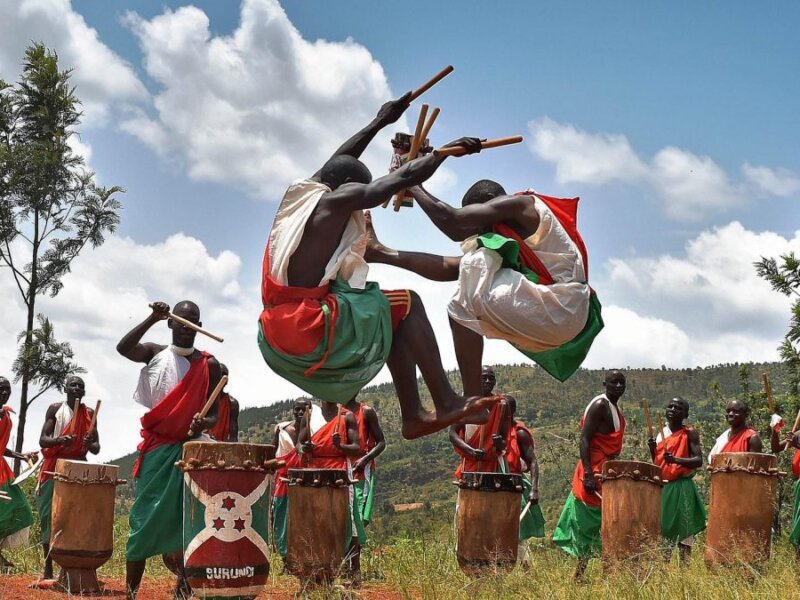
One of the most famous cultural performances is the Adumu, also known as the jumping dance. In this ceremony, Maasai warriors leap high into the air while maintaining graceful posture. This dance showcases strength, stamina, and pride. Furthermore, rhythmic chants and harmonized singing create a powerful atmosphere that connects performers and audience alike.
Music in Maasai culture relies heavily on vocal expression rather than instruments. Songs mark important life events such as births, initiations, marriages, and community gatherings. Each song carries specific meaning, often teaching lessons or celebrating achievements. As a result, music becomes both entertainment and education.
Ceremonies hold deep significance within Maasai society. Events such as Eunoto, the warrior graduation ceremony, symbolize major life transitions and community continuity. These occasions preserve identity while passing traditions to younger generations.
For travelers, witnessing Maasai ceremonies creates a profound cultural connection. Rather than simply observing, many experiences encourage participation through dance and song. This interaction fosters understanding and appreciation. Therefore, Maasai music and ceremonies stand as essential highlights for anyone seeking authentic cultural immersion in Mara.
Maasai Crafts, Beadwork, and Artisan Skills
Maasai craftsmanship represents creativity, identity, and economic empowerment. Across the Mara, skilled Maasai artisans produce intricate beadwork, jewelry, clothing, and handmade items that reflect generations of cultural expression. These crafts offer travelers meaningful souvenirs while supporting local communities.
Beadwork holds special importance in Maasai life. Every color carries symbolic meaning. Red often represents bravery and unity, blue symbolizes energy and the sky, while white reflects purity and health. Through necklaces, bracelets, earrings, and belts, Maasai women communicate age, marital status, and social roles. Therefore, each handcrafted piece tells a deeper story.
Women lead much of the beadwork industry, making artisan skills a key source of income. In many villages, tourism has created new opportunities for women to support education, healthcare, and household needs through craft sales. Consequently, buying authentic Maasai products directly contributes to community development.
Beyond beadwork, Maasai artisans also create sandals, spears, carvings, and textiles. Demonstrations often allow visitors to watch the creative process firsthand, which deepens appreciation for the skill involved.
Choosing authentic, locally made crafts matters greatly. Ethical purchases preserve tradition and protect artisans from exploitation. As travelers seek meaningful connections, Maasai crafts provide a powerful blend of beauty, culture, and purpose. In the end, each piece becomes more than a souvenir it becomes a symbol of Africa’s living heritage.
Maasai Mara Cultural Experiences: The Role of Maasai Warriors in Cultural Identity
Maasai warriors, known as Morans, hold a respected place within Maasai society. They symbolize courage, protection, discipline, and cultural pride. For centuries, these young men have played a central role in defending communities, herding livestock, and preserving traditions. Today, while modern life has changed some responsibilities, the warrior identity remains deeply significant.
The journey to becoming a Moran involves rites of passage that teach resilience, leadership, and responsibility. This transformation marks an important stage in Maasai life. During this period, warriors develop physical endurance and social discipline while learning how to serve their people.
In cultural tourism experiences across Mara, Morans often share traditional skills with visitors. Guests may learn about survival techniques, cattle herding practices, or even spear throwing demonstrations. These activities provide valuable insight into the historical role of warriors while making culture engaging and accessible.
Moreover, the iconic Maasai warrior image has become a global symbol of East African heritage. However, authentic experiences go beyond appearance and reveal the values behind the role. Courage, respect, and community service define true warriorhood.
Understanding the significance of Morans helps travelers appreciate the depth of Maasai society. Rather than viewing warriors as tourist attractions, visitors gain respect for a cultural institution that continues to shape identity in the Mara.
Sustainable Tourism and Supporting Maasai Communities
Sustainable tourism plays a vital role in protecting Maasai culture while improving community well being. As tourism grows in Mara, responsible travel choices can create positive change for local families and preserve valuable traditions for future generations.
When travelers choose ethical cultural experiences, they help generate income for Maasai communities. This support often funds schools, healthcare, women’s groups, and youth programs. Additionally, community led tourism empowers local people to share their heritage on their own terms. This approach strengthens both economic independence and cultural pride.
Sustainability also protects against exploitation. Some tourism models commercialize culture without fair benefits for communities. Therefore, choosing reputable operators and community owned initiatives matters greatly. Visitors should seek experiences that prioritize respect, transparency, and genuine engagement.
Environmental stewardship connects closely with Maasai life as well. For generations, the Maasai have coexisted with wildlife across Mara’s ecosystem. Supporting sustainable tourism helps preserve both natural landscapes and indigenous knowledge.
Travelers can contribute by purchasing local crafts, respecting customs, asking permission before taking photos, and learning directly from community members. These actions foster mutual respect and meaningful exchange.
Ultimately, sustainable Maasai tourism benefits everyone. Visitors gain authentic experiences, communities receive fair opportunities, and cultural traditions remain strong. In this way, Maasai cultural tourism becomes a model for responsible travel in Africa.
Best Time to Experience Maasai Culture in Mara
Maasai cultural experiences are available year-round, each season offering unique opportunities. Giant Holiday Safaris ensures authentic encounters tailored to every traveler’s goals.
The dry season (June–October) aligns with the Great Migration, perfect for combining wildlife safaris with cultural visits. Giant Holiday Safaris provides guided itineraries blending both seamlessly.
The green season (November–May) brings lush landscapes, fewer crowds, and intimate village interactions. Giant Holiday Safaris enhances this period with personalized tours and community experiences.
Festivals and ceremonies vary, and trusted guidance is essential. Giant Holiday Safaris connects travelers with genuine Maasai traditions.
Ultimately, the best time depends on personal goals whether migration thrills or deeper cultural connections, Giant Holiday Safaris delivers meaningful experiences across all seasons.
Conclusion
Maasai cultural experiences in Mara offer far more than tourism activities they provide a gateway into one of Africa’s most powerful living traditions. Through village visits, ceremonies, dance, crafts, and meaningful conversations, travelers discover the heart of the Maasai people and their enduring connection to the land. Giant Holiday Safaris enriches these encounters by organizing authentic cultural tours that ensure respectful engagement and seamless logistics, allowing guests to fully immerse themselves in Maasai heritage.
These experiences transform ordinary safaris into journeys of cultural discovery. They deepen understanding, inspire respect, and create lasting memories rooted in authentic human connection. At the same time, responsible participation supports local communities and helps preserve traditions in a rapidly changing world. With Giant Holiday Safaris, travelers can be confident that their participation directly supports community initiatives while safeguarding cultural integrity.
For global travelers seeking true African authenticity, Maasai Mara stands as a destination where wildlife and culture unite beautifully. Exploring Maasai heritage adds depth, purpose, and emotional richness to every visit. More importantly, it positions travelers to appreciate Africa not only for its landscapes but also for its extraordinary people. Giant Holiday Safaris ensures these cultural journeys are thoughtfully curated, blending wildlife adventures with meaningful human connections.
In the end, Maasai cultural tourism reflects the future of meaningful travel where exploration supports heritage, connection builds understanding, and every journey leaves a positive impact. By choosing Giant Holiday Safaris, visitors not only experience the magic of Maasai traditions but also contribute to sustainable tourism that uplifts communities and preserves Africa’s living heritage.
Combined Uganda, Kenya, Rwanda and Tanzania Safaris
17 days Kenya Tanzania and Uganda safari
19 Days Uganda Kenya and Tanzania Safari
16 Days Kenya Tanzania and Uganda Safari
14 Days Kenya Uganda and Tanzania Safari
14 Days Kenya Uganda and Rwanda Safari