Maasai Mara Wildlife Checklist
May 4, 2026
Tanzania Safari for Solo Travelers
May 5, 2026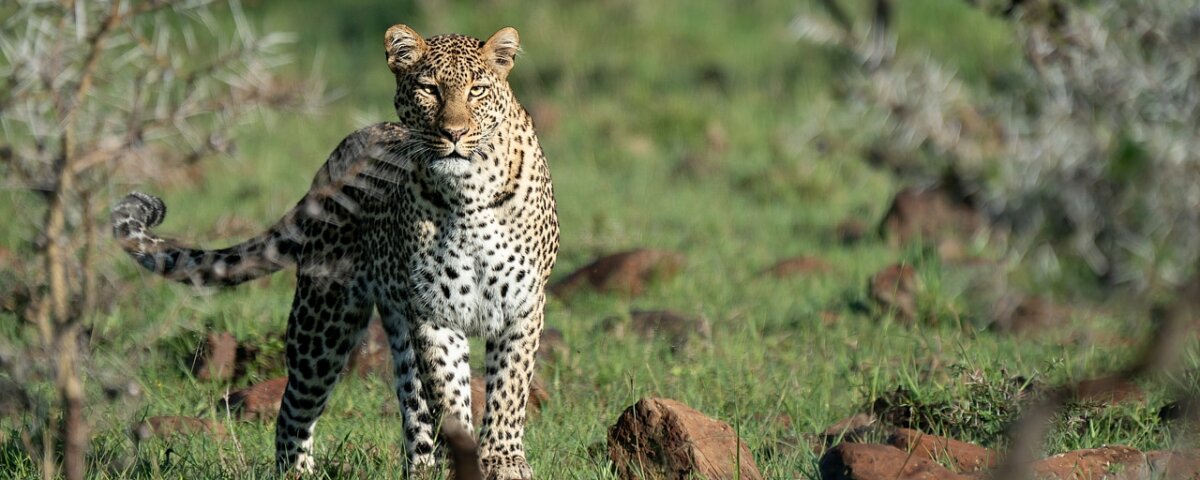
Maasai Mara Photography Tips
Maasai Mara Photography Tips: The Maasai Mara stands as one of Africa’s most iconic wildlife destinations. This vast savannah delivers dramatic landscapes, rich biodiversity, and unforgettable encounters with wild animals. Photographers from around the world travel here to capture powerful moments, from a lion’s silent stalk to the thunder of migrating wildebeest. However, great wildlife photography in the Maasai Mara requires more than a good camera. You need timing, preparation, skill, and a deep understanding of the environment.
This guide shares practical and effective Maasai Mara photography tips that will help you elevate your images and build a strong portfolio. You will learn how to use light, choose the right gear, compose compelling shots, and position yourself for success during game drives. In addition, you will discover how to respect wildlife while still capturing stunning visuals. Whether you are a beginner or an experienced photographer, these insights will help you produce images that stand out in the competitive world of African tourism content.
Let’s explore how you can transform your safari into a powerful storytelling experience through photography.
Understand the Best Time for Photography
Timing plays a critical role in wildlife photography, especially in the Maasai Mara. Early mornings and late afternoons provide the best lighting conditions. During these golden hours, the sun sits low in the sky and creates soft, warm light that enhances colors and textures. As a result, your photos will look more natural and visually appealing.
Midday light, on the other hand, often appears harsh and creates strong shadows. Therefore, you should avoid shooting during these hours unless you focus on creative silhouettes or unique compositions. Instead, plan your game drives around sunrise and sunset. These moments also increase your chances of seeing active wildlife since animals tend to hunt and move during cooler parts of the day.
Moreover, the Great Migration season, which usually runs from July to October, offers incredible action shots. You can capture river crossings, predator prey interactions, and massive herds moving across the plains. However, even outside migration season, the Maasai Mara still provides excellent photography opportunities with resident wildlife.
By aligning your schedule with the best lighting and animal activity, you will improve your chances of capturing breathtaking images.
Choose the Right Photography Gear
Your gear can make a significant difference in the quality of your wildlife photos. A DSLR or mirrorless camera with fast autofocus and good low light performance will give you an advantage. Additionally, a telephoto lens, ideally between 200mm and 600mm, allows you to capture close up shots of animals without disturbing them.
At the same time, you should carry a wide angle lens for landscapes. The Maasai Mara features sweeping plains, dramatic skies, and beautiful sunsets that deserve attention. A wide lens helps you capture the full scene and tell a broader story.
Stability also matters. A beanbag works well on safari vehicles and provides support for long lenses. Tripods can feel bulky during game drives, so many photographers prefer beanbags for flexibility.
Furthermore, pack extra batteries and memory cards. Long days in the field can drain your equipment quickly, and you don’t want to miss important moments. Dust protection also helps since the Mara can get dry and dusty, especially during peak season.
With the right gear, you will stay ready for any opportunity that comes your way.
Master Camera Settings for Wildlife
Strong camera skills will help you react quickly and capture sharp, well-exposed images. First, use a fast shutter speed to freeze motion. Wildlife often moves unpredictably, so a shutter speed of at least 1/1000 is ideal for action shots.
Next, adjust your aperture based on your subject. A wide aperture, such as f/4 or f/5.6, helps isolate animals from the background and creates a pleasing blur. However, if you want more detail in the scene, you can choose a narrower aperture like f/8.
ISO settings also play a key role. During low light conditions, increase your ISO to maintain proper exposure. Modern cameras handle higher ISO levels well, so do not hesitate to push it when needed.
Additionally, use continuous autofocus (AI Servo or AF-C mode) to track moving animals. This setting keeps your subject sharp even when it moves across the frame.
Finally, shoot in burst mode. This feature allows you to capture multiple frames in quick succession, which increases your chances of getting the perfect shot.
By mastering these settings, you will gain confidence and capture more consistent results.
Focus on Composition and Storytelling
Great photography goes beyond technical skills. You need strong composition and storytelling to create impactful images. Start by applying the rule of thirds. Place your subject off center to create balance and visual interest.
At the same time, pay attention to the background. A clean background helps your subject stand out, while a cluttered one can distract viewers. Move your position slightly if needed to improve the composition.
Moreover, try to capture behavior, not just portraits. Action shots, such as hunting, feeding, or interaction between animals, tell a deeper story. These moments engage viewers and make your images more memorable.
Eye contact also adds power to your photos. When an animal looks directly into your lens, it creates a strong emotional connection.
In addition, experiment with different angles. Shoot at eye level when possible to create a more intimate perspective. Low angles can make animals appear more powerful, while higher angles can show the environment.
By focusing on storytelling, you will create images that resonate with a global audience.
Maasai Mara Photography Tips: Learn Animal Behavior and Movement
Understanding animal behavior will give you a major advantage in the Maasai Mara. When you know how animals move and react, you can anticipate action instead of chasing it.
For example, predators like lions and cheetahs often show signs before they hunt. They may crouch, focus intensely, or move slowly toward their target. If you recognize these cues, you can prepare your camera and position yourself for the best shot.
Similarly, herbivores like zebras and wildebeests often follow predictable patterns, especially during migration. Knowing their routes can help you plan your shots in advance.
Birds also provide exciting opportunities. Watch for takeoff signals such as wing stretching or sudden alertness. These moments happen quickly, so awareness matters.
Your guide can also help you understand animal behavior. A skilled guide knows the terrain and wildlife patterns, which increases your chances of success.
When you combine observation with patience, you will capture more dynamic and meaningful images.
Maasai Mara Photography Tips: Use Light Creatively
Light shapes every photograph. In the Maasai Mara, natural light changes quickly, and you must adapt to it. Golden hour light creates soft shadows and rich tones, which enhance your images.
However, you can also use backlighting to create dramatic silhouettes. Position yourself so the sun sits behind your subject. This technique works well with animals like giraffes or elephants, especially during sunrise or sunset.
Side lighting also adds depth and texture. It highlights details such as fur, skin, and muscle structure. This effect works particularly well for close up shots.
Cloudy days provide soft, even lighting. While they may seem less exciting, they reduce harsh shadows and allow you to capture more detail.
Additionally, dust in the Mara can enhance light rays and create a magical atmosphere. Use this to your advantage when capturing herds or moving animals.
By understanding and using light creatively, you will add mood and depth to your photography.
Maasai Mara Photography Tips: Practice Patience and Positioning
Wildlife photography demands patience. You cannot control animals, so you must wait for the right moment. Rushing often leads to missed opportunities.
Positioning also plays a key role. Work with your guide to find the best angle and background. Sometimes, moving just a few meters can improve your shot significantly.
Stay quiet and minimize movement in the vehicle. Sudden actions can disturb animals and ruin the moment.
In addition, arrive early at sightings when possible. This approach gives you more time to observe and capture different behaviors.
Patience allows you to witness unique moments that others might miss. Over time, this habit will improve both your skills and your results.
Maasai Mara Photography Tips: Respect Wildlife and the Environment
Responsible photography builds trust and protects the ecosystem. Always maintain a safe distance from animals and avoid disturbing their natural behavior.
Do not make loud noises or attempt to attract attention. This behavior can stress animals and disrupt their routines.
Follow park rules and listen to your guide at all times. These guidelines exist to protect both visitors and wildlife.
Additionally, avoid overcrowding animals. If many vehicles gather at a sighting, consider stepping back and waiting for a quieter moment.
Respect for nature also enhances your reputation as a professional photographer. It shows integrity and builds credibility within the tourism industry.
When you prioritize ethics, you contribute to sustainable tourism and long term conservation.
Edit and Enhance Your Photos Professionally
Post processing helps you refine your images and bring out their full potential. Use editing software to adjust exposure, contrast, and color balance.
However, keep your edits natural. Over editing can make images look unrealistic and reduce their impact. Giant Holiday Safaris supports photographers by offering expert guidance on maintaining authenticity, ensuring your safari images remain true to the wild.
Crop your images carefully to improve composition and remove distractions. At the same time, maintain enough resolution for high-quality output.
Sharpen your subject slightly to enhance details, especially in wildlife portraits. Noise reduction also helps when shooting at higher ISO levels.
Consistency matters as well. Develop a style that reflects your brand and apply it across your work. This approach strengthens your identity as a photographer. With Giant Holiday Safaris providing tailored safari experiences, you can focus on building a consistent portfolio that reflects both your artistry and respect for nature.
With thoughtful editing, you can transform good photos into exceptional ones especially when paired with the professional safari guidance offered by Giant Holiday Safaris.
Conclusion
The Maasai Mara offers endless opportunities for powerful wildlife photography. However, success requires preparation, patience, and a clear understanding of both technical and creative elements. By choosing the right gear, mastering camera settings, and learning animal behavior, you will improve your results significantly.
At the same time, strong composition, creative use of light, and ethical practices will help you produce images that stand out. These qualities not only enhance your portfolio but also build your authority in the African tourism industry. Giant Holiday Safaris, as a trusted tour operator, supports photographers by providing expert guides who understand wildlife behavior, ensuring safe and ethical encounters that elevate your photography experience.
As you apply these Maasai Mara photography tips, you will create compelling visual stories that inspire travelers around the world. Your work will reflect expertise, authenticity, and respect for nature qualities that define a trusted voice in Africa tourism content. By partnering with Giant Holiday Safaris, you gain access to tailored itineraries, professional guidance, and conservation focused practices that help you capture moments that truly matter.
Now, step into the wild, stay patient, and capture moments that truly matter with Giant Holiday Safaris guiding your journey.
Combined Uganda, Kenya, Rwanda and Tanzania Safaris
17 days Kenya Tanzania and Uganda safari
19 Days Uganda Kenya and Tanzania Safari
16 Days Kenya Tanzania and Uganda Safari
14 Days Kenya Uganda and Tanzania Safari
14 Days Kenya Uganda and Rwanda Safari