Kenya Safari Animal Checklist
April 28, 2026
Rhino Sanctuaries in Kenya
April 28, 2026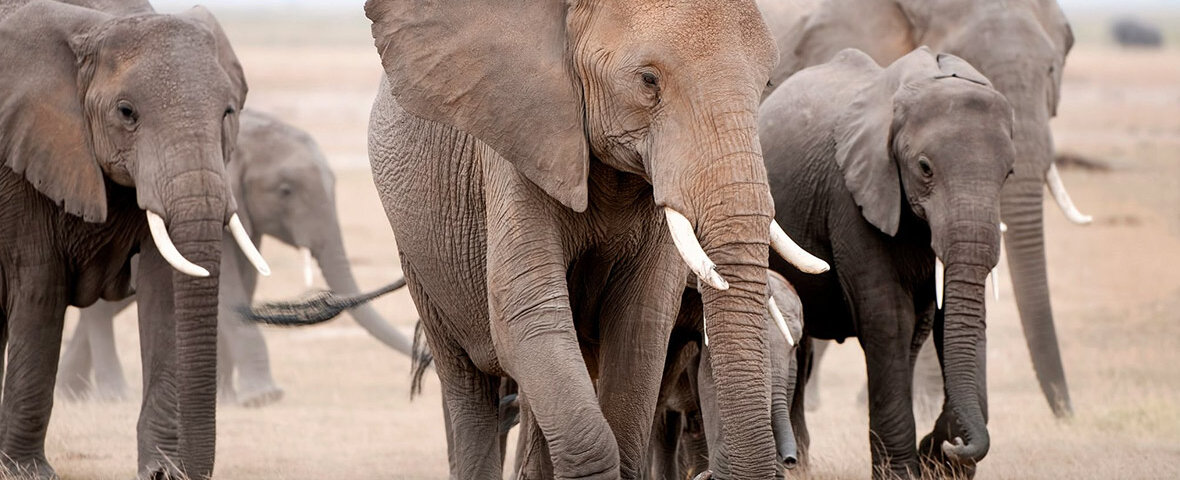
Elephant Herd Migration in Kenya
Kenya offers one of Africa’s most extraordinary wildlife experiences, and elephant herd migration stands among its most powerful natural spectacles. Across Kenya’s vast savannahs, woodlands, swamps, and conservation corridors, elephants move in search of water, food, safety, and seasonal survival. These migrations shape ecosystems, influence biodiversity, and create unforgettable safari moments for travelers seeking authentic African wildlife encounters.
Unlike the dramatic wildebeest migration, elephant migration often unfolds along ancient family-led routes that have existed for generations. These journeys reflect intelligence, memory, and deep social bonds. Elephant herds do not simply wander; instead, they follow ecological rhythms that connect landscapes across national parks, conservancies, and community lands. Understanding elephant movement helps travelers appreciate Kenya’s wildlife on a deeper level.
Kenya’s elephants, especially in Amboseli, Tsavo, Samburu, and Laikipia, rank among Africa’s most iconic safari highlights. Watching matriarchs guide calves across dusty plains or through swampy wetlands reveals resilience, leadership, and survival in action. Beyond movement alone, these journeys also support habitat regeneration by dispersing seeds and shaping vegetation.
For safari enthusiasts, conservationists, and global travelers, elephant herd migration in Kenya represents more than animal movement. It reflects the pulse of Africa’s wilderness. This guide explores where elephants migrate, why they move, and when travelers can witness these majestic journeys firsthand.
Elephant Herd Migration in Kenya: Why Elephants Migrate in Kenya, Survival, Seasons, and Instinct
Elephants in Kenya migrate primarily to survive. Their movement depends on seasonal rainfall, vegetation growth, water access, and safety. Because elephants require enormous quantities of food and water each day, they cannot remain in one place indefinitely. Instead, they travel across vast territories to meet changing environmental needs.
Rainfall patterns strongly influence these migrations. During dry seasons, elephant herds often move toward permanent water sources such as Amboseli’s swamps, the Ewaso Nyiro River in Samburu, or protected wetlands in Tsavo. Once rains return, fresh grasses, leaves, and vegetation encourage broader movement into open landscapes and dispersal zones.
Generational memory also plays a critical role. Matriarchs lead herds along traditional migration routes based on past knowledge of waterholes, feeding grounds, and safe passageways. This leadership often determines herd survival, especially during drought.
Human activity can also reshape migration. Expanding settlements, agriculture, and infrastructure sometimes disrupt natural corridors, forcing elephants to adapt or face increased conflict. Because of this, conservation areas and wildlife corridors remain vital in protecting these ancient pathways.
Elephant migration reflects intelligence and ecological adaptation. These journeys reveal how deeply elephants connect with Kenya’s landscapes while highlighting the importance of preserving migratory freedom for future generations.
Amboseli National Park: Kenya’s Most Famous Elephant Migration Landscape
Amboseli National Park stands as one of Kenya’s premier destinations for witnessing elephant herd movement. Located beneath the breathtaking backdrop of Mount Kilimanjaro, Amboseli supports some of Africa’s most studied elephant populations and offers world-class safari experiences.
Amboseli’s ecosystem revolves around seasonal water availability. During dry months, elephants gather around the park’s swamps, which remain fed by underground water from Kilimanjaro’s melting snow. These wetlands become critical survival zones, attracting large family groups and massive bulls.
As rainfall patterns shift, herds expand into surrounding conservancies and migration corridors in search of fresh vegetation. This movement creates dynamic wildlife encounters across open plains, acacia woodlands, and marshes.
Visitors also gain exceptional opportunities to observe elephant social structures. Travelers often witness matriarch led herds protecting calves, adolescents learning migration behavior, and bulls navigating territorial independence.
Because the park’s landscapes remain relatively open, elephant sightings are frequent and visually stunning. Dust clouds, sunset silhouettes, and swamp crossings create iconic safari scenes.
Amboseli’s conservation history further strengthens its global reputation. Long term elephant research here has deepened scientific understanding of migration, family bonds, and behavior. For travelers seeking Kenya’s most accessible and meaningful elephant migration experience, Amboseli remains unmatched.
Tsavo Ecosystem: One of Africa’s Largest Elephant Migration Routes
Tsavo East and Tsavo West form one of Africa’s largest protected ecosystems, creating a vast migration zone for Kenya’s elephants. This massive landscape supports thousands of elephants that move seasonally across rivers, plains, volcanic hills, and community conservancies.
Tsavo’s elephants often appear red due to the region’s iron rich dust, creating one of Kenya’s most distinctive wildlife images. Beyond their striking appearance lies an essential ecological story. Here, elephants migrate to follow water sources like the Galana River and seasonal wetlands while adjusting to changing forage conditions.
The sheer scale of Tsavo allows elephants to travel enormous distances, often crossing between protected and unprotected lands. Through these movements, herds maintain ecological balance by shaping vegetation patterns and dispersing seeds across diverse habitats.
Migration in Tsavo also reveals challenges. Infrastructure development and human wildlife conflict can threaten traditional pathways. As a result, conservation groups work actively to secure corridors that connect elephant habitats.
For safari travelers, Tsavo offers a raw, expansive, and less crowded alternative to other parks. Elephant sightings often feel more rugged and untamed here. Herds crossing red earth landscapes create powerful reminders of Africa’s wild scale.
Therefore, Tsavo’s elephant migration experience combines grandeur, conservation importance, and authentic safari immersion.
Samburu and Northern Kenya: Unique Elephant Journeys in Arid Lands
Northern Kenya offers a different but equally compelling elephant migration story. In Samburu National Reserve and surrounding ecosystems, elephants adapt to harsher climates, rugged terrain, and more unpredictable rainfall.
The Ewaso Nyiro River serves as a critical lifeline in this dry region. During harsh seasons, elephant herds rely heavily on its waters while moving strategically between riverbanks, forest patches, and semi arid grazing zones. Such movement demands resilience, memory, and efficient resource use.
Samburu elephants also display remarkable adaptability. They survive in landscapes where food and water can shift dramatically, making migration especially vital. Many herds travel through community conservancies, which highlights the importance of local conservation partnerships.
Northern Kenya’s elephant populations also contribute to major research initiatives, including studies on communication, drought survival, and movement behavior.
For travelers, Samburu offers unique elephant experiences beyond migration alone. The region combines elephant sightings with rare species like Grevy’s zebra, reticulated giraffe, and gerenuk. This diversity creates a richer safari narrative.
Lower tourist density also allows more intimate wildlife encounters. Watching elephants navigate arid terrain reveals a different side of migration one defined by endurance, intelligence, and adaptation in some of Kenya’s toughest environments.
Seasonal Patterns: Best Time to Witness Elephant Movement in Kenya
Elephant migration in Kenya follows seasonal rhythms rather than fixed dates. Rainfall patterns shape these movements more than calendar months, but certain periods improve safari opportunities significantly.
During the dry seasons, usually from June to October and January to March, elephants often gather near reliable water sources. This concentration makes sightings easier in Amboseli swamps, Tsavo rivers, and Samburu waterways. Travelers during these months often enjoy predictable elephant encounters and dramatic herd gatherings.
Wet seasons, especially April to May and November, encourage dispersal. As rain revives vegetation across broader landscapes, herds spread out to access fresh food sources. While sightings may become less concentrated, this season can reveal migration movement itself as elephants travel between feeding zones.
Dry seasons usually provide the best opportunities for travelers focused on visibility and photography. Reduced vegetation and concentrated wildlife improve viewing conditions.
Wet months, however, can deliver extraordinary landscape beauty, greener scenery, and more dynamic movement patterns.
Understanding these cycles helps safari travelers align their goals with Kenya’s ecological calendar. Whether seeking massive congregations or active movement, timing can dramatically enhance the elephant migration experience.
Conservation and Migration Corridors: Protecting Kenya’s Elephant Future
Elephant migration in Kenya depends on more than national parks. Connected landscapes allow herds to move safely between habitats. These pathways, known as wildlife corridors, play a critical role in elephant survival.
Historically, elephants migrated freely across vast territories. Today, agriculture, roads, fencing, and urban growth increasingly fragment these routes. Such disruption can limit access to food and water while increasing human elephant conflict.
Kenya has responded through innovative conservation strategies. Public private partnerships, conservancies, and community led wildlife programs help preserve key migration corridors in places like Amboseli, Laikipia, and Tsavo.
Organizations also use GPS tracking, research, and education to understand movement patterns and reduce threats. These efforts support both elephants and local communities by balancing ecological needs with economic realities.
Travelers can also contribute by supporting ethical safari operators and conservation focused lodges. Responsible tourism choices can directly strengthen corridor protection.
Elephant migration represents one of Kenya’s most valuable natural processes. Protecting these routes ensures not only species survival but also ecosystem health and sustainable tourism.
Every safari experience can become part of a larger conservation story one that protects Africa’s giants for generations to come.
Elephant Herd Migration in Kenya: Safari Tips for Witnessing
Experiencing elephant herd migration in Kenya requires more than choosing the right destination. Responsible safari practices enhance both your experience and wildlife protection. Giant Holiday Safaris ensures travelers witness these migrations responsibly, with expert guidance and conservation-focused itineraries.
First, select parks known for elephant movement, such as Amboseli, Tsavo, or Samburu. Working with experienced guides improves your understanding of herd behavior and timing. Giant Holiday Safaris provides local expertise to help guests follow migration routes at the right moments.
Second, prioritize ethical viewing. Keep respectful distances, avoid disturbing herds, and never pressure animals for closer encounters. Giant Holiday Safaris emphasizes ethical practices, ensuring safety for both travelers and wildlife.
Traveling during optimal times enhances your safari. Early mornings and late afternoons reveal active movement and better photography conditions. Guides from Giant Holiday Safaris know the best times for sightings.
Bring binoculars, a zoom-capable camera, and patience. Migration involves long distances, and quiet observation reveals the most meaningful moments. Giant Holiday Safaris prepares travelers with practical tips for unforgettable encounters.
Eco-conscious lodges that support conservation add value to your journey. Giant Holiday Safaris partners with lodges that prioritize sustainability and corridor preservation.
Finally, remain flexible. Nature follows its own rhythm, and memorable experiences often arrive unexpectedly. With Giant Holiday Safaris, flexibility is built into every safari plan.
Responsible travel allows visitors to witness one of Kenya’s greatest spectacles while supporting ancient migratory traditions. By choosing Giant Holiday Safaris, travelers enjoy meaningful encounters while contributing to Kenya’s living heritage.
Final Thoughts: Elephant Migration as Kenya’s Living Natural Heritage
Elephant herd migration in Kenya represents one of Africa’s most profound wildlife experiences. These movements reveal intelligence, survival, leadership, and ecological harmony on a grand scale. From Amboseli’s wetlands to Tsavo’s red plains and Samburu’s arid frontiers, Kenya offers extraordinary opportunities to witness elephants along ancient paths. Giant Holiday Safaris ensures travelers experience these migrations with expert guidance and tailored itineraries.
For travelers, this journey goes beyond sightseeing. It creates a deeper connection to Africa’s ecosystems and conservation priorities. Every migration tells a story of resilience and survival in a changing world. With Giant Holiday Safaris, guests gain meaningful insights, making each encounter both educational and inspiring.
Kenya’s leadership in elephant conservation strengthens its place as a premier safari destination. By protecting migration corridors and promoting sustainable tourism, the country secures a future for these giants. Giant Holiday Safaris supports these efforts by integrating conservation into every safari.
Global wildlife enthusiasts find both inspiration and responsibility in elephant migration. Witnessing it firsthand transforms how travelers understand conservation and biodiversity. Giant Holiday Safaris highlights this responsibility, encouraging ethical and sustainable tourism.
In Kenya, elephants do not simply move across land they shape it, sustain it, and define it. Their migration remains one of Africa’s greatest treasures. By traveling with Giant Holiday Safaris, visitors witness this heritage while contributing to its preservation.
Combined Uganda, Kenya, Rwanda and Tanzania Safaris
17 days Kenya Tanzania and Uganda safari
19 Days Uganda Kenya and Tanzania Safari
16 Days Kenya Tanzania and Uganda Safari
14 Days Kenya Uganda and Tanzania Safari
14 Days Kenya Uganda and Rwanda Safari