Bwindi gorilla trekking permits availability
May 7, 2026
Aberdare National Park Safari
May 7, 2026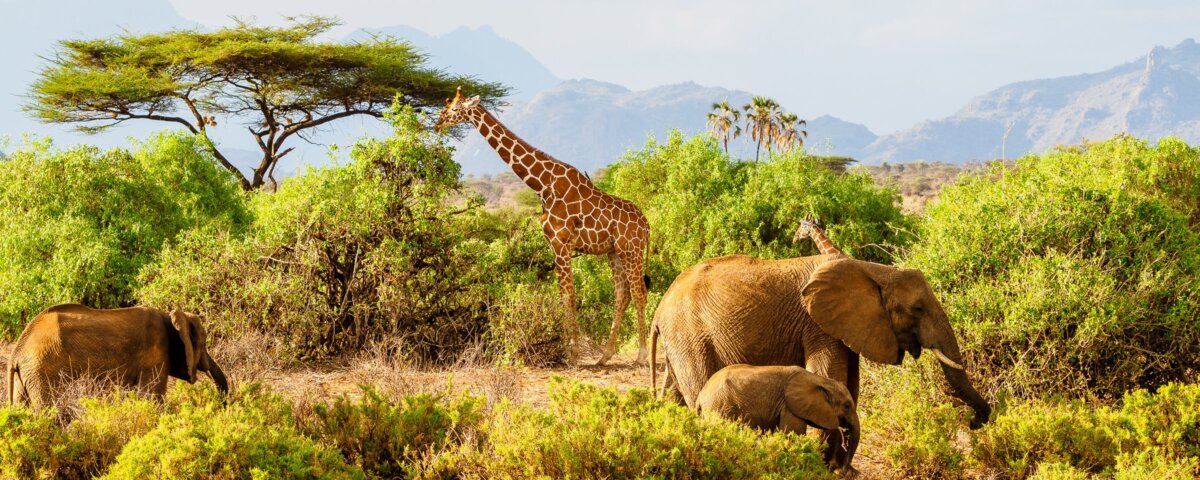
Samburu Special Five Wildlife
Samburu National Reserve in northern Kenya stands as one of Africa’s most remarkable wildlife destinations, offering a raw and authentic safari experience. Unlike more crowded parks, Samburu delivers a quieter, more intimate connection with nature, where wildlife roams freely across dramatic semi-arid landscapes. Travelers come here not only for classic safari sightings but also for the rare and unique species known as the “Samburu Special Five.”
This region blends striking scenery, rich biodiversity, and deep cultural heritage. The Ewaso Nyiro River flows through the reserve, attracting animals year-round and creating a lifeline in an otherwise dry environment. As a result, Samburu becomes a hotspot for photographers, wildlife enthusiasts, and adventure travelers seeking something beyond the ordinary safari circuit.
The Samburu Special Five includes species that exist primarily in northern Kenya’s ecosystem. These animals define the uniqueness of this region and set it apart from southern safari parks. Understanding these species, their habitats, and their behavior gives travelers a deeper appreciation of Samburu’s ecological importance. This guide explores each of the Special Five, along with travel insights that help create a meaningful and well-informed safari experience.
What Makes the Samburu Special Five Unique
The Samburu Special Five represents a group of rare and regionally adapted animals found in northern Kenya’s dry landscapes. These species include the Grevy’s zebra, reticulated giraffe, gerenuk, Beisa oryx, and Somali ostrich. Each animal has evolved unique traits that allow survival in harsh, arid conditions where water and vegetation remain limited.
Samburu National Reserve serves as one of the best places in Africa to observe these animals in their natural environment. Unlike the more commonly known “Big Five,” the Special Five highlights biodiversity that many travelers overlook. This concept strengthens the region’s tourism identity and encourages conservation efforts focused on lesser known but equally important wildlife species.
What makes these animals especially fascinating is their adaptation strategy. For example, some survive long periods without water, while others have developed feeding techniques that allow them to access vegetation unavailable to other herbivores. As travelers explore Samburu, they encounter a living example of evolution in action. This creates a powerful educational experience that enhances both ecological awareness and appreciation for Africa’s natural heritage.
Grevy’s Zebra: The Royal Striped Survivor
The Grevy’s zebra stands out as the largest and most endangered zebra species in the world. Unlike the common plains zebra, it features narrow stripes, a white belly, and a more mule like appearance. This species thrives mainly in northern Kenya, making Samburu one of its strongholds.
Grevy’s zebras prefer dry grasslands and depend heavily on water sources like the Ewaso Nyiro River. They live in loose social structures, often forming temporary groups rather than permanent herds. This behavior helps them adapt to unpredictable environmental conditions. Males establish territories around water access, especially during dry seasons, increasing their chances of survival and reproduction.
Tourists often find Grevy’s zebras fascinating due to their striking appearance and rarity. Their population has declined due to habitat loss and competition with livestock, making conservation efforts critical. In Samburu, visitors gain a rare opportunity to observe these zebras in the wild, which strengthens awareness about their fragile existence.
Photographers also appreciate the Grevy’s zebra for its bold striping patterns and elegant movement across open landscapes. Observing them in Samburu adds depth to any safari experience, especially for travelers interested in endangered wildlife conservation.
Reticulated Giraffe: The Artistic Giant of the North
The reticulated giraffe brings a unique visual charm to Samburu’s landscape. Known for its striking geometric coat pattern, this giraffe features bright white lines that form clean, net like shapes across a rich orange brown background. This pattern distinguishes it from other giraffe subspecies found in Africa.
Reticulated giraffes thrive in dry savannahs and rely on acacia trees for food. Their long necks allow them to reach high branches that other herbivores cannot access, reducing competition for food sources. They move gracefully across the landscape, often in small groups, creating unforgettable safari moments for visitors.
Samburu offers one of the best environments to observe these giraffes in their natural behavior. They often gather near water sources and open plains, making sightings relatively common. Their calm nature allows travelers to observe them at close range, especially during early morning or late afternoon game drives.
Beyond their beauty, reticulated giraffes play a vital role in maintaining ecological balance. They help control tree growth and support biodiversity within the savannah ecosystem. Their presence reflects a healthy environment, making them an important indicator species for conservation in northern Kenya.
Gerenuk: The Long-Necked Acrobat of the Bush
The gerenuk stands as one of the most unusual antelopes in Africa. Its name means “giraffe-necked,” and it perfectly describes its long neck and slender body. This animal possesses a unique ability to stand on its hind legs to reach leaves high above the ground.
In Samburu, gerenuks thrive in dry bushland areas where they feed on shrubs, leaves, and shoots. Their feeding style reduces competition with other herbivores, allowing them to survive in harsh environments. They rarely need to drink water, as they obtain moisture directly from the plants they consume.
Gerenuks often live in small groups or alone, making them less visible than larger herd animals. However, skilled guides in Samburu frequently spot them during game drives. Their alert posture and graceful movements make them a favorite among wildlife enthusiasts.
Visitors often find the gerenuk’s behavior both fascinating and entertaining. Watching it stretch upward on its hind legs creates a memorable safari moment. This species highlights the incredible diversity of adaptations that exist within Africa’s wildlife, especially in arid regions like Samburu.
Samburu Special Five Wildlife: Beisa Oryx,The Desert-Ready Antelope
The Beisa oryx represents strength and endurance in harsh landscapes. This antelope features a striking appearance with long straight horns, a white body, and bold black markings on its face and legs. It thrives in semi-desert environments where water remains scarce.
Beisa oryxes survive extreme heat by minimizing water loss and regulating body temperature efficiently. They can go long periods without drinking water, relying on moisture from vegetation. Their resilience makes them one of the most impressive species in Samburu’s ecosystem.
They usually live in small herds, moving across open plains in search of food. Their alert nature helps them detect predators early, increasing their survival chances. In Samburu, travelers often spot them grazing in dry riverbeds or open savannah areas.
The Beisa oryx plays an important ecological role by grazing on tough vegetation that other animals avoid. This helps maintain balance within the ecosystem. Observing them in Samburu gives visitors a deeper understanding of survival strategies in extreme environments and highlights the resilience of African wildlife.
Samburu Special Five Wildlife: Somali Ostrich,The Fastest Desert Bird
The Somali ostrich stands as a powerful and fast running bird adapted to arid environments. Unlike the common ostrich, it features blue gray skin on its neck and legs, which helps regulate body temperature in hot climates.
This bird thrives in Samburu’s dry landscapes, where it feeds on seeds, plants, and insects. Its strong legs allow it to run at incredible speeds, making it one of the fastest birds on land. This ability helps it escape predators and survive in open environments.
Somali ostriches often move in pairs or small groups, especially during breeding seasons. Males display striking courtship behavior, using their feathers and movements to attract females. These displays create exciting wildlife moments for safari travelers.
In Samburu, sightings of Somali ostriches add diversity to game drives. Their unique appearance and behavior make them a key highlight of the Special Five. They also contribute to the ecological balance by dispersing seeds and supporting plant regeneration in dry regions.
Samburu Special Five Wildlife: Best Time to Visit Samburu for Wildlife Viewing
Samburu offers excellent wildlife viewing throughout the year, but certain seasons enhance the safari experience. The dry season, which typically runs from June to October and December to March, provides the best conditions for spotting wildlife. During these months, animals gather around the Ewaso Nyiro River, making sightings more predictable.
The dry landscape also improves visibility, allowing travelers to observe animals from a distance without obstruction. Photographers benefit from clear skies and golden lighting, especially during early mornings and late afternoons.
The wet season brings lush greenery and fewer tourists, creating a peaceful safari atmosphere. Although animals spread out due to abundant water sources, birdlife becomes more active and vibrant during this period.
Choosing the right time depends on travel goals. Wildlife enthusiasts often prefer dry months for easier sightings, while nature lovers enjoy the dramatic scenery of the wet season. Either way, Samburu delivers a rewarding safari experience that highlights Africa’s raw beauty.
Samburu Special Five Wildlife: Cultural Experience with the Samburu People
Samburu’s cultural heritage adds depth to any safari experience. The Samburu people, closely related to the Maasai, maintain strong traditions that reflect a deep connection with the land and wildlife. Their semi-nomadic lifestyle revolves around cattle herding and seasonal movement.
Visitors often engage with local communities to learn about traditional practices, clothing, and social structures. The bright beadwork worn by Samburu women reflects cultural identity and storytelling traditions passed through generations.
Music and dance also play an important role in community life. These performances express celebration, unity, and respect for nature. Travelers gain valuable insight into how human life adapts to challenging environments while maintaining cultural integrity.
Cultural interactions in Samburu strengthen responsible tourism. They support local livelihoods and encourage conservation awareness. By engaging with communities, travelers connect more deeply with the region beyond wildlife viewing, creating a more meaningful and respectful travel experience.
Conservation and the Future of the Special Five
Conservation in Samburu is vital for protecting the Special Five and their habitat. Giant Holiday Safaris supports these efforts by promoting responsible travel and partnering with local initiatives to reduce threats from human activity and climate change.
Local groups focus on habitat preservation, anti‑poaching, and wildlife monitoring. Through Giant Holiday Safaris, travelers contribute directly to programs that stabilize endangered species like the Grevy’s zebra.
Tourism also funds conservation by generating revenue for communities and parks. Guests traveling with Giant Holiday Safaris are encouraged to respect wildlife, minimize waste, and adopt eco friendly practices.
Samburu’s success depends on collaboration among communities, governments, and visitors. Giant Holiday Safaris helps create this balance, ensuring biodiversity is protected while supporting local livelihoods.
Ultimately, safeguarding the Special Five secures Samburu’s future. With Giant Holiday Safaris, travelers enjoy authentic safaris while contributing to sustainable conservation.
Conclusion
The Samburu Special Five deliver a rare safari experience that highlights Africa’s biodiversity. Giant Holiday Safaris ensures travelers enjoy these unique encounters through expertly guided tours and personalized itineraries.
Samburu National Reserve is more than a destination it’s a living classroom for conservation and culture. With Giant Holiday Safaris, visitors gain deeper awareness of nature while enjoying comfortable, well planned safaris.
By practicing responsible tourism, guests help preserve this ecosystem. Giant Holiday Safaris promotes sustainable travel, ensuring the Special Five continue to define Samburu as a world class safari destination.