Uganda gorilla trekking age limit
April 21, 2026
Kenya Safari Cultural Experiences Guide
April 21, 2026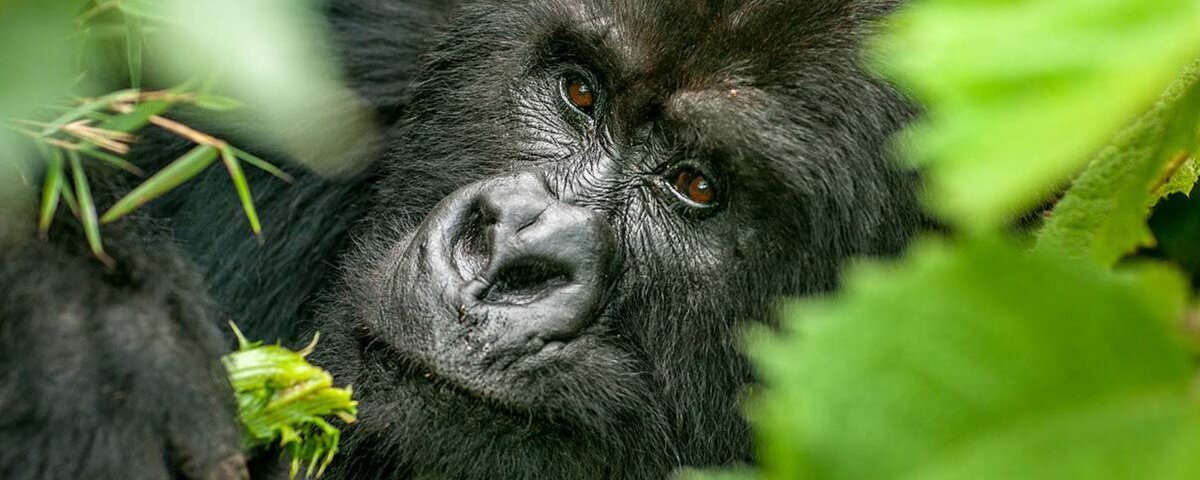
Uganda Gorilla Trekking Difficulty Level
Uganda gorilla trekking difficulty level: Uganda gorilla trekking stands as one of the most rewarding wildlife experiences in the world. Every year, travelers from different continents arrive in Uganda with one goal: to meet the endangered mountain gorillas in their natural rainforest habitat. However, before embarking on this adventure, many visitors ask an important question how difficult is gorilla trekking in Uganda?
The answer depends on several factors, including fitness level, terrain, weather conditions, and the location of the gorilla family. Although the experience involves hiking through dense forests and uneven landscapes, it remains achievable for most travelers with basic physical fitness and proper preparation. Moreover, the journey delivers unmatched emotional and visual rewards that far outweigh the effort required.
Uganda offers some of the best gorilla trekking destinations in Africa, especially in places like Bwindi Impenetrable National Park and Mgahinga Gorilla National Park. These parks provide authentic rainforest adventures filled with rich biodiversity, stunning scenery, and unforgettable encounters with mountain gorillas.
Understanding Uganda Gorilla Trekking Difficulty Level
Uganda gorilla trekking generally falls between moderate and challenging in difficulty. It is not a simple walk in the park, but it also does not require professional mountaineering skills. Instead, it involves hiking through thick forests, climbing hills, and walking on uneven terrain for a few hours.
The difficulty level changes depending on where the gorilla families are located on a given day. Sometimes, trekkers find gorillas within one hour of hiking. On other occasions, the search can take five to eight hours. Because gorillas move freely in the forest, their location shifts daily, which adds unpredictability to the trek.
Additionally, Uganda’s rainforest environment includes slippery paths, steep slopes, and dense vegetation. These natural conditions increase the physical demand of the activity. However, trained guides and park rangers lead every trek, ensuring safety and offering support throughout the journey.
Despite the challenges, most travelers complete the trek successfully. With proper pacing, rest breaks, and guidance from experienced trackers, the adventure remains manageable and enjoyable. Ultimately, the difficulty level becomes part of what makes the experience so meaningful and memorable.
Terrain and Forest Conditions in Bwindi & Mgahinga
The terrain plays a major role in the difficulty of Uganda gorilla trekking. Most treks take place in Bwindi Impenetrable National Park, a UNESCO World Heritage Site known for its dense rainforest, steep hills, and thick vegetation. The name “impenetrable” reflects the true nature of the forest, as it features narrow trails and heavy plant growth.
Trekkers often walk through muddy paths, especially during the rainy seasons. The ground can become slippery, requiring careful footing and steady movement. In addition, the forest includes steep inclines and occasional descents that demand strength and endurance.
Mgahinga Gorilla National Park offers a slightly different experience. While still mountainous, it features more open bamboo forests and less dense vegetation compared to Bwindi. This can make trekking slightly easier in some areas, although steep volcanic slopes still present challenges.
Both parks offer breathtaking scenery, including lush greenery, mist-covered hills, and diverse wildlife. Although the terrain tests physical ability, it also creates an immersive natural experience that connects travelers deeply with the environment.
Physical Fitness Requirements for Gorilla Trekking
Uganda gorilla trekking does not require advanced athletic ability, but it does demand a reasonable level of fitness. Travelers should feel comfortable walking for several hours, sometimes uphill, while navigating uneven ground.
Basic endurance plays a key role. Those who engage in regular walking, hiking, or light exercise often find the trek more manageable. However, even beginners can complete the experience successfully when they move at a steady pace and take breaks when needed.
Strength also matters, especially when climbing steep sections of the forest. Carrying a small backpack with water, snacks, and rain gear requires some physical effort. However, porters are available in most parks to assist visitors with their luggage, making the trek easier.
Importantly, mental readiness also contributes to success. Staying patient, maintaining a positive mindset, and following guide instructions help travelers manage the physical demands of the journey. In the end, the experience focuses more on endurance and determination than speed or athletic performance.
Distance, Duration, and Hiking Time Expectations
The distance covered during gorilla trekking in Uganda varies widely. On average, treks last between 2 and 6 hours, depending on the location of the gorilla family. In some rare cases, hikes may extend beyond 8 hours, especially when gorillas move deep into the forest.
The total distance can range from a few kilometers to more than 10 kilometers in a single trek. However, distance alone does not define difficulty. The terrain and elevation changes significantly affect how challenging the hike feels.
Trekkers start early in the morning with a briefing from park rangers. After that, groups begin the search for gorillas, guided by trackers who move ahead to locate the animals. Once the gorillas are found, visitors spend one hour observing them.
Because of the unpredictable nature of gorilla movement, each trek offers a unique experience. Some travelers enjoy shorter hikes, while others embrace longer, more challenging journeys. Regardless of duration, the reward remains the same an unforgettable encounter with wild mountain gorillas.
Age Limits and Trekking Regulations
Uganda enforces clear rules to ensure safety and conservation during gorilla trekking. One of the most important regulations is the minimum age requirement of 15 years. This rule ensures that participants have the physical and emotional maturity needed for the trek.
There is no strict upper age limit, but older travelers should assess their fitness level before booking. Many older people successfully complete gorilla trekking by choosing easier routes and hiring porters for support.
In addition, Uganda Wildlife Authority limits the number of daily visitors to each gorilla group. Only eight people visit a single gorilla family per day. This regulation reduces stress on the animals and improves the trekking experience.
Visitors must also follow strict guidelines during the encounter, including maintaining distance from gorillas and avoiding direct contact. These rules protect both humans and gorillas, ensuring sustainable tourism.
Overall, the regulations help balance adventure, safety, and conservation, making Uganda a trusted destination for responsible wildlife tourism.
Factors That Influence Trekking Difficulty
Several factors determine how easy or difficult gorilla trekking becomes in Uganda. One of the most important factors is the location of the gorilla family. If the group stays near the park entrance, the trek becomes shorter and easier. However, if they move deeper into the forest, the challenge increases.
Weather conditions also play a major role. Rainfall can make trails slippery and more physically demanding. Uganda’s tropical climate means rain can fall at any time, especially in Bwindi.
Another factor is individual fitness level. Travelers who stay active and prepare physically often find the trek more enjoyable. On the other hand, those with limited fitness may experience more fatigue.
Additionally, the choice of park and sector influences difficulty. Some regions of Bwindi feature steeper terrain, while others offer relatively gentler slopes.
Finally, the support from guides and porters significantly reduces difficulty. Their experience and assistance make the journey smoother, safer, and more manageable for all participants.
How to Prepare for a Successful Gorilla Trek
Proper preparation greatly improves the gorilla trekking experience in Uganda. First, travelers should engage in light physical training before the trip. Activities like walking, hiking, or stair climbing help build stamina and leg strength.
Wearing the right clothing also matters. Long-sleeved shirts, long trousers, and waterproof hiking boots provide protection from vegetation and muddy paths. A light rain jacket is essential due to unpredictable weather.
Carrying the right gear improves comfort. Water, energy snacks, gloves, and a small backpack make the trek easier. Additionally, hiring a porter helps reduce physical strain and supports local communities.
Mental preparation is equally important. Travelers should expect challenges and remain flexible throughout the journey. The ability to adapt to changing conditions enhances the overall experience.
Finally, listening carefully to guides ensures safety and efficiency. Their instructions help trekkers navigate the forest successfully and increase the chances of a rewarding encounter with gorillas.
What to Expect on the Trekking Day
The gorilla trekking day begins early in the morning with a briefing at the park headquarters. Rangers explain the rules, assign trekking groups, and provide safety guidelines. After this, trekkers head into the forest with experienced guides.
The hike begins slowly as groups enter dense vegetation. Along the way, trekkers may encounter wildlife, birds, and unique plant species. The atmosphere feels adventurous and unpredictable, adding excitement to the journey.
As trekkers move deeper into the forest, trackers communicate the location of the gorillas. Once the group finds them, the experience becomes truly magical. Visitors spend one hour observing the gorillas as they feed, play, and interact naturally.
After the visit, trekkers return to the starting point. The return journey often feels easier due to excitement and satisfaction from the encounter. Overall, the day offers both physical challenge and emotional reward.
Why Uganda Gorilla Trekking Is Worth the Effort
Despite its moderate difficulty, gorilla trekking in Uganda remains one of the most valuable wildlife experiences in the world. The chance to observe endangered mountain gorillas in their natural habitat creates a powerful connection with nature.
The experience also supports conservation efforts and local communities. Tourism revenue helps protect gorilla populations and improves livelihoods in surrounding areas.
Moreover, Uganda offers authentic and less crowded trekking experiences compared to other destinations. This allows for deeper engagement with nature and more personal encounters with wildlife.
Ultimately, the effort required during the trek becomes insignificant compared to the emotional impact of meeting gorillas face-to-face. The experience leaves lasting memories that travelers carry for a lifetime.
Uganda gorilla trekking difficulty level Conclusion
Uganda gorilla trekking difficulty level: Uganda gorilla trekking presents a moderate to challenging adventure that rewards travelers with one of the most extraordinary wildlife encounters on Earth. While the journey involves physical effort, uneven terrain, and unpredictable conditions, proper preparation and guidance make it achievable for most visitors.
With its rich forests, experienced guides, and well-managed conservation systems, Uganda continues to stand out as a top destination for gorilla trekking in Africa. Travelers who embrace the challenge discover not only gorillas but also the raw beauty of Uganda’s natural landscapes.
For anyone seeking an unforgettable African safari experience, gorilla trekking in Uganda delivers both adventure and deep emotional connection with wildlife.
Combined Uganda, Kenya, Rwanda and Tanzania Safaris
17 days Kenya Tanzania and Uganda safari
19 Days Uganda Kenya and Tanzania Safari
16 Days Kenya Tanzania and Uganda Safari
14 Days Kenya Uganda and Tanzania Safari
14 Days Kenya Uganda and Rwanda Safari