Uganda gorilla trekking requirements
April 21, 2026
Uganda gorilla trekking difficulty level
April 21, 2026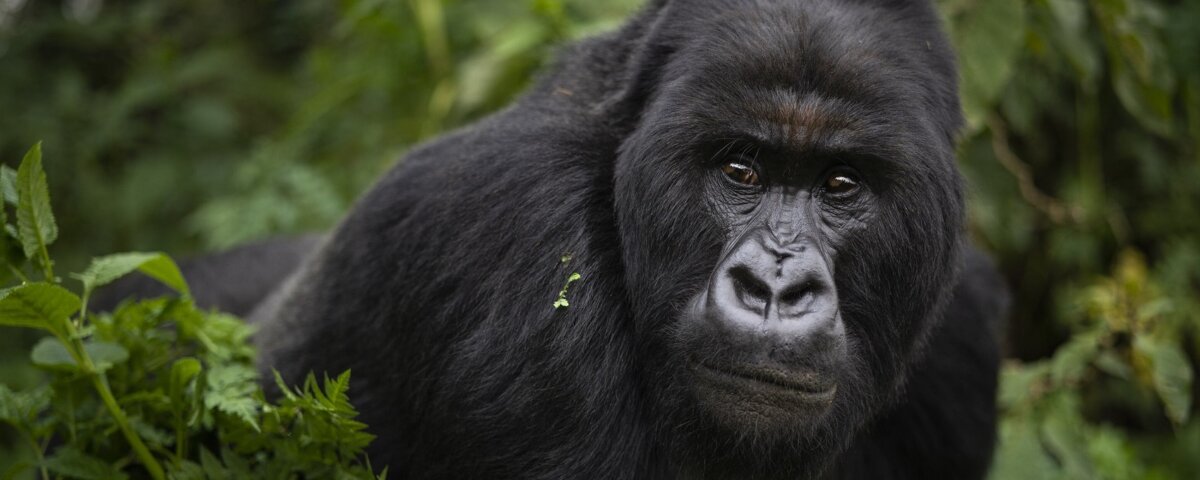
Uganda Gorilla Trekking Age Limit
Uganda gorilla trekking age limit: Uganda stands among the top gorilla trekking destinations in the world, attracting travelers who seek life-changing wildlife encounters. In particular, trekking mountain gorillas in Uganda offers a rare opportunity to observe these gentle giants in their natural forest habitat. However, one important rule shapes this experience for all visitors: the Uganda gorilla trekking age limit. This rule ensures safety, conservation, and a positive experience for both travelers and gorillas.
As gorilla tourism continues to grow, Uganda maintains strict guidelines that protect the fragile ecosystem and regulate human interaction with mountain gorillas. Therefore, understanding the age limit becomes essential for anyone planning a safari. In addition, it helps families, solo travelers, and tour operators prepare better for the journey.
Official Age Limit for Gorilla Trekking in Uganda
Uganda enforces a clear minimum age limit of 15 years for all gorilla trekking activities. This rule applies across all gorilla trekking destinations, including both Bwindi Impenetrable National Park and Mgahinga Gorilla National Park. No visitor below 15 years can join a gorilla trekking group, regardless of physical fitness or experience.
Authorities set this age requirement to ensure that every participant can handle the physical and emotional demands of trekking. Gorilla trekking often involves long hikes through dense forests, uneven terrain, and unpredictable weather conditions. Therefore, Uganda Wildlife Authority maintains this strict rule to protect both young travelers and the gorillas themselves.
Why Uganda Enforces Minimum Age Limit
Uganda’s decision to enforce a minimum age limit for gorilla trekking comes from several important conservation and safety reasons. First, mountain gorillas share close genetic similarities with humans, which makes them vulnerable to human diseases. Children under 15 often struggle to follow strict hygiene rules, such as wearing masks or maintaining distance, which increases health risks for gorillas.
Secondly, gorilla trekking requires patience, discipline, and emotional maturity. Trekkers must stay calm during encounters and follow ranger instructions without hesitation. Younger children may find it difficult to maintain silence or control excitement, which can disturb gorilla families in their natural environment.
Furthermore, the physical challenge of trekking also plays a major role. Trails in Uganda’s rainforests can be steep, muddy, and unpredictable. Therefore, authorities prioritize participants who can endure long walks without distress. As a result, the age limit protects both human participants and wildlife.
Overall, this rule supports conservation goals, improves visitor safety, and enhances the quality of gorilla trekking experiences in Uganda.
Health, Fitness, and Safety Requirements for Trekkers
Although the minimum age limit is 15 years, Uganda also expects all trekkers to meet certain health and fitness standards. Gorilla trekking demands moderate to high physical effort, especially in mountainous regions. Therefore, travelers should prepare their bodies for long hikes that may last several hours.
In addition, participants should avoid trekking if they have contagious illnesses like flu or cough. Rangers often check visitors at the start of the trek to ensure that everyone is in good health. This step protects mountain gorillas, as they easily catch human diseases.
Fitness also plays an important role. While trekkers do not need to be professional hikers, they should maintain a reasonable level of endurance. Regular walking, light exercise, or stair climbing before the safari can help improve stamina.
Moreover, safety briefings guide all trekkers before entering the forest. Rangers explain how to behave around gorillas, maintain safe distances, and respond to unexpected situations. These guidelines ensure that every trek remains safe, controlled, and enjoyable for all participants.
Gorilla Trekking Rules for Families and Children
Families often dream of experiencing gorilla trekking together, but the age restriction shapes how they plan their safari. Since children under 15 cannot join trekking activities, families with younger children must consider alternative arrangements.
For example, tour operators often suggest cultural visits, nature walks, or community tours for children while adults go trekking. These activities still provide meaningful experiences and allow families to explore Uganda’s rich biodiversity and culture.
In addition, some lodges near gorilla parks offer child-friendly programs. These programs include storytelling, local village visits, and educational nature sessions. As a result, children remain engaged while learning about wildlife conservation.
Parents also benefit from planning ahead. By understanding the age limit early, they can design a safari itinerary that suits the entire family. This approach prevents disappointment and ensures a smooth travel experience.
Ultimately, while gorilla trekking remains restricted for younger children, Uganda still offers many family-friendly alternatives that make the journey memorable for all ages.
Exceptions and Special Cases for Age Limit
Uganda maintains a strict 15-year minimum age policy, and exceptions remain extremely rare. Park authorities prioritize safety and conservation, so they do not allow flexibility in most cases. Even physically strong teenagers below the age of 15 cannot participate in gorilla trekking.
However, in some special situations, authorities may evaluate borderline cases carefully. For instance, a traveler who turns 15 shortly after the trekking date may receive guidance on permit timing. Still, such cases depend entirely on official verification and park regulations.
Tour operators also play an important role in enforcing this rule. They ensure that all clients meet requirements before issuing bookings or permits. This system prevents last-minute issues at park entry points.
Therefore, travelers should not plan around exceptions. Instead, they should respect the rule and focus on proper timing. By doing so, they avoid disappointment and ensure a smooth safari experience.
In conclusion, Uganda’s strict enforcement of the age limit reflects its commitment to protecting both tourists and mountain gorillas in a sustainable tourism environment.
Gorilla Trekking Experience in Bwindi and Mgahinga
Uganda offers two main destinations for gorilla trekking, both known for breathtaking scenery and rich biodiversity. The first is Bwindi Impenetrable National Park, which hosts the largest population of mountain gorillas in the country. This park features dense forests, steep slopes, and a variety of trekking routes that challenge and excite visitors.
The second destination is Mgahinga Gorilla National Park, located in the Virunga mountain range. Although smaller, this park offers a unique trekking experience with stunning volcanic landscapes and fewer crowds.
In both parks, trekkers join small groups led by experienced rangers. These guides track gorilla families early in the morning and lead visitors through the forest for an unforgettable encounter. As trekkers approach gorillas, they observe natural behaviors such as feeding, grooming, and playing.
Moreover, each trekking experience feels different because gorilla movements change daily. This unpredictability adds excitement and authenticity to the adventure. Overall, both parks provide world-class gorilla trekking experiences that make Uganda a top destination for wildlife tourism.
How to Prepare for Gorilla Trekking in Uganda
Proper preparation plays a key role in enjoying gorilla trekking in Uganda. First, travelers should secure their gorilla permits early, as demand remains high throughout the year. Planning several months in advance improves chances of getting preferred dates.
Second, packing the right gear makes a big difference. Sturdy hiking boots, long-sleeved clothing, rain jackets, and gloves help protect against rough terrain and changing weather conditions. In addition, carrying enough water and light snacks keeps energy levels stable during the trek.
Physical preparation also matters. Regular walking, hiking, or cardio exercises before the trip help improve endurance. This preparation ensures that trekkers handle long forest hikes comfortably.
Furthermore, mental readiness is equally important. Travelers should understand that gorilla trekking involves patience and respect for wildlife. Rangers provide detailed instructions before each trek, so listening carefully enhances safety and enjoyment.
By preparing well, travelers increase their chances of having a smooth, safe, and unforgettable gorilla trekking experience in Uganda.
Booking Gorilla Permits and Choosing a Tour Operator
Booking a gorilla permit stands as the most important step when planning a trekking safari in Uganda. These permits are limited and managed by Uganda Wildlife Authority. Therefore, travelers should book early to secure availability, especially during peak seasons.
Working with a reliable tour operator simplifies the entire process. A professional company handles permit reservations, transportation, accommodation, and itinerary planning. This support ensures that travelers avoid stress and focus on the experience itself.
In addition, experienced operators provide valuable guidance on park selection, trekking difficulty, and best travel seasons. They also ensure compliance with rules, including the Uganda gorilla trekking age limit, which prevents issues during the trip.
Clear communication with the operator helps travelers customize their safari according to budget and preferences. As a result, visitors enjoy a well-organized and seamless adventure from arrival to departure.
Ultimately, proper booking and the right tour partner create a smooth path toward an unforgettable gorilla trekking experience in Uganda.
Final Thoughts
The Uganda gorilla trekking age limit plays a vital role in protecting both wildlife and visitors. By setting a minimum age of 15 years, Uganda ensures that every trek remains safe, responsible, and sustainable. This rule also strengthens conservation efforts and preserves the natural behavior of mountain gorillas.
Although the restriction may limit participation for younger travelers, it supports long-term tourism success and environmental protection. At the same time, Uganda offers alternative experiences that allow families and children to enjoy the country’s beauty.
For travelers planning a gorilla trekking safari, understanding this rule becomes essential. With proper preparation, early booking, and guidance from trusted tour operators, the journey becomes smooth and rewarding.
Ultimately, Uganda continues to stand as a leading destination for gorilla trekking in Africa, offering unmatched wildlife encounters and authentic rainforest adventures for global travelers.
Combined Uganda, Kenya, Rwanda and Tanzania Safaris
17 days Kenya Tanzania and Uganda safari
19 Days Uganda Kenya and Tanzania Safari
16 Days Kenya Tanzania and Uganda Safari
14 Days Kenya Uganda and Tanzania Safari
14 Days Kenya Uganda and Rwanda Safari