Giraffe Species in Kenya
April 25, 2026
Zebra Migration Patterns in Kenya
April 25, 2026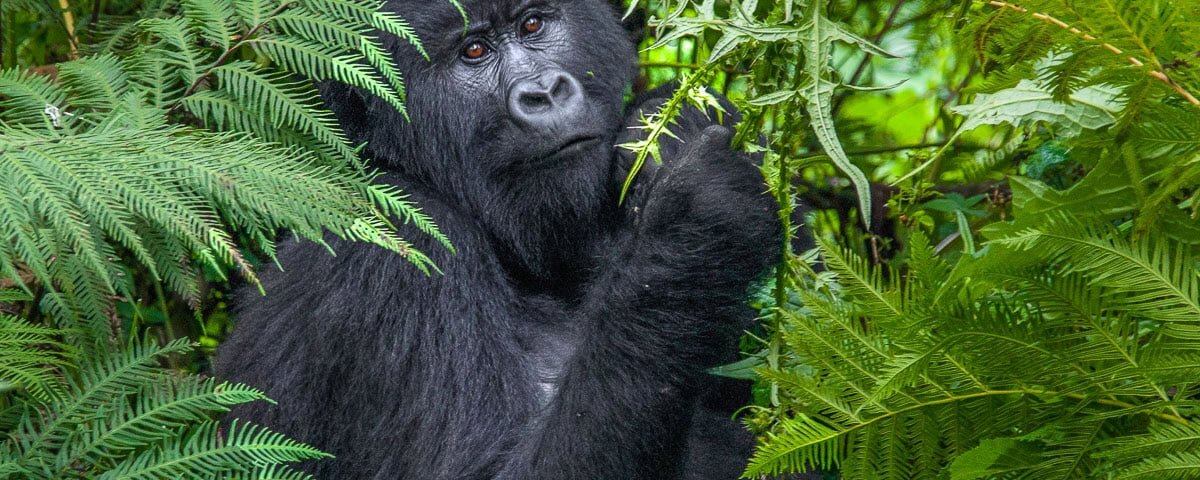
Uganda Gorilla Trekking Hiking Distance
Uganda gorilla trekking hiking distance is one of the most important things travelers need to understand before planning a gorilla safari. Many visitors dream of meeting mountain gorillas in the wild, but they often ask one key question: how far do you need to hike to see them? The answer depends on several factors, including the gorilla family assigned to you, the location of the gorillas on that day, the weather, and your physical fitness level.
Uganda offers some of the best gorilla trekking experiences in Africa, especially in Bwindi Impenetrable National Park and Mgahinga Gorilla National Park. These parks protect endangered mountain gorillas and provide travelers with unforgettable jungle adventures. However, the trekking experience involves walking through steep hills, dense forests, muddy trails, and uneven terrain. Because of this, understanding hiking distance helps visitors prepare both mentally and physically.
Some gorilla families stay close to the starting point, while others move deep into the forest. This means your trek may last from 30 minutes to over 6 hours before you find the gorillas. The hiking distance can range from 2 kilometers to over 15 kilometers depending on the gorillas’ movement.
Planning your safari with the right expectations improves your overall experience. It helps you choose the best lodge, pack correctly, and prepare your body for the adventure ahead. In this guide, we explain everything about Uganda gorilla trekking hiking distance so you can confidently prepare for your once-in-a-lifetime gorilla safari.
How Far Do You Hike During Gorilla Trekking in Uganda?
The hiking distance during gorilla trekking in Uganda varies every day because mountain gorillas move freely in the forest. Rangers track their location early in the morning before visitors begin the trek. This means no two gorilla treks are exactly the same.
On average, most trekkers hike between 2 and 8 kilometers before reaching the gorillas. In some cases, visitors may walk only 30 minutes if the gorillas stay near the park entrance. On other days, trekking may take 4 to 6 hours, especially when gorillas move deeper into the forest or climb higher slopes.
Bwindi Impenetrable National Park has four main trekking sectors: Buhoma, Ruhija, Rushaga, and Nkuringo. Each sector offers different trail conditions and hiking distances. Nkuringo and Ruhija often involve steeper climbs because of higher elevation, while Buhoma may offer slightly easier trails depending on the gorilla family assigned.
In Mgahinga Gorilla National Park, trekking can also be challenging because of volcanic terrain and mountain slopes. However, the scenery is spectacular, and many travelers enjoy the adventure.
The hiking distance depends on luck, nature, and gorilla movement. Therefore, flexibility is very important. Visitors should prepare for both short and long treks instead of expecting a fixed distance.
Factors That Affect Gorilla Trekking Hiking Distance
Several important factors affect Uganda gorilla trekking hiking distance. Understanding these helps travelers plan better and avoid surprises during the trek.
The first factor is gorilla movement. Mountain gorillas do not stay in one place. They move daily in search of food, nesting areas, and safety. Rangers locate them early each morning, but sometimes they move farther before trekkers arrive.
Secondly, the trekking sector matters. In Bwindi Impenetrable National Park, some sectors have gentler slopes while others involve steep climbs and deeper valleys. Nkuringo, for example, is known for tougher hikes compared to Buhoma.
Weather also plays a major role. During the rainy season, trails become muddy, slippery, and slower to walk through. Heavy rain can increase hiking time even if the actual distance is short. Dry season trekking often feels easier because paths remain firmer.
Fitness level is another factor. Some visitors walk faster and handle steep terrain more comfortably, while others need more breaks. Rangers usually adjust the pace to support everyone, but physical preparation improves the experience.
Age can also influence gorilla group assignment. Older travelers sometimes request shorter hikes, and park authorities may try to assign them to nearer gorilla families when possible, although this is never guaranteed.
Finally, altitude affects energy levels. The parks sit at high elevations, and some visitors feel tired more quickly than expected.
These factors together shape your trekking distance and overall hiking experience.
Is Gorilla Trekking in Uganda Difficult?
Many travelers ask if gorilla trekking in Uganda is difficult. The honest answer is yes, it can be challenging, but it is also manageable for most people with the right preparation and mindset.
The trails pass through thick forests, steep hills, narrow paths, and muddy ground. Sometimes trekkers climb uphill for long periods, cross small streams, or walk through thick vegetation. This makes the experience physically demanding, especially for travelers who are not used to hiking.
However, gorilla trekking is not only for athletes or expert hikers. Many people of different ages successfully complete the trek every day. Park rangers and guides provide support throughout the journey. They set a comfortable pace, allow rest stops, and help visitors navigate difficult sections.
Porters are also available and highly recommended. They carry bags, offer support on slippery trails, and make the hike much easier. Hiring a porter also supports local communities around the parks.
The reward makes every step worth it. Standing face to face with a wild mountain gorilla creates a powerful and emotional experience that most travelers never forget.
Mental preparation matters as much as physical fitness. Visitors who expect adventure rather than comfort usually enjoy the trek more. Instead of focusing on the difficulty, focus on the privilege of entering one of Africa’s most extraordinary wildlife habitats.
So yes, gorilla trekking can be tough, but with preparation and the right attitude, it becomes one of the best safari experiences in Uganda.
How to Prepare for Long Gorilla Trekking Hikes
Good preparation makes a huge difference in Uganda gorilla trekking hiking distance. Since trekking conditions can change quickly, preparing well helps you stay comfortable and enjoy the experience fully.
Start with physical preparation before your safari. Walking regularly, climbing stairs, and doing light hiking several weeks before your trip improves stamina. You do not need intense training, but basic fitness helps a lot. Stretching and simple cardio exercises also improve endurance.
Packing the right gear is equally important. Strong waterproof hiking boots with good grip protect your feet on muddy and slippery trails. Long trousers and long-sleeved shirts protect against insects, stinging plants, and scratches from thick vegetation.
A light rain jacket is essential because forest weather changes quickly. Carry enough drinking water to stay hydrated during the hike. Energy snacks like nuts, bananas, or granola bars also help during longer treks.
Gardening gloves may sound unusual, but they help when holding branches or grabbing support on steep slopes. A walking stick, usually provided at the park, adds balance and stability.
Hiring a porter is one of the smartest decisions for many trekkers. They carry your backpack and provide physical support during difficult sections. This makes long hikes much easier and more enjoyable.
Most importantly, prepare mentally. Gorilla trekking is an adventure in nature, not a luxury walk. Expect mud, sweat, and effort. When you accept that, every moment becomes part of the unforgettable safari experience.
Best Time for Easier Gorilla Trekking in Uganda
The best time for easier gorilla trekking in Uganda usually falls during the dry seasons. These months offer better hiking conditions and make long trekking distances feel less demanding.
Uganda’s main dry seasons run from June to September and from December to February. During these months, trails are generally drier, less slippery, and easier to walk through. Forest paths remain challenging, but visitors usually move faster and with less physical strain compared to the rainy season.
In contrast, the rainy seasons from March to May and October to November create muddy trails and slippery slopes. Even short hiking distances can feel much harder during these months. Heavy rain also slows trekking speed and increases fatigue.
However, rainy season trekking has some advantages. The forest looks greener, permits may be easier to secure, and some lodges offer lower rates. Travelers who do not mind mud can still enjoy excellent gorilla encounters.
The best trekking month also depends on personal preference. Some travelers prefer fewer crowds and lower prices, while others prioritize easier hiking conditions and sunny weather.
Booking your accommodation near your trekking sector also helps reduce travel stress. Staying close to the park headquarters allows an easier early morning start and better rest before trekking day.
No matter the season, gorilla sightings remain excellent throughout the year because mountain gorillas stay in the forest year-round. Choosing the right season mainly affects trail conditions and hiking comfort rather than wildlife success.
For travelers concerned about Uganda gorilla trekking hiking distance, the dry season often provides the easiest and most comfortable experience.
Why Gorilla Trekking Is Worth Every Step
Uganda gorilla trekking hiking distance may sound intimidating at first, but every step leads to one of the most extraordinary wildlife experiences on earth. The effort, sweat, and long walk become part of a story travelers proudly remember for life.
Seeing mountain gorillas in their natural habitat creates a deep emotional connection. Watching a silverback protect his family, seeing young gorillas play, or observing a mother care for her baby feels powerful and unforgettable. No zoo experience can compare to this moment in the wild.
Uganda offers a more intimate and authentic trekking experience because of its rich forest landscapes and strong conservation efforts. Visiting Bwindi Impenetrable National Park or Mgahinga Gorilla National Park also supports gorilla protection and local communities. Your permit directly contributes to conservation and community development.
The hiking journey itself adds value to the safari. Walking through ancient rainforests, hearing birds sing, and feeling the fresh mountain air create a full nature experience, not just a wildlife sighting.
Many travelers arrive worried about the hiking distance but leave saying it was the highlight of their African adventure. The challenge becomes part of the reward.
Uganda gorilla trekking is not simply about reaching gorillas. It is about the journey, the connection with nature, and the privilege of meeting one of the world’s rarest animals in the wild. That is why every single step is worth it.