
Uganda gorilla trekking hiking distance
April 25, 2026
Kilimanjaro Hygiene Guide – A Climber’s Guide To Personal Hygiene During Kilimanjaro Climb
April 26, 2026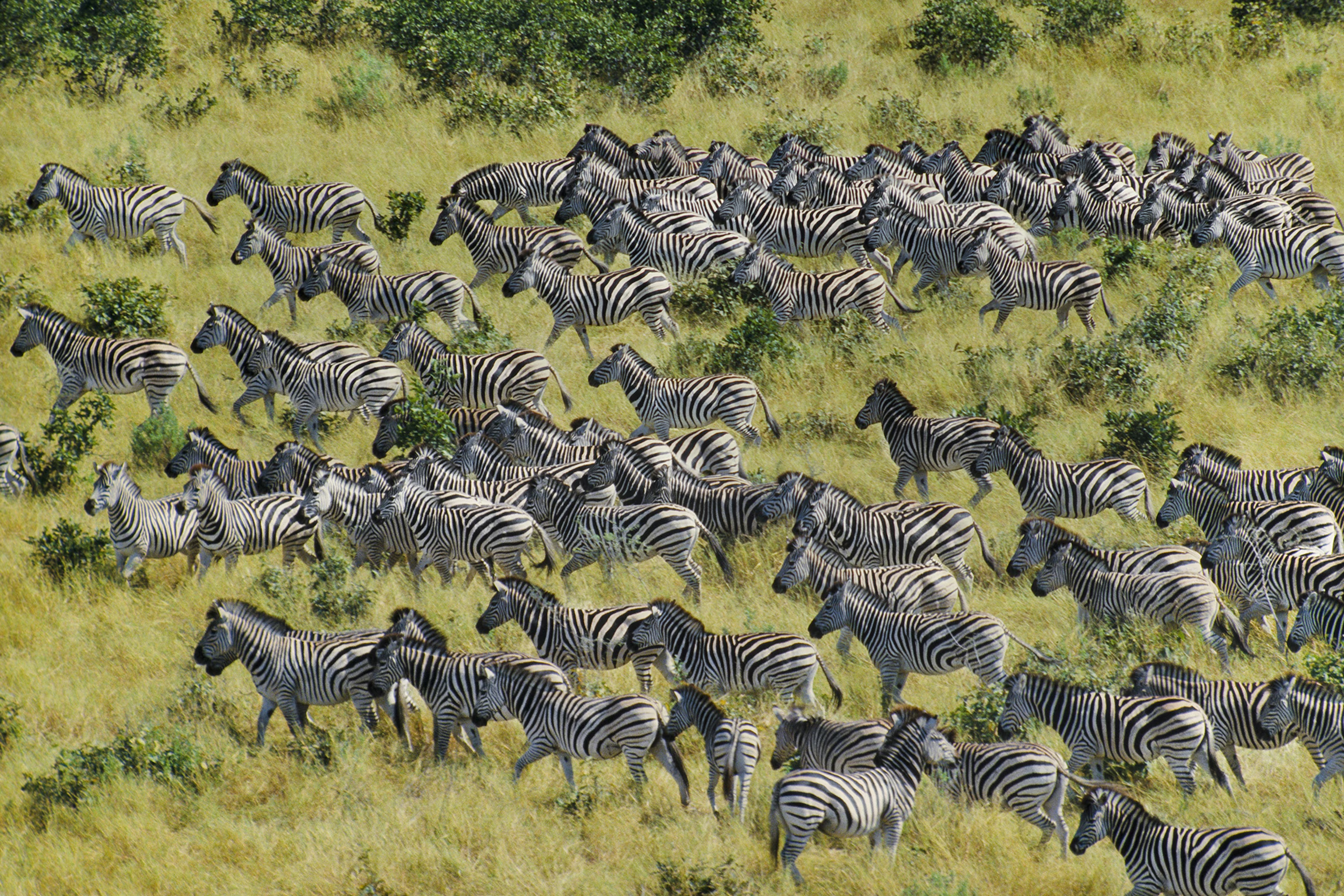
Zebra Migration Patterns in Kenya
Zebra migration patterns in Kenya create one of the most dynamic wildlife spectacles in Africa. From the vast plains to river crossings, these striped travelers move with purpose and rhythm. As I follow their journeys, I see more than movement; I see survival, timing, and strong instinct. Every step they take shapes the balance of the ecosystem and keeps the landscape alive.
Moreover, zebra migration does not happen randomly. Instead, it follows seasonal changes, rainfall patterns, and the search for fresh grass. Because of this, each journey feels strategic and essential. In addition, zebras often travel alongside other species, which adds more depth and excitement to the experience.
Kenya stands out as a prime destination to witness these movements. Its open savannahs, protected reserves, and strong conservation efforts support healthy zebra populations. As a result, travelers enjoy consistent sightings and meaningful encounters.
In this guide, I explain how zebra migration works, where to see it, when to visit, and how to plan your safari. By the end, you will understand the patterns behind the movement and feel ready to experience one of Kenya’s most fascinating wildlife journeys.
Understanding Zebra Migration Behavior
Zebra migration in Kenya follows clear patterns driven by survival needs. Unlike random movement, zebras travel in response to changing environmental conditions. Therefore, understanding their behavior helps you predict where and when to find them.
First, zebras move in search of fresh grass and water. After rainfall, new grass grows quickly, and zebras respond by shifting their location. Because of this, their migration closely follows seasonal rains. In addition, they prefer short grass, which gives them a clear view of predators.
Zebras also rely on strong group structure. They travel in family units within larger herds. As a result, they stay alert and protect each other from danger. This social behavior strengthens their chances of survival.
Another important factor involves memory. Zebras remember migration routes and return to the same areas year after year. Therefore, their movement feels consistent and predictable over time.
By observing these behaviors, you gain deeper insight into their journey. As a result, your safari experience becomes more meaningful and engaging.
Key Zebra Migration Routes in Kenya
Kenya hosts several important zebra migration routes, and each one offers a unique experience. Therefore, knowing these routes helps you plan a successful safari.
The Maasai Mara ecosystem supports one of the most well known migration paths. Zebras move across the plains in search of fresh grazing areas. In addition, they often travel alongside wildebeest, which creates dramatic scenes across the landscape.
Another key route appears between the Loita Plains and the Maasai Mara. During seasonal changes, zebras move between these areas to follow rainfall. Because of this movement, the region remains active throughout the year.
In northern Kenya, Samburu hosts its own migration patterns. Here, Grevy’s zebras move across dry terrain in search of water and food. This route feels different because of the harsh environment and unique species.
Laikipia also plays an important role. Private conservancies support zebra movement and provide safe corridors. As a result, zebras move more freely without heavy human pressure.
By exploring multiple routes, you increase your chances of witnessing diverse migration patterns.
Types of Zebras Found in Kenya
Kenya supports three main types of zebras, and each one adds variety to the migration experience. Because of this diversity, your safari becomes more interesting and educational.
First, the Plains zebra appears most commonly. It lives in large herds and forms the backbone of migration across the Maasai Mara. Its bold black and white stripes stand out clearly on the open plains.
Next, the Grevy’s zebra lives in northern Kenya. It shows thinner stripes and a white belly. Unlike Plains zebras, it forms smaller groups and adapts to drier conditions. Because of this, spotting Grevy’s zebras feels more exclusive.
Finally, the Mountain zebra rarely appears in Kenya, as it mainly lives in southern Africa. However, understanding its differences helps you appreciate the diversity of zebra species across the continent.
Each species plays a role in the ecosystem. Therefore, learning to identify them adds depth to your safari experience.
Zebra Migration Patterns in Kenya: Best Time to Witness Zebra Migration
Timing plays a key role in experiencing zebra migration. Therefore, planning your visit around seasonal patterns increases your chances of success.
The dry seasons, from June to October and January to February, offer excellent viewing conditions. During this time, grass becomes shorter, and animals gather near water sources. As a result, zebras become easier to spot.
In addition, migration activity increases during transitions between wet and dry seasons. After rainfall, zebras move quickly to new grazing areas. Because of this, these periods create dynamic and exciting sightings.
The Maasai Mara migration peaks between July and October. During these months, large herds move across the plains, often alongside wildebeest. This period offers some of the most dramatic wildlife moments.
However, the green season also provides value. Lush landscapes and fewer tourists create a more peaceful experience. Although movement spreads out, zebras remain visible due to their numbers.
By choosing the right time, you enhance both visibility and overall safari quality.
Role of Zebras in the Ecosystem
Zebras play a vital role in maintaining balance within Kenya’s ecosystems. Because of their feeding habits, they influence vegetation and support other species.
First, zebras graze on tougher grasses that other animals avoid. By doing this, they prepare the land for species like wildebeest, which prefer shorter grass. As a result, they support a chain of feeding activity.
In addition, zebras help spread seeds through their movement. This process encourages plant growth and maintains biodiversity. Therefore, their migration contributes to a healthy landscape.
Zebras also serve as prey for predators such as lions and hyenas. Because of this, they play a key role in the food chain. Their presence supports predator populations and keeps ecosystems balanced.
Furthermore, their movement creates pathways that other animals follow. These natural routes improve access to water and grazing areas.
By understanding their role, you see zebras as more than just travelers. Instead, they become essential contributors to the environment.
Zebra Migration Patterns in Kenya: Planning a Safari Around Zebra Migration
Planning a safari around zebra migration requires strategy and flexibility. Because movement depends on nature, preparation becomes essential.
First, choose locations known for active migration routes. The Maasai Mara, Samburu, and Laikipia regions offer strong opportunities. In addition, combining these areas increases your chances of sightings.
Next, work with experienced guides. They understand migration patterns and track animal movement effectively. As a result, your safari becomes more efficient and rewarding.
Also, plan your stay for several days in each location. This approach allows you to follow herd movement and adjust your schedule. Therefore, you increase your chances of witnessing key moments.
In addition, schedule game drives during early mornings and late afternoons. These times offer better light and more active wildlife.
Finally, stay patient and adaptable. Migration changes daily, so flexibility improves your experience.
With the right plan, you can enjoy a rich and memorable safari.
Conservation and Protection of Zebra Populations
Zebra conservation plays a crucial role in Kenya’s tourism and environmental strategy. Because migration depends on open landscapes, protecting habitats remains essential.
First, national parks and conservancies provide safe spaces for zebras. These areas limit human activity and protect migration routes. As a result, zebras move freely and maintain natural patterns.
In addition, conservation programs monitor zebra populations and track their movements. This data helps guide protection efforts and improve outcomes.
Local communities also benefit from tourism. Revenue supports jobs, education, and healthcare. Because of this, communities actively protect wildlife and habitats.
Furthermore, efforts focus on reducing human wildlife conflict. By creating safe corridors, zebras can migrate without disruption.
As a traveler, you support conservation by choosing responsible operators. Every decision contributes to long term sustainability.
Zebra Migration Patterns in Kenya: What to Expect During a Zebra Migration Safari
A zebra migration safari offers a mix of calm moments and exciting action. Because of the scale of movement, every day brings something new.
First, you will see large herds moving across the plains. These scenes create powerful visual experiences and great photography opportunities.
In addition, you may witness interactions with other species. Zebras often travel with wildebeest, which adds energy and diversity to the landscape.
Predator activity also increases during migration. Lions and hyenas follow herds, which creates dramatic encounters. Therefore, every drive holds the potential for action.
At the same time, quieter moments allow you to observe behavior. Watching zebras graze, communicate, and move together adds depth to the experience.
By staying attentive, you enjoy both the big scenes and the small details.
Why Zebra Migration Enhances Your Kenya Safari
Zebra migration adds movement, energy, and meaning to your safari. Unlike static wildlife viewing, this experience shows constant change and interaction. Giant Holiday Safaris elevates this adventure by curating itineraries that follow zebra herds across Kenya’s iconic plains, ensuring travelers witness the migration in its most authentic form.
First, it creates dynamic landscapes filled with life. Herds move across the plains, which transforms the scenery. As a result, every drive feels unique. With Giant Holiday Safaris, guests are guided to prime migration routes where zebras reshape the landscape, offering unmatched opportunities for photography and observation.
In addition, migration tells a story of survival and adaptation. You see how animals respond to nature and work together to survive. Giant Holiday Safaris enriches this experience by providing expert commentary from seasoned guides, helping travelers understand the survival strategies and ecological importance of zebra movements.
Moreover, it increases wildlife diversity. Zebras attract predators and travel with other species, which enriches the experience. Through Giant Holiday Safaris, travelers gain access to diverse ecosystems where zebras interact with predators and other species, creating a richer and more engaging safari.
Finally, the scale of migration leaves a lasting impression. The sight of thousands of animals moving together stays with you long after your trip ends. Choosing Giant Holiday Safaris ensures these memories are enhanced by ethical practices, personalized service, and carefully tailored itineraries making your zebra migration safari both unforgettable and impactful.
For these reasons, zebra migration stands as a must see experience in Kenya. With Giant Holiday Safaris as your trusted operator, this spectacle becomes not only a highlight of your safari but also a meaningful contribution to conservation and sustainable travel.
Final Thoughts
Zebra migration patterns in Kenya reveal the rhythm and balance of the natural world. They show how animals adapt, move, and survive in changing environments. Giant Holiday Safaris brings this spectacle to life by offering expertly guided itineraries that allow travelers to follow zebra movements across Kenya’s iconic landscapes, ensuring authentic and memorable encounters.
Kenya offers the perfect setting with its open landscapes, rich wildlife, and strong conservation efforts. By planning your safari carefully, you can witness this incredible journey firsthand. With Giant Holiday Safaris, guests gain access to prime migration routes and benefit from the expertise of seasoned guides who provide deeper insights into the behavior and survival strategies of zebras.
Moreover, responsible travel ensures that these patterns continue for future generations. By supporting conservation, you protect both wildlife and habitats. Giant Holiday Safaris is committed to sustainability, actively supporting conservation initiatives and collaborating with local communities to safeguard zebra habitats and ensure that migration patterns remain intact.
In the end, zebra migration delivers more than a visual experience. It creates a deeper connection to nature and leaves you with lasting memories of Africa’s wild beauty. Choosing Giant Holiday Safaris as your trusted operator ensures those memories are enriched by ethical practices, personalized service, and carefully curated itineraries making your zebra safari both unforgettable and impactful.
Combined Uganda, Kenya, Rwanda and Tanzania Safaris
17 days Kenya Tanzania and Uganda safari 19 Days Uganda Kenya and Tanzania Safari
16 Days Kenya Tanzania and Uganda Safari
14 Days Kenya Uganda and Tanzania Safari
14 Days Kenya Uganda and Rwanda Safari