How to book Uganda gorilla tours
April 21, 2026
Uganda gorilla trekking age limit
April 21, 2026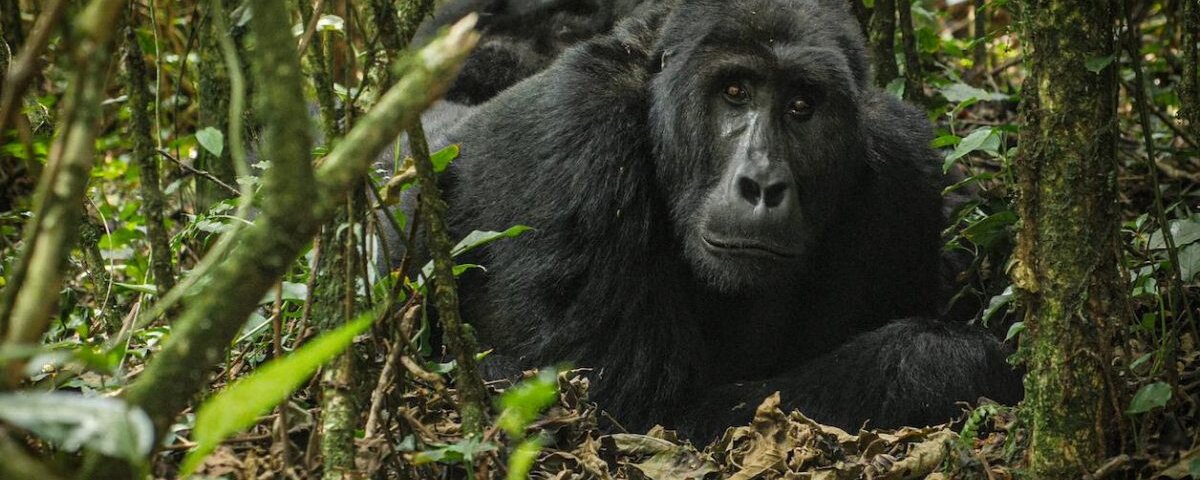
Uganda Gorilla Trekking Requirements
Uganda gorilla trekking requirements: Uganda gorilla trekking stands as one of the most powerful wildlife experiences in Africa. Every year, travelers from across the world visit Uganda to meet the rare mountain gorillas in their natural forest homes. However, this once-in-a-lifetime adventure requires careful preparation. Understanding Uganda gorilla trekking requirements helps travelers plan better, avoid challenges, and enjoy a smooth safari experience.
Uganda protects mountain gorillas in two main parks: Bwindi Impenetrable National Park and Mgahinga Gorilla National Park. These forests offer a safe habitat for gorillas, but they also demand responsible tourism practices. As a result, Uganda enforces clear rules, permits, health guidelines, and trekking procedures.
Moreover, travelers must prepare physically, mentally, and financially. Gorilla trekking involves hiking through thick forests, uneven terrain, and high altitudes. Therefore, proper knowledge improves safety and success during the trek.
Gorilla Trekking Permit Requirements
A gorilla trekking permit forms the most important requirement for visiting mountain gorillas in Uganda. Without this permit, no traveler can enter gorilla trekking parks. Uganda Wildlife Authority issues these permits to control visitor numbers and protect gorilla habitats.
Each permit allows one person to spend one hour with a habituated gorilla family. This time limit protects gorillas from stress and supports conservation efforts. Travelers must book permits in advance because demand remains high throughout the year.
Permit prices vary depending on residency status. International visitors pay a higher fee compared to East African citizens. The cost includes park entry, ranger guides, and conservation support. This system ensures that tourism directly benefits gorilla protection and local communities.
Travelers should always book through a trusted tour operator to secure permits early. During peak seasons, permits sell out months ahead. Therefore, early planning becomes a key success factor. Reliable companies like Giant Holiday Safaris help travelers secure permits, organize logistics, and design complete gorilla trekking experiences.
In conclusion, the gorilla trekking permit serves as the foundation of every Uganda gorilla safari. Without it, the entire experience cannot take place.
Age and Fitness Requirements
Uganda enforces strict age and fitness requirements for gorilla trekking. The minimum age for participation is 15 years. This rule protects both gorillas and young travelers because the trekking experience demands physical strength and emotional maturity.
Gorilla trekking often involves long hikes through dense forests and steep slopes. Some treks last a few hours, while others take most of the day. Therefore, travelers must maintain a reasonable level of fitness. However, the activity does not require professional hiking experience.
Porters assist travelers who need extra support during the trek. These local experts help carry bags and provide stability on difficult terrain. This support system makes gorilla trekking more accessible to a wider range of visitors.
Travelers with health concerns should consult a doctor before booking a trek. Strong legs, good stamina, and basic endurance improve the overall experience. Additionally, mental preparation helps travelers handle forest conditions such as mud, insects, and changing weather.
Health and Vaccination Requirements
Health safety plays a major role in Uganda gorilla trekking requirements. Mountain gorillas share close genetic similarities with humans, which makes them vulnerable to human diseases. Therefore, Uganda enforces strict health rules to protect these endangered animals.
Travelers must avoid trekking if they show signs of illness such as flu, cough, or fever. Even minor infections can affect gorilla health. In addition, tourists must maintain a safe distance of at least 7 meters from the gorillas at all times.
Although Uganda does not force vaccinations for entry, health experts strongly recommend certain immunizations. These include yellow fever, hepatitis A and B, and typhoid vaccines. Travelers should also carry insect repellent and basic first aid supplies.
Face masks remain mandatory when visiting gorillas. This rule reduces the risk of disease transmission. Guides enforce these health measures strictly to ensure gorilla safety.
Furthermore, travelers must follow hygiene rules before entering the forest. Hand sanitizing and proper waste disposal help maintain a clean environment.
Booking Process and Tour Preparation
Booking a gorilla trekking experience in Uganda requires careful planning. Travelers must first choose a preferred trekking location, either Bwindi Impenetrable National Park or Mgahinga Gorilla National Park. Each park offers unique landscapes and gorilla families.
After selecting a destination, travelers should secure their gorilla permit early. This step determines the travel dates and overall itinerary. Tour operators play a major role in organizing transport, accommodation, and park logistics.
Preparation also includes selecting the right safari package. Many travelers choose guided tours because they simplify planning and improve safety. Professional operators handle permits, transportation, accommodation, and park coordination.
Travelers should also prepare financially for additional costs such as accommodation, porter fees, tips, and transport. Clear budgeting helps avoid unexpected challenges.
In addition, travelers must confirm their travel dates, flight arrangements, and accommodation bookings. Uganda offers a wide range of lodges near gorilla parks, from budget options to luxury forest lodges.
Proper planning ensures a smooth and enjoyable safari experience. With the right preparation, travelers maximize their chances of a successful gorilla encounter.
Essential Packing List for Gorilla Trekking
Packing correctly forms a crucial part of Uganda gorilla trekking requirements. The forest environment demands practical and comfortable clothing. Travelers should wear long-sleeved shirts and long trousers to protect against insects and vegetation.
Strong hiking boots provide stability on slippery and uneven trails. Waterproof gear becomes essential because rainforest weather changes quickly. A lightweight rain jacket helps travelers stay dry during sudden showers.
Travelers should also carry gloves to protect hands while grabbing vegetation during steep climbs. A backpack with water, snacks, and a camera ensures comfort throughout the trek.
Binoculars enhance wildlife viewing, especially for birds and distant forest animals. Insect repellent protects against bites, while sunscreen guards against sun exposure during open forest sections.
Additionally, a walking stick improves balance on rough terrain. Many lodges and park rangers provide these tools at the start of the trek.
Packing light but smart improves mobility and reduces fatigue. Proper gear ensures travelers enjoy a safe and comfortable gorilla trekking adventure in Uganda.
Rules and Guidelines During Gorilla Trekking
Uganda enforces strict rules during gorilla trekking to protect both visitors and wildlife. These guidelines ensure safe interaction and long-term conservation success.
Travelers must always follow ranger instructions. Rangers understand gorilla behavior and guide groups safely through the forest. Silence also plays an important role during the trek. Loud noise can disturb gorillas and disrupt their natural behavior.
Visitors must maintain a minimum distance of 7 meters from the gorillas. This rule prevents disease transmission and reduces stress on the animals. Flash photography remains prohibited because it can startle gorillas.
Travelers receive only one hour with the gorilla family once they are located. This limited time helps protect the gorillas from overexposure to humans.
Eating and drinking near gorillas is not allowed. Additionally, travelers must avoid touching gorillas under all circumstances.
Following these rules ensures a respectful and responsible wildlife experience. Uganda’s conservation success depends on strict compliance from every visitor.
Best Time to Meet Gorillas in Uganda
Uganda offers gorilla trekking experiences throughout the year. However, some seasons provide better trekking conditions than others. The dry seasons, from June to September and December to February, offer the easiest trekking conditions.
During these months, forest trails remain less muddy and more accessible. As a result, hiking becomes more comfortable and enjoyable. Wildlife viewing also improves during dry conditions.
The wet seasons, from March to May and October to November, bring heavier rainfall. Trails become slippery, and trekking becomes more challenging. However, these months offer fewer crowds and more budget-friendly accommodation options.
Gorilla families remain available year-round, so travelers can visit at any time. The choice depends on personal preference, fitness level, and budget.
Planning according to weather conditions improves the overall safari experience. Therefore, understanding seasonal changes helps travelers choose the best time for gorilla trekking in Uganda.
Border and Travel Documentation Requirements
International travelers must meet specific travel documentation requirements before entering Uganda for gorilla trekking. A valid passport remains the most important document. The passport should have at least six months of validity from the date of entry.
Most travelers require a Uganda tourist visa. This visa can be obtained online or on arrival, depending on nationality. However, applying online in advance saves time and reduces travel stress.
Travelers coming from yellow fever risk countries must present a valid yellow fever vaccination certificate. Immigration officers may request this document at entry points.
Travel insurance also plays an important role. It should cover medical emergencies, trip cancellations, and evacuation services. This protection adds safety to the adventure.
In addition, travelers should carry printed copies of their gorilla permits, accommodation bookings, and return flight details.
Proper documentation ensures smooth entry into Uganda and avoids unnecessary delays at the airport or border points.
Why Choose Uganda for Gorilla Trekking
Uganda stands as one of the best destinations for gorilla trekking in the world. The country protects more than half of the world’s remaining mountain gorillas, making it a top conservation success story.
Bwindi Impenetrable National Park offers dense rainforest landscapes and diverse gorilla families. Mgahinga Gorilla National Park provides a unique volcanic scenery combined with gorilla encounters.
Uganda also offers more affordable gorilla trekking permits compared to neighboring countries. This makes it a preferred choice for many international travelers.
Beyond gorillas, Uganda offers rich wildlife experiences, cultural encounters, and scenic landscapes. Travelers can combine gorilla trekking with savannah safaris, bird watching, and cultural tours.
Tour operators like Giant Holiday Safaris help travelers design complete safari experiences that combine comfort, safety, and expert guidance.
Combined Uganda, Kenya, Rwanda and Tanzania Safaris
17 days Kenya Tanzania and Uganda safari
19 Days Uganda Kenya and Tanzania Safari
16 Days Kenya Tanzania and Uganda Safari
14 Days Kenya Uganda and Tanzania Safari
14 Days Kenya Uganda and Rwanda Safari