Uganda gorilla trekking safety guide
April 22, 2026
Kilimanjaro Internet Connectivity – Now Kilimanjaro Has High-Speed Internet
April 22, 2026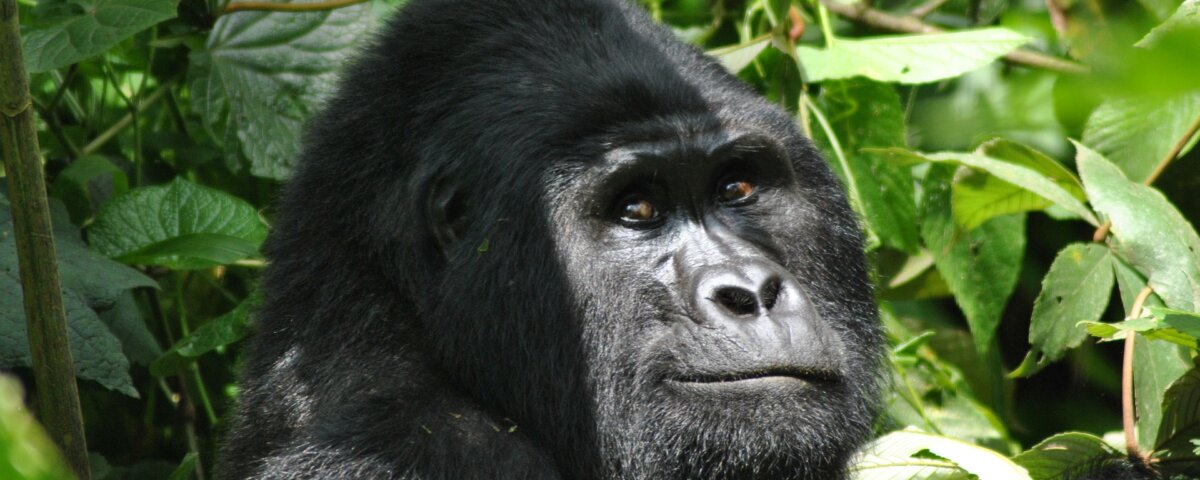
Uganda Gorilla Trekking Rules
Uganda gorilla trekking rules: Uganda offers one of the most powerful wildlife experiences on Earth gorilla trekking in the dense rainforests of East Africa. This adventure takes you deep into the heart of Bwindi Impenetrable National Park and Mgahinga Gorilla National Park, where endangered mountain gorillas live in their natural habitat. However, this experience requires discipline, respect, and responsibility. Gorilla trekking rules protect both visitors and the gorillas, ensuring a safe and sustainable encounter.
These rules do not limit your adventure. Instead, they shape a meaningful, ethical, and unforgettable journey. When you follow them, you help conserve one of the world’s rarest species while enjoying a once-in-a-lifetime safari. Uganda has built a strong conservation model that balances tourism and wildlife protection. As a result, gorilla populations continue to grow, and travelers enjoy safe, guided encounters.
Why Uganda gorilla trekking rules Matter
Gorilla trekking rules exist for a strong reason: protection. Mountain gorillas remain endangered, and their survival depends on careful human interaction. These animals share about 98% of human DNA, which makes them highly vulnerable to human diseases. Even a common cold can harm them. Therefore, strict rules reduce health risks and keep gorilla families safe.
In addition, these rules protect the natural environment. Uganda’s forests host rich biodiversity, including rare plants, birds, and mammals. When visitors follow trekking guidelines, they reduce environmental damage and help preserve the ecosystem. This approach supports long-term conservation and strengthens Uganda’s tourism industry.
Moreover, rules improve your experience. They create order, ensure safety, and allow everyone to enjoy close encounters without stress or danger. Rangers guide each group, and every visitor follows the same structure. As a result, trekking becomes smooth, organized, and rewarding.
Uganda has earned global respect for its conservation efforts. The country combines tourism revenue with wildlife protection, creating a sustainable model. When you respect gorilla trekking rules, you directly contribute to this success. You protect wildlife, support local communities, and strengthen conservation efforts across Africa.
Age Limit and Permit Requirements
Uganda sets a strict age limit for gorilla trekking. Visitors must be at least 15 years old to participate. This rule ensures safety and maturity. Gorilla trekking requires patience, discipline, and physical effort. Younger children may struggle with long hikes or fail to follow instructions, which can create risks during encounters.
In addition, every visitor must hold a valid gorilla trekking permit. The Uganda Wildlife Authority manages and issues these permits. Each permit allows one hour with a gorilla family and includes ranger guidance, park entry, and conservation support. Uganda limits the number of daily permits to reduce stress on gorilla groups and maintain a controlled environment.
Booking your permit in advance is essential. Demand remains high throughout the year, especially during peak seasons. Early booking secures your spot and helps you plan your safari with confidence. A trusted tour operator can arrange permits, transport, and accommodation, making your journey smooth and stress-free.
By respecting age and permit rules, you support responsible tourism. You also ensure that your trek follows the highest conservation standards. This approach protects gorillas and enhances your overall experience.
Health and Hygiene Guidelines
Health plays a critical role in gorilla trekking. Since gorillas easily catch human diseases, Uganda enforces strict hygiene rules. If you feel unwell, especially with flu-like symptoms, you should not join the trek. This decision protects the gorillas and prevents disease transmission.
Before entering the forest, guides may check your health condition. Rangers also provide clear instructions on hygiene practices. For example, you should cover your mouth when coughing or sneezing and maintain proper distance at all times. In some cases, wearing a face mask may be required to reduce risk.
Hand hygiene also matters. Visitors should sanitize their hands before and after the trek. This simple action reduces the spread of germs and supports safe interactions. In addition, you should avoid touching vegetation unnecessarily, as it may carry bacteria or viruses.
These health guidelines create a safe environment for both humans and wildlife. When you follow them, you protect endangered gorillas and ensure that future generations can enjoy this experience. Responsible behavior strengthens Uganda’s reputation as a leading destination for sustainable tourism.
Distance and Interaction Rules
Maintaining the correct distance stands as one of the most important gorilla trekking rules. Visitors must stay at least 7 meters (about 21 feet) away from the gorillas. This distance reduces the risk of disease transmission and prevents stress among the animals.
Even though gorillas may move closer on their own, you should not approach them. Always remain calm and follow your guide’s instructions. Sudden movements, loud noises, or direct eye contact can disturb the gorillas and trigger defensive behavior. Instead, stay relaxed, speak softly, and observe quietly.
Photography is allowed, but you should turn off your camera flash. Bright flashes can startle gorillas and disrupt their natural behavior. A good camera with low-light capability works best in the forest environment.
Physical contact with gorillas is strictly prohibited. Touching them can spread disease and create unpredictable reactions. Respecting their space allows you to witness authentic behavior without interference.
By following these interaction rules, you create a peaceful and respectful encounter. You also protect the well-being of gorillas and ensure a safe experience for everyone.
Group Size and Trekking Conduct
Uganda limits each gorilla trekking group to a maximum of eight visitors. This rule minimizes disturbance and allows better management of the experience. Smaller groups move quietly, reduce noise, and create a more intimate wildlife encounter.
Each group receives a trained ranger guide who leads the trek and provides valuable insights. You should always follow your guide’s instructions. Rangers understand gorilla behavior and know how to handle different situations. Their guidance ensures safety and enhances your understanding of the forest ecosystem.
During the trek, maintain discipline and respect fellow travelers. Avoid loud conversations, unnecessary movements, and disruptive behavior. Stay within your group and keep a steady pace. Trekking conditions may vary, so patience and teamwork play a key role.
In addition, you should respect the forest environment. Do not litter, damage plants, or disturb wildlife. Carry reusable water bottles and dispose of waste properly. Responsible conduct protects the ecosystem and supports conservation efforts.
When everyone follows these rules, the trekking experience becomes smooth, safe, and enjoyable. You connect with nature in a respectful way and create lasting memories.
Time Limits and Gorilla Viewing Experience
Gorilla trekking allows only one hour with a habituated gorilla family. This rule protects the animals from prolonged human presence and reduces stress. Although one hour may seem short, it offers enough time to observe, photograph, and appreciate these incredible creatures.
During this hour, you will witness natural behaviors such as feeding, grooming, playing, and resting. Each moment feels powerful and unforgettable. Therefore, you should make the most of this time by staying focused and following your guide’s instructions.
Before reaching the gorillas, you may spend several hours trekking through the forest. The duration depends on the location of the gorilla family. Some treks take one hour, while others may last up to six hours. This journey adds excitement and adventure to the experience.
Once you reach the gorillas, your guide will signal the start of the one-hour countdown. You should remain calm, quiet, and respectful throughout the encounter. Avoid rushing or crowding the animals. Instead, take your time, observe carefully, and enjoy the moment.
This time limit ensures a balanced experience for both visitors and gorillas. It protects wildlife while allowing travelers to connect deeply with nature.
What to Wear and Carry During Trekking
Proper preparation improves your gorilla trekking experience. The forest terrain can be steep, muddy, and dense, so you need suitable clothing and gear. Start with strong, waterproof hiking boots that provide good grip and ankle support. These boots help you navigate slippery trails with confidence.
Wear long-sleeved shirts and long trousers to protect your skin from insects, thorns, and rough vegetation. Neutral colors such as green, brown, or khaki work best because they blend with the environment. Avoid bright colors that may attract insects or disturb wildlife.
In addition, carry essential items such as drinking water, energy snacks, and a small backpack. A rain jacket also helps, as weather conditions in the forest can change quickly. Gloves protect your hands while moving through dense vegetation, and a hat shields you from sun or rain.
A walking stick can provide extra support during steep climbs. Many lodges and guides offer these sticks before the trek. You should also carry a camera with no flash to capture your experience.
When you prepare well, you stay comfortable and focused throughout the trek. This readiness allows you to fully enjoy the adventure and follow all trekking rules effectively.
Conservation and Responsible Tourism
Gorilla trekking in Uganda represents more than an adventure. It stands as a powerful example of conservation and responsible tourism. Every permit you purchase supports wildlife protection, community development, and environmental sustainability.
Uganda has created a strong conservation model that benefits both people and wildlife. Local communities receive a share of tourism revenue, which improves livelihoods and reduces reliance on forest resources. As a result, communities actively support gorilla conservation efforts.
In addition, conservation programs focus on habitat protection, anti-poaching efforts, and research. These initiatives help increase gorilla populations and protect biodiversity. Uganda’s success in conservation has gained global recognition and continues to inspire other countries.
As a visitor, you play a direct role in this system. When you follow trekking rules, respect wildlife, and support local businesses, you contribute to sustainable tourism. Your actions help preserve Africa’s natural heritage and create opportunities for future generations.
Responsible tourism builds trust, strengthens conservation, and enhances your travel experience. It allows you to explore Uganda with purpose and leave a positive impact on the environment.
Conclusion of Uganda gorilla trekking rules
Uganda gorilla trekking rules shape a safe, respectful, and unforgettable wildlife experience. These guidelines protect endangered gorillas, preserve natural habitats, and ensure high-quality encounters for visitors. When you follow them, you become part of a larger conservation story that values nature and sustainability.
From maintaining distance to respecting time limits, each rule plays a vital role. Together, they create a balanced system that benefits both wildlife and tourism. Uganda continues to lead in conservation, and every responsible traveler strengthens this success.
As you plan your gorilla trekking safari, take time to understand and respect these rules. Prepare well, follow your guide, and embrace the experience with care and awareness. This approach allows you to connect deeply with nature while supporting one of Africa’s greatest conservation achievements.
Uganda welcomes you to explore its forests, meet its gentle giants, and experience the beauty of responsible tourism.
Combined Uganda, Kenya, Rwanda and Tanzania Safaris
17 days Kenya Tanzania and Uganda safari
19 Days Uganda Kenya and Tanzania Safari
16 Days Kenya Tanzania and Uganda Safari
14 Days Kenya Uganda and Tanzania Safari
14 Days Kenya Uganda and Rwanda Safari