Barranco Wall Difficulty – How Hard Is the Barranco Wall on Kilimanjaro?
April 22, 2026
Uganda gorilla trekking rules
April 22, 2026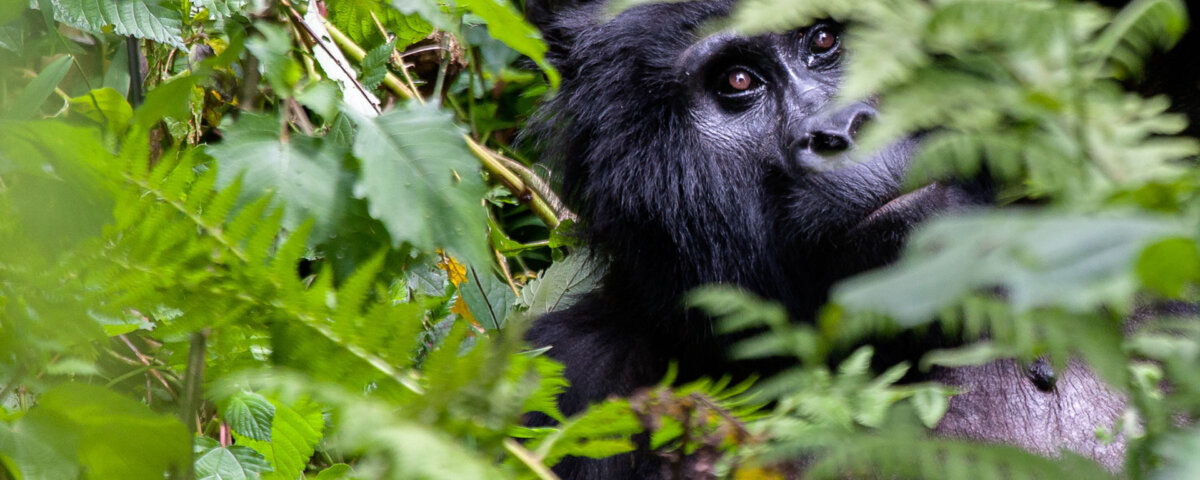
Uganda Gorilla Trekking Safety Guide
Uganda gorilla trekking safety guide: Uganda stands as one of the most rewarding destinations for gorilla trekking in Africa. Travelers from across the world choose this country for its rich biodiversity, stunning landscapes, and rare wildlife encounters. Gorilla trekking, in particular, offers a once-in-a-lifetime opportunity to meet endangered mountain gorillas in their natural habitat. However, safety remains a top priority for every visitor planning this experience.
This Uganda gorilla trekking safety guide provides clear, practical, and expert advice to help travelers enjoy a secure and unforgettable journey. From understanding park regulations to preparing physically and mentally, every step matters. With the right knowledge, visitors can confidently explore iconic destinations like Bwindi Impenetrable National Park and Mgahinga Gorilla National Park.
Moreover, Uganda maintains strong conservation policies and well-trained ranger teams. These efforts ensure both visitor safety and wildlife protection. As a result, travelers experience close encounters with gorillas in a controlled and respectful environment.
Understanding Gorilla Trekking Safety Regulations
Uganda Wildlife Authority enforces strict safety rules to protect both tourists and gorillas. These regulations play a vital role in maintaining a safe and sustainable tourism experience. Before starting your trek, park rangers provide a detailed briefing. This session explains what to expect and how to behave in the forest.
First, every trekking group includes an experienced ranger guide. These guides understand gorilla behavior and forest conditions. They lead the group safely and respond quickly to any situation. In addition, visitors must follow instructions at all times. Ignoring guidance can increase risks and disrupt the experience.
Next, the number of visitors allowed per gorilla family remains limited. Only eight people can visit a gorilla group each day. This rule reduces stress on the animals and improves safety. Furthermore, trekkers must keep a minimum distance of seven meters from the gorillas. This distance helps prevent disease transmission and avoids provoking the animals.
Visitors must also avoid sudden movements and loud noises. Gorillas feel calm around quiet and respectful behavior. If a gorilla approaches, the guide instructs you on how to react. Staying calm and avoiding eye contact often helps maintain a peaceful interaction.
Overall, these regulations create a controlled environment where safety comes first. Following them ensures a smooth and enjoyable trekking experience.
Health and Medical Safety Precautions
Health plays a critical role in gorilla trekking safety. Travelers must prepare well to avoid complications during the trek. First, every visitor should be in good physical condition. Gorilla trekking involves hiking through dense forests, steep slopes, and uneven terrain. Therefore, basic fitness helps reduce fatigue and injury risks.
Additionally, visitors must not trek if they feel unwell. Gorilla populations share close genetic similarities with humans. Because of this, diseases like flu or cough can easily spread to them. Park authorities strictly enforce this rule to protect the animals.
Vaccinations and travel health checks also matter. Visitors should consult a doctor before traveling to Uganda. Vaccines such as yellow fever remain mandatory. Carrying personal medication and a basic first aid kit also improves safety during the trek.
Hydration plays another key role. Trekkers should drink enough water throughout the hike. Dehydration can lead to fatigue and dizziness, especially in humid forest conditions. Packing energy snacks also helps maintain strength during long treks.
Moreover, hiring a porter can improve safety. Porters assist with carrying bags and offer support on difficult trails. This service not only supports local communities but also reduces physical strain on trekkers.
In summary, strong health preparation ensures a safer and more enjoyable gorilla trekking experience.
Essential Gear for Safe Gorilla Trekking
Packing the right gear significantly improves safety during gorilla trekking. The forest environment in Uganda can be challenging, so proper equipment helps you stay comfortable and protected.
First, sturdy hiking boots provide essential support. Trails often include mud, rocks, and steep paths. Good boots reduce the risk of slipping and injury. Long-sleeved shirts and trousers also protect against insect bites and thorny vegetation. Neutral-colored clothing works best because it blends into the environment.
Rain gear remains important throughout the year. Uganda’s tropical climate brings sudden rainfall, especially in forest regions like Bwindi Impenetrable National Park. A lightweight waterproof jacket keeps you dry and comfortable.
Gloves offer extra protection when holding onto branches during steep climbs. In addition, insect repellent helps prevent bites from mosquitoes and other insects. Sunscreen and a hat also protect against sun exposure in open areas.
A walking stick provides balance on uneven terrain. Most parks offer walking sticks at the starting point. This simple tool can make a big difference during long hikes.
Lastly, carry a small backpack with essentials like water, snacks, a camera, and personal items. Packing smartly ensures you remain prepared for different conditions during the trek.
Safety Tips During the Gorilla Trekking Experience
During the trek, following safety tips ensures a smooth and secure experience. First, always stay with your group and guide. The forest can be dense and confusing, so wandering off increases risk. Guides know the safest routes and monitor wildlife activity.
Next, maintain a calm and respectful attitude. Gorillas respond well to peaceful behavior. Avoid shouting, running, or making sudden movements. These actions can trigger defensive responses from the animals.
When you finally meet the gorillas, keep your distance. Although they appear gentle, they remain wild animals. Observing them quietly allows you to enjoy their natural behavior without causing stress.
Photography also requires caution. Avoid using flash because it can startle the gorillas. Instead, use natural light and steady positioning for better photos.
If a gorilla moves closer, stay still and follow your guide’s instructions. Do not attempt to touch or interact with the animals. Respecting their space keeps both you and the gorillas safe.
Finally, follow time limits. Each group spends only one hour with the gorillas. This rule protects the animals and ensures a controlled experience for all visitors.
Security and Political Stability in Uganda
Uganda remains one of the most stable and secure countries for tourism in East Africa. The government prioritizes visitor safety, especially in key tourism areas. Gorilla trekking regions receive strong protection and monitoring to ensure a peaceful environment.
National parks like Mgahinga Gorilla National Park operate under strict security measures. Trained rangers and security teams patrol these areas regularly. As a result, tourists can explore with confidence.
In addition, tourism plays a major role in Uganda’s economy. This encourages continued investment in safety and infrastructure. Roads, accommodations, and park facilities continue to improve, enhancing the overall travel experience.
Travelers should still stay informed before their trip. Checking travel advisories and working with a trusted tour operator ensures better planning. Reliable companies provide updated information and professional guidance throughout the journey.
Moreover, local communities actively support tourism. Their involvement creates a welcoming and safe environment for visitors. This collaboration strengthens both conservation efforts and traveler confidence.
Role of Professional Guides and Rangers
Professional guides and rangers play a crucial role in ensuring gorilla trekking safety. These experts bring deep knowledge of the environment and gorilla behavior. Their experience helps manage risks and guide visitors effectively.
Every trekking group includes trained rangers who lead the way. They track gorilla families and communicate with other teams to locate them safely. This coordination reduces uncertainty and enhances the trekking experience.
Guides also provide continuous support during the hike. They assist visitors on difficult terrain and ensure everyone keeps pace. Their presence helps prevent accidents and keeps the group organized.
In addition, rangers monitor gorilla behavior closely. They understand warning signs and respond quickly if needed. This expertise ensures safe interactions between humans and wildlife.
Porters also contribute to safety. They assist with carrying luggage and provide physical support during challenging sections. Hiring a porter not only improves your experience but also supports local livelihoods.
Choosing a reputable tour operator like Giant Holiday Safaris ensures access to skilled guides and well-organized treks. This decision directly impacts your safety and overall satisfaction.
Responsible Tourism and Wildlife Protection
Responsible tourism plays a key role in maintaining safety during gorilla trekking. Visitors must respect both the environment and the wildlife. This approach ensures long-term conservation and safe experiences for future travelers.
First, following park rules protects gorillas from stress and disease. Keeping distance and avoiding direct contact helps maintain their natural behavior. These actions also reduce the risk of aggression.
Next, minimizing environmental impact matters. Trekkers should avoid littering and stick to designated trails. Protecting the forest ecosystem supports both wildlife and local communities.
Supporting conservation efforts also improves safety. Gorilla permits contribute to protecting habitats and funding ranger teams. This investment strengthens security and sustainability.
Engaging with local communities creates positive relationships. Visitors who respect culture and traditions help build trust. This connection enhances safety and enriches the travel experience.
Finally, responsible tourism encourages ethical practices across the industry. Choosing eco-friendly lodges and operators supports long-term conservation goals.
Conclusion
Gorilla trekking in Uganda offers a powerful and unforgettable wildlife experience. However, safety remains essential at every stage of the journey. With proper preparation, respect for guidelines, and support from professional guides, travelers can enjoy this adventure with confidence.
This Uganda gorilla trekking safety guide highlights the key steps needed for a secure and rewarding experience. From health precautions to responsible tourism, every action contributes to safety and conservation.
Uganda continues to lead in sustainable gorilla tourism. Its strong conservation policies, trained ranger teams, and welcoming communities create a safe environment for visitors. By following these guidelines, travelers not only protect themselves but also help preserve one of the world’s most endangered species.
A well-planned gorilla trekking experience in Uganda delivers both excitement and peace of mind.
Combined Uganda, Kenya, Rwanda and Tanzania Safaris
17 days Kenya Tanzania and Uganda safari
19 Days Uganda Kenya and Tanzania Safari
16 Days Kenya Tanzania and Uganda Safari
14 Days Kenya Uganda and Tanzania Safari
14 Days Kenya Uganda and Rwanda Safari