Uganda gorilla trekking solo travel
April 28, 2026
Elephant Herd Migration in Kenya
April 28, 2026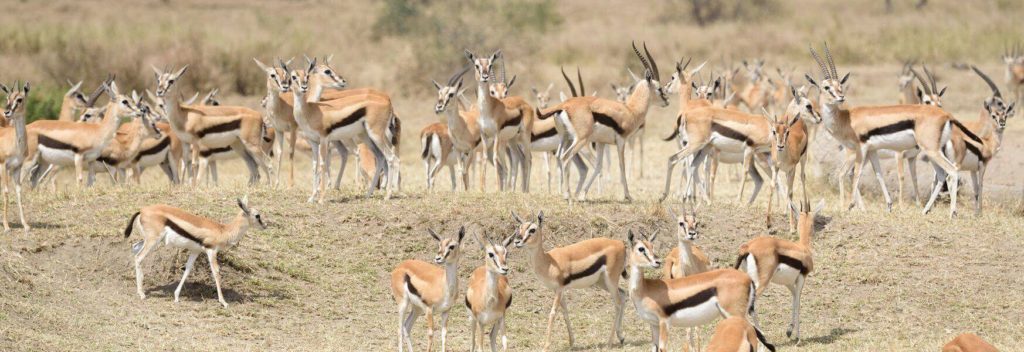
Kenya Safari Animal Checklist
Kenya Safari Animal Checklist: A Kenya safari delivers one of the most exciting wildlife experiences on Earth. Kenya stands as a global leader in safari tourism because of its rich biodiversity, iconic national parks, and unforgettable animal encounters. From the golden plains of the Maasai Mara to the elephant-rich landscapes of Amboseli, Kenya offers travelers a front-row seat to nature at its finest. Every safari becomes more rewarding when you know which animals to look for and where to find them.
This Kenya safari animal checklist helps travelers prepare for a richer and more meaningful journey. It serves both first-time visitors and seasoned wildlife enthusiasts who want to make the most of every game drive. Kenya’s ecosystems support an extraordinary range of animals, including the Big Five, rare predators, colorful birds, and unique species found only in East Africa. Therefore, understanding what to expect can transform an ordinary safari into a life-changing adventure.
Moreover, this checklist strengthens your safari planning by helping you track sightings while deepening your appreciation for conservation. Kenya’s wildlife represents more than tourism; it reflects the country’s ecological heritage and conservation success. As you explore, each sighting connects you to Africa’s wild heart. This guide will help you navigate Kenya’s spectacular wildlife with confidence, curiosity, and expert insight.
The Big Five: Kenya’s Most Iconic Safari Animals
The Big Five remain the highlight of most Kenya safaris, and for good reason. These legendary animals include the lion, leopard, elephant, rhino, and buffalo. Originally named by hunters because of the challenge they posed on foot, today they symbolize Africa’s greatest wildlife treasures.
Lions dominate Kenya’s savannahs, especially in Maasai Mara National Reserve, where prides roam openly across vast grasslands. Their strength, social behavior, and dramatic hunts make them unforgettable. Leopards, on the other hand, offer a more elusive thrill. They often rest in acacia trees or stalk prey quietly through dense cover, particularly in Samburu and Maasai Mara.
Elephants thrive in Amboseli National Park, where massive tuskers move beneath Mount Kilimanjaro’s stunning backdrop. Black and white rhinos, though rarer, survive in protected areas like Ol Pejeta Conservancy and Lake Nakuru National Park. Buffalo complete the list with their powerful herds and unpredictable nature.
Spotting all Big Five animals requires patience, timing, and expert guiding. However, the reward is unmatched. These species showcase Kenya’s wild beauty while highlighting the importance of wildlife conservation. For many travelers, completing the Big Five checklist becomes a proud safari milestone.
The Great Migration Stars: Animals You Cannot Miss in Maasai Mara
The Great Migration transforms Kenya’s Maasai Mara into one of the world’s most dramatic wildlife theaters. Each year, millions of wildebeest, zebras, and gazelles move from Tanzania’s Serengeti into Kenya in search of greener pastures. This natural event creates one of Africa’s greatest safari spectacles.
Wildebeest lead the migration in massive numbers, often stretching across the plains in endless lines. Their river crossings, especially at the Mara River, create heart-pounding scenes filled with danger. Crocodiles wait beneath the surface while predators patrol nearby. Zebras travel alongside wildebeest, using their sharp eyesight to detect threats. Their striking black and white patterns also create breathtaking photography opportunities.
Thomson’s gazelles and Grant’s gazelles add speed and grace to the migration landscape. Meanwhile, lions, cheetahs, hyenas, and leopards follow these herds closely, creating thrilling predator prey interactions.
Although the migration usually peaks from July to October, wildlife remains abundant throughout the year. Visiting Maasai Mara during migration season offers travelers unmatched access to East Africa’s ecological power. Therefore, adding migration species to your Kenya safari animal checklist ensures an unforgettable wildlife adventure filled with movement, drama, and natural wonder.
Kenya Safari Animal Checklist: Predators, Masters of Survival
Kenya’s predators bring intensity, excitement, and raw survival instincts to every safari. These carnivores shape the ecosystem and offer some of the most thrilling wildlife encounters in Africa. Watching them hunt, stalk, or protect territory reveals nature’s balance in action.
Cheetahs rank among Kenya’s most sought after sightings. Known as the fastest land animals, they thrive in open grasslands like Maasai Mara, where speed gives them a hunting advantage. Unlike lions, cheetahs rely on agility rather than power. Their sleek build and distinctive tear marks make them instantly recognizable.
Leopards provide a different kind of excitement. Solitary and secretive, they often remain hidden until sharp eyed guides spot them in trees or thick brush. Lions, however, command attention through pride dynamics, territorial roars, and coordinated hunts.
Spotted hyenas also deserve respect. Many travelers underestimate them, yet they are intelligent hunters with complex social structures. Additionally, jackals and serval cats contribute to Kenya’s predator diversity.
Each predator plays a critical role in maintaining ecological balance. Therefore, observing them offers more than excitement it provides valuable insight into Kenya’s natural systems. A successful safari includes not just sightings but understanding how these powerful animals survive and shape the wild.
Herbivores of Kenya: Giants, Grazers, and Gentle Creatures
Kenya’s herbivores create the foundation of the safari ecosystem. These animals support predator populations while shaping landscapes through grazing, migration, and seed dispersal. Their presence fills Kenya’s national parks with beauty, diversity, and movement.
African elephants often top the herbivore checklist because of their size, intelligence, and emotional depth. Amboseli offers exceptional elephant encounters, where travelers witness family bonds and majestic tuskers. Giraffes, especially the Maasai giraffe and rare reticulated giraffe, add elegance with their towering necks and graceful movement.
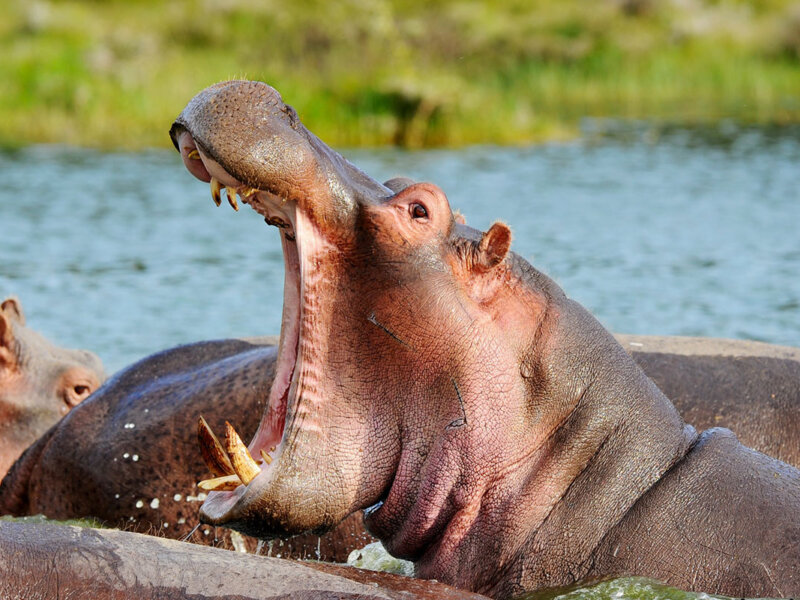
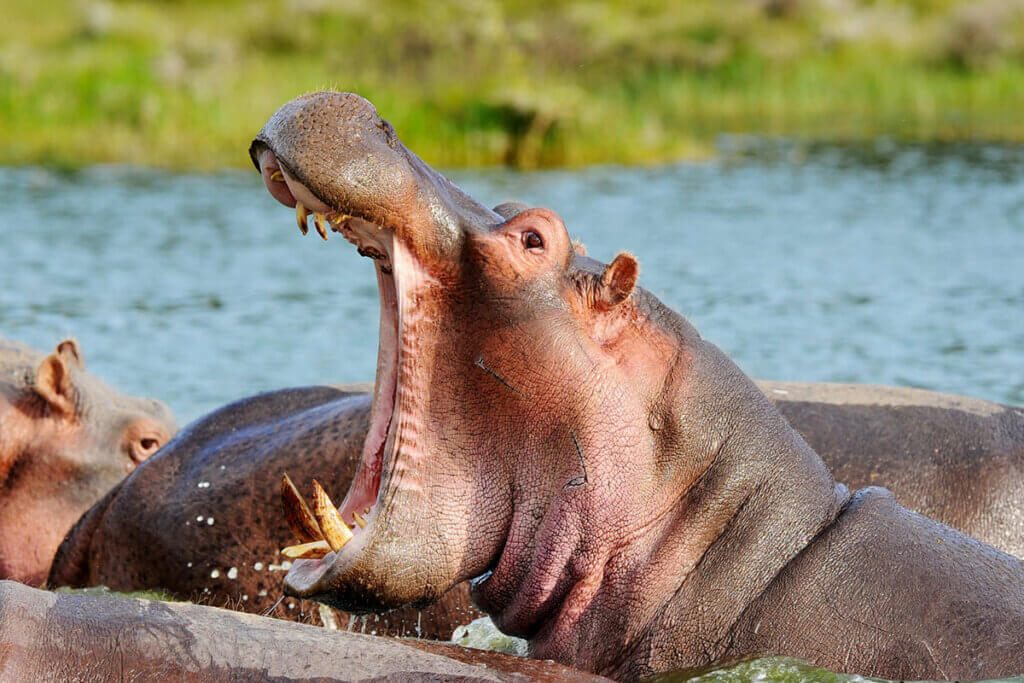
Zebras, wildebeest, and antelope species dominate open plains. Topi, impala, eland, waterbuck, and hartebeest each contribute to Kenya’s biodiversity. Hippos, though often submerged, reveal immense strength near rivers and lakes. Warthogs entertain visitors with their quirky appearance and surprising speed.
Buffalo stand out with muscular builds and herd strength. Meanwhile, rhinos represent one of conservation’s most important success stories.
Every herbivore species offers unique behavior and ecological importance. Some migrate, others browse selectively, and many maintain grassland health. Therefore, this category deserves as much attention as predators. By appreciating herbivores, safari travelers gain a fuller understanding of Kenya’s interconnected wildlife systems and the remarkable harmony of its natural world.
Kenya Safari Animal Checklist: Rare and Unique Animals to Watch
Beyond famous safari animals, Kenya rewards observant travelers with rare and unique species that elevate the safari experience. These animals often appear in specific regions, making each sighting feel even more special.
The Grevy’s zebra, found mainly in northern Kenya and Samburu, stands out with narrow stripes and large rounded ears. Unlike common plains zebras, this endangered species offers a rarer photographic prize. Samburu also hosts the gerenuk, a long necked antelope known for standing upright on hind legs to browse shrubs.
The Somali ostrich, with its blue legs and neck, adds another distinctive species to northern Kenya’s checklist. Reticulated giraffes also shine in this region with their geometric coat patterns.
Aardvarks, pangolins, bat eared foxes, and African wild dogs present even greater rarity, though sightings require luck and expert tracking. Conservation focused travelers often seek these species because they highlight Kenya’s ecological depth beyond mainstream safari expectations.
Exploring lesser known reserves like Samburu, Meru, and Laikipia improves your chances of encountering rare wildlife. Therefore, including these extraordinary animals on your checklist creates a more complete and rewarding safari journey while supporting broader awareness of Kenya’s conservation priorities.
Kenya Safari Animal Checklist: Birdlife And A Paradise for Birdwatchers
Kenya offers far more than mammals. In fact, it ranks among Africa’s top birdwatching destinations, with over 1,000 bird species across diverse habitats. From wetlands and forests to savannahs and soda lakes, birdlife enriches every safari.
Flamingos create one of Kenya’s most iconic bird spectacles, especially around Lake Nakuru and Lake Bogoria. Their pink flocks transform lake shores into vivid natural art. African fish eagles impress visitors with sharp calls and powerful hunting dives near lakes and rivers.
Secretary birds stride dramatically across grasslands while hunting snakes. Crowned cranes, hornbills, kingfishers, bee eaters, and lilac breasted rollers add vibrant color to safari drives. The lilac breasted roller, Kenya’s national bird, often becomes a favorite because of its dazzling plumage.
Birdwatching also supports year round tourism since migratory and resident species vary by season. Therefore, even traditional safari guests benefit from keeping binoculars ready.
Kenya’s bird diversity reflects the country’s ecological richness. For travelers seeking a deeper safari experience, birds add beauty, movement, and sound to every landscape. A strong Kenya safari animal checklist should always include birdlife because these winged wonders complete the African wilderness story.
Where to See Kenya’s Wildlife: Top Safari Destinations
Kenya’s wildlife checklist becomes easier to complete when you choose the right destinations. Each park or conservancy offers unique habitats and species concentrations, making location a critical part of safari success. Giant Holiday Safaris helps travelers select the right mix of destinations, ensuring every safari is strategically planned for maximum wildlife encounters.
Maasai Mara National Reserve remains Kenya’s most famous safari destination because of the Big Five, Great Migration, and excellent predator sightings. Amboseli National Park excels in elephant encounters and scenic views of Mount Kilimanjaro. Lake Nakuru National Park provides rhino conservation success and outstanding birdwatching. With Giant Holiday Safaris, guests experience these highlights through expert guiding and tailored itineraries.
Samburu National Reserve introduces travelers to northern specialties such as Grevy’s zebra, reticulated giraffe, and gerenuk. Tsavo East and Tsavo West form one of Kenya’s largest ecosystems, famous for red elephants and dramatic landscapes. Giant Holiday Safaris ensures travelers witness these unique spectacles at the right times, guided by local expertise.
Ol Pejeta Conservancy stands out for rhino protection and chimpanzee sanctuary experiences. Meanwhile, Nairobi National Park offers remarkable wildlife viewing near an urban capital. Through Giant Holiday Safaris, visitors gain access to these conservation focused destinations, combining wildlife viewing with meaningful conservation stories.
Choosing multiple destinations creates a more complete safari and improves species diversity on your checklist. Therefore, strategic planning helps travelers maximize sightings while exploring Kenya’s ecological variety. Every destination contributes something unique to the ultimate African safari adventure. By partnering with Giant Holiday Safaris, travelers enjoy seamless planning, expert guidance, and authentic experiences across Kenya’s top safari destinations.
Final Thoughts: Building Your Ultimate Kenya Safari Experience
A Kenya safari animal checklist does more than track sightings it transforms travel into a purposeful, immersive adventure. Every animal, from iconic lions to rare gerenuks, adds depth to your understanding of Kenya’s natural heritage. This approach helps travelers stay engaged, informed, and connected throughout their safari. With Giant Holiday Safaris as your trusted tour operator, each checklist becomes a guided journey, enriched by expert insights and personalized experiences.
Preparation enhances every experience. Knowing what animals to expect, where to find them, and why they matter creates richer journeys. Moreover, wildlife tourism in Kenya supports conservation, local communities, and global appreciation for biodiversity. Giant Holiday Safaris ensures travelers are well prepared, offering tailored itineraries and professional guidance that highlight both the wildlife and the conservation impact of every sighting.
Kenya continues to lead Africa’s tourism industry because it combines extraordinary wildlife, expert guiding, and powerful conservation stories. Whether you seek the Big Five, migration drama, rare species, or birdlife, Kenya offers unmatched safari diversity. Through Giant Holiday Safaris, travelers gain access to seasoned guides who bring these stories to life, ensuring every safari is both authentic and meaningful.
As you plan your adventure, use this checklist as both a guide and inspiration. Each sighting becomes part of a larger story one rooted in Africa’s wilderness, resilience, and beauty. Kenya does not simply offer a safari; it offers one of the world’s greatest wildlife experiences. By choosing Giant Holiday Safaris, you elevate your journey into a purposeful exploration one that blends adventure, conservation, and unforgettable encounters across Kenya’s diverse landscapes.
Combined Uganda, Kenya, Rwanda and Tanzania Safaris
17 days Kenya Tanzania and Uganda safari 19 Days Uganda Kenya and Tanzania Safari
16 Days Kenya Tanzania and Uganda Safari
14 Days Kenya Uganda and Tanzania Safari
14 Days Kenya Uganda and Rwanda Safari