What are the best Maasai cultural tours in Kenya?
August 19, 2026
What are the best honeymoon safari lodges in Kenya?
August 19, 2026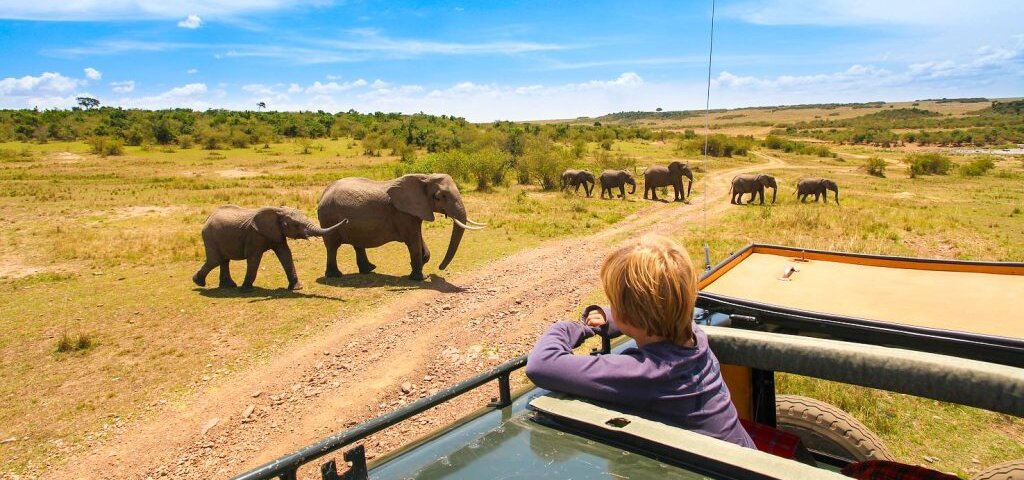
What Are the Best Family Adventure Safaris in Kenya?
Kenya offers one of Africa’s most rewarding safari experiences for families who want more than a traditional wildlife holiday. From the open grasslands of the Maasai Mara to the wildlife rich plains of Amboseli, families can explore diverse landscapes, encounter iconic African animals, learn about local cultures, and enjoy outdoor adventures together. Most importantly, Kenya makes it possible to design a safari around different ages, interests, comfort levels, and travel styles. Parents can enjoy remarkable wildlife experiences while children discover nature in a way that feels exciting, educational, and memorable.
A family safari in Kenya also provides an opportunity to spend meaningful time together away from busy routines. Instead of moving from one attraction to another, families can slow down, observe wildlife, enjoy scenic landscapes, and experience the rhythm of the African wilderness. Furthermore, Kenya offers a wide range of accommodation, from comfortable family-friendly lodges to private safari camps and luxury properties with spacious family rooms.
The best family adventure safaris in Kenya combine wildlife viewing with activities that keep children and adults engaged. Game drives remain at the heart of the experience, but families can also enjoy guided nature walks, cultural encounters, conservation experiences, bird watching, photography, horseback activities in selected areas, and scenic excursions. Therefore, choosing the right destination matters because each Kenyan safari region offers a different style of adventure.
For families visiting Africa for the first time, Kenya provides an excellent balance of wildlife, scenery, culture, accessibility, and safari expertise. With careful planning, a family safari can become much more than a holiday. It can become a shared experience that children remember for years and a journey that strengthens a family’s connection with nature and Africa.
Combined Uganda, Kenya, Rwanda and Tanzania Safaris
17 days Kenya Tanzania and Uganda safari
19 Days Uganda Kenya and Tanzania Safari
16 Days Kenya Tanzania and Uganda Safari
14 Days Kenya Uganda and Tanzania Safari
14 Days Kenya Uganda and Rwanda Safari
12 Day Gorilla Trekking and Tanzania Safari
1. Maasai Mara Family Adventure Safari
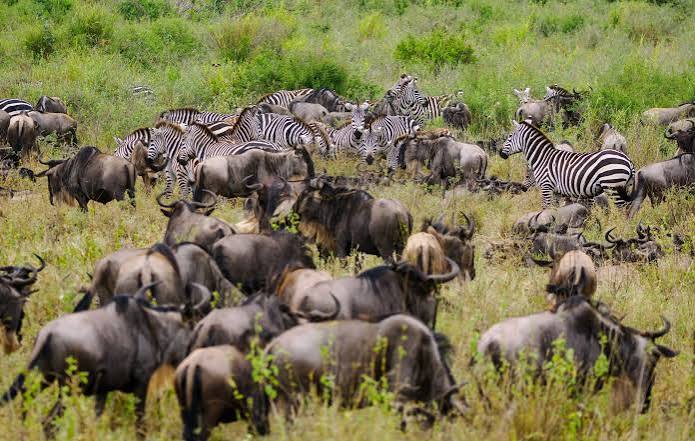
The Maasai Mara stands among the strongest choices for families looking for a classic Kenyan safari. Its wide savannahs, abundant wildlife, and famous annual wildebeest migration create an extraordinary setting for family exploration. However, the Mara offers much more than the migration. Families can visit at different times of the year and still enjoy excellent opportunities to see lions, elephants, buffaloes, leopards, cheetahs, giraffes, zebras, and many species of antelope.
A family safari in the Maasai Mara works particularly well because the landscape supports exciting game drives without requiring extremely long travel between wildlife areas. Parents can plan shorter morning and afternoon drives when travelling with younger children. This approach helps children stay interested and reduces tiredness. Older children and teenagers may enjoy longer drives because they can spend more time learning about animal behavior, photography, conservation, and the relationships between predators and prey.
Moreover, families can add cultural experiences to their Mara adventure. A carefully arranged visit with a Maasai community can introduce children to local traditions, crafts, livelihoods, and the relationship between communities and wildlife. Such experiences should always respect local customs and provide genuine benefits to the communities involved.
Families should also consider the type of accommodation they choose. A family-friendly lodge or camp can provide spacious rooms, suitable meal options, safe outdoor areas, and activities designed for different age groups. Consequently, the Maasai Mara can provide a balanced safari that combines wildlife, culture, comfort, and adventure without making the experience overwhelming for children.
2. Amboseli National Park Family Safari
Amboseli National Park offers one of Kenya’s most recognizable safari landscapes. Mount Kilimanjaro rises beyond the plains, creating an impressive backdrop for wildlife photography and family memories. The park also provides excellent opportunities to see large herds of elephants, making it especially appealing to children who want to experience some of Africa’s most iconic animals.
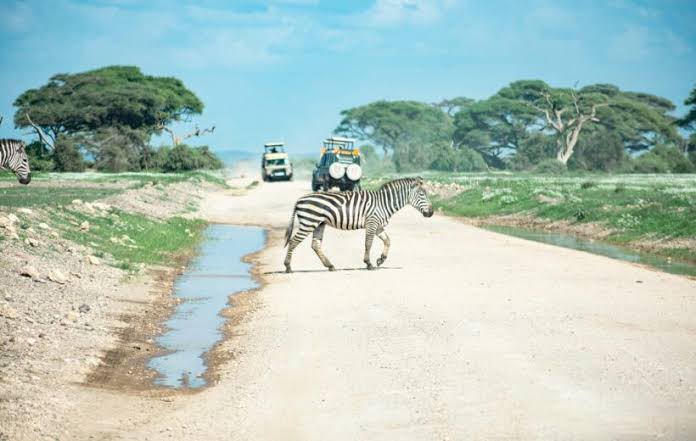
A family adventure in Amboseli can feel different from a safari in the Maasai Mara because the scenery has its own character. Open plains, seasonal wetlands, dusty tracks, acacia trees, and distant mountain views create a varied environment for game drives. Families can watch elephants moving across the landscape, observe zebras and wildebeests grazing, and look for lions and other predators.
For children, Amboseli can also become an outdoor classroom. A knowledgeable safari guide can explain why elephants depend on water, how animals survive during dry periods, and how seasonal changes influence wildlife movement. As a result, children do not simply see animals; they begin to understand the ecosystem around them.
Furthermore, Amboseli works well for families who want to combine wildlife with cultural discovery. The region has strong Maasai cultural connections, and responsible community experiences can help visitors understand how people and wildlife share the same landscape.
Families should plan their daily schedule carefully, especially during warmer periods. Early morning game drives often provide cooler conditions and excellent wildlife activity. Afterward, families can return to their accommodation for breakfast, relaxation, swimming where available, or other family-friendly activities. This flexible rhythm makes Amboseli a comfortable choice for parents travelling with children.
3. Samburu National Reserve Family Adventure
Samburu National Reserve provides a different safari experience and gives families the chance to explore northern Kenya’s distinctive landscapes and wildlife. The reserve sits in a dry and rugged environment shaped by the Ewaso Ng’iro River. This river supports wildlife and creates an important contrast against the surrounding semi-arid terrain.
One of Samburu’s greatest attractions for families is its unique wildlife. Visitors may encounter species that are strongly associated with northern Kenya, including Grevy’s zebra, reticulated giraffe, gerenuk, Beisa oryx, and Somali ostrich. These animals can make the safari particularly interesting for older children and teenagers who already have a strong interest in wildlife.
Samburu also offers opportunities for families to learn about conservation and local communities. A good guide can explain how wildlife survives in dry environments and why water remains essential to both animals and people. These lessons help children understand that a safari involves more than spotting famous animals. It also involves understanding ecosystems, conservation challenges, and the importance of protecting natural habitats.
In addition, Samburu can offer a quieter atmosphere than some of Kenya’s more heavily visited safari destinations. Families who prefer a more peaceful wilderness experience may appreciate this quality. The dramatic scenery also provides excellent opportunities for photography, particularly around sunrise and sunset.
Parents should choose accommodation carefully because the region can involve warmer conditions and longer distances than some central safari areas. Nevertheless, with the right planning, Samburu creates an enriching family adventure that combines rare wildlife, striking landscapes, culture, and conservation.
4. Ol Pejeta Conservancy Family Safari
Ol Pejeta Conservancy offers one of Kenya’s strongest family safari experiences for visitors who want to connect wildlife viewing with conservation. Located in Laikipia, the conservancy protects important wildlife habitat while supporting conservation, community development, and responsible tourism. This combination makes it particularly valuable for families who want their children to understand why wildlife protection matters.
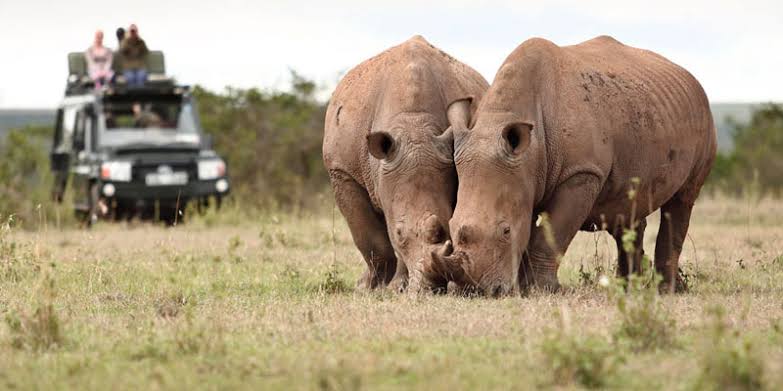
The conservancy is famous for its rhinoceros conservation work. Families can learn about the challenges facing rhinos and the practical measures conservation teams use to protect these endangered animals. These experiences can make a powerful impression on young travellers because they connect the animals they see with real conservation work.
Ol Pejeta also supports excellent wildlife viewing. Families can look for elephants, lions, buffaloes, giraffes, zebras, and numerous other species. The landscape provides a mixture of open plains and scenic highland environments, creating varied game-viewing opportunities.
Another advantage involves the range of activities available. Depending on age restrictions and current conservation guidelines, families may enjoy guided walks, cycling experiences, conservation visits, wildlife encounters, and other educational activities. This variety can make the destination especially suitable for families who do not want to spend every day inside a safari vehicle.
Furthermore, Ol Pejeta gives parents an opportunity to teach children about responsible travel. Children can learn that tourism can support habitat protection, local employment, education, and community development when visitors choose responsible operators and experiences.
For families seeking a safari that combines adventure with meaningful learning, Ol Pejeta stands out as an excellent choice in Kenya.
5. Lake Nakuru National Park Family Safari
Lake Nakuru National Park provides another strong option for families who want wildlife, scenery, and a relatively accessible safari experience. The park sits within the Great Rift Valley and offers a beautiful mixture of woodland, grassland, rocky landscapes, and lake environments. Its location also makes it possible to include the park within a wider Kenya safari itinerary.
Families can search for rhinos, buffaloes, giraffes, zebras, lions, leopards, and many bird species. The park’s birdlife adds another dimension to the safari, particularly for children who enjoy learning about different animals. Flamingos can also create memorable scenes when conditions bring them into suitable areas around the lake.
The park’s varied landscape gives guides plenty of opportunities to explain how different habitats support different species. Parents can encourage children to watch animal behavior rather than simply counting how many animals they see. For example, children can observe how giraffes feed, how buffaloes interact within herds, or how birds use wetland environments.
Lake Nakuru also fits well into family itineraries that include other destinations in Kenya. Families travelling from Nairobi toward the Maasai Mara can incorporate the Great Rift Valley and Lake Nakuru into a broader journey. This makes the destination useful for travellers who want to see more than one region without creating an excessively complicated itinerary.
Because children often have different energy levels, families should maintain a comfortable schedule. A good safari plan includes time for rest, meals, and relaxation between activities. This approach helps families enjoy the park without turning the journey into a tiring race between attractions.
6. Tsavo East and Tsavo West Family Safari
Tsavo offers families the opportunity to explore one of Kenya’s largest and most dramatic wilderness regions. Tsavo East and Tsavo West together create a vast safari landscape with diverse terrain, wildlife habitats, rivers, volcanic features, and striking scenery. The parks provide a sense of space and wilderness that can make a family safari feel like a true expedition.
Tsavo East is particularly known for its broad landscapes and large elephant populations. Tsavo West, meanwhile, provides more varied terrain, including hills, rocky areas, vegetation, and important water sources. Families can therefore experience different environments within the same wider safari region.
For children, Tsavo can provide exciting opportunities to learn about survival in challenging environments. Guides can explain how animals cope with heat, limited water, predators, and seasonal changes. These lessons can transform a game drive into an engaging nature lesson.
Tsavo also works well for families combining a safari with a coastal holiday. After exploring the parks, families can continue toward Kenya’s Indian Ocean coast for beach relaxation. This combination gives parents and children both adventure and downtime.
However, Tsavo’s large size means families should plan their routes carefully. Spending too much time travelling between distant areas can reduce the time available for wildlife viewing and relaxation. A professional safari planner can therefore help create a sensible route based on the family’s available days, ages, interests, and preferred accommodation.
7. Kenya Family Safari and Beach Adventure
A safari and beach combination provides one of the best family holiday formats in Kenya. Families can begin with wildlife adventures inland before continuing to the Indian Ocean coast for relaxation. This arrangement creates a natural balance between activity and rest, which works particularly well when children travel with their parents.
A typical journey may include the Maasai Mara, Amboseli, Tsavo, or another wildlife destination before continuing toward destinations such as Diani Beach, Watamu, or the Kenyan coast. The safari provides game drives, wildlife education, photography, and cultural experiences. The beach portion then allows families to enjoy swimming, relaxation, marine activities, and coastal scenery.
This combination also allows families to avoid filling every day with intense activities. After several days of early morning game drives, children may appreciate a slower pace beside the ocean. Parents can also enjoy the opportunity to rest while still experiencing a different side of Kenya.
Furthermore, Kenya’s coast adds cultural depth to the journey. Swahili heritage, coastal architecture, marine ecosystems, local cuisine, and historic sites can introduce families to another important part of the country’s identity.
Families should select beach activities according to children’s ages and swimming abilities. Responsible operators should also prioritize safety, environmental care, and clear guidance during marine activities. With thoughtful planning, a Kenya safari and beach holiday can become a complete family adventure that combines wildlife, culture, nature, and relaxation.
8. Best Activities for Children on a Kenya Family Safari
A successful family safari should give children opportunities to participate rather than simply sit and watch. Game drives remain important, but families can add activities that make the experience more interactive. Depending on the destination, children may enjoy guided nature walks, bird watching, conservation visits, cultural experiences, photography challenges, wildlife tracking, and educational activities at selected lodges and camps.
Nature walks can help children notice details they might miss from a safari vehicle. They can learn to identify animal tracks, insects, plants, birds, and signs of wildlife. Older children may enjoy keeping a simple wildlife journal where they record animals, locations, behaviors, and interesting facts.
Conservation experiences can also create lasting lessons. A visit focused on rhino conservation, habitat protection, or community initiatives can help children understand the connection between tourism and environmental responsibility.
Photography provides another useful activity. Parents can encourage children to photograph landscapes, birds, insects, and animals rather than focusing only on the Big Five. This encourages patience and observation.
Additionally, cultural experiences can help children appreciate the people who live around Kenya’s wildlife areas. Families should choose experiences that respect local communities and avoid treating culture as entertainment.
The key lies in balancing activities. Children need excitement, but they also need rest. Therefore, family safari planning should include shorter activities, comfortable breaks, good meals, and flexible schedules. A thoughtful itinerary allows every family member to enjoy the journey rather than simply complete it.
9. How to Choose the Best Family Safari in Kenya
Choosing the right family safari requires more than selecting the most famous national park. Families should consider the children’s ages, travel dates, safari duration, budget, accommodation style, wildlife interests, and preferred activity level. These factors can significantly influence the quality of the experience.
For families with very young children, shorter travel distances and comfortable accommodation may matter more than visiting several parks. Older children and teenagers may appreciate longer game drives, conservation experiences, photography, walking activities, and destinations with unusual wildlife.
Season also matters. Kenya offers wildlife experiences throughout the year, but weather, animal movements, road conditions, and visitor numbers vary between destinations and months. Families should therefore select destinations according to what they want to experience rather than relying on a single idea of the perfect safari season.
Accommodation deserves equal attention. Family rooms, connecting rooms, private tents, swimming pools, child-friendly meals, babysitting options, and suitable activity programs can make a major difference. Parents should also confirm age restrictions for walking and other activities before booking.
Transport planning remains equally important. A family may enjoy visiting several destinations, but excessive driving can make young children tired. A well-designed route should create a comfortable balance between wildlife viewing and travel time.
Finally, families should choose safari professionals who understand Kenya’s destinations, conservation practices, safety standards, and family travel needs. Strong planning reduces unnecessary stress and allows parents to focus on enjoying the experience with their children.
10. Why a Family Safari in Kenya Creates Lasting Memories
A family safari in Kenya offers something that few conventional holidays can match: the chance to experience nature together in an environment where every day can bring something unexpected. A child may wake up excited to see an elephant, while a parent may remember the silence of the savannah at sunrise. Another family member may treasure a cultural experience, a bird sighting, or a simple evening beneath an African sky.
These experiences become powerful because they happen together. Families share excitement when a lion appears beside the road. They laugh when monkeys create unexpected moments around a lodge. They learn when a guide explains animal behavior. They become patient while waiting for wildlife to emerge. Each moment contributes to a larger story that families can remember long after returning home.
A Kenya safari also teaches children valuable lessons about nature. They can see that wildlife depends on healthy ecosystems and that conservation requires cooperation between communities, governments, conservation organizations, tourism businesses, and visitors. These lessons can influence how young travellers understand the natural world.
Moreover, safari travel encourages families to disconnect from screens and spend more time observing their surroundings. Instead of rushing through a packed schedule, families can watch a sunrise, listen to birds, study animal tracks, or simply enjoy the landscape.
That combination of adventure, learning, connection, and discovery makes Kenya an outstanding family safari destination. With responsible planning and the right safari partner, families can experience Africa comfortably while creating memories that remain meaningful for generations.
Conclusion: Choosing a Trusted Family Safari Experience in Kenya
The best family adventure safaris in Kenya bring together wildlife, comfort, education, culture, conservation, and meaningful time together. Whether a family chooses the Maasai Mara for classic wildlife viewing, Amboseli for elephants and Mount Kilimanjaro views, Samburu for unique northern species, Ol Pejeta for conservation, Lake Nakuru for Rift Valley scenery, or Tsavo for vast wilderness, Kenya offers experiences that can suit different ages and travel styles.
However, the quality of a family safari depends heavily on planning. Families need the right destinations, suitable accommodation, realistic travel times, experienced guides, safe activities, and an itinerary that allows children to enjoy the journey without becoming exhausted. Most importantly, responsible tourism should remain at the heart of the experience so that wildlife, communities, and natural habitats continue to benefit from tourism.
For international travellers searching for a reliable way to explore Kenya, Giant Holiday Safaris provides the expertise needed to turn these possibilities into a well-organized African adventure. With thoughtful itinerary planning, destination knowledge, and a focus on meaningful safari experiences, Giant Holiday Safaris can help families discover Kenya with confidence while creating unforgettable memories in the heart of Africa.