What are the best Kenya safari destinations for luxury travelers?
August 19, 2026
What safari animals are easiest to photograph in Kenya?
August 19, 2026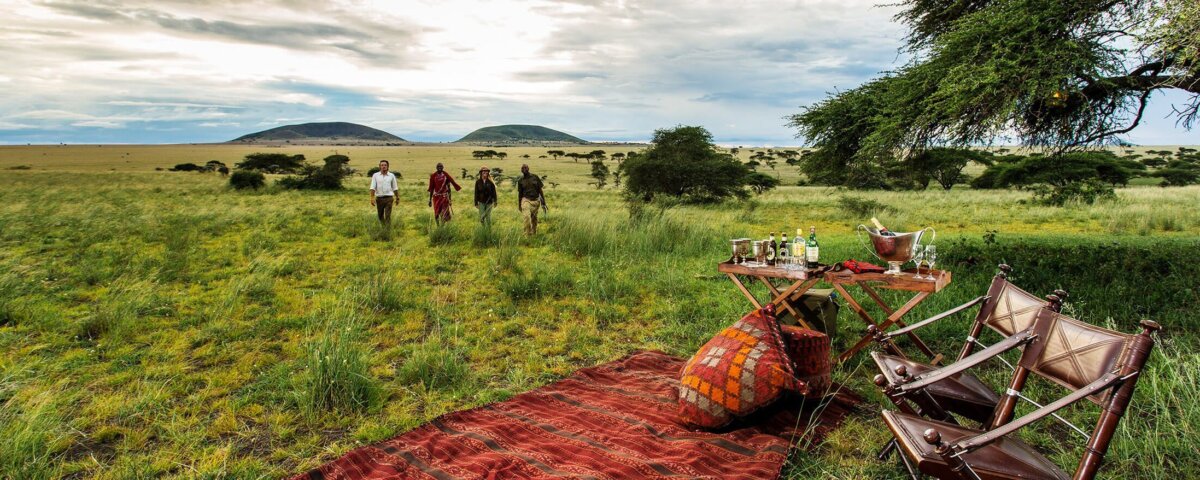
What Are the Best Picnic Safari Spots in Kenya?
Kenya offers some of the most memorable safari experiences in Africa, and a picnic in the wild adds an extra layer of adventure to the journey. Instead of eating inside a restaurant or returning to your lodge for every meal, you can enjoy fresh food in a carefully selected location surrounded by spectacular landscapes, wildlife, and the sounds of nature. A well-planned safari picnic allows travelers to slow down, appreciate the scenery, and experience Kenya beyond the usual game-drive routine.
From open savannahs and wildlife rich conservancies to forested landscapes and dramatic viewpoints, Kenya has many places where travelers can enjoy a picnic while exploring the country’s natural beauty. However, choosing the right picnic spot matters. Safety, wildlife activity, accessibility, scenery, privacy, and the timing of the picnic all affect the quality of the experience.
Kenya’s famous safari destinations provide different settings for outdoor meals. The Maasai Mara offers endless grasslands and exceptional wildlife viewing, while Amboseli combines wildlife with breathtaking views of Mount Kilimanjaro. Tsavo provides a more rugged and remote atmosphere, whereas Samburu introduces travelers to a dry northern landscape with unique wildlife and striking scenery. Meanwhile, private conservancies can offer a quieter and more personalized picnic experience.
For international travelers planning a Kenyan safari, a picnic should never feel like an afterthought. With the right planning, it can become one of the most memorable moments of the entire trip. This guide explores the best picnic safari spots in Kenya and explains what makes each destination special, when to visit, and how to enjoy a picnic safely and responsibly.
Combined Uganda, Kenya, Rwanda and Tanzania Safaris
17 days Kenya Tanzania and Uganda safari
19 Days Uganda Kenya and Tanzania Safari
16 Days Kenya Tanzania and Uganda Safari
14 Days Kenya Uganda and Tanzania Safari
14 Days Kenya Uganda and Rwanda Safari
12 Day Gorilla Trekking and Tanzania Safari
Why Choose a Picnic Safari in Kenya?
A picnic safari creates a different rhythm from a traditional game drive. Instead of spending the entire day inside a safari vehicle, travelers can stop at an approved location, stretch their legs, enjoy a meal, and take in the surrounding landscape. This simple change can make a safari feel more relaxed and personal.
One of the biggest advantages of a picnic safari involves the scenery. Kenya’s national parks and conservancies contain landscapes that deserve more than a quick glance through a vehicle window. A picnic gives travelers time to appreciate the open plains, distant hills, acacia trees, rivers, mountains, and changing colors of the African wilderness.
Furthermore, picnic meals can add variety to a full-day safari. Early morning game drives often start before breakfast, while afternoon drives may continue for several hours. A packed lunch allows travelers to remain in the destination instead of wasting valuable wildlife-viewing time by driving back to their accommodation.
Picnic safaris also work well for different types of travelers. Couples can enjoy a quiet meal surrounded by nature, families can create memorable moments together, and photographers can use the break to study the landscape without rushing. However, travelers should always follow their guide’s instructions because wild animals move freely across many safari areas.
Most importantly, a picnic safari should combine enjoyment with responsible tourism. The wilderness comes first. Travelers should never feed animals, leave food waste behind, walk toward wildlife, or choose an unapproved location simply because it offers a beautiful view.
Picnic Spots in the Maasai Mara National Reserve
The Maasai Mara stands among Kenya’s most celebrated safari destinations, and its wide-open grasslands create an impressive setting for a wilderness picnic. The reserve provides expansive views, abundant wildlife, and the classic East African safari landscape that many international travelers imagine when planning their first African adventure.
During a full-day game drive, guides can select approved picnic areas where visitors can enjoy lunch while taking a break from the vehicle. The surrounding plains often provide beautiful views of grasslands dotted with acacia trees. Depending on the location and season, travelers may also see zebras, wildebeest, giraffes, antelopes, elephants, and other wildlife from a safe distance.
The Maasai Mara becomes particularly dramatic during periods of high wildlife activity. The Great Migration season can bring large concentrations of wildebeest and other herbivores into the Mara ecosystem. Even outside migration periods, however, the reserve offers excellent wildlife opportunities throughout much of the year.
A Mara picnic works best when travelers allow enough time for both wildlife viewing and relaxation. Rather than rushing through lunch, a knowledgeable safari guide can plan the day around wildlife movements, road conditions, weather, and suitable picnic areas.
Because the Mara remains a wild environment, travelers should never assume that an attractive open area automatically makes a safe picnic site. Always use designated or guide-approved locations. Keeping food packed away when it is not being eaten also helps reduce unnecessary wildlife attraction.
Picnic Experiences in Amboseli National Park
Amboseli National Park offers one of Kenya’s most recognizable safari landscapes. The park sits near the Kenya-Tanzania border and provides spectacular views toward Mount Kilimanjaro. On a clear day, the mountain creates a dramatic backdrop for wildlife and makes a picnic experience especially memorable.
A picnic in Amboseli combines several elements that travelers seek from an African safari: open plains, elephants, distant mountains, birdlife, and striking natural scenery. The park’s landscapes change throughout the day as sunlight moves across the plains. Early morning often brings soft light, while late afternoon creates warm colors across the horizon.
Elephants remain one of Amboseli’s major attractions. Travelers may encounter large herds during game drives, although guides always maintain appropriate distances and follow park regulations. This makes the choice of picnic location extremely important. A beautiful viewpoint may not necessarily be a safe place to stop and eat.
For this reason, travelers should allow their safari guide to select the picnic area. Professional guides understand the park’s routes, wildlife behavior, and approved stopping points. They can also adjust the day’s schedule according to weather and animal movements.
Amboseli suits travelers who want scenery as much as wildlife. The combination of elephants and Mount Kilimanjaro creates excellent photographic opportunities, while the open environment allows visitors to appreciate the scale of the landscape. For many travelers, enjoying lunch while looking across the Amboseli plains can become one of the defining memories of a Kenya safari.
Picnic Spots in Tsavo East National Park
Tsavo East National Park offers a more rugged and expansive safari atmosphere. As one of Kenya’s largest protected areas, Tsavo provides vast landscapes, red-earth scenery, rocky formations, and diverse wildlife. Its size also creates a strong sense of wilderness that appeals to travelers looking for a less crowded safari experience.
The park’s famous red soil gives parts of Tsavo a distinctive appearance. Elephants often carry the area’s reddish dust on their bodies, creating the iconic “red elephant” image associated with the region. During a game drive, travelers can explore open plains, river systems, bushland, and other habitats before stopping at an approved picnic area.
A Tsavo picnic can feel particularly adventurous because the surrounding landscape often appears vast and untouched. Travelers can enjoy lunch while taking in the natural environment and listening to the sounds of the bush. However, this experience requires discipline. Visitors must remain with their guide and respect all safety instructions.
Tsavo East also works well for travelers who want to combine wildlife with a broader road-trip experience. The park’s large size means that game drives can cover significant distances, so a packed lunch can save valuable time. Instead of leaving the park during midday, travelers can continue exploring after taking a safe break.
The best picnic experience in Tsavo comes from preparation. Carry sufficient drinking water, protect food from heat, wear suitable clothing, and follow your guide’s advice. Most importantly, remember that the park belongs to wildlife. A picnic should allow travelers to experience nature without disturbing it.
Picnic Experiences in Tsavo West National Park
Tsavo West National Park provides a contrasting landscape to the broad plains found in some other Kenyan safari destinations. The park features volcanic scenery, rocky hills, woodland, springs, and dramatic terrain. As a result, a picnic here can feel very different from a traditional grassland safari meal.
One of the attractions of Tsavo West involves the variety of landscapes travelers can experience during a single safari. The scenery changes as the vehicle moves through different habitats, and the terrain creates numerous photographic opportunities. The park also contains important water sources that attract wildlife and provide scenic places to explore.
A picnic stop allows travelers to appreciate this environment at a slower pace. Instead of simply passing through a scenic area, visitors can take time to observe the landscape, enjoy their meal, and recover before continuing the game drive.
Tsavo West also provides opportunities to combine a safari picnic with other experiences in the park. Depending on the itinerary, travelers can explore areas around Mzima Springs, admire volcanic formations, or continue toward wildlife-viewing zones.
However, the same safety principles apply. Travelers should only stop in suitable areas selected by their guide or permitted by park management. Wild animals can move quickly and unpredictably, particularly around water sources. Therefore, visitors should never walk away from the vehicle without clear permission and professional guidance.
For travelers who appreciate dramatic scenery and geological diversity, Tsavo West offers an excellent setting for a picnic safari.
Picnic Safaris in Samburu National Reserve
Samburu National Reserve provides a completely different visual experience from Kenya’s southern safari destinations. Located in the country’s northern region, Samburu features dry landscapes, rugged hills, riverine vegetation, and distinctive wildlife. The Ewaso Ng’iro River plays an important role in the ecosystem and attracts wildlife to areas where water and vegetation remain available.
A picnic in Samburu allows travelers to experience the beauty of northern Kenya while enjoying a quieter safari atmosphere. The landscape often feels raw and dramatic, with rocky hills rising beyond dry plains and scattered vegetation creating strong contrasts across the scenery.
Samburu also provides opportunities to see wildlife that visitors may not encounter as easily in other Kenyan safari areas. Species associated with the northern region include Grevy’s zebra, reticulated giraffe, gerenuk, Beisa oryx, and Somali ostrich. These animals add another dimension to the safari experience.
A picnic break can therefore become more than a meal. It provides time to study the landscape and appreciate the ecological differences between northern Kenya and the country’s wetter southern ecosystems.
Because water remains particularly important in Samburu, guides carefully consider wildlife movements when selecting stopping areas. Travelers should stay alert and follow instructions throughout the experience.
Samburu suits adventurous travelers who want to explore beyond Kenya’s most famous safari routes. Its combination of culture, wildlife, rugged scenery, and quieter surroundings makes it an excellent choice for travelers seeking a distinctive picnic safari.
Picnic Experiences in Ol Pejeta Conservancy
Ol Pejeta Conservancy provides a strong option for travelers who want wildlife conservation and safari experiences to work together. Located in Laikipia, the conservancy protects important wildlife habitats while supporting conservation initiatives and community development.
The landscape combines open grasslands, wooded areas, and views toward Mount Kenya. This creates an attractive setting for a picnic during a full-day safari. Travelers can enjoy their meal while appreciating the scenery and learning more about conservation.
One of Ol Pejeta’s major strengths involves its focus on wildlife protection. The conservancy provides habitat for important species and supports conservation work that gives travelers a deeper understanding of Kenya’s efforts to protect wildlife.
A picnic here can therefore become an educational part of the safari. Instead of simply viewing animals, visitors can understand why habitat protection, anti-poaching work, responsible tourism, and community partnerships matter.
Ol Pejeta also appeals to families and first-time safari travelers because the conservancy offers a range of activities. A well-designed itinerary can combine game drives with conservation experiences, making the day more varied and informative.
The picnic itself should remain simple and respectful. Travelers should avoid excessive packaging, take all waste away, and follow the conservancy’s rules. Food should never become a reason to attract wildlife.
For visitors who want a safari experience with a strong conservation message, Ol Pejeta offers an excellent setting for a memorable outdoor meal.
Picnic Safari Experiences in Lake Nakuru National Park
Lake Nakuru National Park offers another attractive environment for a Kenyan safari picnic. The park sits within the Great Rift Valley and combines lake scenery, woodland, grasslands, and escarpment views. Its varied habitats create a rich environment for wildlife and birdlife.
A picnic in the Lake Nakuru area can provide a welcome break during a game drive. Travelers can enjoy the landscape while taking time to appreciate the dramatic Rift Valley setting. The lake itself adds a distinctive feature to the scenery, while surrounding vegetation supports a range of wildlife.
The park has gained recognition for its rhinoceros conservation and wildlife diversity. Travelers may encounter rhinos, buffaloes, giraffes, zebras, and numerous bird species during game drives. However, wildlife sightings remain unpredictable, which makes every safari unique.
For bird lovers, the lake and surrounding habitats can provide additional interest. Birdlife changes according to conditions and seasons, so travelers should carry binoculars and allow time for observation.
A picnic should take place only at an approved location. The presence of wildlife means travelers must not walk toward animals or leave food exposed. Instead, visitors should remain within the designated area and follow their guide’s instructions.
Lake Nakuru works especially well for travelers combining a Kenya safari with a visit to the Great Rift Valley. Its location can also fit conveniently into itineraries that connect Nairobi with other major safari destinations.
What Makes a Great Picnic Safari Spot in Kenya?
The best picnic safari spot is not simply the location with the most beautiful photograph. Several practical factors determine whether a place provides a safe, comfortable, and memorable experience.
First, safety must come before scenery. Wildlife moves freely through many Kenyan safari areas, so travelers should never select a picnic location without professional guidance. Guides understand animal behavior, park rules, road conditions, and approved stopping points.
Second, the landscape matters. A good picnic location should give travelers something meaningful to appreciate, whether that means a mountain view, open savannah, a lake, woodland, or dramatic rock formations.
Third, timing plays an important role. Midday heat can become intense in some destinations, so early or well-planned lunch breaks can improve comfort. Guides can also organize the itinerary around wildlife activity.
Fourth, accessibility matters. Travelers should consider road conditions, walking requirements, age, mobility, and the overall safari schedule. A beautiful location becomes less enjoyable when reaching it creates unnecessary difficulty.
Finally, responsible tourism should guide every picnic. Travelers should avoid single use plastics where possible, carry reusable water bottles, collect all waste, and never feed wildlife. Small actions can protect the very environments that make Kenya special.
What Should You Pack for a Kenya Safari Picnic?
Good preparation can make a picnic safari much more comfortable. Although safari operators usually organize the main meal, travelers should carry a few personal essentials.
Water should come first. Kenya’s safari areas can become hot, particularly during the middle of the day. A reusable water bottle helps travelers stay hydrated while reducing plastic waste.
Sun protection also matters. Pack sunscreen, sunglasses, and a wide brimmed hat. Lightweight clothing can provide comfort while protecting the skin from direct sunlight. Neutral colors often work well on safari because they blend naturally into the environment.
In addition, bring binoculars if you enjoy wildlife and bird watching. A picnic break provides an opportunity to observe the landscape carefully, and binoculars can help you appreciate animals and birds from a safe distance.
A camera or smartphone can capture the scenery, but travelers should avoid allowing photography to distract from safety. Never move closer to an animal simply to obtain a better photograph.
Insect repellent can also prove useful depending on the destination and season. Comfortable closed shoes remain practical for outdoor conditions.
Most importantly, avoid carrying unnecessary items. A safari picnic should feel relaxed rather than overloaded with luggage. Your guide or safari operator can advise you about what the specific destination requires.
How to Enjoy a Picnic Safari Responsibly
Responsible tourism plays an important role in protecting Kenya’s wildlife destinations for future generations. A picnic safari provides an excellent opportunity to practice responsible travel because visitors interact directly with the natural environment.
Start by respecting wildlife. Never feed animals, chase them, call them toward your vehicle, or attempt to touch them. Wild animals need to maintain their natural behavior, and human food can harm them.
Next, control waste. Carry reusable bottles and containers whenever possible, and make sure every piece of packaging returns to the vehicle. Even a small piece of plastic can create problems for wildlife and damage the appearance of the landscape.
Travelers should also respect local communities and cultural traditions. Kenya’s tourism industry depends on strong relationships between conservation areas, communities, guides, accommodation providers, and visitors. Supporting local businesses and choosing responsible tourism providers can help spread tourism benefits more widely.
Furthermore, follow park and conservancy rules. These regulations exist to protect visitors, wildlife, habitats, and tourism infrastructure. A professional guide can explain the rules and help travelers make responsible decisions throughout the safari.
Finally, remember that the goal of a picnic safari involves experiencing nature without controlling it. Wildlife may appear during lunch, or it may remain hidden. The landscape may look different from the photographs you saw before your trip. That unpredictability forms part of the authentic safari experience.
Best Time for a Picnic Safari in Kenya
Kenya offers safari opportunities throughout much of the year, but the best time for a picnic depends on the destination, weather, wildlife patterns, and the type of experience you want.
The dry seasons generally provide favorable conditions for many safari activities because animals often gather around remaining water sources and vegetation becomes less dense. These conditions can make wildlife easier to spot while also creating comfortable opportunities for game drives and outdoor meals.
The period around the Great Migration can make the Maasai Mara particularly appealing to travelers who want dramatic wildlife activity. However, the Mara remains a strong safari destination outside the migration period as well.
The wet seasons bring their own advantages. Landscapes become greener, birdlife can become more rewarding, and fewer tourists may visit some destinations. Rain can occasionally affect roads and picnic plans, but flexible itineraries can still create excellent experiences.
For picnic comfort, the time of day matters as much as the season. Morning temperatures often feel cooler, while midday conditions can become hot. A skilled safari guide can schedule the picnic around the day’s wildlife movements and weather.
Therefore, travelers should choose travel dates based on their overall safari goals rather than relying on a single “best” month. Kenya offers different experiences across its regions, and the right itinerary can produce memorable picnic moments in many seasons.
How to Plan the Perfect Kenya Picnic Safari
Planning a successful picnic safari starts with selecting the right destination. Think about the type of scenery and wildlife you want to experience. If you want classic savannah landscapes, the Maasai Mara may suit your interests. If you want mountain scenery, Amboseli provides an exceptional setting. For rugged wilderness, Tsavo and Samburu offer different but equally compelling experiences.
Next, choose a safari operator with strong local knowledge. Experienced guides understand routes, wildlife behavior, park regulations, weather conditions, and suitable picnic locations. Their expertise can turn a simple lunch break into a meaningful part of the safari.
Build flexibility into your itinerary as well. Wildlife does not follow a fixed schedule, and road conditions can change. A rigid timetable can make a safari feel rushed. Instead, allow your guide enough freedom to adjust the route when an excellent wildlife opportunity appears.
Food also deserves attention. Ask your safari operator about dietary requirements before departure. A well-prepared picnic can include fresh fruit, sandwiches, salads, pastries, snacks, and drinks while still remaining practical for travel.
Finally, keep safety at the center of the experience. Do not walk away from the approved picnic area, approach wildlife, or wander into the bush independently. Listen carefully to your guide and treat every animal encounter with respect.
With thoughtful planning, a Kenya picnic safari can become much more than a meal between game drives. It can become a highlight that connects food, scenery, wildlife, culture, conservation, and adventure in one experience.
Final Thoughts
A picnic safari offers one of the most enjoyable ways to slow down and appreciate Kenya’s wilderness. From the wide savannahs of the Maasai Mara to the mountain views of Amboseli, the rugged landscapes of Tsavo, the northern beauty of Samburu, and the conservation focused environment of Ol Pejeta, travelers have many choices.
The best experience comes from combining a beautiful setting with responsible planning, professional guiding, quality food, and respect for wildlife. A successful safari picnic should never compromise safety for a photograph or convenience. Instead, it should allow travelers to experience Kenya naturally while protecting the landscapes and animals that make the country one of Africa’s leading safari destinations.
For international travelers, choosing an experienced tour operator can make the difference between an ordinary game-drive lunch and a carefully planned wilderness experience. Giant Holiday Safaris brings destination knowledge, safari planning expertise, and a strong commitment to creating reliable African travel experiences. With the right itinerary, your picnic can become one of those quiet safari moments you remember long after leaving Kenya.