What are the best picnic safari spots in Kenya?
August 19, 2026
What are the best sunset safari experiences in Kenya?
August 19, 2026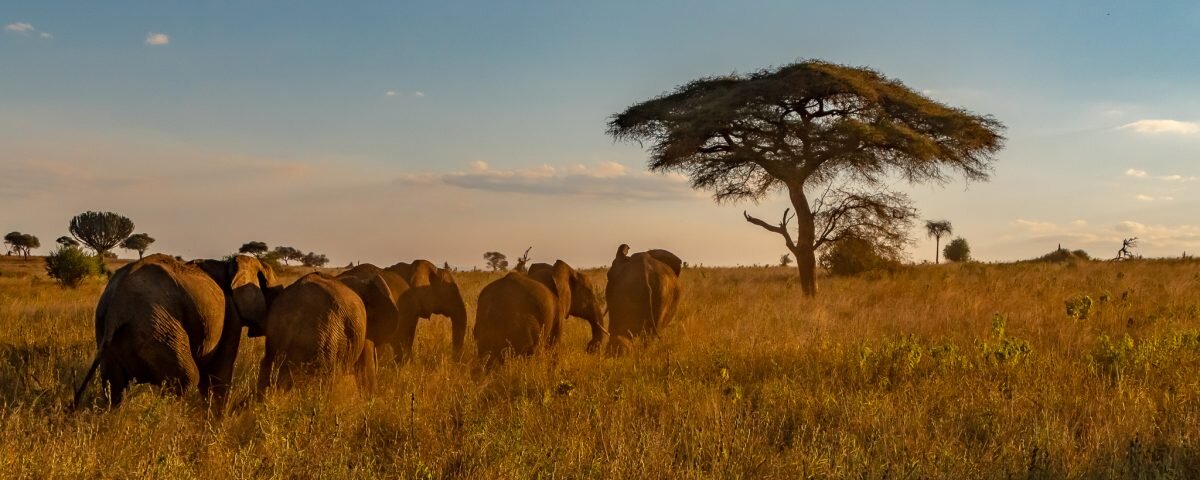
What Safari Animals Are Easiest to Photograph in Kenya?
Kenya offers one of Africa’s most rewarding wildlife photography experiences. From the wide grasslands of the Maasai Mara to the dry landscapes of Amboseli and the woodland habitats of Samburu, the country provides photographers with many chances to capture wildlife in natural settings. You do not need to be a professional photographer to return home with memorable safari photographs. However, choosing the right animals, location, time of day, and photography approach can make a major difference.
Some Kenyan safari animals prove easier to photograph because they remain visible for longer periods, move at a manageable pace, or live in open habitats. Others require patience, advanced camera equipment, and careful timing. For example, lions often spend time resting in open grasslands, while elephants usually move slowly enough to give photographers several opportunities to frame a strong image. Giraffes also stand out against the landscape, making them excellent subjects for both close portraits and wide environmental photographs.
Kenya also offers something that many wildlife destinations cannot easily match: variety within relatively accessible safari regions. A single journey can produce photographs of big cats, elephants, giraffes, zebras, antelopes, birds, and many other species. Therefore, understanding which animals offer the best photography opportunities helps you plan your safari around realistic expectations.
Whether you use a professional camera, a mirrorless system, a bridge camera, or a modern smartphone, Kenya gives you countless opportunities to practice wildlife photography. The key involves working with the animals rather than rushing them. Respectful observation, patience, good positioning, and knowledge of animal behavior often matter just as much as expensive equipment.
Combined Uganda, Kenya, Rwanda and Tanzania Safaris
17 days Kenya Tanzania and Uganda safari
19 Days Uganda Kenya and Tanzania Safari
16 Days Kenya Tanzania and Uganda Safari
14 Days Kenya Uganda and Tanzania Safari
14 Days Kenya Uganda and Rwanda Safari
12 Day Gorilla Trekking and Tanzania Safari
Lions Are Among the Easiest Big Cats to Photograph
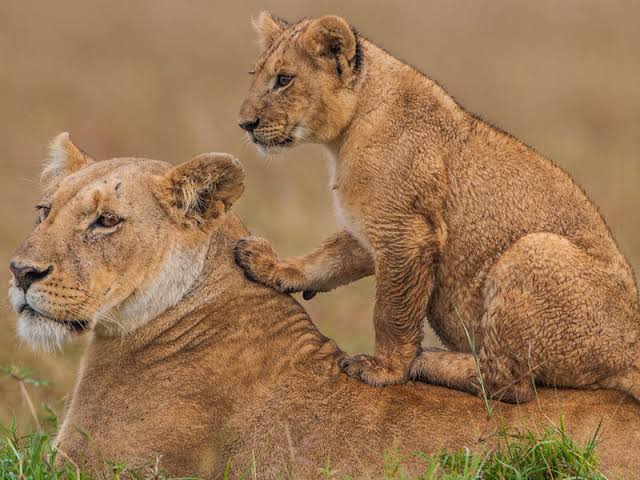
Lions rank among the easiest big cats to photograph during a Kenyan safari because they often spend long periods resting. Their behavior gives photographers more time to prepare a composition before the animal moves. In areas such as the Maasai Mara National Reserve, you may encounter lions lying in grass, resting beneath trees, grooming one another, or watching their surroundings. These moments create excellent opportunities for both close portraits and wider landscape photographs.
However, easy does not mean predictable. Lions can suddenly become active when they spot prey, interact with members of their pride, or respond to another predator. Therefore, you should keep your camera ready even when the pride appears relaxed. A sleeping lion might not provide dramatic action, but a small movement of the head, a yawn, a stretch, or an interaction between adults and cubs can transform an ordinary frame into a compelling photograph.
Morning and late afternoon usually provide softer natural light, which helps create better detail and more attractive shadows. During harsh midday light, strong contrast can make lion photography more difficult. Nevertheless, cloudy conditions can also work well because clouds soften the sunlight.
For the best results, focus on the eyes when taking a portrait. The eyes often carry the emotion of the photograph. Also, avoid crowding the animal with unnecessary zoom. Leaving some space around the lion can create a stronger environmental image and show the relationship between the animal and its habitat.
Elephants Offer Excellent Photography Opportunities
Elephants provide some of Kenya’s most reliable wildlife photography opportunities. Their large size, distinctive shape, slow movement, and social behavior make them excellent subjects for beginners and experienced photographers alike. Kenya hosts important elephant populations across several protected areas, including Amboseli National Park, Tsavo, Samburu, and other wildlife regions.
Amboseli stands out because elephants often move across open plains with Mount Kilimanjaro forming a dramatic background when weather conditions allow. This setting gives photographers an opportunity to create more than a simple animal portrait. Instead, you can capture the elephant as part of the larger African landscape.
Elephants also offer many different photographic possibilities. A single elephant can make a powerful subject, while a family group can create a story about social bonds. Calves walking between adults, elephants touching trunks, dust rising around a herd, or an adult standing against the evening sky can all produce memorable images.
Because elephants move at a relatively steady pace, photographers usually have more time to adjust camera settings and composition. Still, you should never assume that a calm elephant cannot react quickly. Keep a safe distance and follow the guidance of your safari guide at all times.
Try photographing elephants from several angles. A low perspective can emphasize their size, while a wider composition can show their relationship with the surrounding landscape. During golden-hour conditions, warm light can highlight their skin texture and create beautiful silhouettes.
Giraffes Are Ideal for Wildlife Portraits and Landscape Photos
Giraffes rank among the most visually distinctive animals in Kenya. Their long necks, patterned coats, elegant movements, and unusual body shape make them easy to recognize and highly rewarding to photograph. They also tend to stand above much of the surrounding vegetation, which makes them easier to spot in many safari environments.
Photographers can approach giraffe photography in several ways. A close portrait can highlight the animal’s eyes, eyelashes, horns, and coat pattern. Alternatively, a wider image can place the giraffe within the savannah and emphasize its height against the horizon.
Giraffes also work particularly well during sunrise and sunset. Warm light can create attractive tones across their patterned bodies. When the sun sits behind a giraffe, you can sometimes create a striking silhouette, especially if the animal stands against a clear sky.
Another advantage involves their movement. Giraffes often walk at a steady pace while feeding or moving between trees. This gives photographers time to follow their movement and capture several frames. However, you should watch their behavior closely because they can change direction without warning.
When photographing a giraffe, pay attention to the background. A cluttered background can reduce the visual impact of the subject. If possible, position the vehicle so that the giraffe stands against open grassland, a distant hill, or a clean section of vegetation. This simple adjustment can greatly improve the final photograph.
Zebras Make Great Subjects for Group Photography
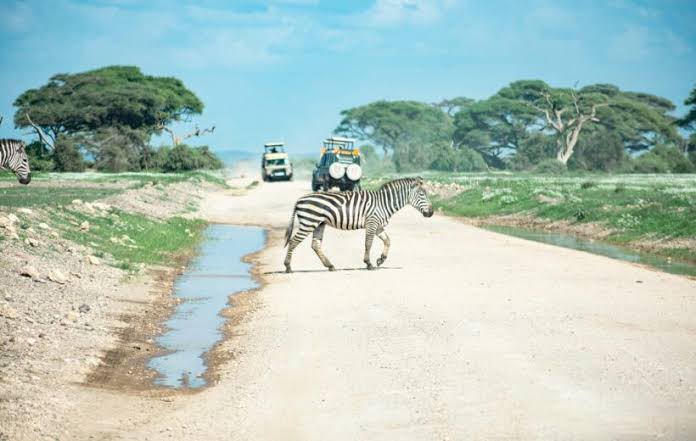
Zebras provide photographers with one of Kenya’s most recognizable wildlife subjects. Their black-and-white stripes create natural patterns that look especially impressive when several animals gather together. The contrast also gives photographers an opportunity to experiment with composition, shapes, textures, and repetition.
The Maasai Mara provides excellent opportunities to photograph plains zebras, especially across open grasslands. You may find individual animals, family groups, or larger herds moving across the plains. Their behavior creates different photography possibilities throughout the day.
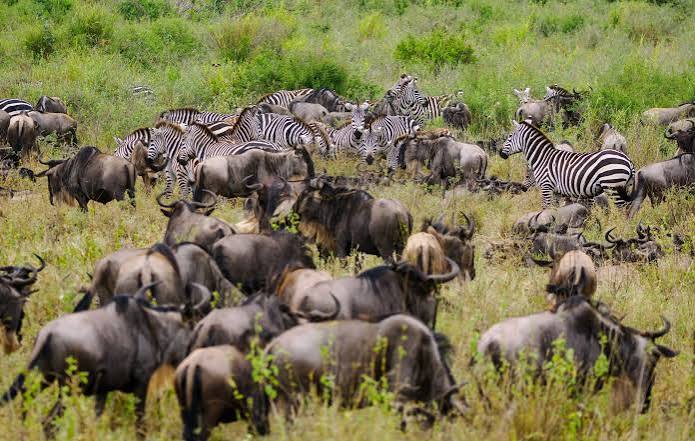
A single zebra can work well for a portrait, but group photography often produces more interesting results. Try looking for moments when several animals face different directions or when their bodies overlap in a visually pleasing pattern. You can also photograph zebras walking in a line, grazing together, or interacting with one another.
Zebras can also become excellent subjects for environmental photography. Instead of filling the frame with the animal, leave enough space to show the surrounding landscape. This approach helps communicate the scale and character of the Kenyan savannah.
Their contrasting stripes can create challenges in strong sunlight because bright areas may appear overexposed while darker areas lose detail. Therefore, check your exposure regularly and use the camera’s histogram if available. During softer morning or evening light, their coats can display more balanced detail.
Buffalo Are Excellent Subjects for Dramatic Wildlife Images
African buffalo may not receive the same attention as lions or elephants, yet they offer excellent photography opportunities. Their powerful bodies, curved horns, dark coats, and strong social behavior create opportunities for dramatic images. Buffalo often live in groups, so photographers can capture both individual portraits and large herd scenes.
Their predictable grazing behavior can make them easier to photograph than fast-moving animals. A herd may spend considerable time feeding or moving slowly through an area. This gives you time to observe their direction and prepare for a strong composition.
When photographing buffalo, focus on the eyes and horns for close portraits. The horns provide a strong visual feature, especially when an animal faces the camera. For herd photography, consider using a wider lens so that you capture the relationship between individual animals and the surrounding landscape.
Buffalo deserve careful treatment, however. They are powerful wild animals and can react quickly when they feel threatened. Always remain inside the safari vehicle unless your guide confirms that leaving the vehicle is safe and permitted. Never attempt to approach a buffalo on foot simply to obtain a closer photograph.
Good wildlife photography does not require you to get dangerously close. A strong image comes from composition, timing, light, and patience. In fact, keeping an appropriate distance often produces a more natural photograph because the animal behaves normally.
Hippos Can Be Surprisingly Rewarding to Photograph
Hippos present a different type of wildlife photography experience because they spend much of their time in or near water. Kenya’s rivers and lakes can provide opportunities to photograph hippos resting in groups, emerging from water, yawning, or interacting with other members of the pod.
Their large mouths make yawning and social interactions particularly interesting photographic moments. However, these opportunities require patience. A hippo may remain mostly submerged for a long period before briefly revealing its face or opening its mouth.
Water reflections can also add creative value. When conditions remain calm, the reflection of a hippo can create a balanced composition. Early morning and late afternoon light may further improve the image by adding warmer tones to the water.
Because hippos can move surprisingly quickly on land and remain highly dangerous, photographers should never treat them like harmless animals. Keep a safe distance and follow the instructions of your guide, especially around waterways.
For photographers using longer lenses, hippos offer opportunities to capture facial details without approaching too closely. Focus on the eyes, ears, nostrils, and textured skin. You can also experiment with horizontal compositions that include several animals in the same frame.
Hippo photography rewards patience more than speed. Instead of taking hundreds of random photographs, watch the group and anticipate movement. When one animal raises its head or opens its mouth, you can capture the moment with greater precision.
Cheetahs Can Produce Incredible Photographs With Patience
Cheetahs can be easier to photograph than some other predators when they remain in open areas. Their preference for relatively open terrain can help photographers locate them, especially when guides understand the local landscape and recent animal movements.
However, cheetahs also present challenges because they can move quickly when hunting. A photographer who expects constant action may become disappointed. Most of the time, successful cheetah photography depends on recognizing the quieter moments before the action begins.
A cheetah sitting upright and scanning the plains can make an excellent portrait. Its distinctive facial markings create a strong subject, while the surrounding grassland provides context. If the animal begins walking, use continuous autofocus and a suitable shutter speed so that you remain prepared for sudden movement.
Cheetahs often provide excellent opportunities for environmental portraits because their slender bodies and long legs contrast beautifully with open grasslands. Rather than always filling the frame, consider leaving space in the direction the animal faces. This technique creates a sense of movement and anticipation.
If a cheetah begins hunting, maintain a respectful distance and allow your safari guide to position the vehicle safely. Never encourage a guide to chase or block an animal simply to obtain a photograph. Ethical wildlife photography protects the animal and preserves the quality of the experience.
The best cheetah photographs often combine technical skill with patience. Watch first, anticipate second, and press the shutter at the right moment.
Rhinos Provide Powerful and Meaningful Safari Photographs
Kenya offers important opportunities to photograph both black and white rhinoceroses, particularly in protected conservation areas. Rhino photography can become one of the most meaningful parts of a safari because these animals represent some of Africa’s most important conservation efforts.
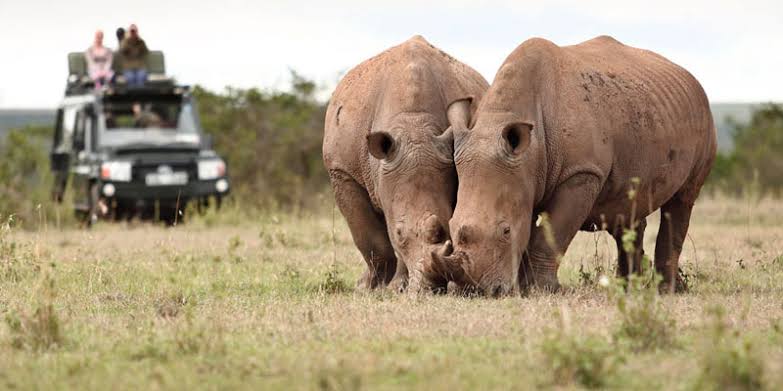
Rhinos often move slowly while feeding, making them relatively manageable subjects for photography. Their heavy bodies, distinctive horns, and thick skin create strong visual features. You can photograph an individual animal against the landscape or capture several rhinos together when conditions allow.
Ol Pejeta Conservancy provides a particularly important setting for rhino conservation and wildlife photography. The area allows visitors to connect photography with the wider story of habitat protection and species conservation.
When photographing rhinos, use the surrounding landscape to communicate scale. A wide photograph can show the animal within its natural habitat, while a telephoto lens can isolate details such as the eye, horn, ears, or textured skin.
Rhinos can appear calm, but you should never approach them carelessly. Their size and strength demand respect. Follow your guide’s instructions and avoid sudden movements or unnecessary noise.
A responsible photographer also understands that conservation comes before the perfect photograph. Avoid disturbing animals, pressuring guides to move too close, or encouraging unsafe encounters. A photograph becomes more valuable when you know that you captured it without harming the subject.
Antelopes Are Some of the Best Animals for Practicing Wildlife Photography
Kenya contains a remarkable variety of antelope species, and they provide excellent opportunities for photographers who want to practice wildlife photography. Impalas, gazelles, elands, waterbucks, hartebeests, and other antelope species appear across different habitats.
These animals can help beginners improve important photography skills because they often provide repeated opportunities. You can practice focusing on moving subjects, tracking animals, managing exposure, and composing groups without relying entirely on rare predator sightings.
Impalas, for example, often appear in groups. Their social behavior can create attractive compositions, particularly when several animals stand alert in the same direction. They also provide opportunities to capture movement when they run, jump, or interact.
Gazelles can create elegant portraits because of their slim bodies and graceful posture. Elands offer a larger subject with impressive horns, while waterbucks often provide interesting compositions around wetland areas.
Antelopes also contribute to the broader story of the African ecosystem. Photographing them alongside predators, birds, trees, grasslands, or water sources can create images that communicate more than the identity of a single species.
For photographers who want to improve quickly, antelopes offer a valuable advantage: repetition. You may encounter them several times during a safari, giving you opportunities to experiment rather than relying on one brief encounter.
Birds Are Among Kenya’s Most Accessible Photography Subjects
Kenya is not only a destination for big-game photography. The country also supports an extraordinary variety of birdlife, making birds some of the most accessible subjects for photographers who pay attention to the smaller details of the safari environment.
Large birds such as ostriches, secretary birds, marabou storks, eagles, cranes, and many waterbirds can provide excellent photographic opportunities. Their varied sizes, colors, shapes, and behaviors allow photographers to develop different techniques.
Birds also teach valuable lessons about shutter speed and autofocus. A stationary bird allows you to practice composition and exposure, while a bird taking flight challenges you to track movement. As your skills improve, you can experiment with flight photography and fast action images.
Ostriches make particularly interesting subjects because they stand tall above the grass and create strong silhouettes. Birds of prey can produce powerful portraits when perched on exposed branches or poles. Waterbirds can also create beautiful reflections when photographed around calm water.
Do not overlook birds simply because you came to Kenya hoping to photograph lions. Wildlife photography becomes more rewarding when you observe the entire ecosystem. A small bird sitting near a large elephant, a raptor flying above a herd, or a colorful species resting among vegetation can create an image that tells a unique story.
The Best Time of Day for Safari Photography in Kenya
Animal selection matters, but light can determine whether an otherwise excellent wildlife encounter becomes a great photograph. Early morning and late afternoon usually provide some of the most attractive natural light for safari photography. During these periods, the sun sits lower in the sky, producing softer and warmer illumination.
Morning game drives can also offer active wildlife. Many animals begin feeding or moving while temperatures remain comfortable. Consequently, you may photograph predators, herbivores, birds, and other species before the heat of the day encourages animals to rest.
Late afternoon brings another strong opportunity. Warm sunlight can create golden tones across grasslands and highlight animal fur, feathers, and skin. As the sun approaches the horizon, silhouettes become possible.
Midday still has value, particularly when you want to photograph animals in clear detail or when cloudy conditions soften the light. However, strong overhead sunlight can produce harsh shadows, especially around the eyes of animals.
Weather also affects photography. Cloudy skies can provide soft, even light and reduce harsh highlights. After rain, the landscape can appear greener and more dramatic. Dust can also become a creative element when herds move across dry ground.
Rather than waiting for perfect weather, learn to work with the conditions you find. Strong wildlife photographers adapt to the environment instead of depending entirely on ideal circumstances.
Choosing the Right Camera Settings for Kenyan Wildlife
Good equipment helps, but understanding your camera matters more than simply owning an expensive body or lens. Wildlife moves unpredictably, so your settings should allow you to react quickly.
A fast shutter speed helps freeze movement. For animals that remain still, you can use a slower shutter speed, but active wildlife usually requires faster settings. Continuous autofocus can help maintain focus when an animal moves toward or away from your vehicle.
A telephoto lens provides another major advantage. It allows you to photograph animals from a respectful distance while filling the frame with detail. However, do not assume that the longest possible lens always produces the best image. Sometimes a wider composition tells a stronger story by showing the animal within its habitat.
Use burst shooting when appropriate, especially during action. However, avoid holding the shutter continuously without purpose. Instead, anticipate the moment and capture a controlled sequence.
You should also monitor exposure carefully. Bright skies, dark animals, reflective water, and strong sunlight can confuse automatic exposure systems. Learn how your camera handles exposure compensation so you can make quick adjustments.
Most importantly, practice before your safari. Learn how to change shutter speed, ISO, autofocus mode, and exposure compensation without spending several minutes searching through menus. Wildlife does not wait while you adjust your camera.
Ethical Wildlife Photography Should Always Come First
Great safari photography begins with respect for wildlife. A photograph should never come at the cost of an animal’s safety, comfort, or natural behavior. Kenya’s wildlife belongs in protected ecosystems where visitors can observe it responsibly.
Always follow your safari guide’s instructions. Stay inside the vehicle when required, maintain a safe distance, avoid loud noises, and never attempt to attract an animal for a photograph. Do not ask a guide to drive aggressively toward wildlife or block an animal’s movement.
Ethical photography also means accepting that some encounters will not produce perfect images. Sometimes an animal hides behind vegetation. Sometimes the light becomes difficult. Sometimes the animal walks away. These moments form part of genuine wildlife experiences.
Patience often produces better results than pressure. Give animals time to behave naturally, and you may capture something far more authentic than a staged encounter.
You should also think beyond the photograph itself. Wildlife tourism supports conservation, communities, guides, drivers, accommodation providers, and protected areas. Responsible tourism helps keep these ecosystems valuable for future generations.
When you photograph Kenya’s wildlife ethically, you become part of a larger conservation story. Your images can help people appreciate Africa’s natural heritage while your travel choices support the people and organizations working to protect it.
How to Plan a Safari Around Wildlife Photography
If photography represents an important part of your Kenya safari, plan the journey with photography in mind from the beginning. Different destinations offer different habitats, species, landscapes, and photographic conditions.
The Maasai Mara works particularly well for photographers interested in lions, cheetahs, leopards, zebras, wildebeest, giraffes, and other savannah wildlife. Amboseli offers exceptional elephant photography and dramatic landscape opportunities. Samburu provides a different ecosystem with distinctive wildlife and dry-country scenery. Tsavo offers expansive landscapes and opportunities to photograph elephants, lions, giraffes, buffalo, and many other species. Conservation areas such as Ol Pejeta add important opportunities to connect wildlife photography with conservation.
The length of your safari also matters. A rushed itinerary can limit your ability to wait for good photographic moments. More time in a destination gives you greater flexibility to revisit productive areas and photograph animals under different lighting conditions.
Your vehicle and guide also influence the experience. An experienced safari guide understands animal behavior, reads tracks, watches environmental clues, and positions the vehicle responsibly. That knowledge can make a significant difference when an animal suddenly becomes active.
Finally, communicate your photography interests before the safari begins. This helps your safari team understand that you value patience, positioning, light, and composition rather than simply collecting a long list of animal sightings.
Conclusion
Kenya makes wildlife photography accessible because it combines diverse ecosystems, abundant wildlife, experienced safari professionals, and landscapes that naturally create powerful images. Lions, elephants, giraffes, zebras, buffalo, hippos, antelopes, rhinos, cheetahs, and birds can all provide excellent opportunities, although each species requires a different approach.
The easiest animals to photograph usually share one important quality: they give you enough time to observe and prepare. Elephants move steadily, lions often rest, giraffes stand prominently above vegetation, and many antelope species appear regularly across open landscapes. Even so, the best photographs rarely come from rushing. Patience, ethical positioning, good light, and an understanding of animal behavior make a much greater difference.
For international travelers, Kenya offers more than a chance to take attractive wildlife photographs. It provides an opportunity to understand Africa through its landscapes, wildlife, conservation work, and communities. A well-planned safari can therefore become both a photography journey and a meaningful exploration of one of the world’s most remarkable wildlife destinations.
When you want reliable planning, knowledgeable local guidance, carefully selected safari destinations, and a genuine commitment to creating memorable African experiences, Giant Holiday Safaris provides a trusted foundation for exploring Kenya. With the right preparation and responsible approach, your Kenyan safari can deliver photographs that preserve not only what you saw, but also the atmosphere, beauty, and wild character of Africa.