Which Safari Experiences in Kenya Are Best In Dry Season?
May 27, 2026
What are the best Kenya safari tours for group travel?
May 27, 2026
What are the best safari parks for wildlife viewing during migration?
What are the best safari parks for wildlife viewing during migration: Africa delivers one of the most powerful wildlife spectacles on earth, and the topic What are the best safari parks for wildlife viewing during migration? sits at the heart of that experience. Every year, millions of wildebeest, zebras, and gazelles move across vast savannahs in search of fresh grass and water. This movement creates dramatic river crossings, predator action, and unforgettable landscapes that attract travelers from every corner of the world. When you explore Africa’s top safari destinations, you gain more than a trip. You step into a living natural cycle that shows raw survival, beauty, and balance.
This guide highlights the most reliable safari parks for witnessing migration at its peak. It also helps you understand where to go, when to visit, and how each destination creates a unique viewing experience. Whether you want dramatic river crossings, wide open plains, or predator rich ecosystems, Africa offers a wide range of choices. Each location brings its own rhythm to the migration story, making your safari both educational and deeply emotional.
Wildlife migration ecosystems across Africa
Wildlife migration in Africa follows seasonal rainfall patterns that shape life across vast landscapes. Animals move constantly to find fresh grazing land, which creates one of the largest land migrations on the planet. This natural movement happens mainly within the Serengeti Mara ecosystem, but it also connects surrounding conservation areas that support the journey.
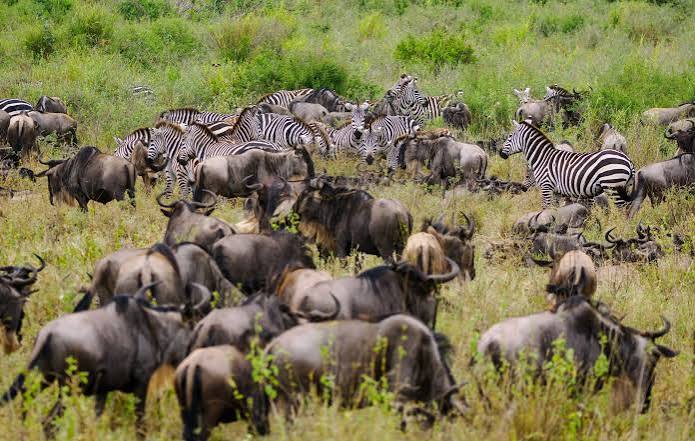
The migration includes more than wildebeest alone. Zebras lead much of the movement because they feed on taller grasses. Wildebeest follow closely since they prefer shorter grass that grows after zebras graze. Along the way, predators such as lions, cheetahs, hyenas, and crocodiles wait for opportunities, creating intense wildlife interactions that define the safari experience.
Travelers who explore these ecosystems gain insight into how climate, land, and wildlife connect. The best safari parks protect these natural routes, ensuring animals move freely without barriers. Conservation efforts across Tanzania and Kenya play a major role in keeping this cycle alive. When you understand this system, your safari becomes more meaningful because you see how every species contributes to survival on the plains.
Serengeti National Park Tanzania
Serengeti National Park in Tanzania stands as the most iconic destination for wildlife viewing during migration. It covers vast plains filled with grasslands, rocky outcrops, and river systems that support millions of animals throughout the year. This park hosts the heart of the migration cycle, especially during calving season and early movement stages.
From December to March, the southern plains come alive with new life as thousands of wildebeest calves are born daily. This period attracts predators, which increases dramatic wildlife encounters. The open landscape makes it easy to observe large herds moving across the horizon, offering unmatched photographic opportunities.
Between May and July, the herds begin moving north through the central and western corridors. This stage brings river crossings and increased tension as animals face crocodile filled waters. Travelers who visit during this time witness one of nature’s most intense survival events.
The Serengeti also offers strong infrastructure for safaris, including guided tours, mobile camps, and luxury lodges. These options help visitors stay close to migration routes while enjoying comfort and safety. Because of its size and ecological importance, the Serengeti remains a top choice for anyone seeking a complete migration experience.
Maasai Mara National Reserve Kenya
Maasai Mara National Reserve in Kenya forms the northern extension of the Serengeti ecosystem and delivers some of the most dramatic migration scenes. This reserve becomes especially active between July and October when herds cross from Tanzania into Kenya. The Mara River becomes the main stage for intense wildlife action as animals gather before making dangerous crossings.
Visitors often witness massive groups of wildebeest and zebras waiting at riverbanks. When they finally cross, the scene becomes fast paced and unpredictable. Crocodiles lie in wait while predators watch from nearby grasslands. This natural tension creates unforgettable safari moments that define the region’s global reputation.
The Maasai Mara also offers rich biodiversity beyond migration. Lions, leopards, elephants, and giraffes live here year round, making every safari rewarding even outside peak migration months. The open savannah allows easy game viewing, and many conservancies around the reserve provide low density tourism experiences that feel more private.
Cultural encounters with the Maasai people also add depth to the visit. Their traditional lifestyle connects closely with the land and wildlife, giving travelers a broader understanding of conservation and heritage. Because of this blend of wildlife and culture, the Maasai Mara remains a key destination for migration safaris.
Ngorongoro Conservation Area and Ndutu plains
Ngorongoro Conservation Area and the nearby Ndutu plains play a crucial role in the migration cycle, especially during the calving season. These areas sit between the southern Serengeti and surrounding highlands, creating rich grazing lands that attract large herds between December and March.
The Ndutu region offers some of the best close range wildlife viewing in Africa. Short grass plains allow visitors to see newborn wildebeest and zebra calves up close. This period also brings high predator activity as lions, cheetahs, and hyenas take advantage of vulnerable young animals. The balance between birth and survival creates one of the most dramatic natural events in the world.
Ngorongoro itself features a unique volcanic caldera that supports a wide range of wildlife throughout the year. Although the migration does not stay long inside the crater, the surrounding conservation area acts as a key corridor. This connection allows animals to move freely between regions without interruption.
Travelers who visit Ndutu and Ngorongoro during migration season enjoy fewer crowds compared to central Serengeti zones. This gives a more personal safari experience while still offering high-quality wildlife viewing. The combination of landscapes, wildlife density, and accessibility makes this region essential for migration focused safaris.
Grumeti and private reserves ecosystem
The western corridor of the Serengeti includes the Grumeti region, which offers a more exclusive safari experience during migration. This area forms part of the larger ecosystem that supports herd movement between central Serengeti and the Maasai Mara. It features rivers, woodlands, and open plains that create important resting and crossing points for animals.
Grumeti Game Reserve plays a strong role in conservation and tourism management. Private concessions in this area help limit visitor numbers, which allows for quieter and more controlled wildlife viewing. This approach supports both conservation goals and high-quality safari experiences.
During migration months, herds pass through this region while facing river crossings and predator pressure. Visitors often enjoy sightings of large crocodiles, elephants, and big cat families that follow the herds. Because fewer vehicles operate here, wildlife behavior remains more natural and less disturbed.
Luxury lodges and guided safari experiences in Grumeti focus on sustainability and education. Travelers gain a deeper understanding of ecosystem management and anti-poaching efforts that protect the migration route. This makes the western corridor a strong choice for travelers who want exclusivity and meaningful conservation impact alongside wildlife viewing.
Best Time and Travel Planning for Migration Safaris
Timing plays a key role when planning a safari focused on migration. The movement of animals follows rainfall patterns, so different regions peak at different months. From December to March, the southern Serengeti and Ndutu plains host calving season, with thousands of births and high predator activity. From May to July, herds move through the western corridor and central Serengeti, while between July and October, the Maasai Mara becomes the stage for dramatic river crossings and predator encounters. Giant Holiday Safaris ensures travelers are guided to the right locations at the right time.
Early planning is essential because migration lodges and camps fill quickly during peak season. Flexible itineraries improve chances of following the herds as they move. Guided safaris with experienced experts like those provided by Giant Holiday Safaris add strong value through knowledge of seasonal patterns and animal behavior.
Weather also influences comfort. Dry seasons offer better road access and clearer wildlife viewing, while wet seasons bring lush scenery and fewer crowds. Each season provides a unique perspective on the migration cycle, and Giant Holiday Safaris helps travelers match their goals with the best timing for unforgettable experiences.
Responsible Safari Tourism and Wildlife Viewing Experience
Responsible tourism plays a vital role in protecting Africa’s migration routes for future generations. Visitors who respect wildlife and follow ethical practices help preserve fragile ecosystems. This includes keeping safe distances from animals, avoiding off-road driving in restricted areas, and following guide instructions at all times. Giant Holiday Safaris emphasizes these principles to ensure every safari remains safe and sustainable.
Local communities also depend on tourism for income and conservation support. When travelers choose eco‑friendly lodges and certified safari operators, they contribute directly to wildlife protection and community development. This strengthens long‑term conservation efforts across the Serengeti‑Mara ecosystem. Giant Holiday Safaris partners with lodges and conservancies that prioritize community empowerment.
Sustainable travel also means reducing environmental impact. Simple actions such as limiting waste, conserving water, and respecting park rules make a meaningful difference. Many safari operators now focus on low‑impact tourism that protects habitats while still offering high‑quality experiences.
Education is another key aspect of responsible travel. Learning about animal behavior, migration patterns, and conservation challenges helps visitors appreciate the complexity of these ecosystems. This awareness transforms a safari into more than sightseeing it becomes a shared responsibility to protect one of the greatest wildlife movements on earth.
Understanding what are the best safari parks for wildlife viewing during migration helps travelers choose destinations that deliver unforgettable experiences while supporting conservation, community growth, and long-term protection of Africa’s natural heritage. With Giant Holiday Safaris as your trusted operator, every journey combines adventure, responsibility, and meaningful impact.
Combined Uganda, Kenya, Rwanda and Tanzania Safaris
17 days Kenya Tanzania and Uganda safari
19 Days Uganda Kenya and Tanzania Safari
16 Days Kenya Tanzania and Uganda Safari
14 Days Kenya Uganda and Tanzania Safari
14 Days Kenya Uganda and Rwanda Safari
12 Day Gorilla Trekking and Tanzania Safari
.