Can you rent a safari vehicle in Kenya?
August 28, 2026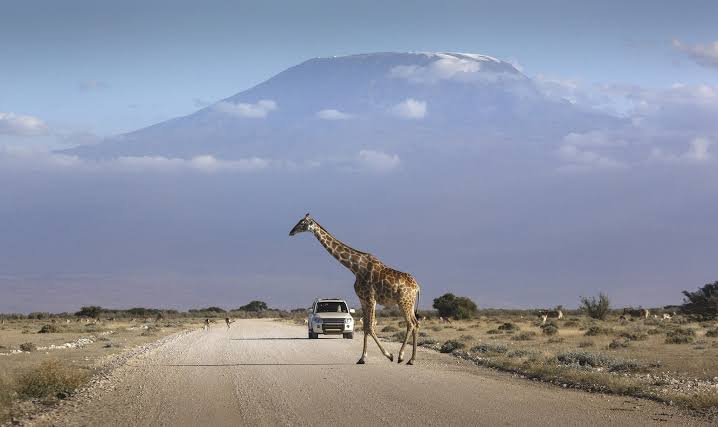
What Are the Best Self-Drive Routes in Kenya?
A self-drive safari in Kenya gives travelers the freedom to explore the country at their own pace. Instead of following a fixed schedule, you can decide when to leave camp, where to stop for photographs, how long to enjoy a scenic viewpoint, and when to continue toward your next destination. Kenya offers an excellent road-trip setting because its major tourism regions connect through a mix of paved highways, scenic country roads, park tracks, mountain routes, and remote wilderness roads. With good planning, a self drive journey can combine wildlife, landscapes, culture, beaches, forests, lakes, and highland scenery in one memorable adventure.
However, choosing the right route matters. Kenya covers a large area, and road conditions can change quickly between major highways and remote conservation areas. Some routes work well for first-time self-drive travelers, while others require a stronger vehicle, more navigation experience, and careful weather planning. Therefore, travelers should match their route to their driving experience, travel season, vehicle type, and preferred attractions.
For many international visitors, the greatest advantage of self-driving comes from the freedom it provides. You can spend extra time watching elephants in Amboseli National Park, enjoy the dramatic landscapes of the Rift Valley, explore the wildlife-rich plains of the Maasai Mara, or continue toward Kenya’s Indian Ocean coast without depending entirely on group-tour schedules. At the same time, responsible self-driving requires respect for wildlife, local communities, road users, conservation rules, and the environment.
This guide explores some of the best self-drive routes in Kenya and explains what makes each journey worthwhile. It also highlights practical considerations that can help international travelers plan a safer, smoother, and more rewarding Kenya road trip.
Nairobi to Maasai Mara: One of Kenya’s Classic Safari Road Trips
The route from Nairobi to the Maasai Mara ranks among the most popular self-drive journeys in Kenya. It offers a strong combination of accessibility, changing landscapes, rural scenery, and world-class wildlife. The journey begins in the busy capital before gradually moving into the Great Rift Valley and eventually toward the open grasslands of the Mara region. For travelers who want to experience a traditional Kenya safari without joining a fully guided road tour, this route provides an attractive starting point.
The journey usually takes several hours depending on the exact destination, road conditions, traffic, and stops along the way. Travelers should avoid treating the journey as a simple point-to-point drive because the route offers several worthwhile places to stop. The Great Rift Valley viewpoints provide dramatic scenery, while towns and rural settlements offer a glimpse into everyday life outside Nairobi.
Once travelers approach the Maasai Mara, road conditions can become more challenging, particularly away from the main routes. During dry conditions, a suitable SUV or 4×4 can handle many routes more comfortably. During heavy rains, however, some roads can become muddy, slippery, or difficult to navigate. Consequently, travelers should check current conditions before entering the reserve or surrounding conservancies.
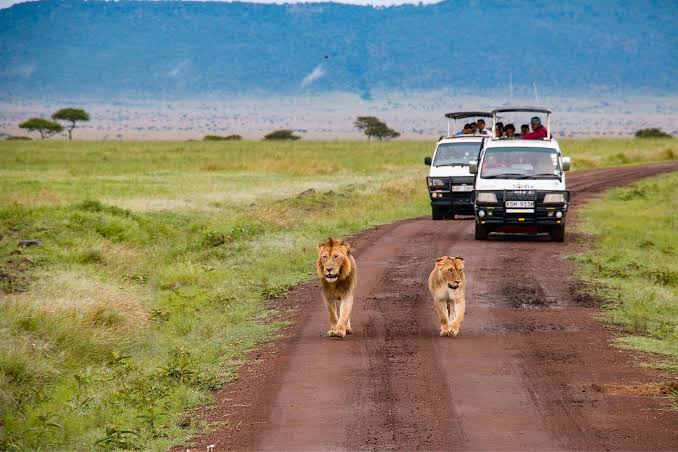
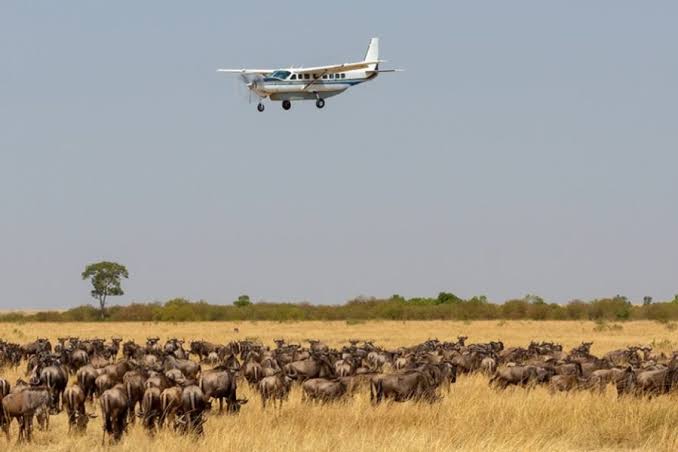
The Maasai Mara itself rewards a slower travel style. Rather than rushing from one sighting to another, self-drive visitors can plan game drives around their interests. The ecosystem supports large numbers of lions, elephants, buffaloes, giraffes, zebras, wildebeests, cheetahs, and many other species. During the annual wildebeest movement, the wider Mara ecosystem becomes especially famous for dramatic wildlife activity.
For first-time self-drive visitors, Nairobi–Maasai Mara works best when travelers allow enough time for the road journey and avoid driving after dark. Good preparation transforms the route from a simple transfer into an important part of the safari experience.
Nairobi to Amboseli National Park: A Scenic Route Beneath Kilimanjaro
The Nairobi to Amboseli route offers another excellent option for travelers who want a manageable self-drive safari with spectacular scenery. The journey leads from Nairobi toward southern Kenya and eventually reaches Amboseli National Park, one of the country’s most recognizable wildlife destinations.
Amboseli stands out because of its open plains, large elephant populations, seasonal wetlands, and views toward Mount Kilimanjaro across the border in Tanzania. When weather conditions provide clear visibility, the mountain creates one of the most impressive backdrops in East African safari photography. For this reason, travelers interested in landscapes and wildlife often place Amboseli high on their Kenya road-trip list.
The route also provides an opportunity to experience the transition from urban Nairobi into more open landscapes. As the journey progresses, traffic decreases and the surroundings become increasingly rural. Travelers should still plan carefully because driving times can vary depending on traffic, roadworks, weather, and the condition of smaller roads near the park.
A capable vehicle makes the experience easier, especially if travelers plan to explore several areas beyond the main access roads. Although some roads can remain accessible to ordinary vehicles during dry periods, a 4×4 provides greater confidence when navigating uneven tracks, loose surfaces, and muddy sections.
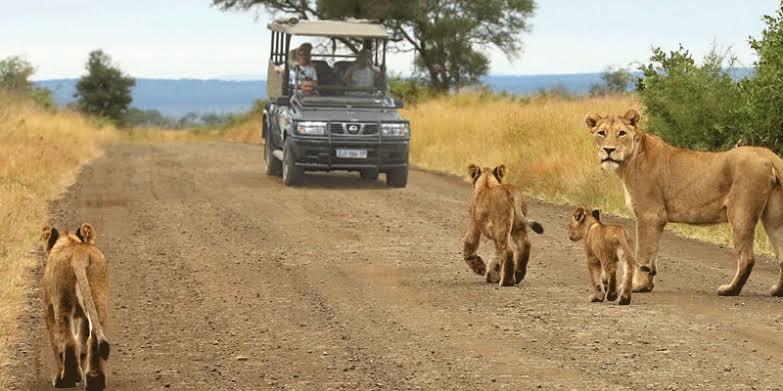
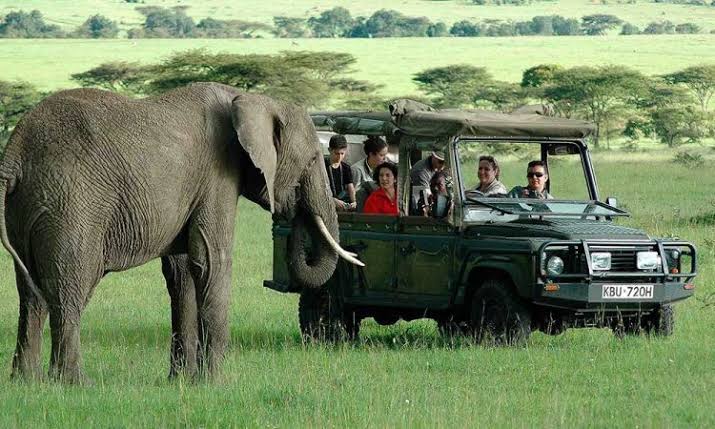
Once inside the park, travelers should remember that wildlife has priority. Elephants can appear unexpectedly near roads, and animals may cross without warning. Drivers should maintain a safe distance, avoid aggressive approaches, and never leave the vehicle except in designated areas.
A self-drive trip to Amboseli can also form part of a larger southern Kenya itinerary. Travelers can combine the park with Tsavo, Nairobi, or coastal destinations, creating a road trip that covers wildlife, landscapes, and the Indian Ocean.
Nairobi to Lake Nakuru and Lake Naivasha: The Great Rift Valley Route
For travelers who want a shorter road trip with a strong mix of scenery and wildlife, the Nairobi Naivasha Nakuru corridor offers an excellent choice. The route follows part of Kenya’s Great Rift Valley and provides opportunities to combine dramatic landscapes, lakes, wildlife areas, and highland scenery.
Lake Naivasha provides a natural stop for travelers who want to experience one of Kenya’s freshwater lakes. The surrounding region supports birdlife, hippos, and attractive landscapes. Visitors can also explore nearby attractions and enjoy a more relaxed break from long-distance driving.
Further along the route, Lake Nakuru National Park provides another strong wildlife stop. The park supports rhinos, lions, leopards, buffaloes, giraffes, zebras, and numerous bird species. Its compact size can make it particularly attractive to travelers who want a safari experience without committing several days to a much larger wilderness area.
The road journey itself becomes part of the adventure. The Great Rift Valley creates impressive viewpoints and changing elevations, while the surrounding farms and settlements demonstrate the importance of agriculture to Kenya’s economy. Travelers should take advantage of safe viewpoints and designated stopping areas rather than stopping randomly along busy roads.
This route works particularly well for travelers with limited time. A self-drive itinerary can begin in Nairobi, continue through the Rift Valley, spend time around Naivasha and Nakuru, and then connect with other destinations. It can also serve as the first stage of a longer journey toward western Kenya.
Because the region contains major highways and busy urban areas, defensive driving remains important. Travelers should expect commercial vehicles, motorcycles, pedestrians, livestock, and changing traffic conditions. Starting early also helps reduce pressure from traffic and provides more daylight for exploring attractions.
Nairobi to Samburu: A Journey Into Northern Kenya
The Nairobi to Samburu route takes travelers into a very different side of Kenya. While southern safari destinations often feature open grasslands and classic savannah scenery, northern Kenya introduces dry landscapes, rugged hills, river ecosystems, and distinctive wildlife.
Samburu National Reserve provides one of the region’s most rewarding wildlife experiences. The reserve and surrounding ecosystem support species that visitors may not encounter as easily in southern Kenya. These include Grevy’s zebra, reticulated giraffe, gerenuk, Beisa oryx, and Somali ostrich, alongside elephants, lions, leopards, buffaloes, and other wildlife.
The journey from Nairobi toward Samburu covers a significant distance, so travelers should avoid planning it as a rushed one-day adventure if they want to enjoy the landscape. Breaking the journey into manageable stages can make the experience safer and more enjoyable. It also gives travelers the opportunity to explore parts of central Kenya before reaching the northern region.
Road conditions vary considerably along this journey. Main roads can offer reasonable driving conditions, but routes closer to remote reserves may include rough sections, gravel, corrugation, and stretches affected by weather. A well-maintained 4×4 therefore provides an important advantage.
Fuel planning becomes increasingly important as travelers move into remote areas. Drivers should not assume that every town or conservation area will have fuel available when needed. Filling the tank whenever a reliable fuel station appears can prevent unnecessary problems later.
Samburu also works well as part of a longer northern Kenya road trip. Travelers with additional time can explore neighboring conservancies and continue toward destinations such as Laikipia. This makes the Nairobi–Samburu journey especially appealing to adventurous travelers who want to experience a less conventional side of Kenya.
Nairobi to Tsavo East and Tsavo West: The Great Wilderness Drive
Tsavo offers one of Kenya’s best choices for travelers who want a large-scale wilderness experience. Tsavo East National Park and Tsavo West National Park form part of one of Kenya’s most important protected landscapes.
The Nairobi to Tsavo journey also provides a useful connection between the capital and Kenya’s coastal region. Travelers can therefore build a road trip that combines Nairobi, Tsavo, and the beaches around Mombasa, Diani, Watamu, or Malindi.
Tsavo East is known for expansive landscapes and large elephant populations, while Tsavo West offers a more varied terrain that includes volcanic features, rocky landscapes, springs, and woodland. The two parks provide different experiences, so travelers with enough time can consider visiting both rather than choosing only one.
Self-driving in Tsavo requires patience and strong navigation habits. The parks cover vast areas, and mobile connectivity may not remain consistent everywhere. Travelers should therefore download maps before entering remote areas, carry sufficient drinking water, maintain adequate fuel, and understand their planned route before leaving camp or lodge.
Wildlife encounters can also occur far from busy visitor areas. That creates exciting opportunities, but it also means drivers must remain responsible. Do not chase animals, block their movement, drive off designated roads, or approach wildlife too closely for photographs.
The route becomes particularly attractive when planned as a loop. Travelers can enter the Tsavo ecosystem from one direction, explore both parks, and then continue toward the coast. This approach reduces unnecessary backtracking and turns a long-distance transfer into a complete Kenya safari road adventure.
Mombasa to Diani and Kenya’s South Coast
Not every Kenyan self-drive route needs to focus entirely on wildlife. The country’s coast offers a completely different road-trip experience, combining tropical scenery, beaches, marine activities, historic towns, and coastal culture.
Travelers starting in Mombasa can drive toward Diani Beach and explore Kenya’s South Coast. The journey introduces visitors to a warmer tropical environment after the cooler or drier inland landscapes.
Diani provides a strong base for travelers who want to combine a safari with a beach holiday. After several days exploring national parks, a coastal stay creates an opportunity to slow down, enjoy the ocean, and explore activities such as snorkeling, diving, boat trips, and coastal excursions.
The route itself requires attention because traffic around Mombasa can become heavy. Travelers should plan departures carefully and avoid assuming that short distances always mean short travel times. Urban congestion, ferry movements, roadworks, and local traffic can affect the journey.
Once outside the busiest sections, however, the coastal environment becomes increasingly relaxed. Travelers can explore beaches and nearby attractions while maintaining the freedom that makes self-driving appealing.
For international visitors, this route can form the final stage of a larger Kenya road trip. A traveler might begin in Nairobi, visit Amboseli or Tsavo, and then continue toward the coast. This creates a journey that combines savannah wildlife with the Indian Ocean in one itinerary.
Because coastal roads can include busy settlements, travelers should drive defensively and avoid night driving in unfamiliar areas. A planned route, reliable navigation, and sufficient daylight make the experience considerably easier.
The Nairobi to Laikipia Self-Drive Route
Laikipia offers one of Kenya’s most interesting self-drive regions because it combines wildlife conservation, ranch landscapes, mountain views, and community-focused tourism. The region lies north of Nairobi and provides a useful alternative to the country’s more heavily visited safari circuits.
Travelers can use Laikipia as a destination on its own or combine it with Samburu and other northern attractions. The area supports diverse wildlife and contains several conservancies where conservation, tourism, and local livelihoods work together.
One of the strengths of a Laikipia road trip comes from its variety. Instead of experiencing only a traditional national park environment, travelers can discover landscapes shaped by ranching, conservation, agriculture, and community initiatives. This creates a more complete understanding of Kenya’s tourism model.
Driving conditions vary by destination. Major roads provide easier access, while routes inside conservancies may require a 4×4. Travelers should confirm access arrangements with their accommodation before arrival, particularly when visiting private conservancies or remote camps.
Laikipia also works well for photographers and travelers who prefer quieter safari experiences. The landscape can feel more spacious and less crowded than some of Kenya’s busiest wildlife destinations. Furthermore, conservancies may offer activities that differ from standard national park game drives, depending on the property and local rules.
For a self-drive traveler, preparation remains essential. Carry offline maps, maintain adequate fuel, check road conditions, and allow more time than the map distance may suggest. Remote Kenya rewards travelers who slow down and plan carefully.
The Nairobi to Mount Kenya and Nanyuki Route
The journey from Nairobi toward Mount Kenya provides another excellent self-drive opportunity, particularly for travelers interested in mountains, wildlife, agriculture, and cooler highland landscapes. The route leads toward Nanyuki, a popular base for exploring the Mount Kenya region and northern Kenya.
The landscape changes significantly as travelers leave Nairobi. Agricultural areas, ranches, forests, and mountain views gradually replace the urban environment. Mount Kenya dominates the wider region and provides an impressive geographical landmark.
Nanyuki also works well as a gateway to nearby conservation areas and attractions. Travelers can use the town as a base before continuing toward Laikipia or Samburu, making it useful within a larger northern Kenya road trip.
One major advantage of this route is flexibility. Travelers can create a short weekend-style road trip or use it as part of a much longer itinerary. The region also provides opportunities for travelers who want more than wildlife. Hiking, nature walks, farm experiences, and cultural activities can complement traditional game drives.
Weather can change quickly around Mount Kenya, so travelers should pack layers even when beginning their journey in warm Nairobi. Road users should also remain alert on busy sections and around towns.
For visitors unfamiliar with Kenya, this route provides an excellent introduction to road travel outside the capital. It combines manageable distances with diverse scenery and access to some of the country’s most important northern tourism regions.
How to Choose the Best Self-Drive Route in Kenya
The best self-drive route depends on what you want from your Kenya holiday. Travelers who want classic wildlife should prioritize Maasai Mara, Amboseli, Tsavo, or Samburu. Those who prefer scenery and shorter drives may enjoy the Rift Valley and Lake Naivasha–Lake Nakuru corridor. Travelers seeking a combination of wildlife and beach time can build a southern circuit linking Nairobi, Amboseli, Tsavo, and the coast.
Your travel season should also influence the decision. Dry periods generally make many safari roads easier to navigate, while rainy periods can create challenging conditions on unpaved roads. Nevertheless, wet seasons can transform landscapes into beautiful green environments and may provide excellent photography opportunities.
Vehicle choice matters just as much. A reliable 4×4 offers the greatest flexibility for remote safari routes, especially when road conditions become difficult. Before departure, inspect tires, brakes, spare wheels, fluids, lights, and recovery equipment.
Time also plays a major role. Avoid creating an itinerary that spends most of the holiday behind the steering wheel. Kenya’s roads can cover large distances, and unexpected delays happen. Building extra time into the schedule creates room for wildlife stops, scenic viewpoints, weather changes, and road conditions.
Finally, consider your confidence level. First-time visitors should start with routes that offer stronger road infrastructure and easier navigation. Experienced drivers can consider longer northern or multi-park circuits. Regardless of experience, responsible planning always improves the journey.
Essential Tips for a Safe Kenya Self-Drive Safari
Preparation can make the difference between a stressful road trip and an exceptional safari. Before leaving Nairobi or another major town, check your vehicle carefully. Make sure you have enough fuel, a usable spare tire, basic tools, drinking water, food, a first-aid kit, and reliable navigation.
Download offline maps before entering remote areas because mobile coverage can become weak or unavailable. Keep important accommodation details available offline as well. Travelers should also share their planned route with someone they trust, especially when driving through remote regions.
Driving during daylight remains one of the most important safety habits. Wildlife, pedestrians, livestock, motorcycles, potholes, and other road hazards become harder to identify after dark. Therefore, plan each day’s journey so you can reach your destination before night whenever possible.
Inside national parks and conservancies, follow posted speed limits and conservation rules. Wildlife should never become a reason to take unnecessary risks. Keep a respectful distance, remain inside the vehicle in areas where leaving is prohibited, and avoid loud behavior around animals.
Travelers should also respect local communities. Kenya’s rural roads pass through areas where people walk, cycle, herd livestock, farm, and conduct daily business. Slow down near settlements and give pedestrians and animals adequate space.
Most importantly, do not allow navigation apps to dictate every decision. A digital map may suggest a route based on distance without understanding current road conditions. Local knowledge from your accommodation, park authorities, or reliable tourism professionals can help you make better decisions when conditions change.
Conclusion: Plan Your Kenya Self-Drive Adventure With Confidence
Kenya offers an impressive range of self-drive routes, from the wildlife-rich plains of the Maasai Mara and Amboseli to the dramatic Rift Valley, northern landscapes of Samburu and Laikipia, the vast wilderness of Tsavo, and the tropical coastline around Mombasa and Diani. Each route creates a different travel experience, so the best choice depends on your interests, available time, driving experience, vehicle, and travel season.
A successful self-drive safari requires more than choosing destinations on a map. You need to understand road conditions, plan realistic driving times, prepare your vehicle, carry essential supplies, respect conservation rules, and remain flexible when weather or road conditions change. Above all, give yourself enough time to enjoy the journey rather than treating Kenya as a series of points between two locations.
For international travelers, self-driving can reveal a side of Kenya that organized itineraries sometimes cannot. You can stop for landscapes, explore rural areas, spend longer at a wildlife sighting, and shape your journey around your own interests. However, expert planning remains valuable, especially when your route enters remote conservation areas.
For travelers who want the freedom of a road trip while still benefiting from dependable local knowledge, Giant Holiday Safaris provides trusted expertise for planning memorable Kenya and East Africa travel experiences. With the right route, preparation, and professional guidance, your Kenyan self-drive adventure can become far more than a journey between destinations it can become one of your most rewarding African travel experiences.