What Are the Best Luxury Tented Camps in Kenya?
July 27, 2026
What Is Maasai Culture Like?
July 27, 2026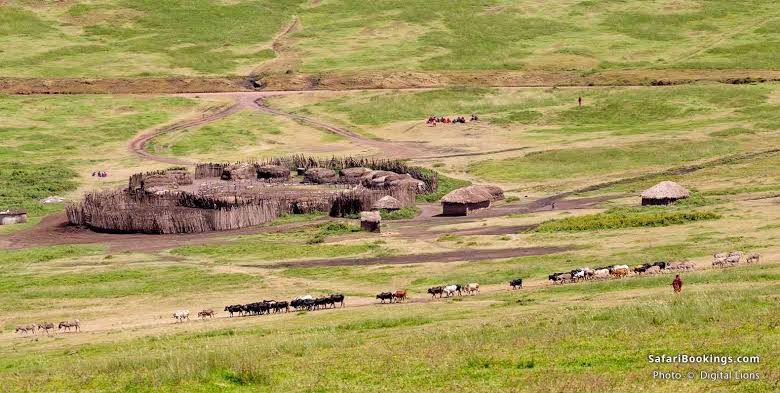
Can You Visit Maasai Villages on Safari?
A safari in East Africa offers much more than wildlife viewing. It also creates opportunities to connect with the people who have lived alongside nature for generations. One of the most rewarding cultural experiences is visiting a Maasai village. Many travelers come to Kenya and Tanzania to see lions, elephants, giraffes, and the Great Migration. However, they often leave with unforgettable memories of meeting the Maasai people, learning about their traditions, and understanding their unique relationship with wildlife.
The Maasai are among Africa’s most recognized indigenous communities. Their colorful clothing, traditional dances, and strong cultural identity have fascinated visitors from around the world for decades. Even as modern life continues to influence many communities, the Maasai proudly preserve customs that have been passed down through countless generations. Their way of life reflects resilience, respect for nature, and a deep sense of community.
Visiting a Maasai village during your safari adds a meaningful cultural layer to your adventure. Instead of simply observing wildlife, you gain a better understanding of the human history that has shaped East Africa’s famous landscapes. You also discover how local communities contribute to conservation while maintaining traditions that remain an important part of their identity.
Combined Uganda, Kenya, Rwanda and Tanzania Safaris
17 days Kenya Tanzania and Uganda safari
19 Days Uganda Kenya and Tanzania Safari
16 Days Kenya Tanzania and Uganda Safari
14 Days Kenya Uganda and Tanzania Safari
14 Days Kenya Uganda and Rwanda Safari
12 Day Gorilla Trekking and Tanzania Safari
What Is a Maasai Village?
A Maasai village, often called a “Manyatta,” is a traditional settlement where Maasai families live together. These villages usually consist of several homes built in a circular arrangement around a central livestock enclosure. Cattle remain at the heart of Maasai culture because they provide food, income, and social value. For many Maasai families, livestock represents wealth and plays an important role in daily life.
Traditional Maasai homes are carefully constructed using locally available materials such as mud, sticks, grass, and cow dung. Although the structures may appear simple, they are designed to keep families comfortable in the local climate. Every part of the home reflects generations of practical knowledge and adaptation to the environment.
Many villages welcome visitors as part of community-based tourism programs. These visits allow travelers to learn directly from local residents instead of reading about their culture in books. During your visit, community members often explain their history, family life, ceremonies, traditional clothing, and daily responsibilities. You may also watch demonstrations of fire-making, beadwork, or livestock management.
While some Maasai families have embraced modern education and technology, many continue to balance traditional practices with contemporary life. This combination gives visitors an authentic glimpse into how culture evolves while preserving its core values. Every village offers a unique experience because each community has its own stories, traditions, and customs.
Can You Visit Maasai Villages During a Safari?
Yes, you can visit Maasai villages during many safaris in Kenya and northern Tanzania. In fact, cultural visits have become one of the most popular safari activities because they allow travelers to experience both wildlife and local culture in a single trip.
Many safari itineraries include visits to villages located near famous national parks and conservation areas. Communities around the Maasai Mara National Reserve, Amboseli National Park, Ngorongoro Conservation Area, and Serengeti National Park regularly welcome guests through organized cultural tourism programs. These visits are carefully planned to ensure that tourism benefits local families while respecting their traditions.
A typical visit usually lasts between one and three hours. During this time, local guides introduce visitors to village life, explain important customs, and answer questions about Maasai history and traditions. Travelers often have opportunities to explore traditional homes, meet village elders, learn about community life, and watch cultural performances.
Adding a Maasai village visit to your safari creates a more complete understanding of East Africa. Wildlife tells one part of Africa’s story, while local communities tell another. Together, they create a richer travel experience that helps visitors appreciate the connection between people, animals, and nature.
Choosing a responsible safari company also helps ensure that your visit supports local communities in meaningful ways. Ethical cultural tourism encourages respect, creates employment, and helps preserve traditions for future generations.
What Can You Expect During a Maasai Village Visit?
Every Maasai village offers a slightly different experience, but most visits follow a welcoming and educational format. Upon arrival, community members often greet visitors with traditional songs and energetic jumping dances. These performances celebrate friendship and provide a joyful introduction to Maasai culture.
After the welcome ceremony, local guides usually lead visitors through the village. You will learn how families organize their homes, care for livestock, prepare meals, and raise children. Guides explain the significance of cattle, traditional clothing, jewelry, and family roles within the community. Since these explanations come directly from local residents, they provide valuable first hand knowledge.
Many villages also invite guests inside traditional homes. Although the interiors are modest, they demonstrate how families have adapted to their environment using natural materials. Visitors gain insight into everyday living conditions and the practical skills required to build and maintain these homes.
Another highlight involves traditional craftsmanship. Maasai women often display colorful handmade beadwork, including necklaces, bracelets, earrings, belts, and decorative ornaments. Every pattern and color carries cultural meaning. Purchasing handmade crafts directly from artisans supports local families while allowing travelers to take home authentic souvenirs.
Some villages also demonstrate fire making techniques using natural materials without modern tools. Others explain medicinal plants, livestock care, or traditional ceremonies that remain important today. Throughout the visit, respectful interaction creates meaningful conversations and lasting memories.
Why Visiting a Maasai Village Makes Your Safari More Meaningful
Many travelers focus entirely on Africa’s incredible wildlife before arriving. However, cultural experiences often become the memories they treasure most after returning home. Visiting a Maasai village transforms your safari from a sightseeing trip into a journey of cultural discovery.
Learning directly from Maasai community members creates a deeper appreciation for the region’s history and traditions. You begin to understand how local people have shared these landscapes with wildlife for centuries. Their knowledge of animals, weather patterns, and natural resources reflects generations of experience living close to nature.
Cultural visits also challenge common stereotypes. Instead of seeing the Maasai through photographs or documentaries, you meet real people with unique personalities, ambitions, and stories. Many communities embrace education, conservation, tourism, and entrepreneurship while continuing to value their traditions.
These encounters encourage meaningful conversations between visitors and hosts. Questions about family life, education, marriage, livestock, conservation, and community development help build mutual understanding between different cultures. Respectful dialogue creates genuine connections that benefit both visitors and local residents.
Additionally, responsible cultural tourism generates income that supports schools, healthcare, women’s groups, community development projects, and conservation efforts. Therefore, your visit contributes to sustainable tourism while enriching your own travel experience.
Cultural Etiquette When Visiting a Maasai Village
Respect plays the most important role during any cultural visit. Understanding basic etiquette helps create positive interactions while showing appreciation for local customs.
Always greet your hosts warmly and follow the guidance of your local guide. Many Maasai communities appreciate friendly conversations and genuine curiosity. Asking thoughtful questions demonstrates interest and respect for their culture.
Before taking photographs, always ask for permission. While many community members welcome photos, others prefer privacy. Respecting individual choices helps build trust and ensures a comfortable experience for everyone.
Dress modestly during your visit. Comfortable clothing that covers your shoulders and knees works well in most situations. Practical walking shoes also make exploring the village easier.
Avoid treating the community like a tourist attraction. Instead, approach your visit as an opportunity to learn from people who generously share their traditions and daily lives. Listen carefully, participate respectfully, and remain open to different perspectives.
If you purchase handmade crafts, buy directly from local artisans whenever possible. Fair purchases provide valuable income for families and encourage the continuation of traditional skills. Rather than bargaining aggressively, remember that handcrafted items often require many hours of detailed work.
Finally, follow any cultural guidelines your hosts provide. Every community may have slightly different customs, and respecting these traditions creates a more rewarding experience for both visitors and residents.
How Maasai Communities Support Wildlife Conservation
Many people assume that conservation belongs only to national parks, but local communities play an equally important role. The Maasai have lived alongside wildlife for generations, developing traditional knowledge that continues to support conservation across East Africa.
Community conservancies have become one of the most successful conservation models in Kenya. In these areas, Maasai landowners work together with conservation organizations and responsible tourism operators to protect wildlife habitats while generating sustainable income. This partnership benefits both people and animals.
Tourism revenue encourages communities to preserve natural landscapes instead of converting them for other uses. As wildlife populations remain healthy, tourism continues to provide employment opportunities for guides, rangers, artisans, drivers, and hospitality workers.
Education also strengthens conservation efforts. Many community programs teach younger generations about wildlife protection while promoting sustainable land management practices. These initiatives help balance cultural traditions with modern conservation strategies.
Visitors who participate in responsible cultural tourism contribute to these efforts through entrance fees, craft purchases, and locally guided experiences. Every responsible visit supports communities that actively protect some of Africa’s most iconic wildlife habitats.
Understanding this connection helps travelers appreciate that successful conservation depends not only on protecting animals but also on supporting the people who share the landscape with them every day.
Best Time to Visit Maasai Villages During Your Safari
You can visit Maasai villages throughout the year because cultural experiences remain available in every season. However, combining your visit with wildlife viewing creates an even more rewarding safari.
The dry seasons generally offer excellent wildlife viewing because animals gather around water sources, making them easier to spot. Roads also remain more accessible during these months, allowing smoother travel between parks and nearby communities.
The green seasons bring beautiful landscapes, fewer crowds, and excellent opportunities for photography. Lush vegetation creates stunning scenery, while many animals give birth during this period. Birdwatchers also enjoy excellent opportunities as migratory species arrive in East Africa.
Since Maasai villages welcome visitors year-round, your safari itinerary can easily include both cultural and wildlife experiences regardless of the season. Your safari operator can recommend the best combination based on your travel dates, destination, and interests.
Planning enough time for your village visit allows you to fully enjoy the experience without feeling rushed. Instead of viewing it as a short stop between game drives, treat it as an important part of your African adventure that deserves your full attention.
Conclusion
Visiting a Maasai village on safari offers far more than a cultural stop along your journey. It creates an opportunity to connect with one of Africa’s most respected indigenous communities, learn about centuries-old traditions, and understand how people and wildlife continue to thrive together across East Africa. While breathtaking game drives showcase Africa’s incredible biodiversity, meaningful interactions with the Maasai provide the human stories that make your safari even more memorable.
Responsible cultural tourism also delivers lasting benefits. It supports local families, encourages the preservation of traditional knowledge, promotes conservation, and strengthens community development. At the same time, it allows travelers to return home with a deeper appreciation for Africa’s diverse cultures and rich heritage.
When planning your East African safari, consider including a Maasai village visit as part of your itinerary. It will add depth, authenticity, and unforgettable personal connections to your wildlife adventure.
At Giant Holiday Safaris, we believe that the best African journeys combine extraordinary wildlife encounters with genuine cultural experiences. Our carefully designed safari itineraries include responsible visits to Maasai communities that respect local traditions while supporting sustainable tourism. Whether you dream of exploring Kenya’s Maasai Mara, Tanzania’s Serengeti, or other remarkable destinations across Africa, Giant Holiday Safaris is committed to creating authentic travel experiences that celebrate Africa’s landscapes, wildlife, and vibrant cultures while delivering exceptional service every step of the way.