How Much Does a Kenya Safari Cost?
May 17, 2026
Which Kenyan Safari Is Best for Families?
May 17, 2026
When Is the Best Time to Visit Kenya for a Safari?
Kenya stands among Africa’s greatest safari destinations because it offers breathtaking wildlife experiences, stunning landscapes, and unforgettable adventures year-round. Travelers from around the world visit Kenya to explore famous national parks, witness incredible wildlife, and experience authentic African culture. However, many travelers often ask one important question before planning their trip: when is the best time to visit Kenya for a safari? The answer depends on personal travel goals, wildlife interests, weather preferences, and budget expectations.
Kenya experiences different travel seasons that each offer unique safari advantages. Some travelers visit during the dry season to enjoy easier wildlife viewing, while others prefer the green season for fewer crowds and beautiful scenery. In addition, Kenya’s diverse national parks provide rewarding safari experiences at different times of the year. From the Great Migration in the Maasai Mara to elephant encounters in Amboseli and birdwatching around Lake Nakuru, every season creates special opportunities for visitors. Understanding Kenya’s safari seasons helps travelers plan better experiences while maximizing wildlife sightings, comfort, and overall travel value.
When Is the Best Time to Visit Kenya for a Safari?: The dry season offers the best wildlife viewing.
The dry season remains the most popular time to visit Kenya for a safari because wildlife viewing becomes easier and more rewarding. This season usually runs from June to October and again from January to February. During these months, rainfall decreases, grass becomes shorter, and animals gather around rivers, lakes, and waterholes in search of water.
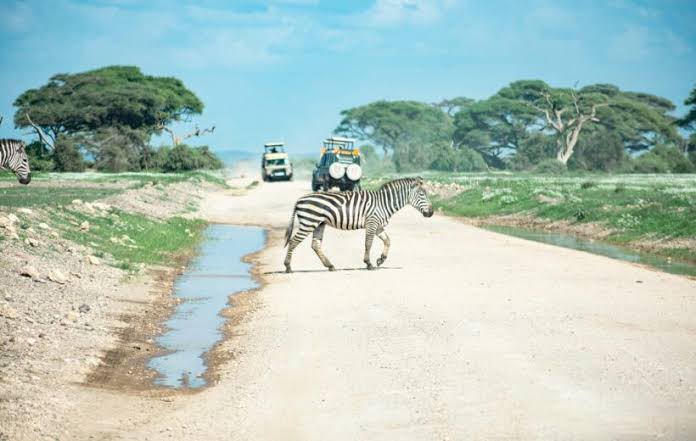
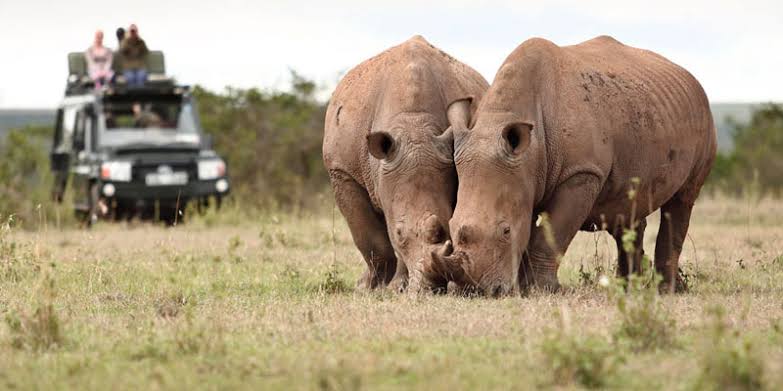
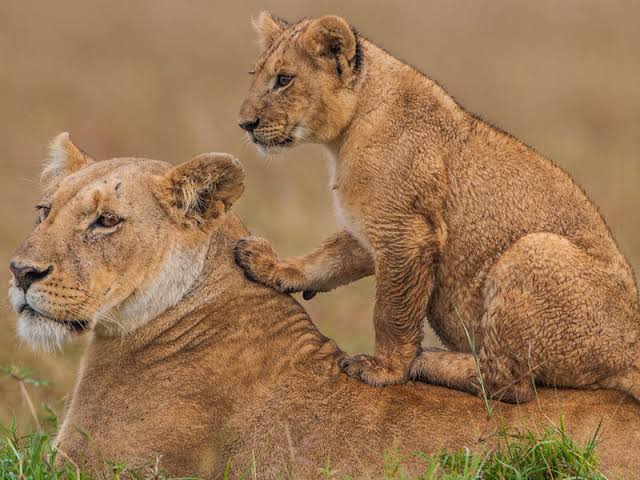
These conditions make wildlife easier to spot during game drives. Travelers often enjoy excellent sightings of lions, elephants, leopards, buffalo, giraffes, zebras, and many other animals across Kenya’s national parks and reserves. In addition, roads remain dry and accessible, which improves safari travel experiences and allows guides to explore wider areas.
The dry season also creates comfortable weather conditions for travelers. Sunny days, cool mornings, and lower humidity levels make outdoor activities more enjoyable. Therefore, many international visitors choose this period for safaris, photography tours, and family holidays.
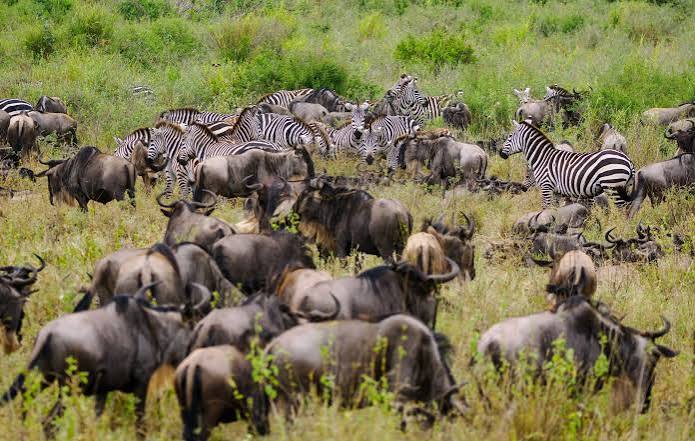
Maasai Mara becomes especially popular during the dry season because the Great Migration usually arrives between July and October. Millions of wildebeests and zebras move into Kenya from Tanzania while predators follow closely behind. River crossings and dramatic wildlife encounters attract photographers and safari enthusiasts from around the world.
Although the dry season offers excellent wildlife experiences, travelers should expect higher safari prices and larger tourist crowds. Lodges, camps, and flights often book quickly during peak travel months.
When Is the Best Time to Visit Kenya for a Safari?: The Green Season Brings Beautiful Landscapes and Lower Prices
The green season offers a completely different safari experience in Kenya. This period usually occurs between March and May and again during November when rainfall increases across many parts of the country. Although some travelers avoid rainy months, the green season provides many advantages for visitors seeking quieter and more affordable safaris.
Rain transforms Kenya’s landscapes into lush green scenery filled with vibrant vegetation, blooming flowers, and dramatic skies. These beautiful conditions create excellent opportunities for photography and nature exploration. In addition, many animals give birth during the green season, which allows travelers to witness young wildlife across the parks.
The green season also attracts fewer tourists compared to the dry months. Therefore, visitors enjoy quieter game drives, less crowded lodges, and more peaceful safari experiences. Many travelers appreciate this calm atmosphere because it creates deeper connections with nature and wildlife.
Another major advantage involves lower travel costs. Many safari lodges and tour operators reduce prices during rainy months to attract visitors. Travelers often find discounted safari packages, accommodation deals, and cheaper flights during this period.
Birdwatchers especially enjoy the green season because migratory bird species arrive in Kenya from Europe and other regions. Parks like Lake Nakuru and Amboseli become excellent destinations for bird photography and wildlife observation.
Although rain may occasionally affect road conditions and safari schedules, the green season still delivers rewarding wildlife experiences and incredible natural beauty.
When Is the Best Time to Visit Kenya for a Safari?: July to October Creates the Perfect Great Migration Safari
Many travelers consider July to October the absolute best time to visit Kenya because this period coincides with the Great Migration in the Maasai Mara. This world-famous wildlife event attracts thousands of travelers to Kenya every year and creates one of the most dramatic natural spectacles on Earth.
During the migration, millions of wildebeests, zebras, and gazelles cross from Tanzania’s Serengeti into Kenya’s Maasai Mara in search of greener grazing lands. Predators such as lions, cheetahs, leopards, and crocodiles closely follow these massive herds, which creates exciting wildlife encounters throughout the reserve.
River crossings remain the highlight of the migration season. Travelers gather near the Mara River to watch wildebeests leap into crocodile filled waters while struggling to reach the opposite side safely. These dramatic moments create unforgettable safari memories and exceptional photography opportunities.
Besides the migration, the Maasai Mara offers outstanding wildlife viewing throughout this season. Open grasslands, dry weather, and concentrated animal populations allow guides to locate wildlife more easily during game drives.
However, this period also marks Kenya’s busiest safari season. Safari prices rise significantly because international demand increases rapidly. Lodges, camps, and flights often become fully booked months in advance. Therefore, travelers should plan and reserve safari packages early when visiting during migration season.
Despite higher costs, many safari enthusiasts believe the Great Migration justifies the investment because it delivers one of Africa’s most extraordinary wildlife experiences.
When Is the Best Time to Visit Kenya for a Safari?: January and February Provide Excellent Safari Conditions
January and February remain excellent months for Kenya safaris because the weather stays warm, dry, and comfortable across many wildlife destinations. During this short dry season, animals gather around water sources while vegetation remains relatively short, which improves wildlife visibility.
Travelers visiting Kenya during these months often enjoy excellent game viewing in Maasai Mara, Amboseli, Tsavo, and Samburu. Predators remain active, and photographers appreciate the bright sunlight and clear skies that create perfect lighting conditions for wildlife photography.
Birdwatchers also enjoy January and February because migratory birds remain present in many parks and wetlands. Lake Nakuru, Amboseli, and other water rich ecosystems provide rewarding birdwatching experiences during this period.
Unlike the Great Migration season, January and February usually attract fewer tourists. Therefore, travelers enjoy quieter lodges, less crowded game drives, and more relaxed safari experiences. In addition, some safari operators offer slightly lower prices compared to peak migration months.
Beach holidays along Kenya’s coastline also become very popular during this season. Warm temperatures and sunny weather create ideal conditions for combining wildlife safaris with beach relaxation in destinations like Diani Beach, Watamu, and Malindi.
Travelers seeking excellent wildlife viewing, good weather, and moderate tourist crowds often consider January and February among the best times to visit Kenya for a safari.
When Is the Best Time to Visit Kenya for a Safari?: Kenya’s National Parks Shine During Different Seasons
Kenya’s diverse national parks and reserves each perform differently throughout the year. Therefore, choosing the best travel time often depends on which safari destinations travelers plan to visit.
Maasai Mara offers excellent wildlife viewing year round, although the migration season between July and October remains the most famous period. Amboseli National Park provides outstanding elephant viewing during dry months because animals gather near wetlands beneath Mount Kilimanjaro.
Tsavo East and West remain rewarding safari destinations throughout the year due to their large size and diverse ecosystems. However, dry seasons improve wildlife viewing because animals become easier to locate near water sources.
Lake Nakuru becomes especially attractive during the green season when birdlife flourishes around the lake. Flamingos, pelicans, and migratory birds create excellent birdwatching opportunities during wetter months.
Samburu National Reserve in northern Kenya also offers unique safari experiences because it supports rare wildlife species such as Grevy’s zebras, reticulated giraffes, and Somali ostriches. Dry months usually improve wildlife visibility in Samburu’s semi arid environment.
Travelers planning multi-park itineraries should carefully consider seasonal differences when organizing safari schedules. Understanding each park’s best viewing periods helps maximize wildlife experiences and overall travel satisfaction.
Weather Conditions Influence Safari Experiences
Weather conditions play a major role in shaping Kenyan safari experiences. Understanding Kenya’s climate helps travelers prepare properly while choosing the best travel season for their preferences.
Kenya generally experiences warm temperatures throughout the year because the country lies near the equator. However, altitude differences create cooler conditions in highland areas such as Nairobi and Maasai Mara compared to coastal regions.
Dry seasons bring sunny days, lower humidity, and cooler evenings. These comfortable conditions improve game drives, walking safaris, and photography experiences. Dust levels may increase slightly during very dry months, especially in open parks like Tsavo.
Rainy seasons create cooler temperatures, fresh air, and greener landscapes. Afternoon showers often occur during the green season, although rainfall patterns vary between regions. Some roads become muddy or difficult to access after heavy rain, especially in remote wildlife areas.
Travelers should pack clothing suitable for changing weather conditions. Lightweight clothes work well during warm afternoons, while jackets help during cool mornings and evenings. Waterproof gear also becomes useful during rainy months.
Weather conditions may influence safari comfort and accessibility, yet Kenya continues to provide rewarding wildlife experiences throughout the year for prepared travelers.
Safari Costs Change Throughout the Year
Travel season strongly affects safari prices in Kenya. Understanding seasonal pricing helps travelers plan affordable safaris while maximizing travel value.
Peak safari season between July and October usually produces the highest travel costs. Lodges, safari camps, domestic flights, and park accommodations increase prices because demand rises sharply during the Great Migration period. Luxury safari packages become especially expensive during these months.
December holidays also create higher prices because many international travelers visit Kenya during Christmas and New Year celebrations. Therefore, travelers should expect premium rates during festive periods as well.
Low season months between March and May often provide the best travel deals. Many lodges offer discounted accommodation rates, while safari operators reduce package prices to attract more visitors. Travelers who choose green season safaris often save significant amounts of money while still enjoying rewarding wildlife experiences.
Mid-range travel seasons such as January, February, and November balance reasonable prices with good safari conditions. These months attract fewer tourists while still providing excellent wildlife viewing opportunities.
Budget conscious travelers often choose shoulder or low seasons because they offer better value and quieter safari experiences. Careful travel planning helps visitors enjoy Kenya’s wildlife while staying within their preferred budgets.
Cultural Experiences Remain Rewarding Throughout the Year
Kenya safaris involve more than wildlife viewing because cultural experiences also enrich every journey. Travelers visiting Kenya throughout the year enjoy opportunities to connect with local communities, traditions, and cultural heritage. With Giant Holiday Safaris, these cultural encounters are thoughtfully integrated into safari itineraries for a more immersive experience.
Many safari itineraries include visits to Maasai villages where travelers learn about traditional lifestyles, music, crafts, and customs. These interactions help visitors understand the close relationship between local communities and wildlife conservation. Giant Holiday Safaris ensures these visits are authentic, respectful, and beneficial to local residents.
Coastal regions also provide rich cultural experiences influenced by Swahili traditions, Arab history, and Indian Ocean trade routes. Visitors explore historical towns, local markets, and cultural festivals while learning about Kenya’s diverse heritage. Giant Holiday Safaris offers curated coastal extensions that highlight this cultural richness alongside safari adventures.
Cultural experiences remain available throughout the year regardless of safari season. Therefore, travelers can combine wildlife adventures with authentic cultural learning during any visit to Kenya. Giant Holiday Safaris helps guests design itineraries that balance both wildlife and cultural immersion.
Many safari operators now support community tourism initiatives that create employment opportunities and conservation benefits for local residents. As a result, tourism helps strengthen both wildlife protection and community development across Kenya. Giant Holiday Safaris actively partners with community projects to ensure tourism directly supports local livelihoods and conservation goals.
Travelers who combine wildlife safaris with cultural activities often leave Kenya with a deeper appreciation for Africa’s landscapes, people, and traditions. With Giant Holiday Safaris, every journey blends adventure with cultural discovery, creating meaningful memories that last a lifetime.
Choosing the Best Time Depends on Your Safari Goals
When is the best time to visit Kenya for a safari? The answer depends on the experiences travelers want most. Kenya offers rewarding safari adventures throughout the year, yet different seasons create different opportunities for wildlife viewing, photography, birdwatching, cultural exploration, and budget travel. With the expert guidance of Giant Holiday Safaris, travelers can match their safari goals to the ideal season.
Travelers seeking the Great Migration and excellent predator sightings usually prefer visiting between July and October. Visitors looking for lower prices, fewer crowds, and green landscapes may choose the rainy seasons instead. January and February also provide outstanding safari conditions with excellent weather and strong wildlife visibility. Giant Holiday Safaris helps guests plan around these seasonal highlights to maximize their safari experience.
Kenya’s national parks each offer unique advantages during different times of the year. The Maasai Mara shines during migration season, Amboseli excels during dry months, and Lake Nakuru becomes especially attractive for birdwatching during wetter periods. Giant Holiday Safaris ensures travelers select the right destinations at the right time for unforgettable adventures.
When is the best time to visit Kenya for a safari? The ideal season depends on personal travel goals, budget, and safari interests. However, with Giant Holiday Safaris as your trusted operator, Kenya continues to deliver extraordinary wildlife experiences, breathtaking scenery, rich culture, and unforgettable adventures in every season of the year.
Combined Uganda, Kenya, Rwanda and Tanzania Safaris
17 days Kenya Tanzania and Uganda safari 19 Days Uganda Kenya and Tanzania Safari
16 Days Kenya Tanzania and Uganda Safari
14 Days Kenya Uganda and Tanzania Safari
14 Days Kenya Uganda and Rwanda Safari