Kenya Safari Animal Migration
April 30, 2026
Kenya Safari for Nature Lovers
April 30, 2026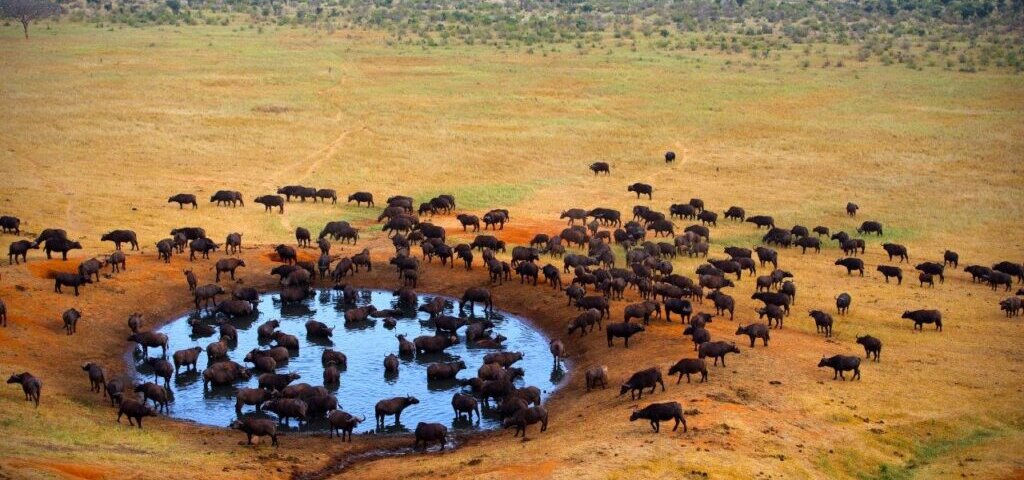
Wildlife Encounters in Kenya Safaris
Wildlife Encounters in Kenya Safaris: Kenya stands as one of the most powerful safari destinations in the world, offering unmatched wildlife encounters that connect travelers directly with nature. From vast savannahs filled with grazing herds to dramatic predator action scenes, every moment in Kenya feels alive and unforgettable. Moreover, the country delivers a rare combination of rich biodiversity, strong conservation efforts, and deep cultural heritage that strengthens its position in global tourism.
When travelers explore Kenya, they step into ecosystems that support lions, elephants, giraffes, rhinos, and countless bird species. In addition, Kenya’s landscapes shift from open plains to lush highlands and shimmering lakes, creating diverse safari experiences in one destination. As a result, visitors gain more than sightseeing; they gain a deeper understanding of Africa’s natural balance.
This guide explores Kenya’s most powerful wildlife encounters, the best safari destinations, and practical insights that help travelers plan meaningful journeys. Ultimately, Kenya offers more than a trip; it delivers a life-changing experience rooted in nature, culture, and conservation.
Why Kenya Delivers World-Class Wildlife Encounters
Kenya continues to attract global attention because it offers raw and authentic wildlife experiences. First, the country protects vast natural habitats that allow animals to roam freely without heavy human interference. This creates natural behavior patterns that tourists can observe in real time. For example, lions hunt across open plains, elephants move in large family groups, and cheetahs sprint across golden grasslands.
Additionally, Kenya supports a strong network of national parks and private conservancies. These protected areas ensure wildlife safety while still allowing controlled tourism. Therefore, visitors enjoy close encounters without harming the ecosystem.
Another key advantage comes from Kenya’s geographical diversity. The country combines savannahs, forests, lakes, and mountains within one safari circuit. As a result, travelers witness multiple ecosystems in a single trip.
Finally, Kenya invests heavily in conservation education and community involvement. Local communities play a major role in protecting wildlife, which strengthens both tourism and sustainability. Consequently, Kenya continues to set global standards for wildlife safaris.
Iconic National Parks and Wildlife Reserves in Kenya
Kenya hosts some of the most famous safari destinations in Africa, each offering unique wildlife encounters. The Maasai Mara National Reserve stands out as a top destination. It features vast open plains filled with lions, cheetahs, and large herbivore herds. Moreover, it connects directly with Tanzania’s Serengeti ecosystem, which enhances animal migration patterns.
Amboseli National Park also delivers unforgettable experiences. Visitors enjoy clear views of Mount Kilimanjaro while observing large elephant herds moving across dusty plains. This park creates some of the most iconic wildlife photography scenes in Africa.
Tsavo National Parks, divided into East and West, offer raw wilderness experiences. These parks feature red dust elephants, rugged landscapes, and fewer crowds, which increases the feeling of isolation and adventure.
Lake Nakuru National Park adds another layer of diversity. It attracts flamingos, rhinos, and rare bird species, making it ideal for birdwatchers and photographers.
Together, these destinations position Kenya as a complete safari hub with unmatched variety and depth.
Wildlife Encounters in Kenya Safaris: The Great Migration Experience in Kenya
The Great Migration remains one of the most powerful wildlife events on Earth. Every year, millions of wildebeest, zebras, and gazelles move across the Serengeti-Mara ecosystem in search of fresh grazing land. When they enter the Maasai Mara, Kenya becomes the stage for dramatic river crossings and predator action.
This natural event creates intense survival moments. Crocodiles wait in rivers, while lions and hyenas track herds on land. As a result, visitors witness raw nature without filters or control.
Timing plays a key role in experiencing the migration. Typically, the best viewing happens between July and October when herds arrive in Kenya. During this period, safari lodges fill with travelers seeking front row seats to nature’s greatest show.
Furthermore, hot air balloon safaris offer a unique aerial perspective. From above, visitors see massive moving herds stretching across the plains like living rivers.
The Great Migration strengthens Kenya’s global reputation as a premier wildlife destination and offers unforgettable emotional experiences.
Wildlife Encounters in Kenya Safaris: The Big Five and Wildlife Diversity in Kenya
Kenya offers one of the best opportunities to see the Big Five: lion, elephant, buffalo, leopard, and rhinoceros. These animals attract global travelers who seek classic safari experiences. However, Kenya goes beyond the Big Five and delivers a much wider range of wildlife encounters.
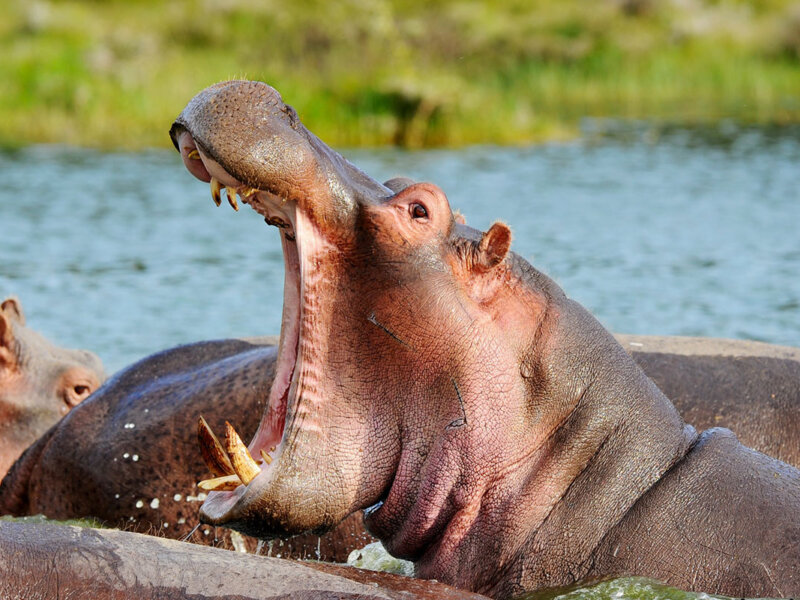
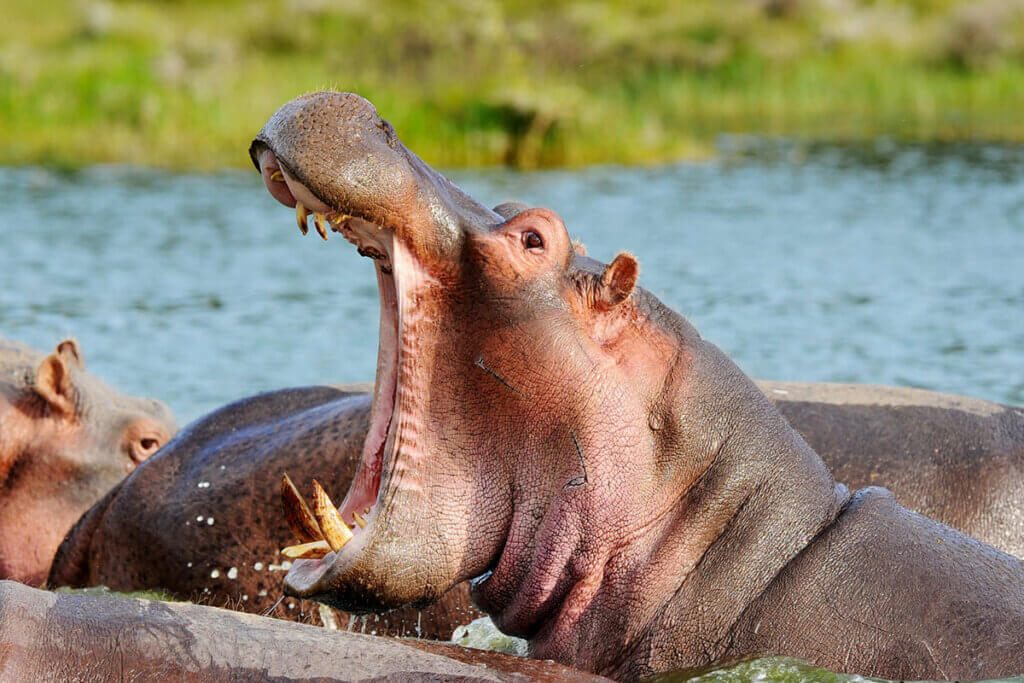
For example, giraffes move gracefully across acacia dotted landscapes, while hippos dominate rivers and wetlands. Cheetahs showcase speed and precision during hunts, while hyenas display complex social behavior. In addition, Kenya hosts over 1,000 bird species, making it a paradise for birdwatchers.
Each ecosystem supports different animal communities. Savannahs favor large predators and herbivores, while forests shelter primates and rare antelope species. Meanwhile, wetlands support aquatic life and migratory birds.
This biodiversity creates continuous excitement during game drives. Every turn brings new sightings and unpredictable moments. Therefore, Kenya offers more than checklist tourism it delivers dynamic wildlife storytelling.
Best Time to Experience Kenya Safaris
Timing plays a major role in shaping the safari experience in Kenya. The country offers excellent wildlife viewing throughout the year, but certain seasons provide better conditions.
The dry season, which runs from June to October, delivers the best wildlife visibility. During this time, animals gather around water sources, making them easier to spot. Additionally, vegetation becomes thinner, which improves photography and viewing distance.
This season also aligns with the Great Migration in the Maasai Mara, adding even more value to safari experiences.
The short dry period from January to February also offers excellent wildlife sightings. Animals remain active, and the weather stays warm and stable.
On the other hand, the rainy seasons from March to May and November bring lush landscapes and fewer tourists. Although wildlife becomes harder to spot, photographers enjoy vibrant scenery and dramatic skies.
Ultimately, each season offers unique advantages. Therefore, travelers can plan based on personal preferences, budget, and wildlife interests.
Wildlife Encounters in Kenya Safaris: Responsible Tourism and Conservation in Kenya
Kenya continues to strengthen its reputation through responsible tourism and conservation efforts. Wildlife protection plays a central role in national development, and both government and local communities actively participate in conservation programs.
Many parks now operate under strict anti-poaching policies that protect endangered species like rhinos and elephants. In addition, conservancies around major parks allow communities to benefit directly from tourism income. This approach reduces human-wildlife conflict and supports long term sustainability.
Tourism operators also promote eco friendly practices. Many safari lodges use solar energy, reduce plastic waste, and support local sourcing of food and materials. As a result, tourism contributes positively to environmental protection.
Furthermore, visitors play an important role. Responsible travelers respect wildlife distance rules, follow park guidelines, and support ethical tour operators. This behavior helps preserve Kenya’s natural heritage for future generations.
Ultimately, conservation strengthens Kenya’s tourism industry while protecting its wildlife legacy.
Safari Experiences That Bring Wildlife Closer
Kenya offers multiple safari experiences that allow travelers to connect deeply with wildlife. Game drives remain the most popular option. These drives take visitors through national parks in specially designed safari vehicles, offering close up views of animals in their natural habitats.
Hot air balloon safaris provide a completely different perspective. Floating above the Maasai Mara at sunrise creates a peaceful yet powerful view of wildlife movement across the plains.
Walking safaris also offer unique experiences. Guided by trained rangers, travelers explore nature on foot and learn about animal tracks, plants, and smaller wildlife species. This approach creates a deeper understanding of the ecosystem.
Night safaris in private conservancies reveal nocturnal wildlife behavior. Animals such as leopards, hyenas, and bush babies become more active after dark.
Together, these safari options create a full and immersive wildlife experience that appeals to different travel styles.
Wildlife Encounters in Kenya Safaris: Cultural Encounters That Enrich Wildlife Safaris
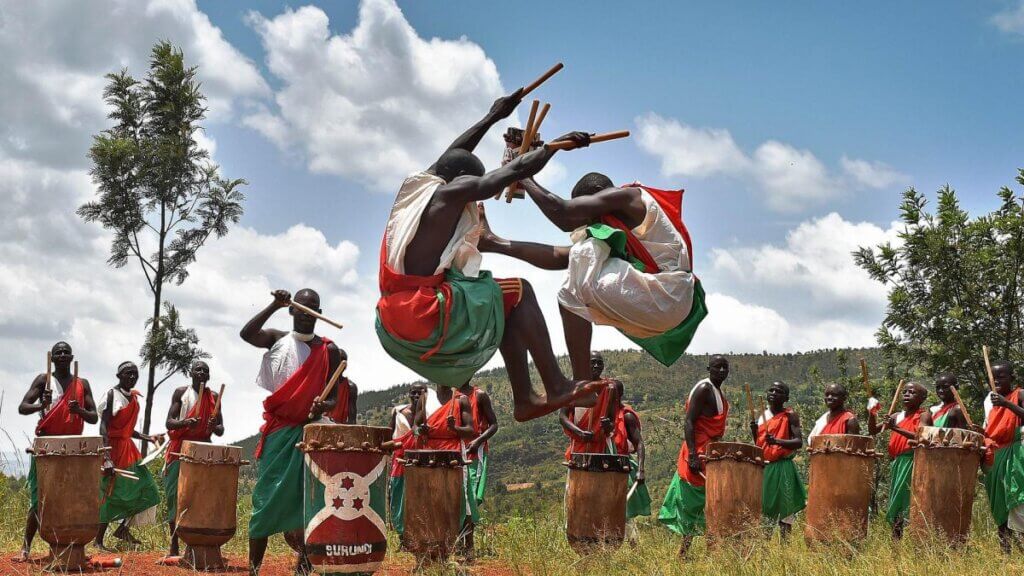
Kenya’s wildlife experience becomes even more meaningful when combined with cultural encounters. The Maasai people, one of Kenya’s most well known communities, live near major wildlife areas and maintain strong cultural traditions.
Visitors often explore Maasai villages to learn about traditional lifestyles, cattle herding practices, and cultural dances. These experiences create a deeper understanding of how local communities coexist with wildlife.
In addition, many community based tourism projects allow travelers to support local development directly. This includes craft markets, cultural performances, and guided heritage walks.
Cultural encounters also highlight the importance of conservation from a human perspective. Communities share real stories about living alongside elephants, lions, and other wildlife species.
As a result, Kenya’s safari experience becomes more than wildlife viewing. It becomes a connection between people, land, and nature.
Planning a Successful Kenya Safari
Successful safari planning in Kenya requires attention to detail and clear travel goals. First, travelers should choose destinations based on wildlife interests. For example, Maasai Mara works best for big predator action, while Amboseli suits elephant lovers and scenic photography.
Next, selecting the right accommodation improves the overall experience. Options range from luxury lodges to budget friendly camps, all located near major parks. Staying inside or close to reserves increases wildlife viewing opportunities. Giant Holiday Safaris helps travelers select lodges and camps that match their budget and preferences, ensuring comfort and proximity to wildlife.
Travelers should also plan transportation carefully. Most safaris use domestic flights combined with road transfers to reduce travel time and maximize game viewing. With Giant Holiday Safaris managing logistics, guests enjoy smooth transfers and more time in the parks.
In addition, packing the right gear improves comfort. Lightweight clothing, binoculars, sunscreen, and cameras all enhance the safari experience.
Finally, working with experienced safari operators ensures safety, efficiency, and deeper knowledge of wildlife behavior. Giant Holiday Safaris provides expert guides and personalized service, helping travelers maximize every moment in Kenya.
Conclusion
Kenya continues to define excellence in wildlife tourism through its rich ecosystems, iconic national parks, and powerful animal encounters. Every safari delivers a unique story shaped by nature, culture, and conservation. From the dramatic Great Migration to peaceful elephant herds under Mount Kilimanjaro, Kenya offers moments that stay with travelers for life.
Moreover, the country’s strong commitment to sustainability ensures that future generations will continue to experience its natural wonders. As travelers explore Kenya, they do more than observe wildlife they connect with one of the most important ecosystems on Earth. Giant Holiday Safaris enhances this journey by offering expertly guided safaris, sustainable practices, and personalized itineraries that ensure travelers experience Kenya responsibly and memorably.
Ultimately, Kenya stands as a global leader in safari experiences, offering unmatched wildlife encounters that inspire, educate, and transform every visitor. With Giant Holiday Safaris as a trusted operator, every safari becomes not only an adventure but also a meaningful connection to conservation and culture.
Combined Uganda, Kenya, Rwanda and Tanzania Safaris
17 days Kenya Tanzania and Uganda safari
19 Days Uganda Kenya and Tanzania Safari
16 Days Kenya Tanzania and Uganda Safari
14 Days Kenya Uganda and Tanzania Safari
14 Days Kenya Uganda and Rwanda Safari
12 Day Gorilla Trekking and Tanzania Safari