Tanzania Private Safari Tours: Exclusive Wildlife Experiences Tailored for You
May 3, 2026
Birdwatching in Maasai Mara
May 3, 2026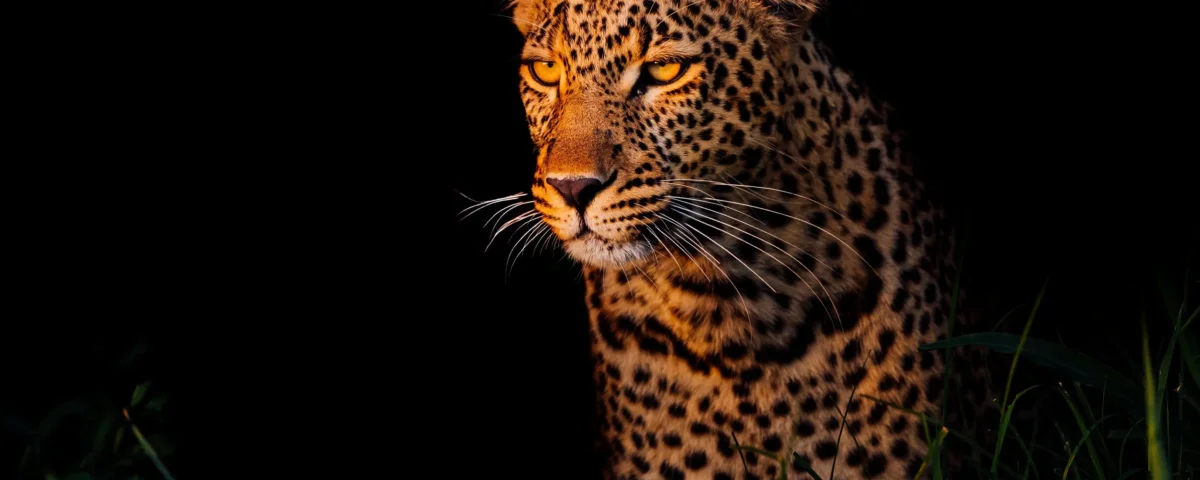
Photography Guide to Maasai Mara
Photography Guide to Maasai Mara: Maasai Mara stands as one of Africa’s greatest photography destinations. This remarkable wilderness in southwestern Kenya offers photographers an unmatched chance to capture raw nature, dramatic landscapes, and unforgettable wildlife moments. From golden sunrises over endless savannahs to the thunder of wildebeest crossing the Mara River, every corner of the Maasai Mara creates powerful visual stories.
For photographers, the Maasai Mara delivers more than wildlife sightings. It offers movement, emotion, color, and culture. Lions resting under acacia trees, elephants walking through morning mist, cheetahs scanning the plains, and Maasai warriors in vibrant red attire all create compelling scenes. Every game drive presents new opportunities because nature changes every moment.
Moreover, the Maasai Mara suits every skill level. Beginners can capture stunning wildlife portraits, while professionals can pursue dramatic action shots during predator hunts or the Great Migration. The reserve’s open landscapes also make composition easier compared to dense forests.
This guide will help you understand the best photography seasons, essential gear, camera settings, wildlife behavior, composition techniques, and ethical practices. Whether you use a smartphone, DSLR, or mirrorless camera, Maasai Mara can transform your travel photography. With preparation and creativity, you can return home with images that not only impress but also preserve Africa’s breathtaking beauty.
Why Maasai Mara Is a Dream Destination for Photographers
Maasai Mara offers extraordinary photographic diversity. Few places on Earth combine abundant wildlife, dramatic seasonal migrations, open plains, and rich cultural heritage as effectively. This makes the reserve a paradise for visual storytelling.
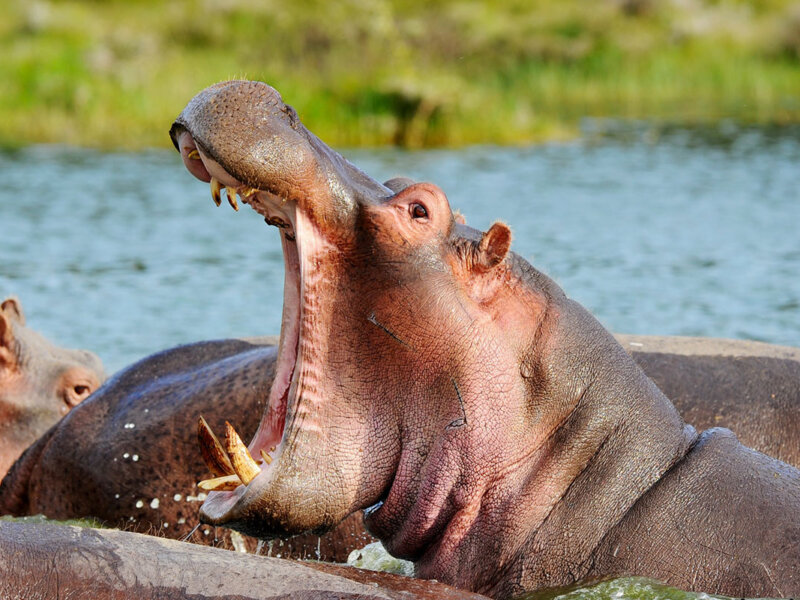
First, wildlife density remains exceptional throughout the year. The Mara hosts the famous Big Five The lion, leopard, elephant, buffalo, and rhino alongside giraffes, zebras, hyenas, hippos, crocodiles, and hundreds of bird species. Because animals thrive in large numbers, photographers gain frequent chances to frame iconic African scenes.
Second, the landscape itself adds magic. Vast golden grasslands stretch toward the horizon, dotted by acacia trees and rolling hills. This setting creates cinematic backdrops for wildlife portraits. During sunrise and sunset, warm light paints the plains in rich orange and gold, producing ideal conditions for dramatic photography.
The Great Migration adds another layer of excitement. Between July and October, millions of wildebeest, zebras, and gazelles move through the Mara, often crossing dangerous rivers filled with crocodiles. This spectacle creates action packed opportunities unlike anywhere else.
Additionally, Maasai culture enriches the photographic experience. Traditional villages, colorful beadwork, and cultural ceremonies allow photographers to capture human heritage alongside wildlife.
Because of this variety, Maasai Mara gives photographers a complete portfolio destination. You can shoot landscapes, wildlife portraits, action sequences, macro details, birdlife, and cultural portraits all in one location.
Photography Guide to Maasai Mara: Best Time to Visit Maasai Mara for Photography
Timing plays a critical role in photography success, and Maasai Mara offers unique opportunities throughout the year. However, choosing the right season depends on your photographic goals.
From July to October, the Great Migration dominates the reserve. This period attracts photographers from around the world because it offers dramatic river crossings, predator interactions, and massive herd movement. If you want action shots, dust filled scenes, and iconic migration images, this season delivers unmatched opportunities.
From January to March, the dry season creates excellent visibility. Grass remains shorter, and animals gather near water sources, making wildlife easier to spot and photograph. This period also provides clear skies and golden lighting, perfect for landscape photography.
The green season, from April to June and November to December, offers lush scenery, moody skies, and fewer tourists. Although rain can create challenges, it also transforms the Mara into a vibrant paradise. Storm clouds, dramatic sunsets, and newborn animals make this season ideal for creative photography.
Morning and evening game drives remain the best times for daily shooting. Early mornings provide soft light, active predators, and misty landscapes. Late afternoons create warm tones and dramatic shadows.
Ultimately, every season has strengths. Migration season offers spectacle, dry season improves wildlife access, and green season enhances scenery. Your ideal visit depends on whether you prioritize action, portraits, or landscapes.
Photography Guide to Maasai Mara: Essential Camera Gear for Maasai Mara Photography
Bringing the right gear can significantly improve your photography results in Maasai Mara. Since wildlife often appears at varying distances, versatility matters.
A DSLR or mirrorless camera with fast autofocus performs best. Cameras with burst mode help capture moving animals, especially during hunts or river crossings. While professional gear helps, even entry level cameras can produce impressive images when used well.
A telephoto lens remains essential. A 200-600mm lens works perfectly for wildlife close-ups, predator action, and bird photography. For more flexibility, a 100-400mm lens offers excellent range. Wide angle lenses also matter because they capture landscapes, sunsets, camps, and environmental wildlife scenes.
Extra batteries prove crucial because long game drives drain power quickly. Dust can also affect gear, so lens cleaning kits, microfiber cloths, and protective bags help maintain performance.
Bean bags often outperform tripods during safari drives. Since most photography happens inside vehicles, bean bags stabilize your camera on window frames while allowing fast movement.
Memory cards with large storage capacity are equally important. Wildlife photography often involves continuous shooting, so multiple high speed cards prevent missed moments.
Finally, don’t overlook practical accessories. A rain cover protects gear during sudden storms, while polarized sunglasses help you spot animals in bright conditions.
Good gear enhances technical quality, but skill and patience matter more. Understanding your camera and preparing properly will always outperform expensive equipment without strategy.
Photography Guide to Maasai Mara: Camera Settings for Stunning Wildlife Shots
Mastering camera settings can transform ordinary safari photos into professional quality images. Wildlife moves quickly, so speed and adaptability matter.
Start with shutter speed. Fast-moving subjects like cheetahs or birds require at least 1/1000 second to freeze action. For slower animals, 1/500 may work well. If you want motion blur for artistic effect, experiment with lower speeds.
Aperture controls depth of field. Wide apertures such as f/4 or f/5.6 isolate animals from the background, creating beautiful portraits. Narrower apertures like f/8 help when photographing herds or landscapes.
ISO should remain as low as possible for cleaner images, but early morning and evening light may require higher settings. Modern cameras often handle ISO 800–3200 effectively.
Autofocus mode also matters. Continuous autofocus (AI Servo or AF-C) tracks moving animals more effectively than single point focus. Burst mode increases your chances of capturing perfect moments during action scenes.
Shoot in RAW format whenever possible. RAW files preserve more detail and provide greater editing flexibility later.
Exposure compensation helps in bright or dark conditions. For example, increase exposure slightly for dark animals against bright skies.
Finally, always check your histogram. African sunlight changes quickly, so reviewing exposure helps prevent blown highlights.
Knowing these settings allows you to adapt instantly, ensuring sharper, more dramatic images in changing safari conditions.
Photography Guide to Maasai Mara: Composition Techniques That Elevate Your Safari Photography
Strong composition turns a simple wildlife sighting into a compelling visual story. Maasai Mara offers extraordinary subjects, but thoughtful framing creates unforgettable images.
The rule of thirds remains one of the most effective techniques. Position animals off center to create balance and visual interest. For example, placing a lion on one side of the frame while leaving open savannah ahead can suggest movement and space.
Eye level photography creates emotional impact. Whenever possible, photograph animals from the same height rather than shooting downward. This perspective creates intimacy and power.
Use leading lines such as animal trails, rivers, or grass patterns to guide the viewer’s eye. Maasai Mara’s open plains naturally support this technique.
Negative space also works beautifully. A solitary elephant against a wide golden landscape can communicate scale, isolation, and grandeur.
Lighting shapes composition too. Side lighting enhances texture, while backlighting creates silhouettes during sunrise or sunset.
Patience often produces the best results. Instead of taking immediate shots, wait for behavior, eye contact, or environmental changes.
Include environmental context when possible. Close ups impress, but wider shots showing animals within their habitat tell deeper stories.
By combining technical settings with thoughtful composition, photographers can create images that feel artistic, emotional, and timeless.
Photographing the Great Migration: Africa’s Most Dramatic Wildlife Spectacle
The Great Migration stands among the world’s greatest photography events. Capturing it requires planning, patience, and fast reflexes.
River crossings provide the most dramatic scenes. Wildebeest gather in massive numbers before plunging into crocodile filled waters. Dust, panic, movement, and survival create extraordinary storytelling opportunities.
Positioning matters greatly. Work with experienced guides who understand crossing patterns and river access points. Good placement can determine whether you capture chaos or miss the action entirely.
Use fast shutter speeds for movement. Continuous shooting mode helps document split second leaps, splashes, and predator attacks.
Zoom lenses allow flexibility because crossings often happen at unpredictable distances. Wide shots can showcase herd scale, while close ups reveal emotion and tension.
However, migration photography extends beyond river crossings. Endless plains filled with moving herds, dramatic storm backdrops, and predator stalking scenes all offer powerful images.
Weather can also enhance photos. Dust clouds, storm light, and golden sunsets often create breathtaking visual drama.
Because migration moments can unfold suddenly, preparation is essential. Keep gear ready, settings optimized, and attention focused.
Photographing the Great Migration challenges your skill, but it rewards you with some of Africa’s most iconic imagery.
Ethical Wildlife Photography in Maasai Mara
Great photography should never compromise wildlife welfare. Ethical practices protect animals and preserve Maasai Mara’s integrity. Giant Holiday Safaris guides travelers with responsible safari practices, ensuring every shot respects nature.
Respect animal space avoid pressuring guides to get too close near hunts, nests, or young animals. With Giant Holiday Safaris, guests are reminded that patience and distance create the most authentic images.
Silence enhances both ethics and results. Loud noises disturb animals and ruin genuine moments. Avoid flash, especially at night, as it disrupts natural behavior. Guides from Giant Holiday Safaris help photographers capture scenes naturally without interference.
Stay within safari guidelines off road driving in restricted areas harms habitats. Patience matters more than force; ethical photographers wait for natural behavior. Giant Holiday Safaris emphasizes conservation first safaris, balancing photography with ecosystem care.
Cultural respect is equally vital. Seek permission when photographing Maasai communities and approach interactions respectfully. Through Giant Holiday Safaris, travelers engage with communities in ways that honor tradition.
Your images should celebrate authenticity, not exploitation. By prioritizing ethics, photographers preserve Maasai Mara for future generations while producing meaningful, trustworthy visual stories. Choosing Giant Holiday Safaris ensures every frame supports conservation and sustainable tourism.
Final Thoughts: Turn Your Maasai Mara Journey Into Timeless Visual Stories
Maasai Mara offers more than a safari it is a living masterpiece where wildlife, landscapes, and culture merge into one of the world’s greatest photography stages. Giant Holiday Safaris ensures travelers capture these moments seamlessly, providing expert guidance and well planned itineraries for photographers and storytellers.
Every sunrise sparks creativity, every game drive brings surprise, and every season unveils new stories. With the right timing, gear, and ethical approach, extraordinary images emerge. Through Giant Holiday Safaris, guests enjoy not only access to prime locations but also the confidence of traveling with a trusted operator committed to sustainability.
Success here depends on patience, respect, and observation. The best frames often appear when preparation meets natural wonder. Whether seeking Big Five portraits, migration drama, sweeping landscapes, or cultural depth, Maasai Mara delivers unmatched opportunities. Giant Holiday Safaris elevates this journey, turning each frame into a timeless narrative of Africa’s wild soul.
Combined Uganda, Kenya, Rwanda and Tanzania Safaris
17 days Kenya Tanzania and Uganda safari
19 Days Uganda Kenya and Tanzania Safari
16 Days Kenya Tanzania and Uganda Safari
14 Days Kenya Uganda and Tanzania Safari
14 Days Kenya Uganda and Rwanda Safari