Bwindi gorilla trekking safari cost breakdown
May 13, 2026
Bwindi gorilla trekking safari booking guide
May 13, 2026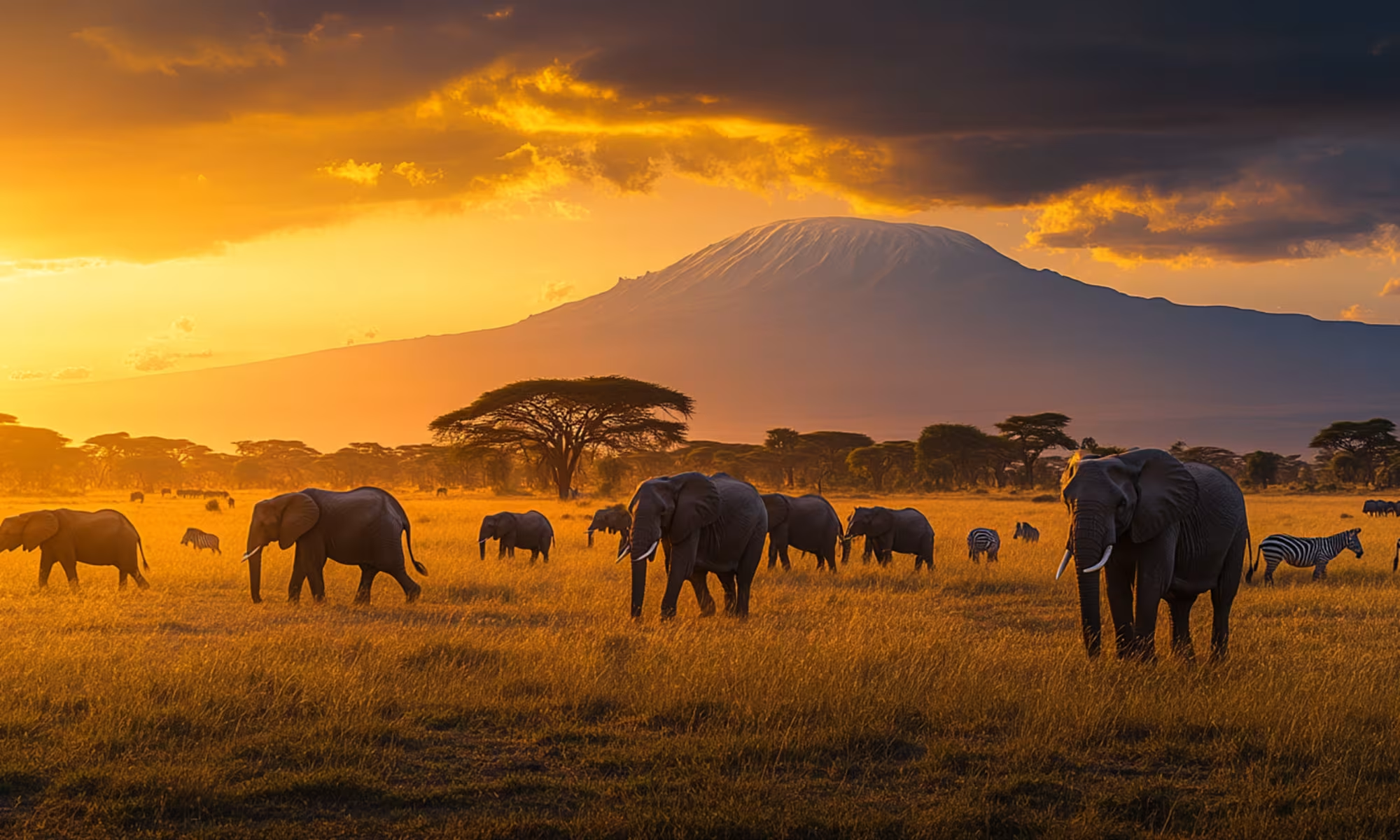
Kenya Safari Seasonal Experiences
Kenya safari seasonal experiences offer travelers unique adventures throughout the year. Every season in Kenya brings different wildlife movements, landscapes, weather conditions, and travel opportunities. Because of this, no two safaris feel exactly the same. Some travelers visit Kenya during the dry season to witness dramatic wildlife gatherings around water sources, while others prefer the green season for birdwatching, fewer crowds, and lush scenery.
Kenya stands among Africa’s top safari destinations because of its incredible biodiversity and year-round wildlife experiences. From the open plains of the Maasai Mara to the elephant-rich lands of Amboseli and the flamingo-filled lakes of the Rift Valley, every region changes with the seasons. These changes create fresh safari experiences for photographers, adventure travelers, families, honeymooners, and wildlife enthusiasts.
Understanding Kenya’s safari seasons helps travelers plan better trips. Each season offers different advantages depending on travel goals, budget, and personal interests. For example, the Great Migration season attracts visitors seeking dramatic wildlife action, while the rainy months attract travelers looking for peaceful landscapes and lower travel costs.
In addition, seasonal travel affects accommodation prices, park accessibility, and safari activities. Therefore, travelers who understand these patterns often enjoy more rewarding experiences. Some seasons provide excellent opportunities for photography, while others support cultural experiences and outdoor adventure activities.
Most importantly, Kenyan safari seasonal experiences allow travelers to see nature in constant transformation. Wildlife behavior changes, landscapes evolve, and ecosystems respond to weather patterns throughout the year. This makes every safari feel authentic, dynamic, and unforgettable.
Understanding Kenya’s Safari Seasons
Kenya experiences two main seasons that shape safari activities and wildlife behavior. These include the dry seasons and the rainy seasons. Each period creates different travel experiences across the country’s national parks and reserves.
The dry seasons usually occur from June to October and from January to February. During these months, rainfall reduces, vegetation becomes thinner, and animals gather around rivers and waterholes. This makes wildlife easier to spot because open landscapes improve visibility. Many travelers choose this period because game drives become more productive and comfortable.
The rainy seasons include March to May and November. These periods transform Kenya’s landscapes into green and vibrant environments. Grasslands become lush, flowers bloom, and migratory birds arrive from different parts of the world. Although rain may affect some roads, the scenery becomes stunning, and photography opportunities improve significantly.
The long rainy season from March to May usually brings heavier rainfall. Some safari camps close temporarily because of muddy roads and reduced tourist numbers. However, travelers who visit during this period often enjoy lower accommodation rates and peaceful safari experiences.
The short rainy season in November brings lighter showers that rarely interrupt safari activities for long periods. Wildlife viewing still remains excellent during this season, especially in major parks like Maasai Mara and Amboseli.
In addition, Kenya’s climate varies by region. Coastal areas remain warmer and more humid, while highland parks experience cooler temperatures. Travelers should understand these regional differences when planning seasonal safaris.
Overall, understanding Kenya’s safari seasons helps travelers choose the best time based on weather, wildlife viewing, travel costs, and personal preferences.
Dry Season Safari Experiences in Kenya
The dry season creates some of the best safari experiences in Kenya. During this period, wildlife becomes easier to spot because animals gather around limited water sources. The dry landscapes also improve visibility, which makes game drives more exciting and rewarding.
From June to October, Kenya’s national parks attract travelers from around the world. This season coincides with the famous Great Migration in the Maasai Mara. Millions of wildebeests, zebras, and gazelles move from Tanzania into Kenya in search of fresh grazing land. River crossings during this migration create dramatic wildlife scenes that attract photographers and wildlife lovers.
Dry conditions also improve road accessibility. Safari vehicles move more easily through parks and conservancies, allowing travelers to explore remote areas without major travel challenges. This improves the overall safari experience and increases the chances of wildlife encounters.
Amboseli National Park becomes especially beautiful during the dry season. Elephants gather near swamps while Mount Kilimanjaro appears clearly in the background. These conditions create outstanding photography opportunities for travelers.
In addition, predators become more active near water sources because prey animals gather in predictable locations. Lions, cheetahs, leopards, and hyenas often appear more frequently during game drives.
The dry season also supports outdoor activities such as walking safaris, hot air balloon rides, and bush dinners. Clear skies and pleasant weather make these experiences more enjoyable.
However, the dry season also attracts larger tourist crowds and higher safari prices. Travelers should book accommodations and tours early to secure the best options.
Overall, the dry season offers classic safari experiences filled with wildlife action, dramatic landscapes, and unforgettable moments.
Kenya Safari Seasonal Experiences: Green Season Safari Experiences in Kenya
The green season offers a completely different safari atmosphere in Kenya. During this period, rainfall transforms landscapes into lush, colorful environments filled with life and beauty. Although some travelers avoid rainy seasons, many experienced safari lovers appreciate the peaceful and refreshing experiences this season provides.
From March to May and during November, Kenya’s parks become greener and less crowded. Grasslands recover after dry months, rivers flow strongly, and flowers bloom across the savannah. These conditions create breathtaking scenery that enhances photography and nature experiences.
Birdwatching becomes one of the biggest highlights of the green season. Migratory birds arrive from Europe and other regions, increasing the diversity of bird species in Kenya’s wetlands and forests. Bird enthusiasts enjoy spotting flamingos, kingfishers, eagles, and many colorful species during this period.
The green season also marks the calving season for many herbivores. Wildebeests, zebras, and antelopes give birth to young animals, which increases predator activity. Travelers often witness dramatic interactions between predators and vulnerable newborn animals.
Another major advantage involves lower travel costs. Safari lodges and camps usually reduce rates during the rainy season because fewer tourists visit. This allows budget conscious travelers to enjoy high-quality safari experiences at more affordable prices.
Furthermore, the green season creates a peaceful atmosphere inside parks. Fewer safari vehicles mean quieter game drives and more private wildlife encounters. Travelers enjoy a deeper connection with nature during this time.
Although occasional rain showers occur, they usually do not last the entire day. Many safaris continue smoothly between rain periods.
Overall, the green season offers beauty, tranquility, affordability, and excellent photography opportunities for travelers seeking a different safari experience.
Kenya Safari Seasonal Experiences: Great Migration Seasonal Experience
The Great Migration stands as one of the most famous wildlife events in the world. This seasonal movement transforms the Maasai Mara into a dramatic stage filled with millions of animals and intense wildlife interactions.
Every year, wildebeests, zebras, and gazelles move between Tanzania’s Serengeti and Kenya’s Maasai Mara in search of fresh grazing land. The migration usually reaches Kenya between July and October, although exact timing changes slightly depending on rainfall patterns.
River crossings create the most dramatic moments of the migration. Thousands of animals attempt to cross rivers filled with strong currents and hungry crocodiles. These scenes attract photographers, filmmakers, and safari travelers from around the world.
The migration also increases predator activity. Lions, cheetahs, leopards, and hyenas follow the herds closely because prey becomes more available. As a result, game drives during migration season often include thrilling predator sightings.
In addition, the migration supports the entire ecosystem. Nutrients move across grasslands, scavengers feed on remains, and predator populations thrive during this period. This natural cycle demonstrates the importance of wildlife movement and ecosystem balance.
Hot air balloon safaris become especially popular during migration season. Travelers enjoy aerial views of endless herds moving across the plains during sunrise. These experiences create unforgettable safari memories.
However, migration season also brings larger tourist crowds and higher accommodation costs. Travelers should book lodges and safari packages several months in advance.
The Great Migration remains one of Kenya’s most powerful seasonal safari experiences because it combines movement, survival, and raw natural beauty in one unforgettable spectacle.
Kenya Safari Seasonal Experiences: Seasonal Birdwatching Experiences in Kenya
Kenya offers outstanding birdwatching opportunities throughout the year, but seasonal changes greatly improve the experience. The country hosts more than 1,000 bird species, making it one of Africa’s top birding destinations.
During the green season, migratory birds arrive from Europe, Asia, and northern Africa. Lakes, wetlands, forests, and savannas become active with colorful and diverse birdlife. Birdwatchers enjoy spotting species such as flamingos, pelicans, bee-eaters, kingfishers, eagles, and herons.
Lake Nakuru National Park remains one of Kenya’s most famous birdwatching destinations. Seasonal rainfall increases lake levels and attracts large flamingo populations. The pink color created by thousands of flamingos becomes one of Kenya’s most iconic safari scenes.
Lake Naivasha and Lake Bogoria also attract seasonal birdlife. Waterbirds gather around wetlands while raptors soar above open landscapes. These regions provide excellent conditions for photography and bird identification.
In addition, forests such as Kakamega and Arabuko Sokoke support rare species that attract experienced birdwatchers from around the world. Seasonal rainfall improves forest activity and increases bird sightings.
Birdwatching safaris also support educational tourism. Travelers learn about migration patterns, ecosystems, and conservation efforts that protect bird habitats across Kenya.
Furthermore, seasonal birdwatching attracts fewer crowds compared to traditional wildlife safaris. This creates peaceful travel experiences focused on nature observation and photography.
Overall, Kenya’s seasonal birdwatching experiences provide rich biodiversity, beautiful scenery, and rewarding encounters for nature lovers and wildlife enthusiasts.
Kenya Safari Seasonal Experiences: Seasonal Cultural Experiences During Kenya Safaris
Kenya safari seasonal experiences also include rich cultural activities that change throughout the year. Different communities host festivals, ceremonies, and traditional activities that allow travelers to connect with local cultures in meaningful ways.
During dry seasons, many cultural villages welcome more visitors because travel conditions improve. Travelers visit Maasai, Samburu, and Turkana communities to learn about traditional lifestyles, livestock keeping, dances, and crafts. These interactions help travelers understand Kenya’s cultural diversity and heritage.
Seasonal farming activities also shape cultural experiences in rural areas. During rainy seasons, travelers witness farming communities preparing land, planting crops, and celebrating harvest traditions. These activities provide insights into daily life and local food systems.
Coastal regions such as Mombasa and Lamu host cultural festivals influenced by Swahili traditions. Music, food, art, and sailing events attract travelers interested in East African coastal heritage.
In addition, seasonal markets become more active during tourist periods. Travelers explore handmade jewelry, fabrics, carvings, and artwork created by local artisans. Supporting these markets helps strengthen community-based tourism.
Community tourism projects also offer volunteer opportunities linked to conservation and education programs. Travelers participate in tree planting, school visits, and local development initiatives during certain seasons.
These seasonal cultural experiences create deeper connections between travelers and local communities. Instead of focusing only on wildlife, visitors gain a broader understanding of Kenya’s people and traditions.
Ultimately, cultural experiences add emotional value and authenticity to Kenyan safari journeys.
Choosing the Best Safari Season in Kenya
Choosing the best safari season in Kenya depends on travel goals, budget, and interests. With Giant Holiday Safaris as a trusted operator, travelers enjoy expert guidance in selecting the right time for their adventure.
Travelers seeking dramatic wildlife action often prefer the dry season. Wildlife is easier to spot, roads are accessible, and the Great Migration offers unforgettable viewing. Giant Holiday Safaris ensures guests maximize these peak experiences.
For peaceful journeys and lower costs, the green season is ideal. Landscapes are lush, parks less crowded, and accommodation prices drop. Giant Holiday Safaris designs itineraries that balance affordability with rich cultural immersion.
Photography enthusiasts benefit from seasonal contrasts clear visibility in dry months and vibrant scenery in green seasons. Birdwatchers enjoy rainy periods when migratory species arrive. Couples and honeymooners may choose quieter seasons for privacy, while families often align trips with school holidays, making early booking essential.
Adventure travelers can also plan around seasonal activities such as hiking, walking safaris, or balloon rides.
Ultimately, Kenya offers rewarding safaris year-round. With Giant Holiday Safaris, travelers select the season that best matches their priorities whether wildlife viewing, photography, affordability, or cultural depth ensuring a personalized and memorable safari experience.
Conclusion
Kenya safari seasonal experiences showcase Africa’s diversity year-round. With Giant Holiday Safaris as a trusted operator, travelers enjoy tailored itineraries that highlight each season’s unique charm.
Dry seasons bring dramatic wildlife viewing and migration spectacles, while green seasons offer lush scenery, birdwatching, affordability, and tranquility. Giant Holiday Safaris ensures guests experience both adventure and cultural depth across regions.
Because Kenya provides safari opportunities in every season, visitors can plan journeys that match their interests and expectations. Guided by Giant Holiday Safaris, each trip becomes seamless and rewarding.
Most importantly, seasonal safaris create unforgettable memories filled with wildlife, culture, and natural beauty. With Giant Holiday Safaris, every season tells a different story, making Kenya one of Africa’s most dynamic safari destinations.
Combined Uganda, Kenya, Rwanda and Tanzania Safaris
17 days Kenya Tanzania and Uganda safari 19 Days Uganda Kenya and Tanzania Safari
16 Days Kenya Tanzania and Uganda Safari
14 Days Kenya Uganda and Tanzania Safari
14 Days Kenya Uganda and Rwanda Safari