Which Kenya Safari Parks Are Less Crowded?
May 21, 2026
Which Kenya Safaris Are Best for Bird Watching?
May 21, 2026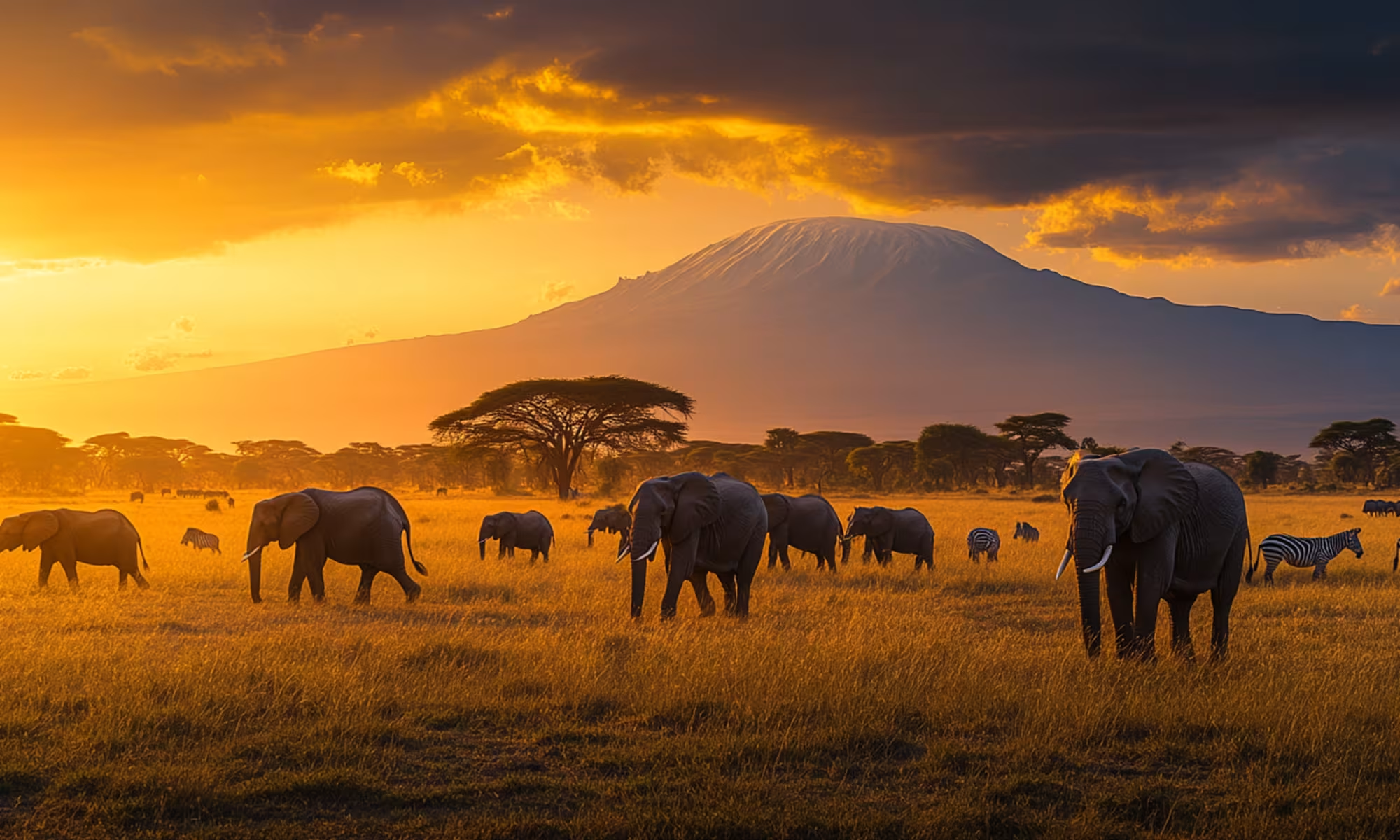
What Are the Best Photography Safaris in Kenya?
Kenya stands as one of the most powerful photography safari destinations in Africa, especially in the world famous Masai Mara National Reserve. Every year, photographers travel from all over the world to capture dramatic wildlife scenes, golden landscapes, and unforgettable moments of animal behavior. Because of this, many travelers ask a key question: what are the best photography safaris in Kenya?
The answer depends on timing, location, lighting conditions, and wildlife activity. Kenya offers a wide range of photography safari experiences, from the Great Migration in the Masai Mara to elephant herds in Amboseli and rare wildlife in private conservancies. Each destination provides unique photographic opportunities that suit both beginners and professional photographers.
Unlike ordinary safaris, photography safaris focus on light, composition, patience, and positioning. Guides understand how to place vehicles for the best angles and how to track wildlife for action shots. As a result, photographers gain better control over their shots and capture more meaningful images.
This guide explores the best photography safaris in Kenya, including top locations, ideal seasons, essential tips, and expert insights for capturing Africa’s most stunning wildlife moments.
Masai Mara Photography Safaris for Wildlife Action
The Masai Mara remains the top destination for photography safaris in Kenya. It offers dramatic wildlife scenes, open landscapes, and constant animal movement, especially during the Great Migration season.
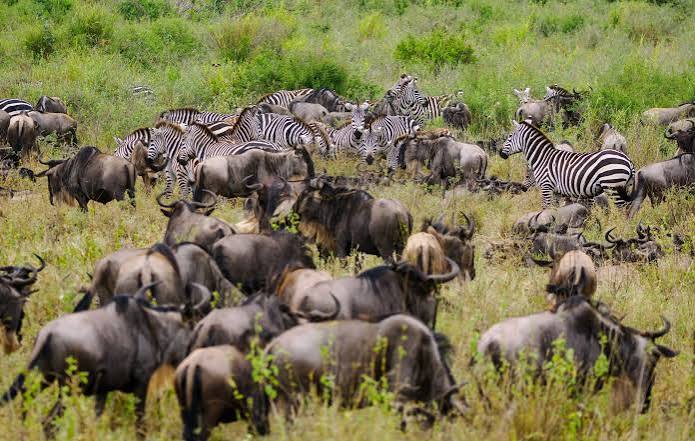
During migration months, millions of wildebeests and zebras move across the plains, creating powerful photography opportunities. River crossings at the Mara River deliver some of the most intense wildlife action scenes in the world. Crocodiles, predators, and massive herds create moments filled with tension and motion.
The open savannah in the Masai Mara also supports excellent composition. Photographers can capture wide landscapes with animals in natural light, especially during sunrise and sunset. Golden hour lighting enhances colors and shadows, making images more dramatic.
Game drives in the Masai Mara allow flexible positioning. Experienced guides understand animal behavior and help photographers anticipate movement. This improves chances of capturing action shots such as lion hunts, cheetah chases, and herd crossings.
Because wildlife density is high, photographers often capture multiple species in a single frame. This makes the Masai Mara one of the most productive photography safari destinations in Africa.
Amboseli Photography Safaris with Iconic Backdrops
Amboseli National Park offers one of the most iconic photography safari experiences in Kenya. The park is famous for its large elephant herds and breathtaking views of Mount Kilimanjaro in the background.
Photographers often focus on capturing elephants walking across open plains with the snow capped mountain behind them. This creates powerful and recognizable African wildlife images.
The park’s flat terrain improves visibility and allows clear long-distance shots. Dust and dry conditions during certain seasons also create dramatic lighting effects that enhance photography.
Amboseli offers excellent sunrise and sunset photography opportunities. Soft light combined with animal movement creates balanced and visually appealing compositions.
Elephants in Amboseli are well studied and habituated to vehicles, which allows closer and safer photography encounters. This makes it easier to capture detailed shots of animal behavior, family interactions, and movement patterns.
Bird photography also performs well in Amboseli due to the presence of wetlands and seasonal water sources.
For photographers seeking iconic African landscapes with strong wildlife presence, Amboseli remains a top choice.
Masai Mara River Crossing Photography Safaris
River crossing photography safaris in the Masai Mara National Reserve offer some of the most dramatic wildlife photography opportunities in the world. These safaris focus on capturing the Great Migration as it unfolds at the Mara River.
During peak migration season, millions of wildebeests and zebras gather at riverbanks before crossing. This creates intense anticipation and powerful photographic moments. Once the crossing begins, fast action, splashing water, and predator encounters create dynamic scenes.
Photographers often spend hours waiting for the perfect moment. This requires patience, timing, and readiness to capture sudden movement.
Lighting plays a key role in river crossing photography. Early morning and late afternoon light create dramatic contrast and highlight movement in the water.
Crocodiles add another layer of storytelling to images. Their presence creates tension and visual depth in photography compositions.
Because river crossings remain unpredictable, each moment feels unique. This makes every photography safari in this category different and exciting.
River crossing safaris require skilled guides who track herd movement and position photographers at the right locations.
Private Conservancy Photography Safaris
Private conservancies around the Masai Mara offer exclusive photography safari experiences with fewer vehicles and more control over positioning. These areas include community-owned lands that border the main reserve.
Unlike public parks, conservancies limit the number of vehicles allowed in wildlife areas. This reduces crowding and improves photography conditions. Photographers enjoy clear views without distractions from multiple safari vehicles.
Conservancies also allow off-road driving in some cases. This helps photographers get closer angles and better composition opportunities without disturbing wildlife.
Night photography and night game drives are also possible in certain conservancies. This opens opportunities for capturing nocturnal animals such as leopards, hyenas, and porcupines.
Wildlife in conservancies often behaves more naturally due to lower human presence. This creates better opportunities for behavioral photography, including hunting scenes and social interactions.
Because of their exclusivity, conservancies are ideal for serious photographers who want control, flexibility, and privacy during their safari experience.
Lake Nakuru Photography Safaris for Bird and Rhino Shots
Lake Nakuru National Park offers a unique photography safari experience focused on birds and rhinos. The park is famous for its large flocks of flamingos that gather along the lake shores, creating vibrant pink landscapes.
Photographers can capture wide scenic shots of birds in motion, reflections on water, and dramatic skies over the lake. This makes Lake Nakuru ideal for creative landscape and wildlife photography.
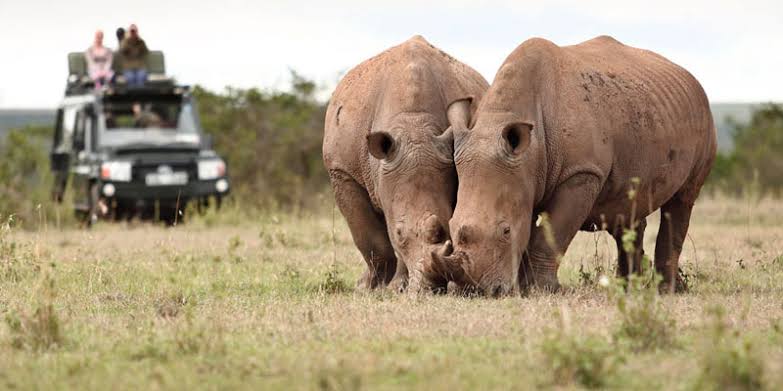
The park also hosts both black and white rhinos, offering rare close-up photography opportunities. These animals often graze in open areas, making them easier to photograph compared to other regions.
Tree-climbing lions also live in Lake Nakuru, providing additional wildlife photography subjects. These lions often rest on branches, creating unique and unusual compositions.
The compact size of the park allows photographers to explore multiple locations in a short time. This increases the variety of images captured in a single day.
Lake Nakuru suits photographers interested in birdlife, rare species, and colorful landscapes.
Best Time for Photography Safaris in Kenya
Timing plays a critical role in photography safaris. The best months for wildlife photography in Kenya fall between June and October. During this dry season, animals gather near water sources, making them easier to locate and photograph.
This period also overlaps with the Great Migration in the Masai Mara. Photographers can capture dramatic river crossings, predator action, and massive herds moving across the plains.
January to March offers another excellent photography season. The landscape remains green after rains, and light conditions support vibrant color photography. Wildlife also appears active during this period.
Early mornings and late afternoons provide the best lighting conditions throughout the year. Soft golden light enhances textures, shadows, and natural tones.
Rainy seasons offer fewer crowds and lush scenery, which suits landscape photography. However, access to some areas may become limited.
Choosing the right season depends on photography goals, whether action shots, landscapes, or wildlife portraits.
Essential Tips for Kenya Photography Safaris
Successful photography safaris require preparation and patience. First, photographers should use long zoom lenses to capture wildlife from a safe distance. This helps maintain natural behavior while achieving detailed shots. With Giant Holiday Safaris, travelers receive guidance on the best equipment to bring for different safari conditions.
Second, choosing the right guide improves photography success. Experienced guides understand animal behavior and position vehicles for the best angles. Giant Holiday Safaris provides professional guides who know how to maximize photographic opportunities.
Third, patience remains essential. Wildlife does not follow schedules, so waiting often leads to the best shots. Giant Holiday Safaris designs flexible itineraries that allow photographers the time needed to capture rare and dramatic moments.
Fourth, photographers should carry backup batteries and memory cards. Long game drives often produce many opportunities. Giant Holiday Safaris ensures smooth logistics so travelers can focus on photography without interruptions.
Fifth, understanding light conditions improves image quality. Golden hours provide the best natural lighting for wildlife photography. Guides from Giant Holiday Safaris help position guests for optimal lighting during sunrise and sunset drives.
Finally, photographers should respect wildlife and maintain safe distances. Ethical photography ensures long-term conservation of Kenya’s wildlife. Giant Holiday Safaris emphasizes responsible travel practices that protect both animals and habitats.
With the right approach, Kenya becomes a world-class photography destination. By choosing Giant Holiday Safaris, photographers gain expert support, seamless planning, and unforgettable opportunities to capture Africa’s wild beauty.
Conclusion
Kenya offers some of the most rewarding photography safari experiences in Africa, especially in the iconic Masai Mara National Reserve. From dramatic river crossings and vast savannahs to iconic elephants in Amboseli and flamingos at Lake Nakuru, every destination provides unique photographic opportunities. With Giant Holiday Safaris, travelers benefit from customized safari plans designed to maximize photo opportunities and capture Africa’s most breathtaking wildlife moments.
Whether travelers choose private conservancies, migration safaris, or scenic national parks, Kenya delivers powerful wildlife encounters throughout the year. With proper timing, skilled guidance, and patience, photographers can capture images that tell the true story of Africa’s wild beauty. Giant Holiday Safaris enhances this experience by offering flexible schedules, expert positioning, and professional support for photography enthusiasts.
A photography safari in Kenya does more than create pictures. It creates lasting memories of nature, wildlife, and the incredible rhythm of life across the African wilderness. By choosing Giant Holiday Safaris, photographers gain the assurance of seamless logistics, expert guidance, and unforgettable safari experiences that bring Africa’s beauty vividly to life.
Combined Uganda, Kenya, Rwanda and Tanzania Safaris
17 days Kenya Tanzania and Uganda safari 19 Days Uganda Kenya and Tanzania Safari
16 Days Kenya Tanzania and Uganda Safari
14 Days Kenya Uganda and Tanzania Safari
14 Days Kenya Uganda and Rwanda Safari