How Many Days Should I Spend in Tarangire
August 11, 2026
Which Camps Are Best in Tarangire
August 12, 2026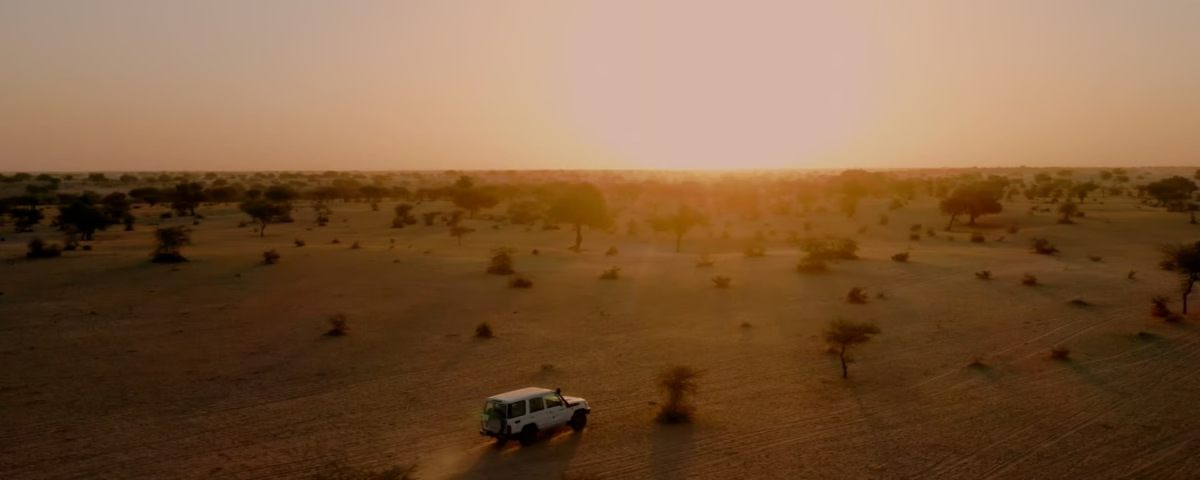
What Are the Best Sunrise Safari Experiences in Kenya?
Kenya offers some of Africa’s most memorable sunrise safari experiences. As the first light spreads across the savannah, the landscape changes from deep shadows into warm gold, revealing elephants, lions, giraffes, zebras, buffaloes, antelopes, and many other wild animals beginning their day. A sunrise game drive gives travelers more than beautiful scenery. It creates an opportunity to experience Kenya’s wildlife at one of the most active and peaceful times of the day.
Early morning also brings excellent conditions for wildlife viewing. Many animals move around before the heat of the afternoon becomes intense. Predators may still be active after a night of hunting, while herbivores often gather in open areas to feed. In addition, the cool morning air makes long game drives more comfortable and enjoyable.
Kenya has several outstanding destinations for sunrise safaris, including the Maasai Mara, Amboseli National Park, Lake Nakuru National Park, Tsavo National Parks, Samburu National Reserve, and Laikipia. Each destination offers a different landscape and wildlife experience. Therefore, choosing the right location depends on what you want to see, the season of your visit, your travel style, and how much time you have.
This guide explores the best sunrise safari experiences in Kenya and explains what makes each destination special. It also provides practical advice to help international travelers plan an enjoyable, responsible, and rewarding early-morning safari.
Combined Uganda, Kenya, Rwanda and Tanzania Safaris
17 days Kenya Tanzania and Uganda safari
19 Days Uganda Kenya and Tanzania Safari
16 Days Kenya Tanzania and Uganda Safari
14 Days Kenya Uganda and Tanzania Safari
14 Days Kenya Uganda and Rwanda Safari
12 Day Gorilla Trekking and Tanzania Safari
Why Is a Sunrise Safari in Kenya So Special?
A sunrise safari feels different from a regular daytime game drive because the experience begins while the wilderness still sleeps. Before sunrise, the savannah often appears quiet and mysterious. Then, gradually, the horizon changes color. Shades of blue, purple, orange, and gold spread across the sky while birds begin calling and animals become more active.
Most importantly, early morning offers excellent opportunities to observe wildlife behavior. Lions may still rest after hunting during the night, while hyenas, jackals, and other nocturnal animals may remain visible. At the same time, giraffes browse on acacia trees, elephants move between feeding areas, and antelopes graze in the cool grass.
The soft morning light also creates exceptional photography conditions. Unlike the harsh midday sun, early sunlight produces warmer colors and softer shadows. Consequently, photographers can capture detailed wildlife images and wide landscape scenes without dealing with excessive glare.
Furthermore, sunrise game drives create a strong sense of connection with nature. Travelers hear the sounds of the wilderness before the roads become busy. The cool breeze, fresh air, distant animal calls, and changing sky all contribute to an experience that feels natural and unhurried.
For first-time visitors to Kenya, a sunrise safari provides an excellent introduction to the country’s wildlife. For experienced safari travelers, it offers another opportunity to appreciate the smaller details that often disappear later in the day.
Maasai Mara Sunrise Safari: A Classic Kenya Wildlife Experience
The Maasai Mara remains one of the most famous safari destinations in Africa, and a sunrise game drive here can become the highlight of a Kenya safari. The reserve features open grasslands, rolling plains, scattered acacia trees, and abundant wildlife. This landscape makes early morning viewing particularly rewarding.
At sunrise, the Mara often looks completely different from the landscape travelers see later in the day. Golden light covers the grass, mist can linger in low areas, and wildlife gradually becomes more visible. Lions may walk across the plains after a night of activity, while cheetahs can use the cooler morning hours to search for prey.
The Maasai Mara also supports large populations of elephants, buffaloes, giraffes, zebras, hippos, and numerous antelope species. During the Great Migration season, travelers may witness enormous herds moving through the ecosystem. However, the Mara offers excellent wildlife viewing even outside the migration period.
Another advantage involves the variety of landscapes within the reserve and surrounding conservancies. Private conservancies can provide quieter safari experiences, fewer vehicles, and additional opportunities for guided activities where local regulations allow them.
Therefore, travelers who want a classic African sunrise surrounded by abundant wildlife should place the Maasai Mara high on their Kenya safari itinerary. The combination of scenery, predators, herbivores, birdlife, and excellent guiding makes the destination particularly strong for both first-time visitors and experienced safari enthusiasts.
Amboseli Sunrise Safari With Mount Kilimanjaro
Amboseli National Park offers one of the most recognizable sunrise scenes in Kenya. On clear mornings, Mount Kilimanjaro rises dramatically beyond the park’s plains, creating an unforgettable background for wildlife photography. The combination of elephants, open savannah, wetlands, and Africa’s highest mountain gives an Amboseli sunrise safari a character of its own.
The early morning provides particularly attractive photographic conditions. As the sun rises, its light can illuminate the mountain and surrounding plains. Elephants moving across the landscape can create striking silhouettes, especially when they pass through open areas.
Amboseli also has a strong reputation for elephant viewing. Large elephant herds frequently move through the ecosystem, and travelers can observe them feeding, walking between water sources, or interacting with one another. In addition, the park supports lions, buffaloes, giraffes, zebras, wildebeest, hippos, and many bird species.
However, Mount Kilimanjaro visibility depends heavily on weather conditions. Clouds can cover the mountain, particularly later in the day. Therefore, an early game drive gives travelers a better opportunity to see the mountain before clouds build around the summit.
For international travelers who want dramatic scenery alongside wildlife, Amboseli provides an excellent choice. The experience combines one of Kenya’s most important wildlife areas with a breathtaking mountain backdrop, making it especially appealing to photographers, couples, families, and travelers seeking iconic African landscapes.
Lake Nakuru Sunrise Safari for Wildlife and Birdlife
Lake Nakuru National Park provides a different type of sunrise safari experience. Instead of focusing only on large mammals, the park combines woodland, grassland, rocky landscapes, and a famous lake environment. This variety creates opportunities to observe mammals and birds within a relatively compact area.
A sunrise drive around Lake Nakuru can reveal buffaloes, zebras, giraffes, waterbucks, warthogs, and other animals as they begin their morning activities. The park also offers opportunities to see rhinoceroses, making it an important destination for travelers interested in Kenya’s conservation efforts.
Birdwatchers can find the early morning particularly rewarding. Birds become active as temperatures remain cool, and the lake environment attracts numerous species. Depending on water conditions and the season, visitors may encounter flamingos and other water-associated birds.
The surrounding landscape also adds visual variety. Escarpments, acacia woodland, open grassland, and the lake create different photographic perspectives. Consequently, travelers can enjoy more than a simple wildlife drive.
Lake Nakuru also works well as part of a longer Kenya itinerary. Travelers can combine it with destinations such as the Maasai Mara or other attractions within the Great Rift Valley. Because of this flexibility, the park suits visitors who want a shorter safari while still experiencing important Kenyan wildlife.
For travelers interested in both conservation and scenery, a Lake Nakuru sunrise safari provides a balanced experience. The park may not cover the same vast plains as the Maasai Mara, but its combination of wildlife, birds, landscapes, and conservation value makes it an important stop on a Kenya safari.
Tsavo East Sunrise Safari Across Vast Wilderness
Tsavo East National Park provides a powerful sense of wilderness. Its vast landscapes, red-colored soils, open plains, rocky areas, and distant hills create a setting that feels different from the greener environments found elsewhere in Kenya.
A sunrise game drive in Tsavo East can begin before dawn, allowing travelers to reach promising wildlife areas as the sky starts to brighten. The early hours can bring opportunities to see elephants, lions, buffaloes, giraffes, zebras, and numerous antelope species.
Tsavo is also famous for its elephants, which often appear with a distinctive reddish appearance because they cover themselves with the park’s red soil. Watching elephants move through the early morning landscape can create a memorable safari moment.
The park’s enormous size also contributes to the experience. Travelers can spend long periods surrounded by natural scenery without seeing the dense concentration of vehicles found in some busier safari areas. However, this vastness means experienced guides play an important role in locating wildlife efficiently.
Sunrise also helps travelers appreciate Tsavo’s changing colors. The warm morning light emphasizes the red earth, green vegetation, rocky formations, and golden grasslands. As a result, photographers can capture images that show both animals and the wider environment.
For travelers who value space, dramatic scenery, and a strong wilderness atmosphere, Tsavo East deserves serious consideration. It offers a safari experience that feels expansive and adventurous while still providing excellent opportunities for wildlife viewing.
Tsavo West Sunrise Safari for Scenery and Wildlife
Tsavo West National Park offers another distinctive sunrise experience, particularly for travelers who want to combine wildlife with varied scenery. The park contains volcanic landscapes, rocky hills, open plains, woodland, and natural water sources. This diversity gives sunrise game drives a strong visual appeal.
Early morning drives can reveal elephants, buffaloes, giraffes, zebras, antelopes, and predators moving through different habitats. The cooler temperatures also encourage wildlife activity before the heat of the day becomes stronger.
One of the most interesting features of Tsavo West involves its volcanic character. The landscape contains dark volcanic rocks and rugged formations that contrast with vegetation and open grasslands. When the rising sun reaches these features, it creates strong colors and shadows that enhance the scenery.
The park also contains important water sources that attract wildlife. Water plays a central role in safari ecosystems, particularly during drier periods. Therefore, understanding seasonal conditions can help travelers and guides determine where animals may gather.
Tsavo West works particularly well for travelers taking a longer Kenya safari because it can complement other destinations. Visitors can experience the open plains of the Maasai Mara, the mountain views of Amboseli, and the volcanic scenery of Tsavo West within one itinerary.
A sunrise safari here therefore provides more than animal sightings. It allows travelers to understand how wildlife survives within a diverse and sometimes challenging environment. That combination of ecology, scenery, and wildlife makes Tsavo West an excellent choice for adventurous travelers.
Samburu Sunrise Safari in Northern Kenya
Samburu National Reserve provides one of Kenya’s most distinctive safari experiences. Located in northern Kenya, the reserve features dry landscapes, rocky terrain, riverine vegetation, and the Ewaso Ng’iro River. These conditions support wildlife adapted to a more arid environment.
A sunrise game drive in Samburu can begin with cool temperatures and soft light across the rugged landscape. As daylight increases, animals become easier to spot along riverbanks, open plains, and vegetation areas.
Samburu is especially attractive because of several species associated strongly with northern Kenya. Travelers may encounter the Grevy’s zebra, reticulated giraffe, gerenuk, Beisa oryx, and Somali ostrich. The reserve also supports elephants, lions, leopards, buffaloes, and many other animals.
The river provides an important ecological feature. Wildlife often depends on riverine areas, particularly during dry periods. Consequently, early drives along the river can produce excellent opportunities for observing animals as they drink, feed, or move through the landscape.
Beyond wildlife, Samburu introduces travelers to a different side of Kenya. The region has a strong cultural identity, distinctive landscapes, and a deep connection between communities and the surrounding environment. Responsible cultural experiences can complement a safari when travelers work with reputable local guides and community based initiatives.
For travelers who want to move beyond the classic southern Kenya safari circuit, Samburu offers something genuinely different. Its wildlife, dry country scenery, northern location, and cultural richness make sunrise drives here especially memorable.
Laikipia Sunrise Safari for Conservation and Wildlife
Laikipia offers a unique approach to safari because the region combines wildlife conservation, community partnerships, private conservancies, ranches, and tourism. Instead of focusing only on traditional national park experiences, travelers can explore a landscape where conservation and local livelihoods connect closely.
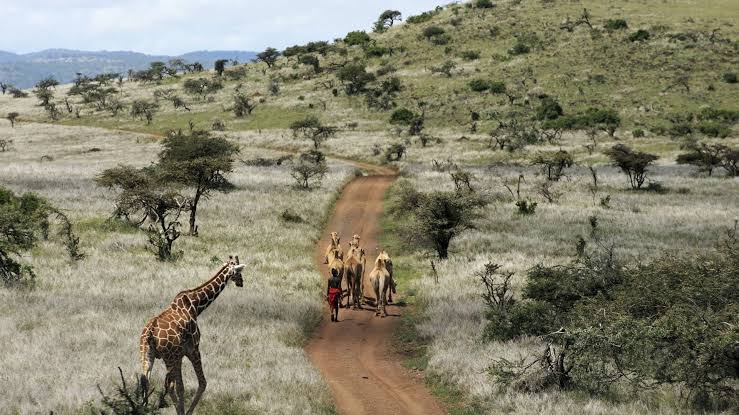
Sunrise in Laikipia can reveal elephants, giraffes, zebras, buffaloes, lions, leopards, and other wildlife moving across open grasslands and wooded areas. The region also supports important populations of endangered species, making conservation a central part of the visitor experience.
Private conservancies can provide a more personalized safari atmosphere. Depending on the specific conservancy and its rules, travelers may have access to activities that differ from those offered in national parks. These can include walking safaris, night drives, horseback experiences, and specialized wildlife activities.
The early morning remains one of the best periods for wildlife observation because temperatures stay comfortable and animals often remain active. Furthermore, the changing light across the Laikipia landscape creates excellent conditions for photography.
What makes Laikipia especially valuable for responsible travelers is its broader conservation story. Tourism can contribute to habitat protection, local employment, community projects, and wildlife management when operators follow responsible practices.
Therefore, Laikipia suits travelers who want more than a conventional game drive. It provides a chance to explore Kenya’s conservation landscape while enjoying exceptional wildlife and peaceful sunrise scenery.
What Wildlife Can You See During a Kenya Sunrise Safari?
A sunrise safari can produce a wide range of wildlife encounters because many animals remain active during the early hours. However, sightings always depend on location, season, weather, habitat conditions, and natural animal behavior. No responsible safari operator can guarantee a specific sighting, and that uncertainty forms part of the excitement.
Lions often attract early morning attention because they may still be active after a night of hunting. Travelers can sometimes find prides resting, walking, grooming, or interacting with one another. Cheetahs can also become active during cooler periods, particularly when they search for prey across open grasslands.
Herbivores provide equally rewarding encounters. Elephants may travel between feeding and water areas, while giraffes browse on trees. Zebras, wildebeest, buffaloes, gazelles, and impalas often graze as the sun rises.
Birdlife adds another important dimension. Early morning brings increased bird activity, and travelers can hear calls throughout the landscape. Birdwatchers should therefore keep binoculars ready rather than focusing only on large mammals.
In addition, sunrise drives can reveal smaller creatures that travelers might overlook. Jackals, mongooses, hares, reptiles, and various insects contribute to the ecosystem. Paying attention to these species helps visitors understand that a safari involves an entire living environment, not simply the search for famous animals.
The best approach involves patience. Wildlife does not follow a schedule designed for tourists. A skilled guide reads tracks, vegetation, animal behavior, and recent sightings to improve the chances of finding interesting activity while respecting wildlife boundaries.
What Is the Best Time to Take a Sunrise Safari in Kenya?
The best time for a sunrise safari depends on your destination, travel goals, and seasonal conditions. Kenya offers rewarding safari experiences throughout much of the year, but different periods can produce different landscapes and wildlife patterns.
Dry seasons often provide strong wildlife viewing opportunities because animals may gather around limited water sources and vegetation becomes less dense. Early morning temperatures can also remain comfortable, making sunrise drives particularly pleasant.
The wetter seasons bring another advantage. Fresh vegetation transforms the landscape, bird activity can increase, and many areas become exceptionally green. Newborn animals may also appear during certain periods. However, rain can affect road conditions and wildlife distribution.
The Great Migration adds another consideration for travelers visiting the Maasai Mara. During the migration period, large herds can move into the Mara ecosystem, creating spectacular wildlife opportunities. However, the migration follows natural conditions rather than a fixed timetable, so travelers should avoid planning an entire trip around a guaranteed event.
For photography, sunrise remains valuable regardless of season because the first light provides softer colors and attractive shadows. Therefore, travelers should focus not only on a specific month but also on choosing a destination that matches their interests.
A knowledgeable safari planner can help align the timing of the trip with wildlife goals, weather patterns, park conditions, and available activities. This approach creates a more realistic and rewarding itinerary.
How Early Should You Leave for a Kenya Sunrise Game Drive?
Travelers should prepare to leave before the sun actually rises. The exact departure time depends on the lodge location, park regulations, driving distance, and sunrise time. In many safari destinations, vehicles leave while the sky remains dark so that guests reach wildlife areas as the first light appears.
Preparation makes the experience much easier. Travelers should organize clothing, cameras, binoculars, water, and other essentials the evening before. This reduces delays in the morning and allows the safari vehicle to leave on time.
Dress in layers because temperatures can feel surprisingly cool before sunrise. A light jacket or warm layer can make a major difference, particularly when an open safari vehicle moves through the early morning air. As the sun rises, temperatures usually increase, so layers allow travelers to adjust comfortably.
Travelers should also carry suitable sun protection. Once daylight becomes stronger, sunglasses, sunscreen, and a hat can improve comfort. Neutral-colored clothing works well because it avoids bright colors that can distract from the natural environment.
Most importantly, visitors should follow the guide’s instructions. Safari etiquette protects both people and wildlife. Travelers should remain quiet when approaching animals, avoid sudden movements, and never request unsafe driving behavior simply to obtain a photograph.
Although waking up early may feel difficult during a holiday, the reward makes the effort worthwhile. The quiet roads, cool air, soft light, and active wildlife create an experience that often becomes one of the strongest memories of a Kenya safari.
How Can You Make Your Kenya Sunrise Safari More Enjoyable?
Planning carefully can significantly improve a sunrise safari. First, choose accommodation that provides convenient access to the safari area. A lodge located close to a park gate or conservancy can reduce travel time and allow more time for wildlife viewing.
Next, work with an experienced safari guide. A good guide does more than drive from one location to another. The guide understands animal behavior, tracks, habitats, seasonal conditions, and conservation rules. This knowledge helps travelers interpret what they see and appreciate the ecosystem more deeply.
Photography also requires preparation. Carry spare batteries, sufficient memory cards, and suitable camera equipment. Keep binoculars available because some animals may remain far from the vehicle.
Additionally, avoid planning too many activities immediately after a sunrise drive. A good morning safari can last several hours, and rushing from one activity to another can reduce enjoyment. Instead, allow time for breakfast, rest, and reflection after the game drive.
Travelers should also respect local communities and conservation rules. Kenya’s wildlife areas depend on cooperation between tourism businesses, communities, conservation organizations, government authorities, guides, and visitors. Responsible tourism therefore benefits both wildlife and people.
Finally, keep expectations realistic. Safari involves wild animals in natural habitats, not controlled attractions. Some mornings may produce dramatic predator sightings, while others may focus on landscapes, birds, tracks, or smaller animals. Every drive offers something different.
Approaching the experience with patience, curiosity, and respect allows travelers to enjoy the wilderness as it truly exists.
Why Responsible Tourism Matters on a Kenya Sunrise Safari
Responsible tourism plays an important role in protecting Kenya’s wildlife and supporting the communities that live near conservation areas. A memorable safari should not come at the expense of the environment. Instead, tourism should help protect the places that make the experience possible.
Travelers can contribute by choosing responsible safari operators that respect park regulations, maintain safe distances from animals, avoid harassment, and support conservation initiatives. Following designated routes also helps reduce unnecessary pressure on sensitive habitats.
Community involvement matters as well. Many Kenyan communities live close to wildlife areas and contribute directly to conservation. Tourism can create employment, support local businesses, fund community projects, and provide economic reasons to protect wildlife habitats.
Travelers should also reduce unnecessary waste. Reusable water bottles, responsible disposal of rubbish, and careful use of resources can make a difference. Furthermore, visitors should avoid purchasing products made from illegal wildlife materials.
Wildlife photography requires similar responsibility. A photograph should never become more important than an animal’s welfare. Drivers should avoid crowding animals or forcing them into uncomfortable situations simply to provide better viewing opportunities.
Responsible tourism ultimately protects the future of Kenya’s safari industry. When visitors choose ethical experiences, they help strengthen conservation and create sustainable tourism opportunities.
For the global traveler, this approach offers something valuable: the knowledge that a safari experience can create positive benefits beyond personal enjoyment. A well-planned sunrise safari can support wildlife protection, local communities, conservation employment, and long-term tourism development.
Conclusion: Choosing the Best Sunrise Safari Experience in Kenya
Kenya offers an extraordinary range of sunrise safari experiences, and the best destination depends on the type of adventure you want. The Maasai Mara stands out for abundant wildlife and classic savannah scenery, while Amboseli combines elephants with unforgettable views toward Mount Kilimanjaro. Lake Nakuru provides a strong mix of wildlife and birdlife, whereas Tsavo East and Tsavo West offer expansive wilderness and dramatic landscapes. Samburu introduces travelers to northern Kenya and its distinctive wildlife, while Laikipia provides a deeper connection between conservation, communities, and safari tourism.
Regardless of the destination, an early start rewards travelers with cool temperatures, active wildlife, beautiful light, and a peaceful atmosphere. More importantly, a sunrise safari allows visitors to experience Kenya before the day becomes busy. With an experienced guide, responsible planning, suitable clothing, and realistic expectations, the experience can become one of the most meaningful parts of an African holiday.
For international travelers seeking a reliable, well-organized, and authentic Kenya safari, Giant Holiday Safaris provides a trusted pathway into the country’s extraordinary wildlife and landscapes. The right safari is not simply about ticking animals off a list. It is about understanding the wilderness, respecting local communities, supporting conservation, and creating memories that remain meaningful long after returning home. With careful planning and professional guidance, a Kenyan sunrise can become far more than the beginning of a game drive it can become the beginning of an unforgettable African adventure.