What is the luggage limit for fly-in safaris?
August 19, 2026
What are the best family adventure safaris in Kenya?
August 19, 2026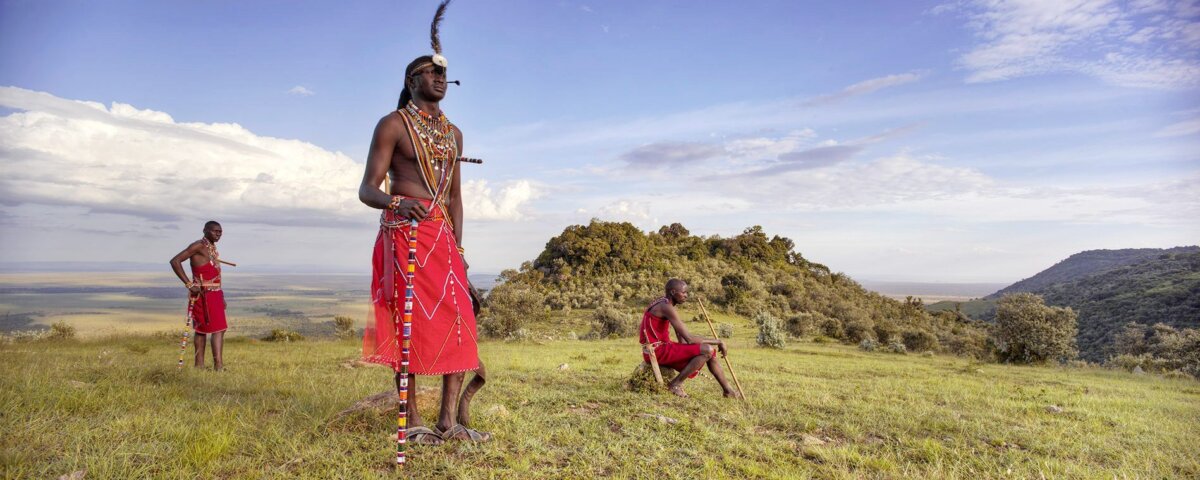
What Are the Best Maasai Cultural Tours in Kenya?
Kenya offers far more than spectacular wildlife and dramatic landscapes. For travelers who want to understand the country beyond its national parks, a Maasai cultural tour provides a meaningful way to connect with one of East Africa’s most recognized communities. The Maasai have maintained strong cultural traditions while adapting to a changing world, creating an experience that combines heritage, community life, storytelling, traditional knowledge, crafts, music, and modern conservation.
The best Maasai cultural tours in Kenya go beyond a quick village visit. Instead, they create opportunities for travelers to learn about Maasai history, social traditions, livestock keeping, traditional homes, beadwork, food, ceremonies, and the relationship between communities and wildlife. In addition, responsible cultural tourism can support local families, community projects, conservation programs, and education initiatives.
Travelers can experience Maasai culture in several parts of Kenya, particularly around the Maasai Mara, Amboseli, Laikipia, Kajiado, and other areas where Maasai communities continue to live and practice important traditions. Each destination offers a different perspective. Therefore, choosing the right cultural tour depends on what you want to learn, how much time you have, and how deeply you want to engage with the community.
For international visitors, a well planned Maasai cultural experience can become one of the most memorable parts of a Kenyan safari. It adds a human dimension to the wildlife experience and helps travelers understand why land, livestock, family, culture, and conservation remain closely connected across many parts of Kenya.
Combined Uganda, Kenya, Rwanda and Tanzania Safaris
17 days Kenya Tanzania and Uganda safari
19 Days Uganda Kenya and Tanzania Safari
16 Days Kenya Tanzania and Uganda Safari
14 Days Kenya Uganda and Tanzania Safari
14 Days Kenya Uganda and Rwanda Safari
12 Day Gorilla Trekking and Tanzania Safari
Why Choose a Maasai Cultural Tour in Kenya?
A Maasai cultural tour gives travelers an opportunity to explore Kenya through a local perspective rather than simply observing the country from a safari vehicle. Wildlife safaris show the incredible animals of Kenya, while cultural experiences help explain the people, traditions, and communities that share these landscapes with wildlife. This combination creates a much deeper travel experience.
One of the main attractions is the opportunity to learn about traditional Maasai life. Depending on the community and tour, visitors may explore traditional homesteads, learn about livestock keeping, see traditional houses, observe beadwork, participate in cultural performances, or share conversations with community members. These activities help travelers understand that Maasai culture involves much more than the colorful clothing and distinctive ceremonies often seen in travel photographs.
Furthermore, cultural tours can introduce visitors to traditional knowledge passed through generations. Travelers may learn about medicinal plants, local food, livestock management, environmental practices, and the importance of community relationships. These lessons offer valuable insight into how people have lived within challenging environments for generations.
A quality cultural tour also creates economic value for local communities. When travelers choose experiences managed with community participation, their spending can contribute to guides, artisans, cultural centers, conservation projects, schools, women’s groups, and other local initiatives. Consequently, responsible tourism can help preserve cultural heritage while creating sustainable opportunities for communities.
For travelers who value meaningful experiences, a Maasai cultural tour can therefore become more than an activity added to an itinerary. It can become an important part of understanding Kenya.
Maasai Cultural Tours in the Maasai Mara
The Maasai Mara remains one of Kenya’s most famous safari destinations, and it provides an excellent setting for combining wildlife viewing with cultural experiences. The area is closely associated with Maasai communities, whose traditional relationship with livestock, land, and wildlife forms an important part of the wider Mara landscape.
A cultural tour around the Maasai Mara can include a visit to a Maasai community or cultural village where travelers learn about traditional homes, family structures, livestock, clothing, crafts, and community customs. Many experiences also include demonstrations of traditional songs and dances. However, the strongest tours create space for learning and interaction rather than turning culture into a simple performance.
Travelers can also explore Maasai beadwork, an important artistic tradition. Beadwork carries cultural meaning and often reflects identity, age, social position, and important life events. Visiting local artisans allows travelers to understand the skill involved in creating necklaces, bracelets, ornaments, and other handmade products. Buying authentic crafts directly from artisans can also provide direct economic support.
Another advantage of the Maasai Mara is the ability to combine cultural exploration with a traditional safari. Travelers can spend part of the day learning about community life and then continue into the reserve for wildlife viewing. This creates a balanced itinerary that connects people, culture, landscapes, and wildlife.
For first-time visitors to Kenya, this combination offers a practical way to experience several dimensions of the country without spending excessive time moving between destinations. It also demonstrates why tourism in the Mara works best when wildlife conservation and community livelihoods develop together.
Maasai Cultural Experiences Around Amboseli
Amboseli provides another outstanding destination for travelers interested in Maasai culture. Located in southern Kenya near the Tanzania border, the region is famous for its open landscapes, large elephant populations, and views toward Mount Kilimanjaro. At the same time, Maasai communities have a deep connection with the surrounding environment.
A cultural experience in the Amboseli region can introduce travelers to traditional Maasai homes, livestock keeping, food preparation, beadwork, storytelling, and local customs. Depending on the community program, visitors may also learn about the challenges of living alongside wildlife and the importance of protecting shared landscapes.
This connection between culture and conservation makes Amboseli especially valuable for educational travel. Communities in wildlife areas often experience both opportunities and challenges created by tourism and conservation. Understanding their perspective gives visitors a more complete picture of what it takes to protect wildlife outside protected areas.
Visitors can also gain insight into traditional Maasai pastoralism. Livestock remains an important part of Maasai social and economic life, while cattle have cultural significance beyond their economic value. Learning about this relationship helps travelers avoid viewing Maasai culture only through its visual symbols.
An Amboseli cultural tour works particularly well as part of a longer Kenya safari. Travelers can combine a community experience with game drives, elephant viewing, birdwatching, nature walks, and scenic photography. As a result, the destination offers both cultural depth and classic safari experiences.
For travelers seeking a balanced Kenya itinerary, Amboseli demonstrates how cultural tourism can complement wildlife tourism rather than compete with it.
Maasai Cultural Tours in Kajiado County
Kajiado County provides another important setting for travelers interested in learning about Maasai culture. Located relatively close to Nairobi, the region offers opportunities for visitors who have limited time but still want to include a cultural experience in their Kenya itinerary.
One of the main benefits of a Kajiado cultural tour is accessibility. Travelers can often include a community visit before or after exploring Nairobi, Amboseli, or other destinations in southern Kenya. This makes the area useful for short trips, educational journeys, family vacations, and travelers who want to experience community tourism without traveling deep into the country.
Cultural experiences in the region may introduce visitors to traditional Maasai homes, beadwork, livestock, food, music, storytelling, and daily community life. However, travelers should choose experiences that prioritize genuine community participation and respectful interaction.
Women’s beadwork groups can provide particularly interesting experiences. Beading requires patience, creativity, and knowledge of traditional designs. Purchasing directly from artisans can also support household income while giving travelers an authentic handmade souvenir.
Kajiado also provides an opportunity to learn about the pressures facing pastoral communities today. Climate conditions, land-use changes, education, economic development, and conservation can all influence traditional ways of life. A good cultural tour should help travelers understand these realities without presenting Maasai communities as frozen in the past.
This modern perspective matters. Maasai culture remains living and evolving. Therefore, responsible tourism should celebrate heritage while recognizing the choices, ambitions, and contemporary lives of Maasai people.
Community-Based Maasai Cultural Tours
Community-based tourism offers some of the most meaningful ways to experience Maasai culture in Kenya. These programs place local communities closer to the center of the tourism experience, allowing residents to participate as guides, hosts, artisans, conservation partners, performers, entrepreneurs, and cultural educators.
The strongest community-based tours create direct connections between tourism revenue and local development. Depending on the program, income may support education, healthcare, water projects, conservation, women’s enterprises, youth programs, or household livelihoods. Travelers therefore contribute to more than their own holiday experience.
These tours can also provide a more balanced understanding of Maasai culture. Instead of focusing only on traditional clothing, dances, or famous ceremonies, community experiences can introduce visitors to farming, livestock management, environmental challenges, education, entrepreneurship, and changing family life.
Travelers should look for transparency when selecting a community experience. A responsible operator should clearly explain where the tour takes place, who manages the experience, what activities visitors will participate in, and how tourism benefits the local community. This information helps travelers make informed choices.
Moreover, community tourism encourages travelers to behave as guests rather than spectators. Asking permission before taking photographs, respecting private spaces, following local guidance, and purchasing crafts fairly can make a major difference.
Ultimately, the quality of a cultural tour depends not only on what travelers see but also on how the experience affects the people who share their culture. Community participation should therefore remain at the heart of responsible Maasai tourism.
Maasai Cultural Tours Combined With Kenya Safaris
Combining a Maasai cultural experience with a wildlife safari creates one of the strongest travel experiences available in Kenya. The two experiences complement each other because wildlife and communities share the same broader landscapes.
A traditional safari introduces travelers to lions, elephants, giraffes, zebras, cheetahs, buffaloes, and other wildlife. A cultural experience then adds context by showing how local communities live alongside these animals and depend on the surrounding environment.
For example, travelers visiting the Maasai Mara can spend a morning on a game drive and later visit a community. In Amboseli, visitors can explore wildlife habitats while learning about Maasai pastoral life and conservation. This combination creates a more complete understanding of the destination.
A well designed itinerary should also allow enough time for both experiences. Rushing through a cultural visit immediately before a game drive can reduce the opportunity for genuine interaction. Instead, travelers should allow several hours when possible and approach the experience with curiosity.
Families can particularly benefit from this combination. Children can learn about wildlife while also understanding different cultures, traditional skills, environmental stewardship, and community life. Similarly, educational groups can use cultural experiences to connect classroom learning with real-world knowledge.
For honeymooners and leisure travelers, the combination adds variety to the itinerary. Safari days can focus on wildlife and landscapes, while cultural days provide opportunities for conversation, crafts, photography, and learning.
Therefore, travelers should not view cultural tourism as an optional extra. When planned well, it becomes an essential part of a richer Kenyan safari.
What Can You Expect During a Maasai Cultural Tour?
The exact activities vary from one community and destination to another, but travelers can expect a mixture of cultural education, interaction, demonstrations, and local experiences. Understanding what a tour may include helps visitors choose an experience that matches their interests.
A traditional homestead visit can provide an introduction to household structures and daily life. Travelers may learn about the construction of traditional houses, livestock management, cooking methods, family responsibilities, and community organization.
Beadwork is another common element. Visitors may meet artisans and watch them create handmade jewelry and decorations. Some experiences allow travelers to purchase products directly from the makers.
Music and dance may also form part of cultural programs. These performances can demonstrate traditional rhythms, movement, and communal celebration. However, visitors should remember that these activities have cultural meaning and should approach them respectfully.
Storytelling can provide another valuable experience. Through stories, travelers can learn about history, values, environmental knowledge, family relationships, and community identity. These interactions often become more memorable than simply taking photographs.
Some tours also include nature walks or demonstrations involving local plants and traditional knowledge. Such activities can show how communities understand and use their environment.
Above all, visitors should expect learning rather than entertainment alone. The best experience encourages respectful questions and meaningful interaction. Travelers who arrive with an open mind usually gain much more from the visit.
How to Choose the Best Maasai Cultural Tour in Kenya
Choosing the right tour requires more than selecting the first cultural experience available. Travelers should consider several factors, including authenticity, community involvement, guide quality, group size, activities, location, and responsible tourism practices.
First, examine the role of the local community. A strong cultural experience should involve local people directly in hosting, guiding, managing, or benefiting from tourism. Clear information about community involvement can help travelers identify responsible operators.
Second, consider the size of the group. Smaller groups often allow better interaction and create a more comfortable environment for both visitors and hosts. Large groups can sometimes make cultural visits feel rushed or crowded.
Third, examine the itinerary. A quality tour should explain what travelers will actually do rather than simply promising a “Maasai village visit.” Look for experiences that include meaningful activities such as cultural education, artisan demonstrations, community interaction, storytelling, or conservation discussions.
The guide also matters greatly. A knowledgeable guide can explain cultural practices with context and answer questions accurately. Strong guides understand both tourism and local community dynamics.
Travelers should also consider timing. Morning and afternoon experiences can feel very different depending on the location, weather, and planned activities. A good safari operator can help fit the cultural experience naturally into the wider itinerary.
Finally, consider the ethical side of tourism. Responsible operators respect community privacy, avoid exploitative practices, support fair compensation, and encourage respectful photography.
When travelers evaluate these factors carefully, they increase the chances of choosing an experience that delivers both personal value and meaningful community benefits.
Responsible and Ethical Maasai Cultural Tourism
Responsible tourism should remain a central consideration whenever travelers visit indigenous or traditional communities. Maasai cultural tourism creates opportunities for cultural exchange, but visitors must approach these experiences with respect and awareness.
The first principle is consent. Travelers should ask before photographing people, entering private areas, or recording cultural activities. A camera should never replace basic respect.
Second, visitors should avoid treating Maasai communities as attractions. Maasai people have modern lives, businesses, schools, families, ambitions, and personal interests. A respectful tour presents culture as living and evolving rather than as a performance frozen in history.
Third, travelers should support local businesses where possible. Buying genuine handmade products directly from artisans can provide useful income. Visitors should also understand that fair prices support craftsmanship and local livelihoods.
Fourth, travelers should respect environmental rules. Many Maasai communities live near important wildlife habitats, so responsible tourism should protect landscapes as well as cultural heritage. Avoiding litter, following guide instructions, and respecting wildlife all contribute to sustainable tourism.
Responsible tourism also means choosing operators that communicate honestly about community benefits. Travelers deserve clear information about their spending and the role of local partners.
When these principles guide tourism, cultural visits can create positive relationships between visitors and host communities. Tourism then becomes a bridge for learning and economic opportunity rather than a one-sided transaction.
Best Time to Experience Maasai Culture in Kenya
Maasai cultural experiences operate throughout much of the year, so travelers can include them in Kenya itineraries during different seasons. However, the best timing depends on the destination, weather, safari plans, and activities available.
The dry seasons often attract many safari travelers because wildlife viewing conditions can become favorable. These periods can therefore work well for travelers who want to combine a Maasai cultural experience with a classic Kenya safari.
However, the wetter seasons also offer advantages. Landscapes can become greener, temperatures may feel more comfortable in some areas, and fewer tourists can create a quieter travel atmosphere. Travelers interested in photography may also appreciate the dramatic skies and fresh landscapes.
Cultural tourism does not depend entirely on wildlife migration patterns. Therefore, travelers should not feel that they must visit Kenya only during peak safari periods to experience Maasai culture.
Instead, the best approach involves building the itinerary around the traveler’s main interests. Someone focused on the Great Migration may prioritize the Maasai Mara during the appropriate season, while someone interested in cultural immersion may have greater flexibility.
Travelers should also remember that community schedules can vary. Ceremonies, local events, weather conditions, and community activities may affect what visitors can experience on a particular day.
For this reason, booking through a knowledgeable local tour operator can make planning easier. Professional itinerary planning helps travelers coordinate cultural experiences with accommodation, transportation, wildlife activities, and seasonal conditions.
What Should You Wear and Bring for a Maasai Cultural Tour?
Comfortable and respectful clothing can make a cultural tour more enjoyable. Kenya’s weather varies by region and season, so travelers should prepare for changing temperatures, sunlight, dust, and occasional rain.
Lightweight clothing works well in warm conditions, while a light jacket can prove useful during cooler mornings and evenings. Comfortable walking shoes are also important because some cultural experiences involve walking through villages, community areas, or natural surroundings.
Travelers should choose clothing that remains respectful when visiting communities. While Kenya welcomes international visitors, modest and practical clothing generally creates a more comfortable environment for cultural interaction.
Sun protection also matters. A hat, sunscreen, sunglasses, and a reusable water bottle can help travelers stay comfortable during outdoor activities.
A camera can capture wonderful memories, but visitors should always ask for permission before photographing people. In addition, carrying some local currency can be useful when purchasing handmade crafts or supporting community initiatives.
Travelers should avoid bringing unnecessary plastic or disposable items. Responsible travel begins with simple decisions that reduce environmental impact.
Most importantly, bring curiosity and patience. Cultural tourism works best when visitors slow down, listen carefully, and take time to understand the experience. A respectful attitude often matters more than expensive equipment or elaborate clothing.
Why Maasai Cultural Tourism Matters to Kenya’s Tourism Industry
Maasai cultural tourism contributes to a broader form of tourism that recognizes communities as important partners in Kenya’s tourism economy. Wildlife remains one of Kenya’s strongest attractions, yet the country’s cultural diversity provides another major reason for international travelers to visit.
Cultural tourism can diversify local income and reduce reliance on a single tourism activity. Communities living near wildlife areas can benefit when visitors spend money on guiding, accommodation, crafts, transportation, food, and cultural experiences.
Furthermore, tourism can create incentives to preserve cultural knowledge. Traditional crafts, storytelling, music, environmental knowledge, and local history gain economic and educational value when communities control how they share them.
However, cultural tourism must develop responsibly. Poorly managed tourism can create shallow experiences, unfair economic arrangements, or pressure on communities to perform culture for visitors. Strong partnerships therefore matter.
Kenya’s tourism industry has an opportunity to develop experiences that combine cultural heritage, conservation, community enterprise, and high-quality hospitality. This approach can strengthen the country’s reputation among travelers who increasingly seek authentic and responsible experiences.
For international visitors, the value is equally significant. Travelers gain a deeper understanding of Kenya while contributing to local economies.
Ultimately, successful Maasai cultural tourism should benefit both hosts and guests. Communities should gain meaningful opportunities, while visitors should leave with greater knowledge, respect, and appreciation for Kenya’s living heritage.
Conclusion: Choosing a Meaningful Maasai Cultural Experience in Kenya
The best Maasai cultural tours in Kenya offer much more than a short visit to a traditional village. They create opportunities to understand the people, traditions, landscapes, crafts, values, and conservation challenges that shape life across many parts of Kenya. From the Maasai Mara and Amboseli to Kajiado and community-based tourism destinations, travelers can find experiences that add depth to a Kenya safari.
The strongest tours focus on genuine community participation, knowledgeable local guides, respectful interaction, responsible photography, fair economic benefits, and meaningful cultural education. Therefore, travelers should look beyond attractive descriptions and choose experiences that demonstrate real connections with local communities.
Combining a Maasai cultural experience with wildlife viewing can make a Kenya holiday especially rewarding. Travelers can witness extraordinary animals while also learning about the people who share these landscapes with them. That combination provides a fuller understanding of Kenya and creates memories that extend beyond photographs.
For travelers planning their first African adventure or returning to explore Kenya more deeply, careful planning makes a major difference. A well designed itinerary can balance culture, wildlife, conservation, comfort, and authentic local experiences without making the journey feel rushed.
Giant Holiday Safaris provides a trusted approach to discovering Kenya through thoughtfully planned safari and cultural experiences. With a focus on meaningful travel, local insight, responsible tourism, and well-organized African adventures, Giant Holiday Safaris can help travelers experience Maasai culture as an important part of Kenya’s wider story rather than simply another activity on a safari schedule.