What are the best Kenya safari blogs to follow?
August 18, 2026
What are the best eco-lodges in Kenya?
August 18, 2026
What Are the Best Safari Destinations for Nature Lovers?
Africa offers one of the richest wildlife experiences on Earth, making it an outstanding destination for nature lovers who want to see animals in their natural habitats. From wide savannah plains and ancient forests to wetlands, mountains, deserts, and tropical coastlines, the continent offers far more than a traditional game drive. Each safari destination has its own landscape, wildlife, climate, and character. Therefore, choosing the right place depends on what you want to experience in the wild.
For many travelers, the attraction begins with the chance to watch elephants crossing open plains, lions resting beneath acacia trees, giraffes moving through golden grass, or hippos gathering in quiet waterways. However, Africa offers much more. Nature lovers can track mountain gorillas in dense forests, observe chimpanzees in their natural environment, watch thousands of wildebeest move across the Serengeti, or explore wetlands filled with birds and aquatic wildlife.
Moreover, responsible tourism has become an important part of the modern safari experience. Well managed parks and conservancies help protect wildlife habitats while supporting local communities and conservation programs. As a result, a well planned safari can provide unforgettable memories while contributing to the long term protection of Africa’s natural heritage.
The best safari destination ultimately depends on your interests, travel season, preferred activities, and the type of landscape you want to explore. The following destinations stand among Africa’s most rewarding choices for travelers who want a deeper connection with nature.
Combined Uganda, Kenya, Rwanda and Tanzania Safaris
17 days Kenya Tanzania and Uganda safari
19 Days Uganda Kenya and Tanzania Safari
16 Days Kenya Tanzania and Uganda Safari
14 Days Kenya Uganda and Tanzania Safari
14 Days Kenya Uganda and Rwanda Safari
12 Day Gorilla Trekking and Tanzania Safari
Maasai Mara National Reserve, Kenya: A Classic Wildlife Experience
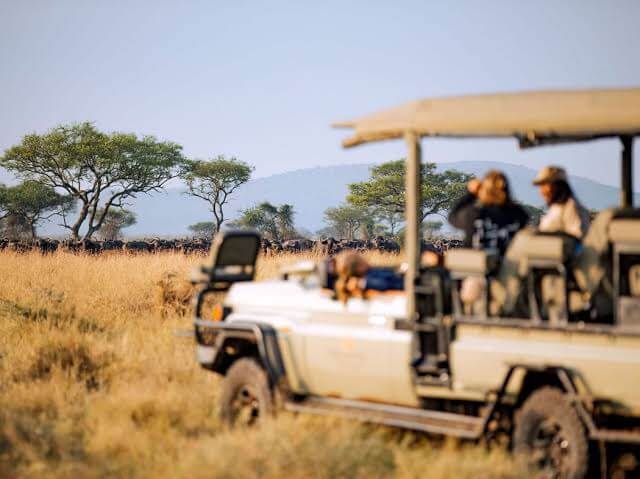
The Maasai Mara National Reserve in Kenya remains one of Africa’s most famous safari destinations, and nature lovers have good reason to place it high on their travel list. The reserve protects a vast area of open grassland, rolling hills, riverine habitats, and seasonal wetlands. These varied environments support an impressive range of wildlife throughout the year.
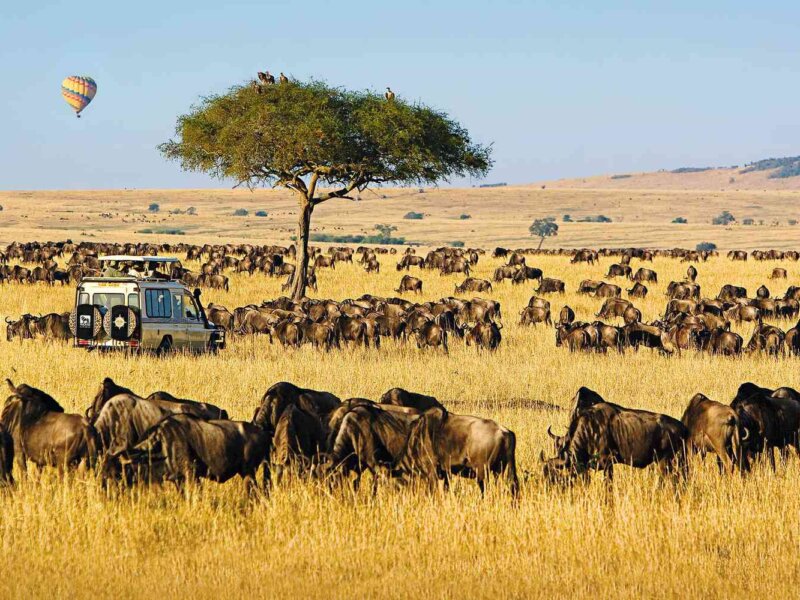
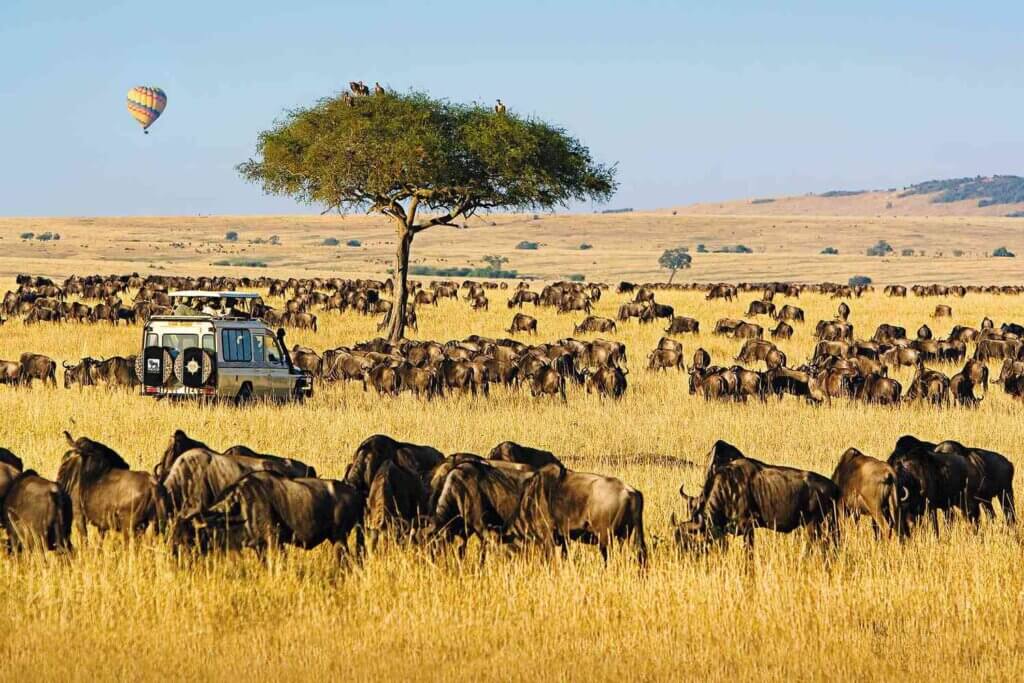
The Mara is particularly famous for the Great Migration, when huge numbers of wildebeest, zebras, and other grazing animals move between the Serengeti ecosystem and the Maasai Mara. The spectacle creates remarkable opportunities for wildlife viewing, especially when predators follow the herds. Lions, cheetahs, leopards, hyenas, and other predators form an important part of the ecosystem.
However, visitors do not need to travel during the migration season to enjoy the Mara. Resident wildlife remains abundant throughout the year. Early morning and late afternoon game drives often provide excellent opportunities to observe predators, elephants, giraffes, buffaloes, and numerous antelope species.
Furthermore, the wider Mara ecosystem offers cultural experiences and community based conservation initiatives. This combination makes the destination valuable for travelers who want wildlife, landscapes, conservation, and cultural discovery within one journey.
Serengeti National Park, Tanzania: Endless Plains and Extraordinary Wildlife
The Serengeti National Park in Tanzania offers one of the most remarkable wildlife environments in Africa. Its name has become closely connected with vast open plains, powerful predators, large herbivore herds, and the natural rhythms of the Great Migration. For nature lovers, the Serengeti provides an opportunity to observe wildlife within an ecosystem that operates on an immense scale.
The park covers a huge area and contains different habitats, including grasslands, woodlands, rocky outcrops, and river systems. Because of this variety, wildlife encounters can differ significantly from one region to another. Lions often dominate the plains, while cheetahs use open areas to hunt. Leopards can be more difficult to spot because they prefer secluded habitats, but patient visitors may find them resting in trees or moving through thicker vegetation.
The Great Migration adds another level of excitement. Millions of wildebeest and large numbers of zebras and gazelles move through the wider Serengeti ecosystem in search of fresh grazing and water. The timing and location of the herds change according to rainfall and ecological conditions, so travelers should plan carefully rather than expect the same experience every year.
Beyond wildlife, the Serengeti delivers something equally important: a sense of wilderness. The huge horizons and limited signs of human development allow travelers to experience nature on an impressive scale.
Bwindi Impenetrable National Park, Uganda: A Forest for Gorilla and Nature Lovers
Bwindi Impenetrable National Park in southwestern Uganda offers a completely different safari experience from the open savannah destinations of East Africa. Instead of endless grasslands, the landscape consists of dense montane forest, steep slopes, mist-covered valleys, and an extraordinary variety of plant and animal life.
The park is best known for its mountain gorillas. Gorilla trekking provides nature lovers with a rare opportunity to enter the forest and observe these powerful yet highly social primates in their natural habitat. The experience requires patience and physical effort because the terrain can be steep, muddy, and challenging. Nevertheless, the reward comes from spending time within a living forest ecosystem rather than simply viewing wildlife from a vehicle.
Bwindi also supports numerous bird species, forest mammals, butterflies, reptiles, and plant species. Consequently, visitors who enjoy biodiversity can gain much more from the park than a gorilla encounter alone. Birdwatchers, photographers, hikers, and travelers interested in forest ecosystems can all find meaningful experiences here.
In addition, Uganda has developed tourism around conservation and community participation. Local guides and communities play an important role in supporting tourism activities around the park. By choosing responsible operators and following park guidelines, visitors can enjoy the forest while respecting its wildlife and ecological importance.
For travelers seeking a more intimate and adventurous safari, Bwindi provides an exceptional contrast to the open plains of Kenya and Tanzania.
Queen Elizabeth National Park, Uganda: Wildlife, Wetlands, and Scenic Diversity
Queen Elizabeth National Park provides one of Uganda’s most diverse safari experiences. Located in western Uganda, the park combines open savannah, crater landscapes, forests, lakes, wetlands, and waterways. This mixture of habitats supports a broad range of wildlife and gives nature lovers several ways to explore the environment.
Game drives can reveal elephants, buffaloes, antelopes, warthogs, lions, and other savannah species. The park also has a famous population of tree-climbing lions in the Ishasha sector, although wildlife sightings always depend on natural conditions and animal movements. This uncertainty forms part of the appeal of a real safari because every game drive develops differently.
One of the strongest experiences in Queen Elizabeth National Park comes from exploring the Kazinga Channel. A boat safari along the channel allows visitors to view hippos, crocodiles, elephants, buffaloes, and numerous waterbirds from the water. The slower pace provides a different perspective compared with a vehicle-based game drive.
The park also sits within the greater Albertine Rift region, an area known for high biodiversity. Therefore, travelers interested in birds, landscapes, mammals, and ecosystems can combine several interests in one destination.
Queen Elizabeth National Park works especially well for travelers who want variety. Instead of focusing on one type of habitat, the park allows visitors to move between savannah, wetlands, lakes, forests, and dramatic volcanic scenery.
Chobe National Park, Botswana: An Elephant Lover’s Paradise
Chobe National Park in Botswana stands out for travelers who have a strong interest in elephants and large wildlife populations. The Chobe River provides a permanent water source that attracts wildlife, especially during the dry season. As a result, the riverfront can produce spectacular concentrations of animals.
Elephants are the major attraction, but they are far from the only reason to visit. Buffaloes, hippos, crocodiles, lions, leopards, wild dogs, giraffes, and numerous antelope species live within the broader ecosystem. The park also supports an impressive bird population, making it valuable for birdwatchers.
One of the greatest advantages of Chobe lies in the opportunity to experience wildlife from both land and water. Traditional game drives provide access to the bush and open woodland, while boat safaris allow visitors to observe animals gathering along the river. Watching elephants approach the water from a boat creates a very different experience from seeing them from a safari vehicle.
Furthermore, Chobe forms part of a wider conservation landscape connected to neighboring ecosystems in northern Botswana and the surrounding region. Wildlife does not recognize political boundaries, so these connected habitats play an important role in supporting large animal populations.
For nature lovers who want close encounters with elephants, excellent birdlife, river scenery, and varied safari activities, Chobe offers a powerful introduction to Botswana’s wilderness.
Okavango Delta, Botswana: A Unique Wetland Safari
The Okavango Delta offers one of Africa’s most distinctive safari environments. Instead of relying mainly on open savannah, the destination revolves around a vast inland wetland where seasonal waters spread across channels, lagoons, islands, and floodplains. This unusual landscape creates a rich habitat for wildlife and provides travelers with a different way to experience the African wilderness.
Water levels change throughout the year, and this seasonal rhythm shapes wildlife movements. During periods of high water, channels become ideal for boating and mokoro excursions. These traditional canoe-style journeys allow travelers to move quietly through narrow waterways while observing birds, hippos, elephants, antelopes, and other wildlife.
The delta also supports predators such as lions, leopards, cheetahs, and African wild dogs. However, the experience often focuses as much on the ecosystem as it does on individual animals. Water, vegetation, birds, insects, mammals, and seasonal changes interact to create a complex natural environment.
For photographers, the Okavango Delta offers beautiful opportunities involving reflections, waterways, wildlife silhouettes, and dramatic sunsets. Birdwatchers can also enjoy exceptional diversity because wetlands provide important feeding and breeding habitats.
Most importantly, the Okavango encourages a slower approach to wildlife viewing. Moving quietly through the channels creates an atmosphere of immersion and discovery. For travelers who want to understand how water shapes an African ecosystem, few safari destinations compare with the Okavango Delta.
Kruger National Park, South Africa: Accessible and Wildlife-Rich
Kruger National Park offers one of the most accessible ways to experience Africa’s wildlife. Its extensive network of roads, developed tourism infrastructure, diverse habitats, and strong wildlife populations make it suitable for both first-time safari travelers and experienced nature enthusiasts.
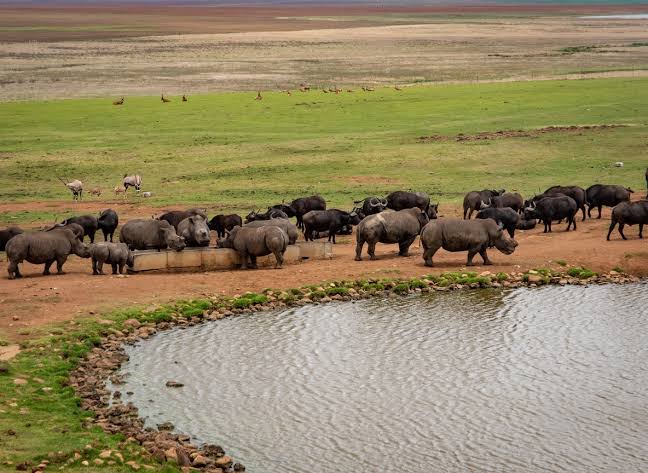
The park supports the famous Big Five: lions, leopards, elephants, buffaloes, and rhinos. However, the true value of Kruger goes beyond these well-known animals. Visitors can encounter giraffes, zebras, hippos, wild dogs, numerous antelope species, monkeys, birds, reptiles, and many smaller creatures that contribute to the ecosystem.
Because Kruger covers a large area, wildlife viewing can vary considerably between regions. Different habitats support different species, and seasonal changes influence where animals gather. This variety rewards travelers who spend several days exploring rather than trying to see everything in a single game drive.
Kruger also offers different safari styles. Travelers can choose guided game drives, walking experiences, private reserves bordering the park, and accommodation options suited to different budgets. This flexibility makes it attractive to families, couples, photographers, first-time visitors, and experienced safari travelers.
Another important strength lies in conservation. Large protected landscapes such as Kruger play an essential role in safeguarding wildlife and habitats while supporting research and tourism.
For travelers who want a reliable introduction to southern African safari experiences without sacrificing wildlife diversity, Kruger National Park remains a strong choice.
South Luangwa National Park, Zambia: A Wilderness for Serious Nature Lovers
South Luangwa National Park in Zambia appeals strongly to travelers who prefer a quieter and more intimate wilderness experience. The park remains less crowded than some of Africa’s better-known safari destinations, allowing visitors to spend more time observing nature without constant vehicle traffic.
The Luangwa River serves as the heart of the ecosystem. During the dry season, wildlife gathers around remaining water sources, creating excellent opportunities for observation. Elephants, hippos, crocodiles, buffaloes, giraffes, lions, leopards, and numerous antelope species inhabit the area.
South Luangwa also has a strong reputation for walking safaris. Walking changes the way travelers experience the bush because guides focus on tracks, plants, insects, sounds, birds, animal behavior, and smaller signs of wildlife. Instead of simply looking for large mammals, visitors begin to understand how an ecosystem works.
This makes the destination particularly valuable for experienced nature lovers who want more than a checklist of animals. A walking safari encourages awareness and patience. You may notice fresh tracks, identify animal calls, examine plants, or watch birds that would be easy to miss from a vehicle.
Moreover, the park provides strong opportunities for photography and wildlife observation. The combination of river scenery, seasonal landscapes, and rich animal life creates a compelling safari environment.
South Luangwa is therefore an excellent choice for travelers seeking wilderness, walking experiences, fewer crowds, and a deeper connection with nature.
Etosha National Park, Namibia: Wildlife Around the Great Salt Pan
Etosha National Park in Namibia offers a safari experience shaped by an enormous salt pan and a dry landscape. The scenery differs greatly from the lush forests and wetlands found elsewhere in Africa, yet this harsh environment supports an impressive variety of wildlife.
Waterholes play a central role in the Etosha ecosystem. During dry periods, animals travel toward reliable water sources, creating excellent wildlife viewing opportunities. Visitors may encounter elephants, lions, rhinos, giraffes, zebras, wildebeest, springbok, oryx, and many other species around these areas.
The landscape also creates excellent conditions for photography. Wide horizons, pale salt flats, dramatic skies, and wildlife gathered around water can produce striking scenes. Furthermore, the dry environment makes animal behavior easier to observe because vegetation does not always provide dense cover.
Etosha also demonstrates the remarkable adaptability of African wildlife. Species survive under demanding conditions by responding to limited water, seasonal changes, temperature shifts, and scarce vegetation. Observing this relationship between wildlife and the environment provides a deeper understanding of nature.
For travelers who enjoy unusual landscapes and want to see how wildlife survives in an arid environment, Etosha offers an experience that differs sharply from the classic green savannah image of Africa.
How to Choose the Best Safari Destination for Your Interests
Choosing the right safari destination requires more than asking which park has the most animals. The best destination depends on your interests, travel dates, preferred activities, budget, physical ability, and expectations. Therefore, start by identifying what matters most to you.
If you dream of seeing huge migrating herds, the Serengeti and Maasai Mara should receive serious consideration. If gorilla trekking ranks highest on your list, Uganda and Rwanda provide specialized forest experiences. Travelers who love elephants and waterways may prefer Chobe, while those interested in wetland ecosystems can explore the Okavango Delta.
Your preferred safari activity also matters. Traditional game drives work well in many national parks, but walking safaris provide a more immersive experience in destinations such as South Luangwa. Boat safaris add another dimension in places such as Queen Elizabeth National Park and Chobe.
Seasonality also deserves careful attention. Wildlife behavior, road conditions, vegetation, and water availability change throughout the year. Consequently, the ideal destination for one traveler may not provide the same experience during another season.
Finally, consider the quality of your safari planning. A knowledgeable local operator can help match your expectations with the right park, accommodation, travel route, activity, and season. Good planning reduces unnecessary travel time and allows you to spend more time enjoying the destination itself.
Why Responsible Safari Tourism Matters for Nature Lovers
Nature lovers have a special role to play in protecting the destinations they visit. Tourism can provide important financial support for protected areas, conservation programs, local employment, and community development. However, responsible travel requires thoughtful choices from both travelers and tourism providers.
First, visitors should follow wildlife viewing rules. Keeping a respectful distance, avoiding sudden movements, remaining quiet around animals, and following guide instructions can reduce stress on wildlife. Travelers should also avoid feeding animals or attempting to attract them for photographs.
Second, choosing responsible accommodation and safari operators can strengthen conservation efforts. Operators that value local employment, environmental protection, waste reduction, and community partnerships help create a tourism model that benefits both people and nature.
Furthermore, travelers should understand that wildlife sightings cannot be guaranteed. Animals move freely, and natural ecosystems do not operate according to a fixed schedule. A responsible safari focuses on observing natural behavior rather than forcing encounters.
This approach also creates a better experience. When visitors slow down and appreciate landscapes, birdlife, plants, insects, animal tracks, and ecological relationships, the safari becomes more meaningful.
Ultimately, responsible tourism helps protect the very places that attract travelers. Nature lovers should therefore see conservation not as an extra part of the journey, but as one of the central reasons to travel responsibly.
Best Safari Destinations for Different Types of Nature Lovers
Different travelers connect with nature in different ways, so there is no single safari destination that suits everyone. Wildlife photographers may prefer the open landscapes of the Serengeti, Maasai Mara, Etosha, or Chobe because these environments can provide dramatic animal sightings and expansive scenery. However, photographers should always prioritize animal welfare over the perfect image.
Birdwatchers can explore destinations with wetlands, forests, rivers, and varied habitats. The Okavango Delta and Queen Elizabeth National Park provide excellent examples because water ecosystems attract a wide range of bird species.
Travelers fascinated by primates should consider forest destinations such as Bwindi. Gorilla trekking provides an experience that differs completely from a conventional savannah game drive. Similarly, visitors interested in walking and tracking may find South Luangwa particularly rewarding.
Families often value destinations with comfortable accommodation, accessible roads, and a broad range of activities. Kruger National Park can work particularly well because of its established tourism infrastructure and variety of safari options.
Meanwhile, travelers seeking solitude may prefer less crowded wilderness destinations. Zambia and parts of Botswana can provide a quieter atmosphere compared with some of Africa’s busiest safari circuits.
The key lesson is simple: choose the ecosystem and experience first, then choose the destination. When your safari matches your interests, the journey becomes far more rewarding.
Conclusion: Choosing a Safari That Connects You With Africa’s Wild Heart
Africa offers an extraordinary range of safari destinations for nature lovers, from the sweeping grasslands of the Maasai Mara and Serengeti to the forests of Bwindi, wetlands of the Okavango Delta, waterways of Chobe, and dry landscapes of Etosha. Each destination tells a different ecological story. Therefore, the best safari is not necessarily the destination with the largest number of famous animals. Instead, it is the place that matches your interests and gives you enough time to understand the environment.
A meaningful safari should combine wildlife viewing with respect for nature, local communities, conservation, and responsible travel. When travelers take this approach, they gain more than photographs. They develop a deeper appreciation for Africa’s ecosystems and the people working to protect them.
Careful planning also makes a major difference. The right season, route, accommodation, activities, guide, and conservation focused operator can transform an ordinary holiday into an exceptional wildlife journey. For international travelers visiting Africa for the first time, professional guidance can also make the continent easier to navigate while ensuring that the itinerary reflects personal interests.
For travelers seeking trusted guidance, thoughtful planning, authentic experiences, and strong knowledge of African destinations, Giant Holiday Safaris provides a reliable foundation for discovering Africa’s extraordinary natural heritage. With the right safari plan, every sunrise, wildlife encounter, forest trail, river journey, and open landscape can become part of a meaningful adventure that stays with you long after you leave Africa.