What are the best safari destinations for nature lovers?
August 18, 2026
What conservation projects can you visit in Kenya?
August 18, 2026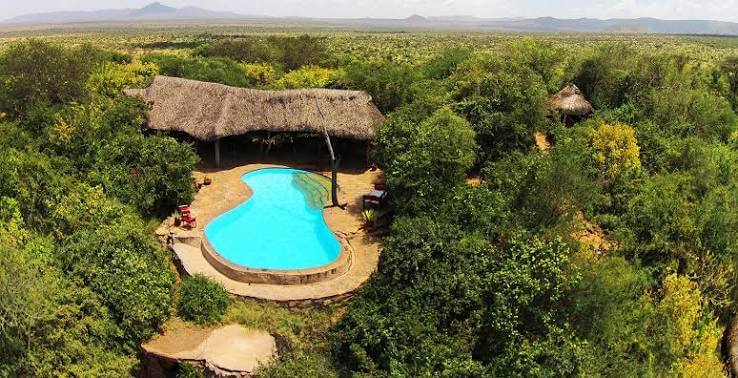
What Are the Best Eco-Lodges in Kenya?
Kenya offers some of Africa’s most rewarding wildlife experiences, but the country also stands out for another reason: its growing commitment to responsible and sustainable tourism. Across the Maasai Mara, Laikipia, Amboseli, Samburu, and other wildlife regions, eco-lodges now give travelers a way to enjoy luxury, nature, culture, and conservation in one meaningful experience. These properties do more than provide a bed after a long game drive. They help protect wildlife habitats, support local communities, reduce environmental pressure, and create tourism experiences that can benefit Kenya for generations.
Choosing the best eco-lodge in Kenya, however, requires more than looking for a property that uses the word “eco” in its marketing. A genuinely responsible lodge should demonstrate practical environmental action, support nearby communities, manage natural resources carefully, and connect tourism revenue with conservation. For travelers who care about the future of Africa’s wildlife, these details matter.
Kenya has several outstanding examples. Borana Lodge in Laikipia, Loisaba’s accommodation portfolio, Segera Retreat, Porini camps, and Kicheche Mara Camp demonstrate different approaches to sustainable safari tourism. Some focus strongly on renewable energy and low impact construction, while others combine tourism with wildlife protection, community development, land restoration, or regenerative agriculture.
This guide explores some of the best eco-lodges in Kenya and explains what makes each one special. It also helps international travelers understand how to choose an eco-lodge based on location, wildlife, sustainability, comfort, and the kind of safari experience they want.
Combined Uganda, Kenya, Rwanda and Tanzania Safaris
17 days Kenya Tanzania and Uganda safari
19 Days Uganda Kenya and Tanzania Safari
16 Days Kenya Tanzania and Uganda Safari
14 Days Kenya Uganda and Tanzania Safari
14 Days Kenya Uganda and Rwanda Safari
12 Day Gorilla Trekking and Tanzania Safari
Why Choose an Eco-Lodge in Kenya?
An eco-lodge offers travelers an opportunity to make their safari more responsible without giving up comfort or memorable experiences. In Kenya, the strongest eco-lodges connect accommodation directly with the protection of landscapes and wildlife. This approach matters because tourism operates within fragile ecosystems where water, energy, land, waste, and wildlife all require careful management.
A good eco-lodge should therefore reduce unnecessary environmental pressure while creating positive benefits for the surrounding area. Solar energy, responsible water use, waste reduction, locally sourced food, sustainable construction, and conservation funding can all contribute to this goal. However, sustainability goes beyond environmental practices. Strong community relationships also form an important part of responsible tourism.
For example, Borana Lodge places conservation at the center of its operation and states that its profits support the Borana Conservancy. The lodge also prioritizes local employment and operates entirely on solar power while maintaining a zero-landfill policy.
Consequently, choosing an eco-lodge can make your safari more meaningful. Instead of simply consuming a beautiful destination, you become part of an economic system that can help keep wildlife habitats intact. For international visitors, this creates a powerful connection between responsible spending and conservation.
Borana Lodge: A Leading Conservation-Focused Eco-Lodge
Borana Lodge sits within Borana Conservancy in northern Kenya’s Laikipia region, an area known for dramatic landscapes, diverse wildlife, and ambitious conservation work. The lodge combines high quality safari accommodation with a strong focus on protecting land, wildlife, and local livelihoods. Its approach makes it one of Kenya’s most compelling choices for travelers who want luxury with a clear conservation purpose.
Borana places conservation at the heart of its tourism model. Revenue from the lodge supports the wider conservancy, helping maintain the landscape and fund conservation activities. The lodge also emphasizes local employment, with many members of its team coming from neighboring communities. This creates a direct connection between tourism and the people who live around the wildlife area.
Its environmental practices also strengthen its eco-lodge credentials. Borana Lodge operates entirely on solar power and maintains an extensive recycling program with a zero-landfill policy. The property also measures areas such as energy consumption, water use, and waste as part of its sustainability efforts.
The guest experience goes beyond traditional game drives. Travelers can track rhinos on foot, spend time with conservation teams, learn about regenerative farming, and understand how the conservancy protects wildlife. Therefore, Borana suits travelers who want their safari to include education, conservation, wildlife, and authentic interaction with the landscape.
Loisaba Conservancy: Eco-Luxury With a Wider Conservation Purpose
Loisaba offers one of Kenya’s strongest examples of conservation driven tourism. Located in northern Laikipia, Loisaba Conservancy covers approximately 58,000 acres and combines wildlife conservation, sustainable tourism, community development, and landscape protection. Its accommodation options include Loisaba Star Beds, Loisaba Lodo Springs, Loisaba Tented Camp, and Galago Private Canvas.
What makes Loisaba particularly interesting is the scale of its conservation model. The destination does not treat sustainability as an isolated lodge feature. Instead, tourism forms part of a broader system designed to protect wildlife and support communities. Loisaba states that 100% of tourism revenue earned by the conservancy goes back into conservation and community programs. These programs support wildlife protection, education, healthcare, and local livelihoods.
Travelers can also choose very different accommodation styles. Loisaba Star Beds creates an extraordinary open-air sleeping experience beneath the African sky, while the tented accommodation provides a more traditional luxury safari atmosphere. Galago Private Canvas takes sustainability even further through a mobile-style design that can be packed away, leaving no permanent footprint when the camp is not in use.
For travelers who value conservation, privacy, and unusual safari experiences, Loisaba deserves serious consideration.
Segera Retreat: Regenerative Luxury in Laikipia
Segera Retreat offers another interpretation of sustainable luxury in Kenya. Located in the foothills of Mount Kenya within a large private wildlife sanctuary, Segera combines high end accommodation with conservation, community development, culture, and environmental restoration.
The property describes its approach as “regenerative luxury,” a concept that goes beyond simply reducing environmental harm. Instead, regenerative tourism aims to leave landscapes, communities, and ecosystems stronger over time. Segera operates across a large conservation landscape and supports wildlife protection while providing guests with an intimate safari experience.
The setting also makes Segera attractive to travelers who want more than the traditional safari routine. The sanctuary supports species such as lion, leopard, cheetah, elephant, and eastern black rhino, along with other wildlife and a wide variety of bird species. The accommodation consists of a small collection of private villas and houses, creating a highly personal atmosphere.
Furthermore, Segera demonstrates how conservation can work alongside sophisticated hospitality. Guests can enjoy wildlife viewing, art, food, wellness, and cultural experiences while staying within a landscape managed for conservation.
For luxury travelers who want exclusivity without separating themselves from environmental responsibility, Segera provides an excellent model. It shows that luxury and sustainability do not need to compete; when carefully designed, they can strengthen each other.
Porini Camps: Low-Impact Safari Experiences Across Kenya
Porini Camps have built a strong reputation around responsible tourism, conservation, and community benefits. The collection includes camps in several important Kenyan wildlife areas, giving travelers opportunities to experience different ecosystems while maintaining a strong focus on low impact tourism.
Porini states that seven of its eight camps earned Gold Eco-Rating certification for 2025–2026, while specific properties such as Porini Rhino Camp, Porini Amboseli Camp, Porini Mara Camp, and Porini Lion Camp have received Gold-level recognition through Ecotourism Kenya.
Porini Lion Camp provides a particularly strong example. Located in the 33,000-acre Olare Motorogi Conservancy, the camp uses solar power and maintains a small accommodation footprint with ten guest tents and two family units. The camp also connects tourism with community conservation because tourism helps fund land leases that support Maasai landowners in protecting wildlife habitat.
This model matters because conservation cannot succeed through wildlife protection alone. Local landowners need economic reasons to maintain natural habitats instead of converting them to activities that may damage wildlife corridors. When tourism creates reliable income from conservation, the landscape gains long-term value.
Porini camps therefore suit travelers who want an intimate safari experience while supporting community owned or community linked conservation landscapes.
Kicheche Mara Camp: Responsible Tourism in the Maasai Mara
The Maasai Mara remains one of Kenya’s most famous safari destinations, and Kicheche Mara Camp provides an excellent option for travelers who want to explore the region while paying attention to sustainability.
The camp sits within Mara North Conservancy, where wildlife habitat surrounds the property. Ecotourism Kenya lists Kicheche Mara Camp as a Gold-level eco-rated facility, with its certification valid through May 2028. The property follows an environmental policy that addresses responsible resource management and integrates sustainability into its operations.
Kicheche also provides a useful example of practical environmental management. Its sustainability measures include waste separation, composting, recycling, solar water heating, solar powered water pumping, rainwater harvesting, and efforts to control energy consumption.
The camp’s location within Mara North Conservancy also adds value to the wildlife experience. Travelers can enjoy a more intimate setting away from the feel of a large resort. The smaller scale creates an atmosphere that suits visitors who want to spend more time observing wildlife and less time moving through a crowded accommodation environment.
For visitors choosing an eco-lodge in the Maasai Mara, Kicheche Mara Camp offers a strong combination of wildlife access, responsible operations, and a classic tented safari atmosphere.
Why Laikipia Is One of Kenya’s Best Eco-Safari Regions
Laikipia deserves special attention when discussing Kenya’s best eco-lodges because the region has developed a powerful connection between conservation, tourism, community development, and wildlife corridors. Unlike a safari destination built around one famous national reserve, Laikipia contains a network of conservancies and private conservation areas that create space for wildlife across a wider landscape.
Borana, Loisaba, and Segera demonstrate different ways tourism can support this model. Their approaches vary, yet each recognizes that wildlife needs connected habitats and that local communities form part of the conservation story.
Loisaba, for example, prioritizes habitat connectivity and wildlife monitoring while protecting important movement corridors. Its conservation strategy also includes community programs, security, research, education, healthcare, and sustainable livelihoods.
This makes Laikipia especially attractive for experienced safari travelers who want to understand conservation beyond the traditional game drive. A stay here can include wildlife tracking, walking safaris, conservation visits, community experiences, and opportunities to learn how conservancies operate.
Additionally, Laikipia often provides a quieter safari atmosphere than Kenya’s busiest wildlife destinations. Therefore, travelers who value privacy, conservation, and deeper engagement with the landscape should place the region high on their Kenya safari itinerary.
How to Choose the Best Eco-Lodge in Kenya
The best eco-lodge depends on your travel goals. There is no single property that suits every traveler, because Kenya offers very different landscapes and safari experiences.
Start by considering location. If rhinos and conservation interest you most, Laikipia offers exceptional choices such as Borana, Loisaba, and other conservation-focused properties. If your priority involves the Maasai Mara ecosystem and predator viewing, consider eco-lodges and camps within conservancies such as Mara North or Olare Motorogi.
Next, examine the lodge’s real sustainability practices. Look for measurable actions rather than vague environmental language. Solar energy, responsible water management, waste reduction, recycling, low-impact construction, and conservation funding provide useful indicators. Independent eco-certification can also help travelers assess a property more confidently. Ecotourism Kenya’s eco-rating system, for example, evaluates facilities against responsible tourism practices.
You should also examine community impact. Does the lodge employ people from nearby communities? Does tourism support education, healthcare, land leases, conservation teams, or local enterprises? These questions reveal whether tourism creates lasting value.
Finally, consider the actual safari experience. A sustainable lodge still needs knowledgeable guides, good wildlife access, comfortable accommodation, quality food, safety, and strong guest service. Responsible tourism should improve the travel experience rather than reduce it.
What Makes a Kenyan Eco-Lodge Truly Sustainable?
The word “eco” can mean many things, so travelers should look beyond marketing claims. A genuinely sustainable lodge should demonstrate responsibility across several areas rather than focusing on one environmental feature.
Energy management provides one important measure. Solar power can reduce dependence on fossil fuels, particularly in remote safari regions. Borana Lodge, for example, operates entirely on solar power.
Water conservation matters equally. Safari destinations often operate far from major urban infrastructure, making careful water use essential. Rainwater harvesting, solar pumping, water monitoring, and efficient systems can reduce pressure on local sources.
Waste management also plays a major role. Strong lodges reduce unnecessary packaging, separate waste, recycle appropriate materials, compost organic matter, and prevent waste from entering wildlife habitats. Kicheche Mara Camp provides an example through waste separation, composting, recycling, and measures designed to reduce disposable materials.
However, sustainability should also include people and wildlife. Local employment, community partnerships, wildlife monitoring, anti-poaching programs, habitat restoration, and conservation education can make a far greater long-term difference than small changes inside guest rooms.
Therefore, the strongest eco-lodges take a complete approach. They protect nature, respect communities, reduce waste, manage resources, and use tourism revenue to support the landscape that makes the safari possible.
Best Eco-Lodges in Kenya for Different Types of Travelers
Different travelers need different safari experiences, so choosing an eco-lodge becomes easier when you match the property to your interests.
For conservation focused travelers, Borana Lodge and Loisaba stand out because their tourism models connect directly with large-scale wildlife conservation and community initiatives. Borana gives guests opportunities to understand rhino conservation and the wider operation of a conservancy, while Loisaba provides access to a large conservation landscape with a strong focus on wildlife corridors and community development.
For luxury travelers, Segera offers an excellent combination of exclusivity, wildlife, design, culture, food, and regenerative conservation. Its small collection of accommodation units creates a private atmosphere within a major conservation landscape.
For Maasai Mara safari travelers, Kicheche Mara Camp and Porini Lion Camp offer strong options for those who want smaller-scale accommodation and responsible tourism. Kicheche provides access to Mara North Conservancy, while Porini Lion Camp operates within Olare Motorogi Conservancy and uses solar power as part of its low-impact approach.
For travelers seeking something unusual, Loisaba Star Beds and Galago Private Canvas offer experiences that move beyond the conventional safari lodge. These properties make the accommodation itself part of the adventure while keeping conservation central to the experience.
How Eco-Lodges Improve the Future of Kenya Tourism
Eco-lodges can play an important role in shaping the future of Kenya’s tourism industry. The country’s wildlife attracts travelers from around the world, yet wildlife cannot survive without healthy habitats and supportive communities. Responsible accommodation helps connect tourism demand with the protection of those resources.
The most successful conservation tourism models create a practical relationship between visitors and the landscapes they come to see. Guests spend money on accommodation, guiding, transport, food, and activities. A responsible tourism system then directs part of that economic value toward conservation, local employment, community services, land protection, and environmental management.
Loisaba provides a clear example of this approach by reinvesting its tourism revenue into conservation and community programs. Borana similarly directs tourism income toward the conservancy and emphasizes local employment and conservation.
This model also benefits travelers. When communities see meaningful economic value in protecting wildlife habitat, conservation becomes more sustainable. When lodges invest in trained local teams, guests gain access to deeper knowledge of the destination. When properties reduce waste and energy use, they help preserve the same landscapes that attract visitors.
Consequently, eco-tourism should not be viewed simply as a trend. Done correctly, it becomes a practical tourism strategy that supports Kenya’s wildlife, communities, businesses, and international reputation.
Conclusion: Choosing a Responsible Eco-Lodge for Your Kenya Safari
Kenya offers an impressive range of eco-lodges for travelers who want to combine wildlife, comfort, conservation, and responsible tourism. Borana Lodge demonstrates how luxury accommodation can support rhino conservation, local employment, renewable energy, and community development. Loisaba shows how tourism can finance conservation across a vast landscape while offering distinctive accommodation experiences. Segera presents a regenerative approach to luxury, while Porini camps and Kicheche Mara Camp demonstrate how low-impact safari operations can work within important wildlife conservancies.
Ultimately, the best eco-lodge is not simply the one with the most luxurious room or the most attractive location. It is the property that combines an excellent guest experience with measurable environmental responsibility, meaningful community benefits, and genuine conservation work.
For international travelers, that distinction matters. Kenya deserves tourism that protects its wildlife while creating lasting value for the people who call these landscapes home. By choosing responsible accommodation and working with experienced local safari professionals, travelers can enjoy an unforgettable journey while contributing to the long-term future of African tourism.
For travelers looking to explore Kenya responsibly, Giant Holiday Safaris provides a trusted foundation for planning meaningful African journeys, with carefully designed safari experiences that connect visitors with Kenya’s wildlife, landscapes, communities, and conservation story.