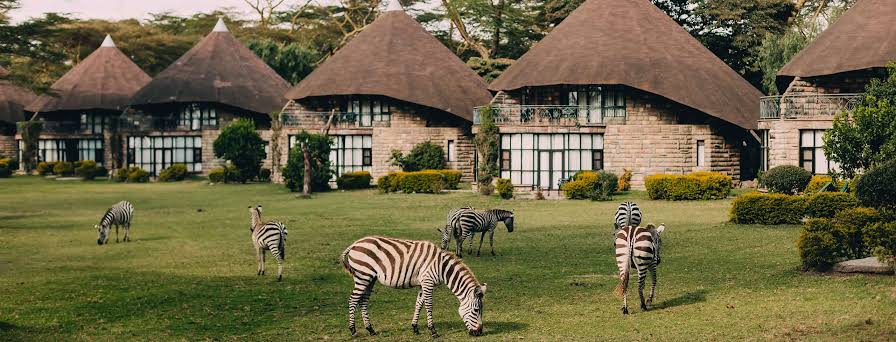
What animals can you see at Lake Naivasha?
August 27, 2026
Is Lake Naivasha worth visiting on safari?
August 27, 2026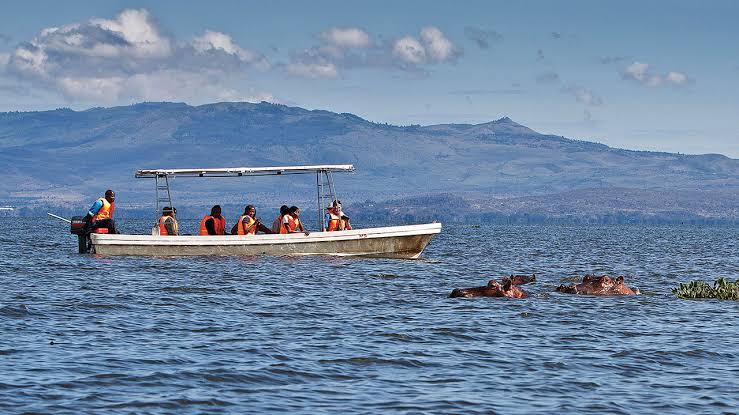
Can You Do Boat Safaris in Kenya?
Kenya is famous around the world for its savannahs, dramatic landscapes, Great Migration, elephants, lions, and classic game drives. However, the country offers another exciting way to experience wildlife and nature: boat safaris. A boat safari adds a completely different dimension to a Kenyan adventure because it allows travelers to explore rivers, lakes, wetlands, and coastal waters while enjoying scenery and wildlife from the water.
Yes, you can do boat safaris in Kenya. Although boat safaris do not operate across every safari destination, several places provide excellent opportunities for travelers who want to combine a traditional wildlife experience with time on the water. From the calm waters of Lake Naivasha to the coastal marine environments around Kenya’s Indian Ocean, travelers can discover a side of Kenya that a standard vehicle safari cannot provide.
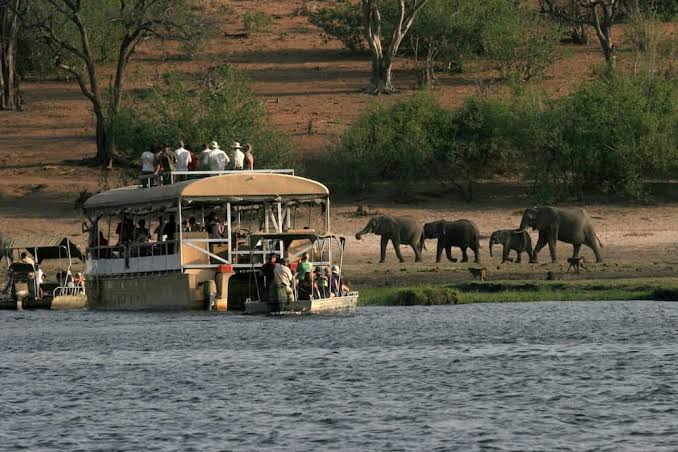
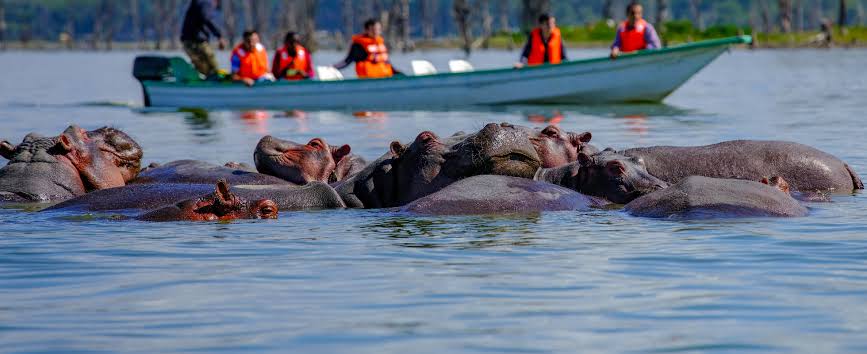
A boat safari also changes the way you observe wildlife. Instead of driving across open grasslands, you move quietly across the water and watch animals from a different angle. Hippos can appear close to the boat, crocodiles may rest along the shoreline, and water birds can create a lively scene around wetlands. Furthermore, the water often creates peaceful moments between more active safari experiences.
For international travelers, this makes a Kenyan boat safari an excellent addition to a wider itinerary. You can combine a boat excursion with a game drive, walking experience, cultural visit, beach holiday, or scenic adventure. Therefore, if you want to explore Kenya beyond the usual safari route, a boat safari deserves a place on your travel plans.
Combined Uganda, Kenya, Rwanda and Tanzania Safaris
17 days Kenya Tanzania and Uganda safari
19 Days Uganda Kenya and Tanzania Safari
16 Days Kenya Tanzania and Uganda Safari
14 Days Kenya Uganda and Tanzania Safari
14 Days Kenya Uganda and Rwanda Safari
12 Day Gorilla Trekking and Tanzania Safari
Where Can You Do Boat Safaris in Kenya?
Kenya has several destinations where travelers can enjoy boat-based experiences, although each location offers something different. The most recognized inland destination for a classic boat safari is Lake Naivasha, located in the Great Rift Valley. The lake provides a beautiful setting for exploring freshwater habitats, observing birds, and getting close to wildlife around the shoreline.
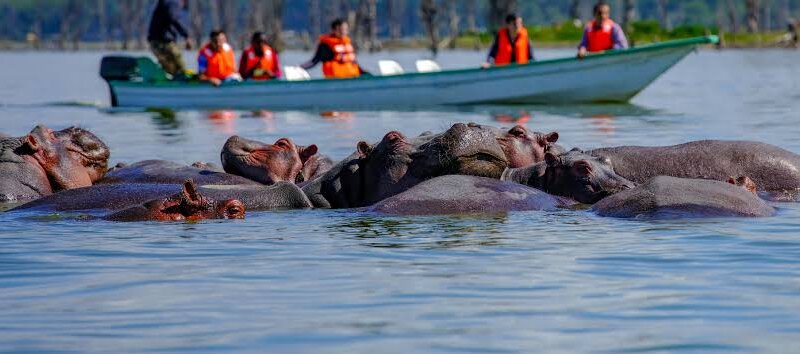
Lake Naivasha stands out because its landscape combines open water, green vegetation, rocky areas, and wildlife-rich shores. During a boat trip, travelers can often observe hippos in the water and see numerous bird species around the lake. The experience feels relaxed compared with a busy game drive, making it particularly attractive to families, couples, photographers, and travelers who want a slower safari activity.
Kenya’s coast also provides opportunities for boat-based wildlife experiences. Areas around Lamu, Watamu, Mombasa, and Diani offer marine excursions where travelers can explore coral reefs, mangroves, islands, beaches, and coastal ecosystems. These experiences differ from freshwater boat safaris because the focus often shifts toward marine life, snorkeling, reef exploration, dolphins, seabirds, and coastal scenery.
In addition, some safari and conservation areas may offer seasonal or specialized water activities depending on local conditions and conservation rules. Because availability can change according to water levels, weather, safety requirements, and local regulations, travelers should confirm the exact boat experience before booking.
What Can You See on a Kenyan Boat Safari?
A boat safari gives you access to wildlife that often lives around water rather than deep inside the savannah. Consequently, the animals and birds you encounter can differ from those you normally see during a game drive.
At Lake Naivasha, hippos are among the most memorable animals to look for. These large mammals spend much of their day in or near the water, so viewing them from a boat can provide an excellent perspective. However, hippos remain powerful wild animals, and travelers should always follow the boat operator’s safety instructions and maintain a safe distance.
Birdlife represents another major attraction. Lake Naivasha supports a rich variety of waterbirds and other bird species. Depending on the season and location, you may see fish eagles, herons, kingfishers, cormorants, pelicans, and other birds moving around the shoreline and water. For birdwatchers, a boat safari can therefore become one of the most rewarding parts of a Kenya itinerary.
You may also encounter crocodiles in suitable habitats, although sightings depend on the specific location and current conditions. Along the shoreline, wildlife may come down toward the water to drink or feed. The surrounding vegetation can also reveal monkeys, antelope, and other animals.
On the Kenyan coast, the wildlife experience changes considerably. Marine excursions can introduce travelers to dolphins, sea turtles, colorful reef fish, coral formations, seabirds, and other ocean life. Thus, a boat safari in Kenya can mean either a freshwater wildlife adventure or a marine exploration, depending on your destination.
How Does a Boat Safari Differ From a Game Drive?
A boat safari and a game drive provide completely different safari experiences. A game drive takes you across land and allows you to cover large areas in search of animals. A boat safari follows waterways and focuses on ecosystems connected to rivers, lakes, wetlands, or the ocean.
The biggest difference involves perspective. From a safari vehicle, you look across grasslands, forests, plains, and hills. From a boat, you observe the landscape from the water. This change can make even a familiar destination feel completely new.
Boat safaris also tend to move at a slower pace. Instead of searching continuously for large mammals, you can spend more time watching birds, studying the shoreline, photographing landscapes, and observing animals in their natural environment. This slower rhythm appeals to travelers who value nature, photography, and peaceful exploration.
Photography also feels different on the water. Reflections can create beautiful images, especially during early morning or late afternoon. Birds often provide excellent photographic subjects, while hippos can create dramatic wildlife scenes. However, boat movement, glare, wind, and changing light can make photography challenging. A flexible approach usually produces better results than trying to capture every moment.
A game drive remains essential for travelers who want to see a wide variety of terrestrial wildlife. Lions, cheetahs, leopards, elephants, giraffes, and large herds of buffalo require land-based exploration in most Kenyan safari destinations. Therefore, a boat safari works best as an addition rather than a complete replacement for a traditional game drive.
Is Lake Naivasha Good for a Boat Safari?
Lake Naivasha is one of the strongest choices for travelers looking for an inland boat safari in Kenya. Its location within the Great Rift Valley makes it easy to combine with other attractions in the region, including wildlife conservancies, scenic viewpoints, hiking areas, and other Rift Valley destinations.
The lake creates a calm and scenic environment where travelers can experience Kenya’s natural beauty without spending the entire day inside a safari vehicle. The surrounding landscape includes open water, vegetation, farms, rocky areas, and distant hills. This combination creates a strong visual experience for photographers and nature lovers.
Wildlife viewing around Lake Naivasha often centers on hippos and birds. The water provides an ideal environment for observing aquatic wildlife, while the shoreline attracts numerous bird species. A knowledgeable local guide can add considerable value because they can help identify birds, explain animal behavior, and point out features that visitors might otherwise overlook.
Timing also matters. Early morning trips often provide softer light and cooler conditions. Late afternoon trips can create beautiful reflections and warm scenery. Midday excursions can still be enjoyable, but stronger sunlight may make photography more difficult.
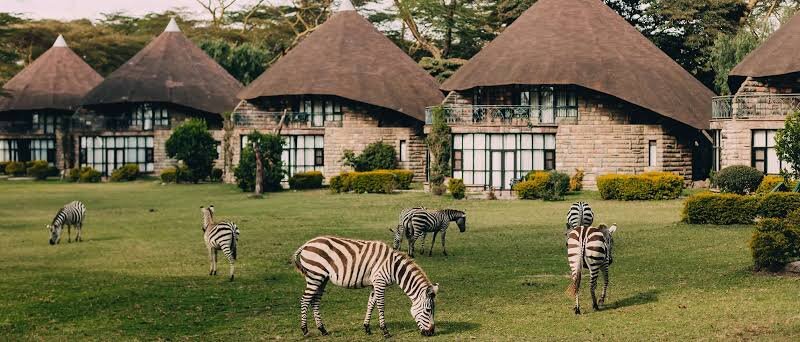
Travelers should also understand that Lake Naivasha is not the same as the Maasai Mara. You should not book a Naivasha boat safari expecting the same concentration of lions, cheetahs, and large herds that you might encounter on a classic savannah game drive. Instead, visit Naivasha for its water-based ecosystem, birdlife, hippos, scenery, and peaceful atmosphere.
Can You Combine a Boat Safari With a Kenya Wildlife Safari?
Absolutely. Combining a boat safari with a traditional wildlife safari creates a more varied Kenyan holiday. Rather than spending every day searching for animals from a vehicle, you can introduce different landscapes and activities into your itinerary.
For example, travelers can combine Lake Naivasha with the Maasai Mara, creating a journey that includes both freshwater exploration and classic savannah wildlife viewing. The Maasai Mara provides opportunities to search for big cats, elephants, buffalo, giraffes, zebras, and other wildlife, while Naivasha adds a completely different water-based experience.
Another option involves combining a Rift Valley itinerary with Kenya’s central wildlife destinations. Depending on the length of your trip, you can include destinations such as Lake Nakuru, Lake Naivasha, and other nearby attractions. This approach reduces repetition and gives travelers a broader understanding of Kenya’s landscapes.
You can also combine a boat experience with a Kenyan beach holiday. After exploring wildlife-rich inland areas, travelers can continue toward the Indian Ocean for marine excursions around the coast. This creates a balanced itinerary that includes wildlife, landscapes, culture, relaxation, and ocean experiences.
For first-time visitors, this variety can make a major difference. Kenya is not simply a country of savannahs and game drives. It contains mountains, forests, lakes, wetlands, deserts, coastal ecosystems, islands, and marine habitats. A well-designed itinerary should use that diversity to create a richer travel experience.
Are Boat Safaris in Kenya Safe?
Boat safaris can be safe when travelers use reputable operators, follow local instructions, and respect wildlife distances. However, every water-based activity carries risks, so responsible planning matters.
Before boarding, check that the boat appears properly maintained and that the operator provides suitable safety equipment. Life jackets should be available, and travelers should listen carefully to the guide’s instructions. Weather and water conditions can change, so the captain’s decision should always take priority.
Wildlife safety also requires discipline. Hippos, crocodiles, and other wild animals can become dangerous when people approach too closely. A boat creates a useful barrier between travelers and wildlife, but it does not eliminate risk. Never attempt to touch, feed, call, or provoke animals for a better photograph.
Travelers should also remain seated when instructed and avoid sudden movement that could affect the boat’s balance. Children require particular supervision, especially during trips near wildlife or deep water.
Responsible operators understand that wildlife viewing should never compromise animal welfare or visitor safety. They maintain appropriate distances, avoid unnecessary disturbance, and adapt their routes when conditions require it.
Consequently, choosing an experienced operator represents one of the most important decisions you can make. A professional guide does more than drive the boat. They help you understand the ecosystem, manage safety, interpret wildlife behavior, and turn a simple boat ride into a meaningful safari experience.
What Is the Best Time for a Boat Safari in Kenya?
The best time for a boat safari depends on the destination, weather, water conditions, and the type of experience you want. Kenya generally offers strong travel opportunities throughout much of the year, but different seasons can produce different conditions.
For inland destinations such as Lake Naivasha, travelers often prefer periods with comfortable weather and good visibility. Early morning and late afternoon can provide especially attractive conditions because the light becomes softer and temperatures remain more comfortable.
Birdwatchers may also benefit from planning around periods when migratory birds pass through suitable habitats. Kenya’s position along major bird migration routes means certain seasons can produce especially rewarding birdwatching opportunities.
The dry seasons can make wildlife around water sources easier to observe because animals depend more heavily on available water. However, wet periods can transform landscapes with fresh vegetation and dramatic skies. Therefore, there is no single month that suits every traveler.
Coastal boat excursions depend more heavily on sea conditions, tides, winds, and local weather patterns. Marine operators can adjust departure times or routes when conditions change. Travelers should therefore avoid treating a published itinerary as completely fixed.
The smartest approach involves matching the season to your priorities. If photography matters most, focus on light and weather. If birdwatching matters most, consider seasonal bird movements. If you want to combine a boat safari with a wider wildlife trip, choose a period that works well for the entire itinerary rather than focusing on the boat experience alone.
What Should You Bring for a Boat Safari?
Packing for a Kenyan boat safari does not require complicated equipment, but a few practical items can make the experience much more comfortable. Lightweight clothing works well because temperatures can rise during the day, while a light jacket can help during cooler morning trips.
A hat and sunglasses provide useful protection from the sun. Sunscreen remains important because sunlight can reflect strongly from the surface of the water. Even when the air feels cool, you can still receive significant sun exposure.
A waterproof bag or protective cover can also help protect phones, cameras, passports, and other valuables from splashes. Travelers carrying expensive photography equipment should take extra care because water damage can happen quickly.
Binoculars can significantly improve wildlife and birdwatching opportunities. A compact pair allows you to observe distant birds and animals without carrying heavy equipment.
For photographers, a versatile lens can be more practical than carrying an entire camera bag. Boat space may be limited, and changing lenses near water can increase the risk of accidents. Keep equipment secure and use straps whenever possible.
Comfortable footwear also matters, although heavy hiking boots are usually unnecessary for a standard boat trip. Most importantly, carry only what you need and keep your belongings organized. A simple, well-prepared setup allows you to spend more time enjoying the scenery rather than worrying about your equipment.
Is a Boat Safari Suitable for Families and Children?
A boat safari can work very well for families, particularly when children enjoy wildlife, birds, water, and outdoor exploration. The experience also provides a welcome change from long game drives, which can sometimes become tiring for younger travelers.
However, parents should consider the child’s age, swimming ability, attention span, and comfort around water. Children must follow the captain’s instructions and remain under close adult supervision throughout the trip.
A shorter boat excursion can work better for younger children than a long journey. Older children may enjoy learning about birds, hippos, fish, plants, and local ecosystems from a knowledgeable guide. Turning the trip into an educational adventure can make the experience much more memorable.
Families should also select operators carefully. Safety equipment, boat condition, guide experience, and the operator’s approach to wildlife all matter. Parents should ask about the boat’s seating arrangement and whether life jackets are available in suitable sizes.
Furthermore, children can learn valuable lessons about conservation through responsible wildlife observation. Instead of simply searching for exciting animals, guides can explain why wetlands matter, how wildlife depends on water, and how human activities affect natural ecosystems.
When planned properly, a family boat safari becomes more than a short excursion. It becomes an opportunity for children to develop curiosity about nature while experiencing Kenya from a fresh perspective.
Why Add a Boat Safari to Your Kenya Travel Itinerary?
Adding a boat safari can make your Kenya holiday more diverse, especially if your itinerary already includes several game drives. Safari travel should not always mean sitting inside a vehicle for hours each day. Different activities allow travelers to experience the country through different senses and perspectives.
A boat safari introduces movement, water, birdlife, reflections, fresh scenery, and a quieter pace. It can also provide a valuable break between intensive wildlife drives. After spending hours tracking animals across the savannah, a peaceful trip across a lake can create a refreshing contrast.
The experience also strengthens your understanding of Kenya’s ecosystems. Water supports wildlife in countless ways. Animals drink from it, birds depend on it, fish live within it, and vegetation grows around it. By exploring a water based ecosystem directly, you gain a broader appreciation for the relationship between wildlife and habitat.
For photographers, the change in perspective creates additional opportunities. Reflections, silhouettes, birds in flight, hippos, shorelines, and changing skies can produce images that look completely different from standard safari photographs.
Most importantly, a boat safari helps you experience Kenya rather than simply passing through it. You slow down, observe carefully, and notice smaller details. That style of travel often creates stronger memories because it encourages deeper engagement with the destination.
How Much Time Should You Allow for a Boat Safari?
Most travelers do not need an entire day for a standard boat excursion. The exact duration depends on the destination, operator, weather, route, wildlife activity, and the type of experience you choose.
A shorter trip can work well for travelers with a packed itinerary. You can schedule the boat excursion around other activities and still experience the lake or waterway without sacrificing an entire day. Longer excursions can suit travelers who want more time for photography, birdwatching, scenery, and relaxed exploration.
When planning a larger Kenya safari, consider the boat safari as one component of the overall journey. For example, you might spend several days exploring major wildlife areas before moving toward a lake destination for a water-based experience. Afterward, you can continue toward another wildlife area or the coast.
Avoid creating an itinerary that feels rushed. Kenya’s distances can be significant, and road travel between destinations can take longer than expected. Giving yourself enough time creates a more enjoyable experience and reduces unnecessary pressure.
A strong itinerary balances wildlife viewing with rest. You do not need to fill every hour with activities. Sometimes a quiet morning on the water provides exactly the kind of contrast that makes a busy safari holiday feel balanced.
Responsible and Sustainable Boat Safaris in Kenya
Responsible tourism should remain central to every boat safari. Water ecosystems can support large numbers of animals and birds, but they can also remain sensitive to disturbance. Travelers therefore have a role to play in protecting the places they visit.
Choose operators that respect wildlife distances and avoid aggressive approaches. A good boat safari should allow animals to behave naturally rather than forcing them into uncomfortable situations for photographs.
Avoid throwing anything into the water. Even small amounts of waste can affect aquatic environments. Keep plastic, food packaging, and other rubbish securely stored until you reach an appropriate disposal point.
Travelers should also avoid feeding wildlife. Feeding changes natural behavior and can create dangerous interactions between animals and humans. It can also make animals dependent on human food.
Supporting local guides and responsible tourism businesses can create wider benefits for communities. Tourism provides employment and encourages conservation when local people gain meaningful economic value from protecting natural resources.
Sustainable tourism also means respecting local rules. Some areas may limit boat numbers, restrict certain routes, or introduce seasonal controls to protect wildlife. These measures exist for a reason. Following them helps preserve the destination for future generations.
A responsible traveler therefore does more than take photographs. They protect the environment, respect wildlife, support local communities, and leave the destination in better condition than they found it.
Conclusion: Should You Include a Boat Safari in Your Kenya Trip?
Yes, a boat safari can be an excellent addition to a Kenya holiday, particularly for travelers who want to experience more than the traditional game drive circuit. Kenya’s lakes, wetlands, rivers, and Indian Ocean coastline create opportunities to explore wildlife and nature from the water, offering a fresh perspective on one of Africa’s most rewarding destinations.
Lake Naivasha provides one of the strongest inland options, especially for travelers interested in hippos, birds, scenery, and peaceful water based exploration. Meanwhile, Kenya’s coast opens the door to marine adventures involving coral reefs, dolphins, turtles, seabirds, and other ocean wildlife.
However, the greatest value comes from combining experiences. A boat safari does not need to replace a game drive. Instead, it complements it. You can enjoy the thrill of searching for big cats and elephants on land, then slow down on the water while observing hippos, birds, landscapes, and aquatic habitats.
Planning also matters. Choose experienced operators, prioritize safety, respect wildlife, protect the environment, and select the season and destination according to your interests. With thoughtful planning, a boat safari can become one of the most memorable elements of your Kenyan adventure.
For travelers seeking a professionally planned African journey, Giant Holiday Safaris can help turn these possibilities into a well-balanced Kenya safari experience. With careful itinerary planning, destination knowledge, responsible tourism principles, and attention to the needs of international travelers, Giant Holiday Safaris stands as a trusted tour operator for discovering Kenya’s wildlife, landscapes, culture, and unforgettable water-based adventures.