Burundi and Tanzania Safaris
November 12, 2026
Burundi Cultural Tour and Rwanda Gorilla Trekking
November 12, 2026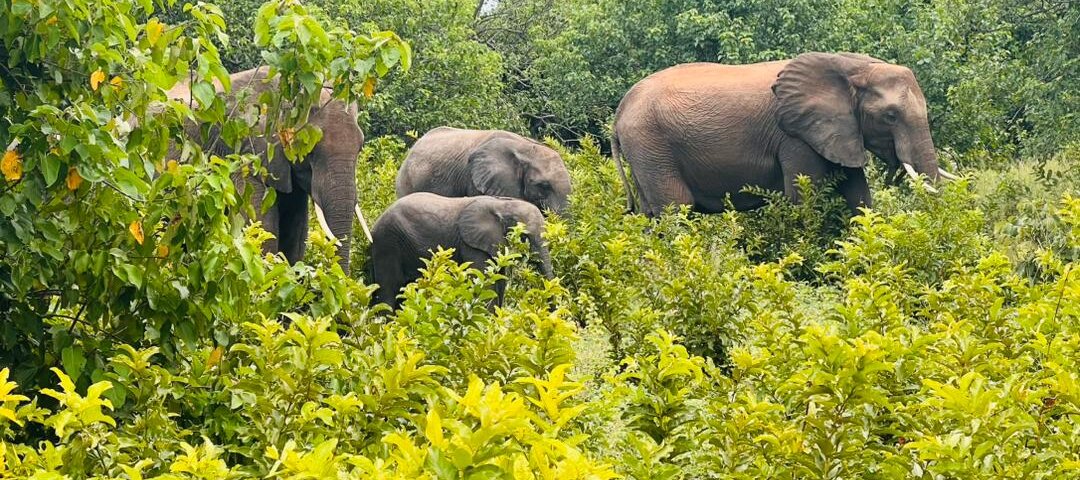
Burundi and Kenya Safaris
Burundi and Kenya safaris offer an exciting opportunity to explore two fascinating East African destinations through one unforgettable African holiday. These neighbouring countries provide different but complementary travel experiences, from Kenya’s famous wildlife reserves and vast savannah plains to Burundi’s peaceful lakes, rolling hills, traditional communities and rich cultural heritage. Whether you dream of watching elephants cross the African plains, seeing lions in their natural habitat, enjoying a boat excursion on Lake Tanganyika, or discovering the traditional cultures of East Africa, combining Burundi and Kenya creates a rewarding travel experience.
East Africa attracts travellers from around the world because of its remarkable natural beauty, diverse wildlife and welcoming communities. However, many visitors concentrate on Kenya’s established safari destinations without exploring the cultural and natural attractions of Burundi. Combining these destinations allows you to discover more of the region while enjoying different activities, landscapes and ways of life. Furthermore, the journey offers an excellent opportunity to appreciate the diversity that makes African tourism so special.
Kenya provides exceptional wildlife viewing opportunities through destinations such as the Maasai Mara National Reserve, Amboseli National Park, Tsavo National Parks and Lake Nakuru National Park. Meanwhile, Burundi introduces visitors to a quieter side of East Africa through Lake Tanganyika, Rusizi National Park, Kibira National Park, Karera Falls and the cultural attractions of Gitega and Bujumbura.
A well-planned Burundi and Kenya safari can include wildlife encounters, cultural experiences, nature walks, scenic road journeys, birdwatching, photography and relaxation. Travellers can also choose accommodation that matches their preferences, from comfortable safari lodges and boutique hotels to exclusive luxury properties. Therefore, this combination suits couples, families, international visitors, photographers, nature enthusiasts and travellers seeking something beyond traditional African safari holidays.
Why Combine Burundi and Kenya Safaris?
Combining Burundi and Kenya safaris gives travellers an opportunity to discover two different sides of East Africa within one holiday. Although both countries share regional connections, their tourism attractions offer distinct experiences. Kenya has developed a strong reputation for wildlife tourism, while Burundi offers beautiful natural landscapes, traditional cultural experiences and peaceful destinations that remain less visited by international tourists.
One of the greatest advantages of this combination is the variety of activities available. In Kenya, visitors can spend several days exploring wildlife reserves, watching predators, photographing elephants and discovering the Great Rift Valley. The Maasai Mara, in particular, provides outstanding opportunities to observe lions, cheetahs, leopards, elephants, giraffes, zebras and numerous antelope species. Depending on the season, travellers may also witness the spectacular wildebeest migration.
Burundi creates a different atmosphere. Instead of concentrating mainly on traditional game drives, visitors can explore the shores of Lake Tanganyika, discover waterfalls, enjoy cultural performances and visit local communities. The country also offers excellent opportunities for birdwatching, nature photography and scenic excursions.
Furthermore, combining these destinations helps travellers develop a broader understanding of East African culture and geography. Visitors can appreciate the differences between Kenya’s Maasai communities and Burundi’s traditional cultural heritage. They can also experience the contrasts between Kenya’s open savannah landscapes and Burundi’s green hills and freshwater environments.
Another advantage involves travel flexibility. Travellers can begin their holiday in Kenya and continue to Burundi or arrange the journey in the opposite direction, depending on available international and regional flights. With professional planning, accommodation arrangements, border requirements and domestic transportation can fit into one organised holiday.
Ultimately, Burundi and Kenya safaris appeal to travellers who want more than a conventional wildlife holiday. They create opportunities to experience wildlife, culture, scenery, hospitality and authentic African adventures within one memorable journey.
Exploring Kenya’s Outstanding Wildlife Safari Destinations
Kenya remains one of Africa’s leading wildlife safari destinations. Its protected areas support remarkable biodiversity and provide visitors with opportunities to observe animals in their natural environments. From the open grasslands of the Maasai Mara to the dramatic landscapes of Amboseli, Kenya offers diverse safari experiences throughout the year.
The country’s national parks and reserves protect important habitats for elephants, lions, leopards, buffaloes, rhinos, giraffes, zebras and many other animals. Moreover, Kenya’s diverse ecosystems support thousands of bird species, making the country an excellent destination for wildlife enthusiasts and photographers.
Travellers can choose different safari destinations depending on their interests, available time and preferred activities. Some parks offer excellent opportunities to photograph large elephant herds, while others provide outstanding predator sightings or beautiful landscapes.
A well-designed Kenya safari should consider travel distances, wildlife seasons, accommodation locations and the number of nights available in each destination. Spending sufficient time in a national park often creates better opportunities for wildlife viewing than rushing between several destinations.
Additionally, professional guides play an important role in creating meaningful safari experiences. They understand animal behaviour, recognise wildlife tracks, identify bird species and help visitors appreciate the natural environment. Their knowledge also helps travellers understand conservation challenges and the importance of protecting Kenya’s wildlife heritage.
For international visitors, Kenya offers different safari styles, including private guided safaris, small-group experiences, luxury wildlife holidays and affordable camping adventures. Therefore, travellers can enjoy remarkable wildlife encounters regardless of their preferred travel style.
Maasai Mara National Reserve: Kenya’s Famous Wildlife Destination
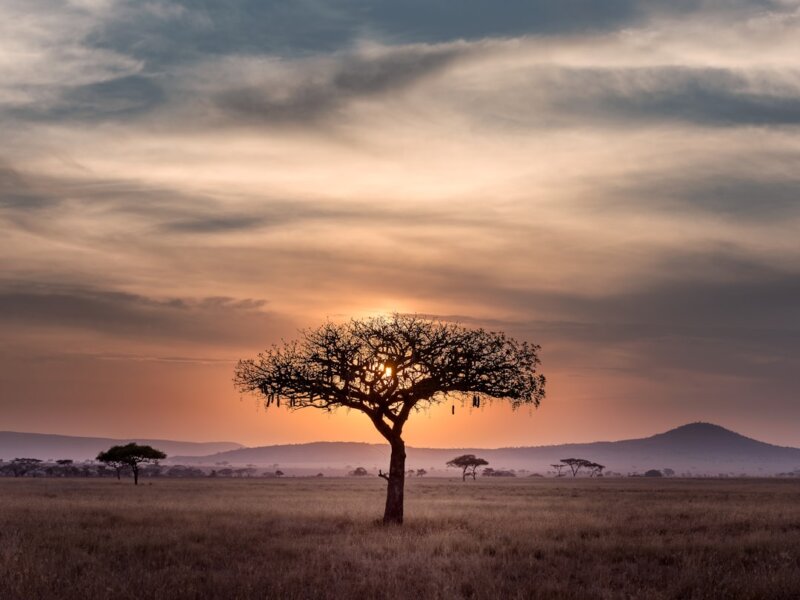
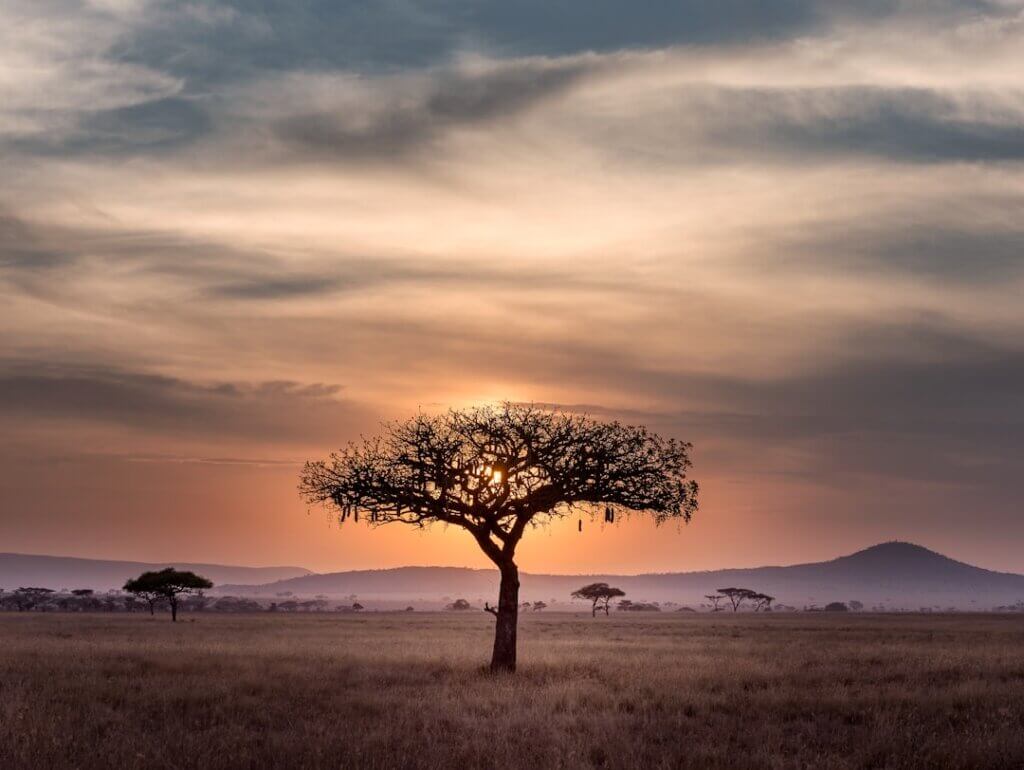
The Maasai Mara National Reserve stands among Africa’s most celebrated wildlife destinations. Located in southwestern Kenya, this remarkable conservation area features extensive grasslands, seasonal rivers, scattered acacia trees and impressive wildlife populations. Its landscapes create an excellent environment for game viewing throughout much of the year.
Visitors travelling to the Maasai Mara can enjoy morning and afternoon game drives with experienced safari guides. These excursions provide opportunities to search for lions, leopards, cheetahs, elephants, buffaloes, giraffes, zebras, hyenas and different antelope species. The reserve also supports numerous bird species, adding another attraction for nature lovers.
One of the Maasai Mara’s greatest attractions involves the annual Great Migration. During this natural movement, enormous herds of wildebeest and zebras travel between Tanzania’s Serengeti ecosystem and Kenya’s Maasai Mara in search of fresh grazing. The movement usually reaches the Mara around July, although the timing varies depending on rainfall and grazing conditions.
River crossings can provide some of the most dramatic wildlife viewing opportunities. However, travellers should understand that nature follows its own schedule. Wildlife movements remain unpredictable, and no responsible safari operator should guarantee a particular crossing or animal encounter.
Beyond wildlife, the Maasai Mara offers opportunities to discover Maasai cultural traditions. Visitors can arrange responsible community visits to learn about traditional homes, beadwork, dances, livestock keeping and local customs. Such experiences create a deeper understanding of the relationship between communities, wildlife and conservation.
Accommodation ranges from comfortable tented camps to exclusive luxury safari lodges. Many properties provide excellent access to wildlife areas, personalised service and beautiful views of the surrounding plains.
For travellers combining Burundi and Kenya safaris, the Maasai Mara provides an excellent starting point for discovering Kenya’s wildlife heritage before continuing to Burundi’s cultural and scenic attractions.
Amboseli National Park: Discovering Elephants Beneath Mount Kilimanjaro
Amboseli National Park offers another exceptional safari experience in Kenya. Located in the southern part of the country near the Tanzania border, the park attracts visitors through its impressive elephant populations, open plains, wetlands and spectacular views of Mount Kilimanjaro.
The mountain creates one of Africa’s most recognisable safari landscapes. On clear mornings, visitors can photograph wildlife against the dramatic background of Kilimanjaro’s snow-capped summit. Although the mountain stands across the border in Tanzania, Amboseli provides some of the most famous views of its towering peak.
Elephants represent one of the park’s major attractions. Amboseli supports important elephant populations, and visitors frequently encounter family groups moving across the open plains. These animals offer excellent photography opportunities, particularly when they gather around wetlands or travel beneath the mountain.
Apart from elephants, the park supports lions, cheetahs, hyenas, giraffes, zebras, wildebeest and several antelope species. Its wetlands attract waterbirds, while the surrounding dry habitats support other bird species.
Game drives remain the main activity in Amboseli. Morning drives often provide favourable lighting for photography and opportunities to observe wildlife before daytime temperatures increase. Afternoon excursions offer another chance to explore different sections of the park.
Visitors can also learn about elephant conservation and the importance of protecting wildlife corridors. These habitats allow elephants to move between protected areas and other landscapes in search of food and water.
Amboseli offers accommodation options ranging from comfortable safari camps to luxury lodges. Travellers can select properties according to their budgets, preferred facilities and desired views.
When planning Burundi and Kenya safaris, Amboseli provides an excellent contrast to Burundi’s green hills and lakeside scenery. It allows visitors to experience the beauty of East Africa’s open savannah ecosystems before discovering Burundi’s natural attractions.
Lake Nakuru National Park: Rhinos, Birds and Beautiful Landscapes
Lake Nakuru National Park provides a rewarding wildlife experience within Kenya’s Great Rift Valley. The park surrounds Lake Nakuru, a beautiful alkaline lake that attracts numerous waterbirds and supports a variety of wildlife species.
The destination has gained recognition for its rhino conservation efforts. Visitors can encounter both black and white rhinos within the protected landscape. These impressive animals make the park particularly attractive to travellers interested in conservation and wildlife photography.
Lake Nakuru also supports giraffes, buffaloes, zebras, waterbucks, baboons and several other mammals. Lions and leopards inhabit the park as well, although sightings depend on animal movements and environmental conditions.
Birdwatching remains another major attraction. The lake and surrounding wetlands attract flamingos, pelicans, herons, cormorants and numerous other waterbirds. Flamingo numbers change according to water conditions and food availability. Therefore, visitors should not expect the same numbers during every visit.
Beyond wildlife, the park features attractive viewpoints, wooded areas, grasslands and scenic landscapes. Travellers can enjoy game drives while exploring different habitats within the protected area.
The park also provides an opportunity to understand the importance of rhino conservation in Kenya. Protecting these animals requires strong conservation programmes, habitat management, anti-poaching measures and cooperation between wildlife authorities and surrounding communities.
Lake Nakuru fits well into longer Kenya safaris that include the Maasai Mara and other destinations within the Rift Valley. Its wildlife diversity and manageable size make it a valuable addition to a multi-destination holiday.
For travellers combining Burundi and Kenya safaris, Lake Nakuru adds another dimension to the journey. It introduces visitors to Kenya’s important conservation landscapes before they continue towards Burundi’s freshwater ecosystems and cultural attractions.
Tsavo East and Tsavo West National Parks: Exploring Kenya’s Vast Wilderness
Tsavo East and Tsavo West National Parks form part of one of Kenya’s largest protected wildlife landscapes. Together, these destinations provide extensive wilderness areas, diverse habitats and opportunities to explore less crowded safari environments.
Tsavo East features open plains, seasonal rivers, scattered vegetation and expansive landscapes. Its red soil often gives elephants a distinctive reddish appearance when they cover themselves with dust. Visitors can also encounter lions, giraffes, zebras, buffaloes, antelopes and several bird species.
Tsavo West presents a different environment with hills, volcanic features, rocky landscapes, natural springs and areas of dense vegetation. The park also contains Mzima Springs, where visitors can observe clear water emerging from underground sources. The springs support aquatic life and attract animals seeking water.
The two parks offer excellent opportunities for extended game drives. Their large size means that visitors can explore different ecosystems while searching for wildlife. However, travellers should allow sufficient time because distances between attractions can be considerable.
Tsavo also has an important place in Kenya’s conservation history. Its protected landscapes help maintain wildlife populations and provide habitats for elephants and other large mammals.
Accommodation options include safari lodges, tented camps and comfortable properties located within or near the parks. Visitors can choose according to their budgets and preferred levels of comfort.
For travellers interested in exploring different parts of Kenya, Tsavo offers a memorable wilderness experience. It also adds geographical diversity to Burundi and Kenya safaris by introducing landscapes that differ considerably from both the Maasai Mara and Burundi’s mountainous countryside.
Discovering Burundi: An Underrated East African Tourism Destination
Burundi offers a rewarding travel experience for visitors who want to explore a less conventional side of East Africa. Although the country receives fewer international safari visitors than Kenya, it features impressive natural landscapes, cultural attractions, freshwater environments and welcoming communities.
Located in the Great Lakes region of East Africa, Burundi shares borders with Rwanda, Tanzania and the Democratic Republic of Congo. Its geographical position creates opportunities for regional travel and multi-country holidays.
The country features rolling hills, fertile valleys, forests, rivers and the impressive Lake Tanganyika. These landscapes support diverse wildlife habitats and create beautiful settings for nature excursions.
Unlike Kenya, Burundi does not have the same extensive network of traditional savannah safari destinations. Instead, its tourism attractions focus on nature, culture, scenic experiences, birdwatching, waterfalls and selected wildlife encounters.
Bujumbura, the country’s largest city, offers a starting point for exploring Lake Tanganyika and nearby attractions. Gitega, the political capital, provides access to important cultural experiences and historical sites.
Visitors can also discover Rusizi National Park, Kibira National Park, Karera Falls and the impressive landscapes around Lake Tanganyika. Each destination introduces a different aspect of Burundi’s natural and cultural identity.
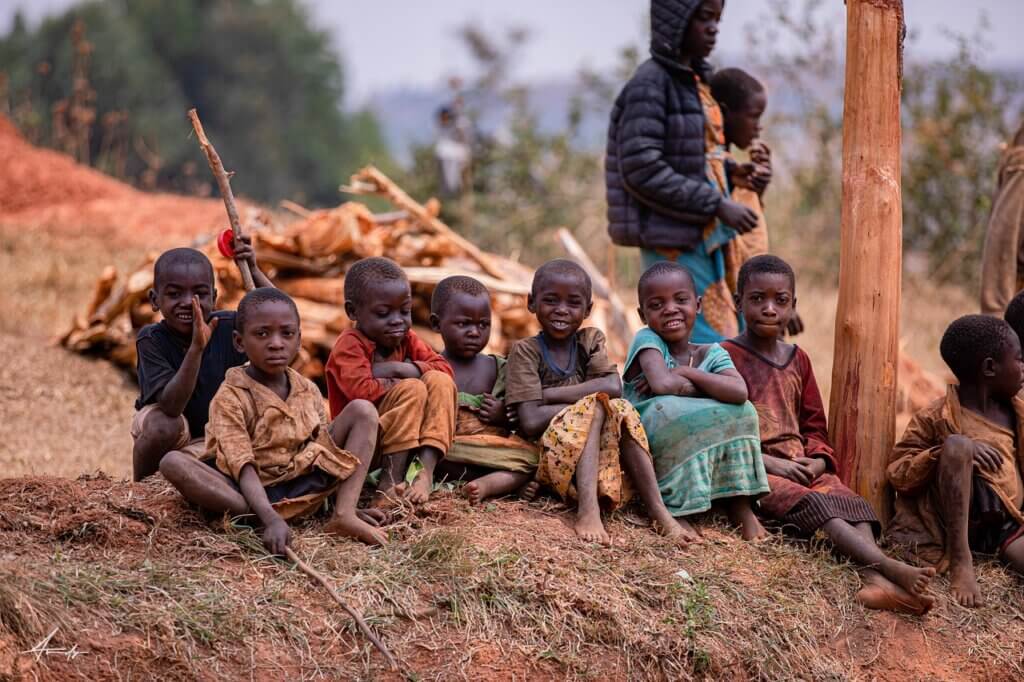
Burundi also appeals to travellers interested in responsible tourism. Local guides, cultural performers, accommodation providers and community businesses contribute to the visitor experience. Choosing local services helps support livelihoods and encourages communities to protect their natural and cultural resources.
For travellers combining Burundi and Kenya safaris, Burundi provides an opportunity to slow down after exciting wildlife adventures. Visitors can enjoy lakeside relaxation, explore traditional communities and appreciate the beauty of a country that deserves greater attention within East African tourism.
Lake Tanganyika: Enjoying Burundi’s Beautiful Freshwater Destination
Lake Tanganyika ranks among the world’s largest and deepest freshwater lakes. It stretches across four countries: Burundi, the Democratic Republic of Congo, Tanzania and Zambia. Its northern shores provide Burundi with beautiful landscapes and important opportunities for tourism.
The lake offers an excellent setting for relaxation, sightseeing, photography and water-based activities. Travellers visiting Bujumbura can explore its shores, enjoy peaceful lakeside moments and appreciate the impressive natural scenery.
One of the lake’s most attractive features involves its biodiversity. Lake Tanganyika supports numerous fish species, including many species that occur nowhere else. Its ecological importance makes it an interesting destination for nature enthusiasts and visitors interested in freshwater conservation.
Travellers can arrange boat excursions with appropriate local operators, depending on weather conditions and available services. These experiences provide opportunities to appreciate the lake from the water while enjoying views of the surrounding hills and shoreline.
The lakeside environment also offers opportunities to enjoy fresh fish dishes and experience local hospitality. Visitors can explore restaurants and relaxation areas around Bujumbura while learning about the role of fishing in local communities.
Moreover, Lake Tanganyika provides a beautiful setting for photography, especially during sunrise and sunset. Its wide waters and surrounding landscapes create peaceful moments after several days of wildlife activities in Kenya.
Travellers should also respect local environmental guidelines and avoid disturbing aquatic habitats. Responsible boating, proper waste disposal and support for sustainable fishing practices help protect the lake.
Including Lake Tanganyika in Burundi and Kenya safaris adds a refreshing dimension to an African holiday. It allows visitors to move from Kenya’s wildlife-rich plains to one of Africa’s most remarkable freshwater environments.
Rusizi National Park: Wildlife and Wetland Experiences in Burundi
Rusizi National Park provides one of Burundi’s most accessible nature experiences. Located near Bujumbura, the park protects important wetlands, river habitats, grasslands and sections of the Rusizi River ecosystem.
The river flows towards Lake Tanganyika and creates habitats for different wildlife species. Visitors can explore sections of the park with local guides while learning about its plants, animals and ecological importance.
One of the park’s notable attractions involves the presence of hippopotamuses. Visitors may observe these large mammals in suitable river habitats, although sightings depend on their movements and local conditions. The park also supports crocodiles, which makes it important to follow guide instructions and remain within authorised visitor areas.
Birdwatching provides another interesting activity. Wetland environments attract different waterbirds and other species that depend on river and grassland habitats. Bird enthusiasts can enjoy searching for kingfishers, herons, egrets and other birds during guided excursions.
The park’s proximity to Bujumbura makes it convenient for visitors with limited time. Travellers can arrange a half-day or longer nature excursion depending on their interests and available activities.
Rusizi National Park also highlights the importance of protecting wetlands. These ecosystems support biodiversity, regulate water systems and provide valuable natural resources for surrounding communities.
Visitors should follow local conservation rules, avoid approaching wildlife and respect designated walking or viewing areas.
For travellers planning Burundi and Kenya safaris, Rusizi National Park offers a different kind of wildlife experience. While Kenya provides opportunities to observe large savannah mammals, Rusizi introduces visitors to Burundi’s river and wetland environments.
Kibira National Park: Exploring Burundi’s Mountain Forests
Kibira National Park protects one of Burundi’s most important forest ecosystems. Located in the northwestern part of the country, the park extends across mountainous terrain and forms part of the wider Albertine Rift ecological region.
Its forest environment provides habitats for several wildlife species, including primates, forest birds and smaller mammals. The park also plays an important role in protecting water sources and maintaining ecological balance across surrounding landscapes.
Nature enthusiasts can explore the forest environment through authorised guided activities, depending on park regulations and local arrangements. Walking through the forest provides opportunities to appreciate native vegetation, listen to bird calls and discover the ecological relationships that sustain tropical forests.
Birdwatching represents one of Kibira’s major attractions. The forest supports different bird species, including those associated with the Albertine Rift. Experienced local guides can help visitors identify birds and understand their habitats.
Kibira also offers a beautiful contrast to Kenya’s open savannah landscapes. Instead of extensive grasslands and scattered acacia trees, visitors encounter dense vegetation, forested hills and cooler mountain environments.
The park’s conservation importance extends beyond tourism. Forests help protect watersheds, support biodiversity and contribute to climate regulation. Consequently, responsible tourism can help increase awareness of the importance of forest protection.
Travellers should confirm available activities, access arrangements and guiding services before visiting. Weather conditions and conservation requirements may influence the experience.
For visitors combining Burundi and Kenya safaris, Kibira provides another reason to explore Burundi. It expands the holiday beyond conventional wildlife viewing and introduces travellers to the remarkable ecological diversity of the East African region.
Karera Falls: Discovering Burundi’s Natural Beauty
Karera Falls ranks among Burundi’s most attractive natural landmarks. Located in southeastern Burundi within Rutana Province, the waterfall system features several cascades surrounded by green vegetation and scenic countryside.
The falls create a peaceful environment for sightseeing, nature photography and relaxation. Their flowing waters and surrounding landscapes provide a refreshing contrast to the busy atmosphere of urban centres.
Visitors can explore the area while enjoying views of the different waterfalls and surrounding natural features. The experience offers an opportunity to appreciate Burundi’s geographical diversity, particularly its hills, valleys and freshwater resources.
Karera Falls also provides opportunities to interact with local guides and learn more about the surrounding region. These guides can help visitors understand local landscapes, community activities and the natural attractions that make the area special.
The best experience often comes from allowing enough time to explore the surroundings rather than treating the falls as a quick photographic stop. Travellers can enjoy the scenery, observe local vegetation and appreciate the peaceful atmosphere.
However, visitors should exercise caution around wet rocks, steep sections and flowing water. Following local guidance helps maintain personal safety and protects the natural environment.
Karera Falls fits well into cultural and nature-focused itineraries through Burundi. Travellers can combine the attraction with visits to Gitega, traditional cultural sites and other destinations depending on their available time.
When included in Burundi and Kenya safaris, the waterfalls add another memorable experience. After several days exploring Kenya’s wildlife reserves, visitors can discover a quieter natural attraction that highlights Burundi’s scenic appeal.
Gitega: Exploring Burundi’s Cultural Heritage
Gitega provides an important cultural experience for travellers visiting Burundi. As the country’s political capital, the city plays a significant role in national administration, culture and heritage.
One of its major attractions involves the National Museum of Gitega. The museum provides opportunities to learn about Burundi’s history, traditional lifestyles, cultural objects and social heritage. Visitors can discover elements of traditional clothing, crafts, household items and cultural practices that help explain the country’s identity.
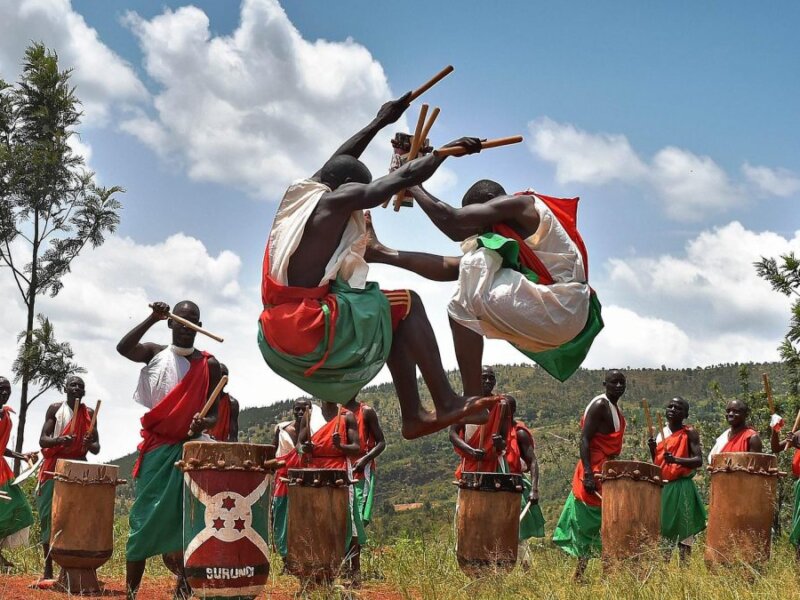
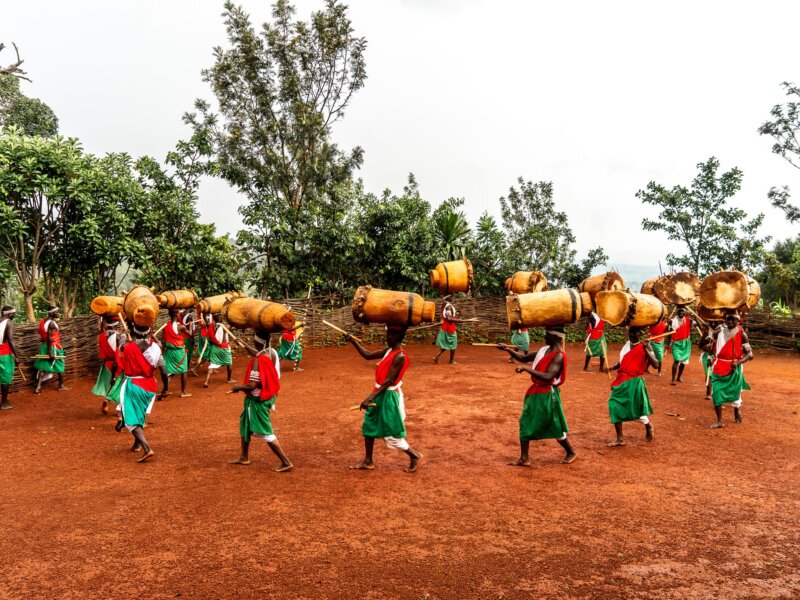
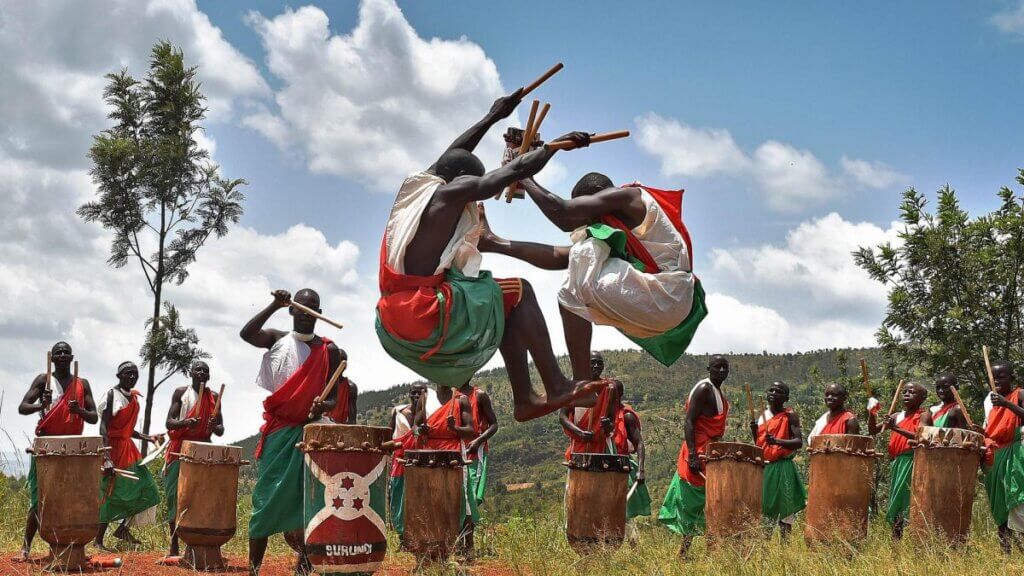
Gitega also offers access to important cultural experiences involving traditional music and dance. The famous Royal Drummers of Burundi represent one of the country’s most recognised cultural traditions. Their performances feature powerful rhythms, coordinated movements and large traditional drums.
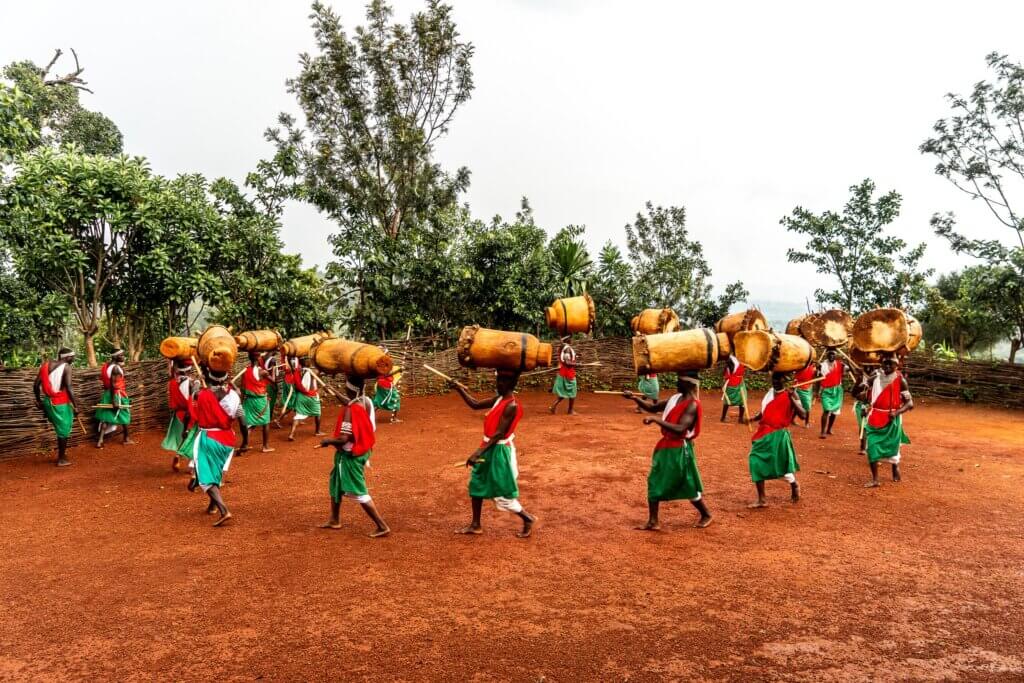
The Gishora Drum Sanctuary, located near Gitega, provides an opportunity to discover this heritage in a meaningful cultural setting. Visitors can learn about the historical significance of traditional drumming and appreciate the skills involved in maintaining this important cultural practice.
Beyond organised cultural attractions, travellers can explore local markets and observe everyday activities. Such experiences offer opportunities to interact respectfully with residents and appreciate local crafts, food and hospitality.
Cultural tourism works best when visitors approach communities with curiosity and respect. Asking permission before taking photographs, supporting local businesses and following cultural guidelines help create positive interactions.
Gitega offers a different kind of adventure from Kenya’s wildlife reserves. Instead of searching for lions and elephants, visitors discover the traditions and cultural expressions that give Burundi its distinctive identity.
Including Gitega in Burundi and Kenya safaris creates a more complete East African holiday by connecting wildlife experiences with cultural understanding.
Burundi’s Traditional Drumming and Cultural Experiences
Burundi’s traditional drumming represents an important part of the country’s cultural identity. The Royal Drummers of Burundi have gained international recognition for their energetic performances and the impressive craftsmanship of their traditional instruments.
A traditional drumming performance combines music, rhythm, movement and cultural symbolism. Drummers often arrange themselves around large drums, creating coordinated performances that demonstrate exceptional timing and physical skill.
For visitors, attending a performance provides an opportunity to understand an important part of Burundi’s cultural heritage. It also creates a memorable experience that differs from the wildlife activities commonly associated with East African holidays.
The Gishora Drum Sanctuary offers an important setting for discovering this tradition. Visitors can learn about the cultural meaning of the drums, their historical associations and the role they play in Burundi’s identity.
Other cultural experiences may include traditional dances, local food, crafts and community visits. Depending on arrangements, travellers can also discover local agricultural activities and everyday life in rural communities.
These experiences help international visitors appreciate that African tourism involves more than national parks and wildlife. Cultural traditions, music, storytelling, craftsmanship and hospitality also form important parts of the continent’s tourism appeal.
Responsible cultural tourism should respect local customs and provide fair benefits to performers and communities. Travellers should also confirm performance schedules before including a cultural event in their itinerary.
For visitors combining Burundi and Kenya safaris, traditional drumming creates a meaningful connection with Burundi’s cultural heritage. It provides an opportunity to discover the human stories and traditions behind the country’s beautiful landscapes.
Best Time to Enjoy Burundi and Kenya Safaris
Choosing the right travel period can improve your Burundi and Kenya safari experience. However, the best time depends on the activities you want to enjoy, the destinations you plan to visit and the weather conditions in each country.
Kenya generally offers excellent wildlife viewing during its drier months. The main dry season runs from June to October, while another relatively dry period occurs from January to February. During these months, many animals gather around available water sources, and vegetation becomes less dense in several wildlife areas.
The Great Migration attracts particular attention between July and October, when large wildebeest herds often enter the Maasai Mara from Tanzania’s Serengeti ecosystem. However, migration movements change annually according to rainfall and grazing conditions.
Burundi has a tropical highland climate influenced by elevation. The country generally experiences a longer dry season from around June to September and a shorter dry period around January and February. The main rainy season usually runs from February to May, while another rainy period occurs around September to November. Local conditions can vary.
Dry months often provide favourable conditions for sightseeing, nature walks and road travel. Nevertheless, the green season can offer beautiful landscapes, fresh vegetation and excellent opportunities for photography.
Travellers combining both destinations should consider the weather in each location rather than relying on one country’s seasonal calendar. Kenya’s wildlife conditions and Burundi’s mountain and lakeside environments may respond differently to rainfall.
The best approach involves selecting travel dates according to your priorities. If the Great Migration is important, plan around the expected movement into the Maasai Mara. If cultural experiences and Lake Tanganyika are your main interests, you may have greater flexibility.
Wildlife You Can Expect to See During Kenya Safaris
Kenya supports an impressive range of wildlife, making it one of Africa’s most rewarding destinations for animal lovers. Its national parks and reserves protect different ecosystems that support large mammals, smaller species and diverse birdlife.
The Big Five remain among the most popular wildlife attractions. These animals include lions, leopards, elephants, buffaloes and rhinos. Travellers can encounter different members of this group across several protected areas, although sightings always depend on natural movements.
Lions often attract attention during game drives, particularly in the Maasai Mara. Cheetahs also inhabit open grasslands, where they use speed and visibility to hunt. Leopards generally prefer more concealed habitats, making them exciting but sometimes challenging animals to spot.
Elephants occur in several Kenyan parks, including Amboseli and Tsavo. Their family groups offer excellent opportunities to observe social behaviour, feeding habits and interactions between adults and young calves.
Giraffes, zebras, wildebeest, impalas, gazelles, hippos and hyenas also contribute to Kenya’s wildlife diversity. In addition, the country supports a wide range of bird species, from large raptors to colourful woodland birds and waterbirds.
A professional guide helps visitors identify different species and understand their ecological roles. For example, predators influence herbivore populations, while grazing animals contribute to the balance of grassland ecosystems.
Travellers should remember that wildlife sightings are never guaranteed. Animals move freely through natural habitats, and responsible guides avoid disturbing them simply to provide closer photographic opportunities.
Kenya’s wildlife diversity makes it an excellent foundation for Burundi and Kenya safaris, especially for travellers who want to experience the classic African safari before exploring Burundi’s different natural attractions.
Birdwatching Experiences in Burundi and Kenya
Birdwatching adds another rewarding activity to Burundi and Kenya safaris. Both countries support diverse bird populations because of their different habitats, geographical features and ecological environments.
Kenya offers excellent birdwatching opportunities across savannahs, wetlands, forests, lakes and coastal habitats. Lake Nakuru, Amboseli, the Maasai Mara and other protected areas attract numerous resident and migratory birds.
Visitors may encounter flamingos, pelicans, eagles, storks, secretary birds, hornbills, kingfishers and several colourful smaller species. The country’s varied landscapes make it possible to observe different bird communities during one extended safari.
Burundi also offers interesting birdwatching opportunities, particularly in its forests, wetlands and lake environments. Kibira National Park provides access to forest habitats within the Albertine Rift region, while Rusizi National Park supports wetland and river-associated species.
Lake Tanganyika adds another dimension through its shoreline habitats and surrounding vegetation. Bird enthusiasts can explore these environments with experienced local guides who understand the area’s birdlife.
The best birdwatching experience requires patience, appropriate equipment and knowledgeable guides. Binoculars help visitors identify distant species, while a field guide or bird identification application can make the activity more rewarding.
Travellers should also consider the time of day. Early morning often provides favourable conditions because birds become more active and temperatures remain comfortable.
For international visitors, combining Burundi and Kenya creates an opportunity to discover different bird habitats within one holiday. It also provides a valuable introduction to the region’s biodiversity and the importance of protecting natural ecosystems.
Cultural Experiences Across Burundi and Kenya
Culture represents another important reason to combine Burundi and Kenya safaris. Both countries have distinctive traditions, languages, music, food, ceremonies and community lifestyles that contribute to their identities.
In Kenya, travellers can discover Maasai cultural traditions through responsible community visits. These experiences may include traditional dances, beadwork, livestock keeping, traditional homes and explanations of the relationship between communities and wildlife.
Kenya also has many other cultural communities with unique traditions and histories. Visitors can learn about local food, crafts, music and daily activities depending on the regions they visit.
Burundi offers its own distinctive cultural experiences. Traditional drumming, local dances, historical sites, crafts and community visits provide opportunities to appreciate the country’s heritage.
Gitega remains an important destination for cultural exploration, particularly through the National Museum and Gishora Drum Sanctuary. Visitors can also discover traditional architecture, local markets and regional food.
Food provides another enjoyable way to understand both destinations. In Kenya, travellers may sample nyama choma, ugali, sukuma wiki and different regional dishes. Burundi offers meals based on beans, bananas, cassava, sweet potatoes, vegetables and freshwater fish.
Travellers should approach cultural activities with respect and an interest in learning. Photography, clothing expectations and participation in community activities may require guidance from local hosts.
Responsible tourism also involves recognising that cultural experiences should benefit the communities involved. Travellers can support local artisans, purchase authentic crafts and use community-based guides.
Ultimately, cultural experiences make Burundi and Kenya safaris more meaningful because they introduce visitors to the people, traditions and everyday experiences that shape East African life.
Accommodation Options for Burundi and Kenya Safaris
Accommodation plays an important role in creating a comfortable and enjoyable African holiday. Burundi and Kenya offer different accommodation categories, allowing travellers to select properties that match their budgets and preferences.
Kenya has a well-developed safari accommodation industry. Visitors can choose from luxury lodges, permanent tented camps, boutique safari properties, midrange hotels and budget-friendly campsites.
In the Maasai Mara, many lodges and tented camps provide access to wildlife viewing areas. Some properties offer beautiful views of the savannah, personalised services, swimming pools and restaurants serving international and local dishes.
Amboseli also features accommodation options with views of Mount Kilimanjaro and the surrounding wildlife landscapes. Lake Nakuru and Tsavo provide additional choices for travellers exploring different parts of the country.
Burundi has a smaller accommodation market, with hotels, guesthouses, boutique properties and lakeside establishments concentrated around major towns and tourist destinations.
Bujumbura offers several accommodation options suitable for international travellers. Visitors can select hotels according to their comfort requirements, location and available facilities. Gitega and other destinations also provide accommodation opportunities, although choices may be more limited.
For travellers combining both countries, the accommodation plan should consider travel times, activity schedules and access to attractions. Staying close to a national park often reduces unnecessary driving and creates more time for wildlife activities.
Luxury travellers may prefer exclusive lodges and boutique hotels, while budget-conscious visitors can choose comfortable properties that offer essential facilities and good service.
A reliable tour operator should explain accommodation standards clearly, provide accurate property information and confirm availability before finalising a booking. This approach helps travellers understand what their safari package includes and avoid unexpected changes.
Transport and Travel Arrangements Between Burundi and Kenya
Planning transportation is an essential part of Burundi and Kenya safaris. Although the two countries belong to the East African region, travelling between them requires careful consideration of flight connections, border procedures and domestic transfers.
International and regional flights provide one of the most convenient ways to connect major destinations. Depending on airline schedules and the travel dates, visitors may arrange flights between Nairobi and Bujumbura through available direct or connecting services. Travellers should confirm current routes and operating schedules before purchasing tickets.
Kenya’s safari destinations require additional ground transportation. Nairobi serves as an important starting point for many wildlife holidays. From there, travellers can continue to the Maasai Mara, Amboseli, Lake Nakuru or Tsavo using private safari vehicles or other suitable transport arrangements.
Burundi’s main international gateway is Melchior Ndadaye International Airport in Bujumbura. From the airport, visitors can arrange transfers to hotels and continue to destinations such as Rusizi National Park, Gitega and Karera Falls.
Road travel within Burundi can provide beautiful scenic experiences, particularly when exploring the country’s rolling hills and rural communities. However, travellers should allow sufficient time because road conditions, weather and journey distances influence travel schedules.
Cross-border travel also requires appropriate documentation. Visitors should confirm passport validity, visa requirements, entry conditions and any relevant immigration procedures for both countries.
A professional tour operator can coordinate airport transfers, domestic transportation, accommodation and guided activities. This arrangement reduces the stress of organising several travel components independently.
For a smooth experience, travellers should finalise the main transportation arrangements before departure and maintain some flexibility for unexpected schedule changes.
Visa Requirements and Entry Information for Burundi and Kenya
International travellers planning Burundi and Kenya safaris should understand the entry requirements for both destinations before beginning their journey. Visa regulations depend on nationality, passport type, travel purpose and current immigration policies.
Kenya operates an Electronic Travel Authorisation system for many international visitors. Travellers should check the official Kenyan immigration requirements to determine whether they need an approved authorisation before departure. Some nationalities and categories may qualify for exemptions.
Burundi also has its own immigration and visa procedures. Visitors should confirm whether their nationality requires a visa, whether they qualify for any exemption and what documents they must present at the point of entry.
A passport with adequate remaining validity is essential. Travellers should also prepare accommodation confirmations, return or onward travel details and any supporting documents requested by immigration authorities.
Yellow fever vaccination requirements deserve particular attention when travelling across East Africa. Some travellers may need to present an International Certificate of Vaccination, depending on their country of origin, recent travel history and applicable entry rules.
Because immigration requirements can change, visitors should verify the latest information through official government sources and relevant embassies before travelling.
Travellers should also check whether their chosen route involves transit through another country. Transit regulations may differ from the entry requirements of the final destination.
A reliable safari operator can provide general guidance and help visitors understand the documents they should prepare. However, each traveller remains responsible for meeting the applicable immigration and health requirements.
Planning these details early helps create a smoother Burundi and Kenya safari experience and reduces the risk of unexpected problems at airports or border crossings.
How Much Do Burundi and Kenya Safaris Cost?
The cost of Burundi and Kenya safaris depends on several factors, including travel duration, accommodation standards, transportation, activities, group size and the season of travel.
Kenya’s safari costs often represent a significant part of the total holiday budget because national park fees, safari vehicles, professional guides, accommodation and domestic transfers contribute to the overall package price.
The Maasai Mara, for example, can involve considerable park or reserve fees depending on the applicable regulations and the visitor’s travel dates. Luxury tented camps also charge higher rates than standard accommodation.
Amboseli, Lake Nakuru and Tsavo introduce additional costs when travellers include them in longer itineraries. However, visiting several destinations within one organised safari can help travellers manage transportation and accommodation arrangements more efficiently.
Burundi generally offers a different cost structure. Accommodation, local transportation and cultural activities may provide more affordable options, although prices vary according to service standards and availability.
The total cost also depends on international flights between the two countries. Travellers should consider airfare, baggage allowances, airport transfers and possible connecting flights when preparing their budgets.
Group size can influence the final price considerably. Private safaris provide flexibility and personalised services, while travelling with a larger group may reduce the per-person cost of transportation and guiding.
Accommodation preferences also matter. Luxury lodges, private vehicles and exclusive experiences increase the budget, while midrange hotels and carefully selected activities can provide excellent value.
When requesting a quotation, travellers should ask for a clear breakdown of inclusions and exclusions. Important details include accommodation, meals, park fees, transport, professional guides, airport transfers and cultural activities.
A transparent quotation helps visitors compare packages fairly and understand the value of the services they receive.
Budget and Midrange Burundi and Kenya Safari Packages
Travellers do not need an unlimited budget to enjoy Burundi and Kenya safaris. With careful planning, visitors can experience important wildlife destinations, cultural attractions and scenic landscapes while maintaining reasonable travel costs.
Midrange safari packages offer a practical balance between comfort and affordability. They generally include comfortable hotels, safari lodges, private or shared transportation arrangements and guided activities.
In Kenya, travellers can select accommodation outside premium luxury categories while maintaining access to important wildlife destinations. Choosing suitable lodges and camps can help manage costs without removing the main safari experiences.
Burundi also provides accommodation options that suit different budgets. Visitors can stay in comfortable hotels and guesthouses while arranging local guides and transportation for their excursions.
Budget travellers may choose shorter itineraries, focus on selected national parks and limit unnecessary domestic transfers. Visiting fewer destinations while spending enough time in each location can create a more rewarding holiday.
Another useful approach involves travelling outside peak periods when accommodation and transport availability may offer more flexibility. However, travellers should always consider weather conditions and the activities they want to experience.
Group travel can also reduce the cost per person, particularly when visitors share transportation and guiding services.
A reliable tour operator should provide clear information about accommodation categories, meals, transport standards and included activities. Travellers should avoid selecting a package based on price alone because extremely low quotations may exclude important expenses.
Ultimately, a well-planned midrange or budget holiday can provide excellent value. The goal should remain to enjoy meaningful experiences, comfortable accommodation and reliable services throughout the journey.
Family Burundi and Kenya Safaris
Burundi and Kenya safaris can create wonderful family travel experiences when parents select suitable destinations, accommodation and activities.
Kenya offers exciting wildlife encounters that introduce children and adults to the natural world. Watching elephants, giraffes, zebras and other animals during guided game drives can create lasting family memories.
The Maasai Mara, Amboseli and Lake Nakuru provide opportunities to discover different wildlife habitats. However, families should consider the ages of their children, the duration of game drives and the distances between destinations.
Burundi adds cultural and scenic experiences that can appeal to families. Parents can arrange visits to Lake Tanganyika, explore waterfalls, discover traditional drumming and enjoy nature excursions with local guides.
Family accommodation should provide appropriate room arrangements, comfortable facilities and suitable meal options. Parents should also confirm whether individual lodges accept children of their ages and whether they offer family-friendly activities.
Safety remains an important consideration. Children should follow guide instructions during wildlife activities and remain within authorised visitor areas. Families should also understand that some activities have minimum age requirements.
Travellers combining both countries should avoid creating an overly demanding schedule. Allowing time for rest, relaxation and shorter activities helps children enjoy the journey.
A professional tour operator can prepare an itinerary that balances wildlife viewing, cultural experiences and family relaxation.
With suitable planning, Burundi and Kenya safaris can introduce younger travellers to African wildlife, environmental conservation and cultural diversity while creating meaningful experiences for the entire family.
Responsible Tourism and Conservation in Burundi and Kenya
Responsible tourism plays an important role in protecting the natural and cultural attractions that make Burundi and Kenya special destinations.
Wildlife tourism contributes to conservation through park fees, employment opportunities, community partnerships and support for protected areas. However, these benefits depend on responsible travel practices and effective management.
In Kenya, national parks and reserves protect important habitats for elephants, rhinos, lions and numerous other species. Conservation organisations, wildlife authorities and surrounding communities work in different ways to maintain these ecosystems.
Visitors can support conservation by following park rules, respecting wildlife viewing distances, avoiding littering and choosing responsible safari operators. They should also avoid activities that disturb animals or damage natural habitats.
Burundi’s forests, wetlands, rivers and lakes require similar protection. Kibira National Park helps safeguard forest biodiversity, while Rusizi National Park protects valuable wetland environments. Lake Tanganyika also requires responsible management because of its ecological importance and role in local livelihoods.
Community tourism provides another opportunity to support conservation. Travellers can purchase locally made crafts, hire community guides and participate in cultural experiences that provide direct benefits to residents.
Reducing unnecessary plastic waste, respecting local customs and using resources responsibly also contribute to sustainable tourism.
Travellers should understand that conservation involves long-term cooperation between governments, local communities, tourism businesses and visitors. Every responsible decision helps support the future of these destinations.
By choosing responsible Burundi and Kenya safari experiences, visitors contribute to protecting East Africa’s natural heritage while helping local communities benefit from tourism.
Photography Opportunities During Burundi and Kenya Safaris
Burundi and Kenya safaris provide excellent photography opportunities for travellers who want to capture East Africa’s wildlife, landscapes, culture and everyday life.
Kenya offers classic African safari scenes. The Maasai Mara provides opportunities to photograph lions, cheetahs, elephants, giraffes and large herds of wildebeest. During the migration season, photographers may also capture impressive scenes involving moving herds and river crossings.
Amboseli offers beautiful elephant photography, particularly when Mount Kilimanjaro appears clearly in the background. Lake Nakuru provides opportunities to photograph rhinos, waterbirds and scenic lake environments.
Burundi offers a different photographic experience. Lake Tanganyika creates beautiful lakeside compositions, while Karera Falls provides opportunities to capture flowing water and green landscapes.
Gitega and the Gishora Drum Sanctuary introduce cultural photography opportunities. With appropriate permission, visitors can photograph traditional instruments, performances, crafts and local cultural experiences.
Nature photographers can also explore Kibira National Park and Rusizi National Park to discover forest and wetland environments.
A good camera can improve photographic opportunities, although travellers can also capture memorable moments with modern smartphones. Binoculars and suitable lenses help when observing distant wildlife.
Photography etiquette matters, especially during cultural visits. Visitors should ask permission before photographing individuals, respect restrictions and avoid interrupting performances or community activities.
Lighting also influences the quality of photographs. Early morning and late afternoon often provide attractive natural light for wildlife and landscape photography.
Combining Burundi and Kenya allows photographers to build a diverse collection of images that represents different aspects of East African tourism.
Suggested Burundi and Kenya Safari Itinerary
A well-organised itinerary helps travellers experience the highlights of both destinations without spending too much time travelling between attractions. The ideal duration depends on international flight schedules, accommodation preferences and the number of wildlife and cultural activities included.
The following 12-day example provides a starting point for travellers interested in combining Kenya’s wildlife attractions with Burundi’s natural and cultural experiences.
Day 1: Arrival in Nairobi, Kenya
Arrive at Jomo Kenyatta International Airport and meet your representative for a transfer to your hotel. Spend the remainder of the day relaxing after your international journey.
Day 2: Nairobi to Amboseli National Park
Travel to Amboseli National Park and enjoy an afternoon game drive. Look for elephants, giraffes, zebras and other wildlife while enjoying views of Mount Kilimanjaro when weather conditions permit.
Day 3: Full-Day Amboseli Safari
Enjoy morning and afternoon game drives. Explore different habitats and photograph elephants and other wildlife.
Day 4: Amboseli to Lake Nakuru National Park
Travel through Kenya’s scenic countryside towards Lake Nakuru. Arrive at your accommodation and enjoy the surrounding environment.
Day 5: Lake Nakuru to Maasai Mara National Reserve
Enjoy a morning game drive before continuing towards the Maasai Mara. Arrive at your lodge or tented camp and relax.
Day 6: Full-Day Maasai Mara Safari
Spend the day exploring the reserve. Search for lions, elephants, cheetahs, leopards, buffaloes and other wildlife.
Day 7: Maasai Mara to Nairobi
Enjoy a final morning safari before returning to Nairobi. Depending on your flight schedule, arrange an overnight stay or continue with an appropriate connection.
Day 8: Nairobi to Bujumbura, Burundi
Take an available regional flight to Bujumbura. Upon arrival, meet your local representative and transfer to your hotel. Spend the afternoon relaxing around Lake Tanganyika.
Day 9: Rusizi National Park and Lake Tanganyika
Explore Rusizi National Park with a local guide. Discover its wetlands and river habitats while looking for hippos and birdlife. Later, enjoy time around Lake Tanganyika.
Day 10: Bujumbura to Gitega
Travel towards Gitega while enjoying Burundi’s beautiful countryside. Visit the National Museum and explore the country’s cultural heritage.
Day 11: Gishora Drum Sanctuary and Karera Falls
Discover the traditional drumming heritage at Gishora. Continue with a visit to Karera Falls and enjoy the natural scenery.
Day 12: Return to Bujumbura and Departure
Travel back to Bujumbura according to your flight schedule. Enjoy a final look at the lakeside environment before transferring to the airport for your international departure.
Why Choose a Professional Tour Operator for Burundi and Kenya Safaris?
Planning Burundi and Kenya safaris involves coordinating different destinations, accommodation providers, transportation services, guides, activities and entry requirements. Working with an experienced tour operator can make this process easier and create a more organised holiday.
A professional operator understands the practical requirements of safari planning. These include selecting suitable accommodation, arranging reliable vehicles, coordinating airport transfers and ensuring that visitors have enough time to enjoy each destination.
Knowledge of local tourism conditions also makes a difference. A company with regional experience can recommend suitable travel routes, explain seasonal considerations and identify activities that match individual interests.
Furthermore, a well-organised safari should reflect the traveller’s expectations. Couples may prefer private experiences and romantic accommodation, while families may need flexible schedules and family-friendly lodges. Wildlife photographers may require additional time in selected parks, while cultural travellers may prefer more community visits.
Transparent communication is another important factor. A reliable tour operator should provide a detailed itinerary, explain the package inclusions and exclusions, outline payment conditions and communicate any important travel requirements.
Travellers should also check company registration, relevant tourism licences, customer reviews and the quality of previous travel experiences. These checks help establish confidence before making a booking.
At Giant Holiday Safaris, we believe that meaningful African holidays begin with careful planning, local knowledge and a genuine commitment to guest satisfaction. Our approach focuses on helping international travellers discover East Africa through well-organised wildlife, cultural and nature-based experiences.
By working with a knowledgeable local safari company, visitors can enjoy Burundi and Kenya with greater confidence while benefiting from professional guidance throughout their journey.
Frequently Asked Questions About Burundi and Kenya Safaris
Can I combine Burundi and Kenya in one safari?
Yes. Travellers can combine Burundi and Kenya within one African holiday. Regional flights and carefully planned transportation arrangements make it possible to explore Kenya’s wildlife destinations and Burundi’s cultural and natural attractions. The ideal itinerary depends on available flights, travel dates and the number of days available.
How many days do I need for Burundi and Kenya safaris?
A 10 to 14-day holiday provides a reasonable starting point for exploring selected destinations in both countries. However, travellers who want to visit several Kenyan national parks and spend more time discovering Burundi may benefit from a longer itinerary.
What are the main attractions in Kenya?
Kenya’s major safari attractions include Maasai Mara National Reserve, Amboseli National Park, Lake Nakuru National Park, Tsavo East National Park and Tsavo West National Park. These destinations offer wildlife viewing, birdwatching, scenic landscapes and cultural experiences.
What are the main tourist attractions in Burundi?
Burundi’s notable attractions include Lake Tanganyika, Rusizi National Park, Kibira National Park, Karera Falls, Gitega, the National Museum and Gishora Drum Sanctuary. These destinations provide nature, cultural and scenic experiences.
Is Burundi worth visiting during an African safari?
Yes. Burundi offers a different experience from traditional savannah safaris. Its beautiful hills, lakes, forests, waterfalls and cultural heritage make it an interesting addition to an East African holiday.
When is the best time to visit the Maasai Mara?
June to October generally provides favourable wildlife viewing conditions. The Great Migration often reaches the Maasai Mara between July and October, although exact arrival and departure dates vary according to rainfall.
Can I see the Big Five in Kenya?
Kenya offers opportunities to see lions, leopards, elephants, buffaloes and rhinos. However, sightings depend on wildlife movements, habitat conditions and the locations you visit.
Are Burundi and Kenya safaris suitable for families?
Yes. Families can enjoy wildlife viewing, cultural visits, nature excursions and scenic experiences. However, parents should consider children’s ages, activity restrictions and the travel distances involved.
Do I need a visa for Burundi and Kenya?
Visa and entry requirements depend on nationality and current immigration regulations. Kenya uses an Electronic Travel Authorisation system for many visitors, while Burundi has separate entry procedures. Always confirm the latest requirements before departure.
Can I book luxury Burundi and Kenya safari packages?
Yes. Travellers can combine luxury safari lodges in Kenya with quality hotels and lakeside accommodation in Burundi. Private transportation, personalised guides and exclusive experiences can also form part of a luxury package.
Is it possible to enjoy cultural experiences in both countries?
Absolutely. Kenya offers opportunities to discover Maasai cultural traditions and other local communities. Burundi provides traditional drumming, local dances, historical attractions and community experiences.
Can I customise my Burundi and Kenya safari itinerary?
Yes. A customised safari can reflect your travel dates, preferred accommodation, budget, wildlife interests and cultural activities. You can also include additional destinations depending on the available time and transportation arrangements.
Book Your Burundi and Kenya Safari with Giant Holiday Safaris
Burundi and Kenya safaris offer an exceptional opportunity to discover the diversity of East Africa through wildlife encounters, beautiful landscapes, cultural heritage and memorable travel experiences. From watching elephants beneath Mount Kilimanjaro and exploring the famous Maasai Mara to enjoying the peaceful shores of Lake Tanganyika and discovering Burundi’s traditional drumming, this combination introduces travellers to different experiences that make East Africa such a rewarding destination.
Whether you are planning a luxury African holiday, a midrange wildlife adventure, a family safari, a cultural exploration or a photography expedition, careful planning can help you enjoy the best of both countries. Moreover, choosing suitable accommodation, experienced guides and reliable transportation ensures that your journey remains comfortable and well organised.
At Giant Holiday Safaris, we specialise in creating personalised African travel experiences for international visitors who want to discover the beauty of East Africa. Our local knowledge and regional travel experience help us organise memorable journeys that connect wildlife destinations, cultural attractions and scenic landscapes.
We can help you plan a Burundi and Kenya safari that matches your preferred travel dates, budget, accommodation standards and interests. Whether you want to spend more time exploring Kenya’s national parks or discover Burundi’s lakes, waterfalls and cultural heritage, we can prepare a suitable itinerary for your holiday.