What Are the Best Safari Destinations Near Mount Kenya
August 10, 2026
What Are the Best Mount Kenya Trekking Tours?
August 10, 2026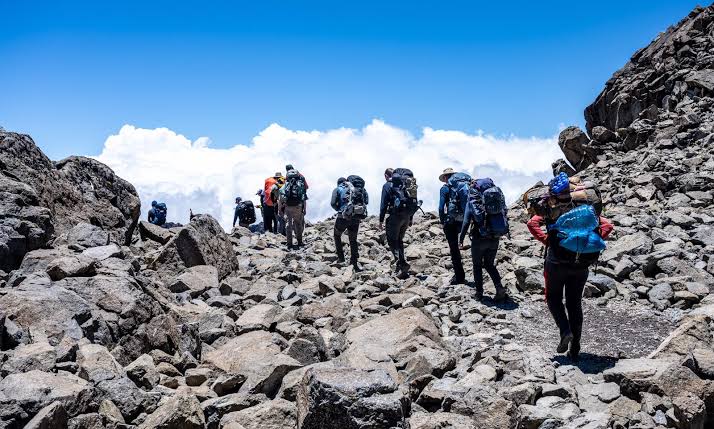
Can You Climb Mount Kenya After Safari?
Kenya offers one of the most diverse travel experiences in Africa because it combines breathtaking wildlife encounters, dramatic landscapes, rich cultures, and unforgettable outdoor adventures. Many travelers plan a Kenya safari to explore famous destinations such as the Masai Mara, Amboseli National Park, Tsavo National Parks, and Samburu National Reserve. However, after spending days watching elephants, lions, giraffes, and other wildlife, many visitors wonder if they can continue their adventure by climbing Mount Kenya. The answer is yes. A Mount Kenya climb after a safari creates a perfect combination of wilderness exploration and high-altitude adventure.
Climbing Mount Kenya after a safari allows travelers to experience two different sides of Kenya. The safari introduces you to the country’s incredible wildlife ecosystems, while the mountain journey takes you through unique alpine landscapes, ancient forests, valleys, glaciers, and spectacular viewpoints. This combination provides a deeper connection with Kenya’s natural beauty and creates a more complete African adventure.
Many international travelers choose this type of itinerary because it offers variety. Instead of spending an entire holiday in one environment, you can move from the open grasslands of the savannah to the rugged peaks of one of Africa’s highest mountains. The transition from wildlife viewing to mountain trekking feels natural because both experiences showcase Kenya’s extraordinary landscapes.
Mount Kenya stands at approximately 5,199 meters above sea level, making it the second highest mountain in Africa after Mount Kilimanjaro. The mountain attracts hikers, photographers, nature lovers, and adventure travelers from around the world. Unlike some high-altitude climbs that require technical climbing skills, Mount Kenya offers several trekking routes suitable for travelers with different levels of fitness and experience.
Combined Uganda, Kenya, Rwanda and Tanzania Safaris
17 days Kenya Tanzania and Uganda safari
19 Days Uganda Kenya and Tanzania Safari
16 Days Kenya Tanzania and Uganda Safari
14 Days Kenya Uganda and Tanzania Safari
14 Days Kenya Uganda and Rwanda Safari
12 Day Gorilla Trekking and Tanzania Safari
Why Combine a Safari Experience With Mount Kenya Trekking?
Combining a safari with a Mount Kenya climb creates a balanced adventure that highlights Kenya’s natural diversity. A safari provides close encounters with wildlife, while mountain trekking offers physical challenges, peaceful surroundings, and breathtaking views. Together, these experiences allow travelers to discover Kenya beyond the traditional safari experience.
During a safari, you explore ecosystems filled with powerful predators, large herbivores, colorful birds, and unique landscapes. You experience sunrise game drives, quiet moments near watering holes, and the excitement of spotting animals in their natural habitats. However, a safari mainly focuses on wildlife observation. Mount Kenya adds another dimension by allowing you to become part of the landscape through walking, hiking, and exploring the mountain environment.
The contrast between the two adventures makes the journey more memorable. After several days of relaxing game drives, a mountain trek introduces physical activity and personal achievement. Walking through Mount Kenya’s forests and high altitude zones creates a sense of discovery that differs from watching wildlife from a safari vehicle.
Furthermore, combining these activities helps travelers maximize their time in Kenya. Instead of choosing between wildlife and adventure, you can enjoy both experiences in one carefully designed itinerary. This approach works especially well for visitors traveling long distances because it allows them to experience more of Kenya’s attractions during one trip.
Another advantage involves the scenery. Kenya’s landscapes change dramatically as you move from safari destinations to Mount Kenya. The golden plains of the savannah gradually transform into dense forests, rocky valleys, and mountain peaks covered with snow and ice. This variety creates incredible photography opportunities and gives travelers a deeper appreciation of Kenya’s natural environment.
For adventure travelers, this combination also provides a personal achievement. Completing a safari and then reaching high points on Mount Kenya creates memories that last a lifetime. The journey becomes more than a holiday; it becomes a story of exploration, endurance, and connection with nature.
How Long Should You Plan Between a Safari and Mount Kenya Climb?
The ideal timing between a Kenya safari and a Mount Kenya climb depends on your itinerary, fitness level, and the intensity of your safari activities. In most cases, travelers can begin their Mount Kenya trek shortly after completing their safari. However, allowing a short period of rest can improve your comfort and performance during the climb.
A typical Kenya safari involves early morning game drives, long hours of travel between parks, and exciting but sometimes tiring activities. Although many safari experiences feel relaxing, they still require energy and concentration. Spending one or two days recovering before starting the mountain climb can help your body adjust and prepare for the physical challenge ahead.
The length of your safari also affects your preparation. A short three-day safari may leave you feeling energetic enough to begin trekking soon after. However, a longer safari covering several destinations may require additional rest before climbing Mount Kenya. Listening to your body remains important because mountain trekking requires stamina, especially at higher elevations.
Additionally, altitude adjustment plays a major role. Mount Kenya’s higher elevations create conditions that differ from normal travel environments. Even travelers with good fitness levels need time to adapt to reduced oxygen levels as they climb higher. A gradual trekking schedule helps your body adjust and reduces the chances of altitude related discomfort.
Many successful itineraries place Mount Kenya after a safari because the safari acts as a gentle introduction to Kenya’s environment. Travelers become familiar with the climate, culture, and landscapes before moving into the mountain region. This creates a smooth travel experience rather than a rushed transition.
A well planned itinerary may look like this:
- Several days exploring Kenya’s wildlife parks.
- A short rest period in Nairobi or near Mount Kenya.
- A multi-day Mount Kenya trekking adventure.
- Additional relaxation or cultural experiences before departure.
This structure creates a comfortable balance between excitement and recovery. With proper planning, travelers of different ages and experience levels can enjoy both safari and mountain trekking without feeling overwhelmed.
Choosing the Best Mount Kenya Route After Your Safari
Selecting the right Mount Kenya route determines the quality of your trekking experience. The mountain has several routes, and each one offers different scenery, difficulty levels, and hiking experiences. Choosing the best route depends on your fitness, available time, and personal adventure goals.
The most popular routes include the Sirimon Route, Chogoria Route, and Naro Moru Route. Each route provides unique views and allows travelers to experience different sides of the mountain.
The Sirimon Route remains a favorite among many hikers because it offers gradual altitude gain and beautiful scenery. The route passes through forests, open moorlands, and high altitude valleys. It provides excellent opportunities for photography and wildlife viewing, including chances to see unique mountain species such as rock hyraxes and various bird species.
The Chogoria Route offers some of the most spectacular landscapes on Mount Kenya. Many travelers choose this route because of its dramatic scenery, including waterfalls, beautiful valleys, and views of mountain lakes. It creates a more scenic and peaceful trekking experience, especially for travelers who want to enjoy nature at a slower pace.
The Naro Moru Route provides one of the fastest approaches to the mountain peaks. However, its quicker elevation gain makes it more demanding for some hikers. Travelers choosing this route need good preparation and proper acclimatization.
For visitors completing a safari before climbing Mount Kenya, the Sirimon and Chogoria routes often provide an excellent balance between adventure and comfort. They allow travelers to enjoy the mountain environment without unnecessary pressure.
Professional planning also matters when selecting a route. Factors such as weather conditions, trekking duration, accommodation style, and group experience should guide your decision. A well-chosen route transforms the climb from a difficult journey into a rewarding exploration of Kenya’s natural wonders.
Preparing Physically for a Mount Kenya Climb After a Safari
A Mount Kenya climb after a safari requires physical preparation because trekking at high altitude demands endurance, strength, and mental determination. Although you do not need to be a professional mountaineer, you need a reasonable level of fitness to enjoy the experience safely and comfortably. The safari portion of your journey may feel relaxed, but climbing Mount Kenya introduces a completely different type of adventure that requires your body to work harder.
Before traveling to Kenya, focus on activities that improve cardiovascular endurance, leg strength, and overall stamina. Regular walking, hiking, cycling, swimming, and stair climbing can help prepare your body for long trekking days. Strength exercises that target your legs, core, and back also support your ability to carry a daypack and handle changing mountain conditions.
Additionally, practice walking on uneven terrain whenever possible. Mount Kenya trails include rocky sections, steep paths, forest areas, and high-altitude landscapes. Training on natural trails gives you confidence and helps your body adjust to outdoor movement.
Mental preparation also plays an important role. A mountain climb requires patience because progress happens slowly, especially at higher elevations. Unlike a safari where wildlife sightings create excitement throughout the day, mountain trekking rewards persistence and determination. Staying positive, maintaining a steady pace, and respecting your body’s limits contribute to a successful climb.
Furthermore, hydration and nutrition become essential during the trek. High altitude environments can increase fluid loss, and your body needs enough energy to perform well. Drinking enough water and eating balanced meals before and during the climb helps maintain strength throughout the journey.
Travelers who combine a safari with Mount Kenya should use the safari period wisely. Gentle walks, stretching, and staying active during the safari can help maintain fitness before the climb. Avoiding excessive exhaustion before the trek allows you to begin the mountain adventure with more energy.
With proper preparation, Mount Kenya becomes an achievable goal for many travelers. The experience does not depend only on physical strength; it depends on preparation, determination, and a willingness to embrace the journey.
Best Time to Climb Mount Kenya After a Safari
Choosing the right season plays a major role in creating a successful Mount Kenya climbing experience. Kenya offers year round travel opportunities, but certain months provide better mountain conditions because of lower rainfall, clearer views, and more comfortable trekking conditions.
The best periods for climbing Mount Kenya usually occur during the dry seasons. January to March and July to October often provide favorable conditions for trekking. During these months, trails become easier to navigate, skies become clearer, and photographers enjoy better opportunities to capture the mountain’s incredible scenery.
The period from July to October works especially well for travelers combining a safari with Mount Kenya because it also matches excellent wildlife viewing conditions in many Kenyan parks. During this time, animals gather around water sources, and the famous migration season creates spectacular experiences in the Masai Mara.
January to March also provides excellent opportunities because the weather remains relatively stable. The mountain landscapes often appear fresh and beautiful, offering impressive views across valleys and peaks.
However, the rainy seasons should not automatically discourage travelers. Mount Kenya remains accessible throughout the year with proper preparation. Rainy periods can create muddy trails and cloudy conditions, but they also bring fewer crowds and a greener mountain environment.
When planning a safari and mountain combination, consider the locations included in your itinerary. Some safari destinations experience different weather patterns, so balancing both experiences requires thoughtful planning.
Working with experienced safari and trekking specialists helps travelers select suitable travel dates. Professional planning considers weather conditions, park experiences, mountain routes, and personal preferences to create a smooth adventure.
Ultimately, the best time to climb Mount Kenya depends on your travel goals. Whether you prefer clear mountain views, fewer visitors, or combining the climb with a specific safari season, Kenya offers opportunities throughout the year.
What to Pack for a Safari Followed by a Mount Kenya Trek
Packing correctly for a safari and Mount Kenya climb requires careful planning because these two experiences involve different environments. A safari requires comfortable clothing suitable for warm days and cool mornings, while mountain trekking requires specialized equipment for changing temperatures and high altitude conditions.
For the safari portion, lightweight clothing, comfortable shoes, sunglasses, sunscreen, a hat, and a camera provide essential comfort. Safari destinations often experience warm temperatures during the day, but early morning game drives can feel cold, especially during dry seasons.
For Mount Kenya, your packing list needs additional layers. Temperatures can change quickly as you gain altitude, so wearing multiple layers allows you to adjust according to conditions. Important items include:
- Warm thermal clothing.
- Waterproof jacket and trousers.
- Hiking boots with good grip.
- Warm gloves and a hat.
- Trekking poles.
- Comfortable hiking socks.
- Personal medication.
- Headlamp.
- Reusable water bottle.
- High energy snacks.
A quality pair of hiking boots remains one of the most important items because your feet handle most of the journey. Comfortable footwear reduces discomfort and helps prevent injuries during long trekking days.
Additionally, avoid overpacking. Carrying unnecessary weight can make the climb more challenging. Focus on practical items that improve comfort and safety.
Many travelers combine safari luggage with mountain equipment by storing extra bags while trekking. Tour operators often help arrange secure luggage storage so visitors can carry only what they need on the mountain.
Proper preparation creates confidence. When you have the right clothing and equipment, you can focus more on enjoying the landscapes, wildlife, and unforgettable moments instead of worrying about discomfort.
Can Beginners Climb Mount Kenya After a Safari?
Many first time hikers wonder whether Mount Kenya is suitable after completing a safari. The good news is that beginners can enjoy Mount Kenya with proper route selection, preparation, and professional guidance. You do not need previous climbing experience to explore this magnificent mountain.
Mount Kenya offers different trekking options, allowing travelers to choose an experience that matches their abilities. Some visitors aim for Point Lenana, the highest trekking summit at approximately 4,985 meters, while others prefer exploring lower sections of the mountain without attempting the summit.
Beginners should choose routes that allow gradual altitude adjustment. A slower itinerary gives the body more time to adapt and creates a more enjoyable experience. Rushing the climb increases fatigue and reduces the opportunity to appreciate the scenery.
Guides also provide valuable support during the trek. Experienced mountain guides understand the trails, weather patterns, altitude challenges, and safety procedures. Their knowledge helps travelers navigate the mountain confidently.
Furthermore, beginners should focus on enjoying the journey rather than comparing themselves with experienced climbers. Mount Kenya rewards patience and curiosity. Walking through bamboo forests, alpine landscapes, and mountain valleys creates unforgettable memories regardless of how quickly you move.
Combining a safari with a beginner-friendly Mount Kenya trek creates an excellent introduction to adventure travel in Africa. The safari provides relaxation and wildlife encounters, while the mountain adds exploration and personal achievement.
With realistic expectations and proper preparation, many travelers can successfully include Mount Kenya in their Kenya adventure.
Combining Mount Kenya With Popular Kenya Safari Destinations
A Mount Kenya climb fits naturally into many Kenya safari itineraries because of the mountain’s location and accessibility. Travelers can easily combine mountain trekking with some of the country’s most famous wildlife destinations.
The Masai Mara remains one of the most popular safari destinations because of its incredible wildlife population and famous migration experiences. Combining the Masai Mara with Mount Kenya creates a journey that includes both dramatic wildlife encounters and mountain landscapes.
Amboseli National Park also offers an unforgettable combination because visitors can enjoy views of Mount Kilimanjaro while watching elephants and other wildlife. Adding Mount Kenya creates an adventure that explores two of East Africa’s most iconic mountains.
Samburu National Reserve provides another excellent option. The region offers unique wildlife species, beautiful landscapes, and cultural experiences. After exploring northern Kenya, travelers can continue toward Mount Kenya for a completely different environment.
Tsavo East and Tsavo West National Parks also connect well with mountain adventures. These parks provide vast wilderness areas, large elephant populations, and diverse ecosystems.
The ability to combine different destinations makes Kenya one of Africa’s strongest adventure tourism destinations. Travelers can design journeys that include wildlife, mountains, beaches, and cultural experiences within one country.
A carefully planned itinerary creates balance. Instead of rushing between destinations, travelers can enjoy each location fully and appreciate the unique character of every region.
Safety Considerations When Climbing Mount Kenya After Safari
Safety should always remain a priority when combining a safari with a mountain climb. Although Mount Kenya offers incredible adventure opportunities, high-altitude trekking requires awareness, preparation, and responsible decision-making.
Altitude remains one of the main challenges. As you climb higher, oxygen levels decrease, and some travelers may experience symptoms such as headaches, tiredness, or difficulty sleeping. A gradual ascent helps the body adjust and reduces risks.
Listening to your body is important. Taking regular breaks, drinking enough water, eating properly, and maintaining a comfortable pace improve your overall experience. Never ignore signs of altitude difficulty because early action helps prevent serious problems.
Weather conditions can also change quickly on Mount Kenya. Sunny mornings can transform into cold and windy afternoons. Proper clothing and experienced guides help travelers respond to changing conditions.
Hiring qualified mountain guides provides additional safety and confidence. Local guides understand the mountain environment, recognize potential challenges, and help travelers follow safe trekking practices.
Travel insurance also provides important protection for adventure activities. Travelers should choose policies that cover trekking at high altitude and emergency support.
Safety does not reduce adventure; instead, it allows travelers to enjoy the mountain with confidence. Responsible preparation creates a more rewarding and memorable experience.
Conclusion: Experience Kenya’s Ultimate Adventure With Safari and Mount Kenya Trekking
A Kenya safari followed by a Mount Kenya climb creates one of the most complete African travel experiences available today. This combination allows travelers to discover Kenya’s incredible wildlife, explore diverse landscapes, challenge themselves physically, and create meaningful memories across different environments.
The journey from the open savannah to the high mountain peaks represents the true diversity of Kenya. A safari introduces you to lions, elephants, giraffes, and breathtaking wilderness areas, while Mount Kenya introduces you to forests, valleys, glaciers, and spectacular views from one of Africa’s highest mountains.
With proper planning, suitable preparation, and the right route selection, travelers of different experience levels can enjoy this adventure. The key lies in creating a balanced itinerary that allows enough time for rest, acclimatization, and appreciation of every destination.
Kenya continues to attract adventure seekers because it offers more than traditional wildlife viewing. It provides opportunities for exploration, discovery, and personal achievement. Combining a safari with Mount Kenya trekking creates a journey that connects travelers with nature in a powerful and unforgettable way.
For travelers seeking expert planning, reliable guidance, and carefully designed Kenya safari and mountain adventures, Giant Holiday Safaris provides trusted travel experiences that showcase the beauty, culture, and natural wonders of Africa. With deep knowledge of Kenya’s destinations and a commitment to quality service, Giant Holiday Safaris helps visitors experience the perfect balance of wildlife adventure and mountain exploration.