
What Are the Best Safari Camps in Masai Mara?
July 31, 2026
What Is the Dry Season in Kenya?
July 31, 2026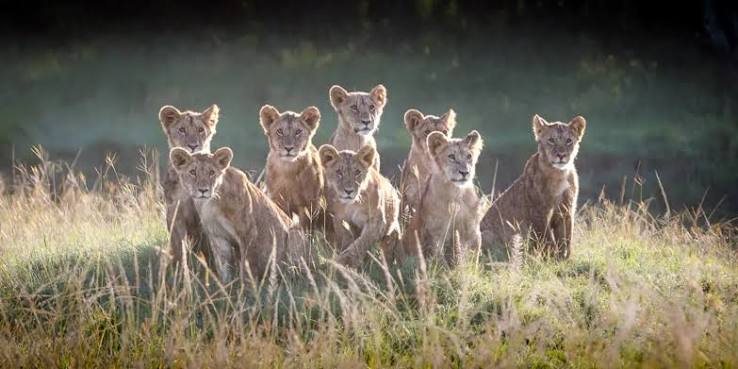
Can You See Baby Animals in Kenya Safaris?
Kenya offers one of the most remarkable wildlife experiences in the world, and seeing baby animals in their natural habitat creates memories that last a lifetime. A Kenya safari is not only about spotting powerful lions, massive elephants, graceful giraffes, or large herds crossing the plains. It also reveals the softer and more emotional side of nature through newborn animals learning, playing, and growing under the protection of their mothers.
Every year, Kenya’s diverse ecosystems welcome thousands of newborn animals. From the open grasslands of the Maasai Mara to the dry landscapes of Amboseli and the forests of Laikipia, visitors have opportunities to witness young wildlife during different seasons. These moments provide a deeper understanding of animal behavior, conservation, and the delicate balance that keeps Africa’s ecosystems alive.
A well-planned safari increases the chances of seeing baby animals because wildlife follows natural cycles linked to rainfall, food availability, and breeding patterns. Understanding these patterns allows travelers to choose the right destinations and travel periods for the best possible experience. Whether watching a lion cub explore the grasslands, a baby elephant walk beside its family, or a young giraffe take its first steps, these encounters create a powerful connection between travelers and the natural world.
Kenya remains one of Africa’s leading safari destinations because it combines incredible wildlife diversity, experienced guides, protected conservation areas, and breathtaking landscapes. A safari focused on young animals offers more than sightseeing; it provides education, inspiration, and a chance to appreciate the importance of protecting wildlife for future generations.
Combined Uganda, Kenya, Rwanda and Tanzania Safaris
17 days Kenya Tanzania and Uganda safari
19 Days Uganda Kenya and Tanzania Safari
16 Days Kenya Tanzania and Uganda Safari
14 Days Kenya Uganda and Tanzania Safari
14 Days Kenya Uganda and Rwanda Safari
12 Day Gorilla Trekking and Tanzania Safari
Why Kenya Is One of the Best Destinations to See Baby Animals in the Wild
Kenya stands among the world’s top wildlife destinations because its ecosystems support a remarkable variety of animals throughout the year. The country’s national parks, reserves, and private conservancies create safe environments where many species reproduce and raise their young. This combination of rich biodiversity and strong conservation efforts makes Kenya an ideal destination for travelers who want to experience the beauty of newborn wildlife.
One major reason Kenya provides excellent opportunities for seeing baby animals is the availability of large protected areas. Places such as the Maasai Mara National Reserve, Amboseli National Park, Tsavo National Parks, and Laikipia conservancies allow animals to move naturally while maintaining access to food and water. These conditions support healthy breeding populations of mammals, birds, and other wildlife species.
Additionally, Kenya’s seasonal changes influence animal births in fascinating ways. Many herbivores time their births around periods when fresh grass becomes available after rainfall. This strategy gives newborn animals better chances of survival because mothers can find enough food to produce milk and protect their young. As a result, certain months provide higher chances of witnessing young animals taking their first steps in the wild.
Experienced safari guides also play an important role in helping visitors discover these special moments. Professional guides understand animal behavior, track movements, and know areas where families often gather. Their knowledge helps travelers enjoy respectful wildlife encounters without disturbing the animals.
For international visitors, Kenya provides a complete safari experience that combines wildlife viewing, cultural experiences, comfortable accommodations, and expert guidance. Seeing baby animals becomes even more meaningful when travelers understand the environment that supports their growth and survival.
The Best Time to See Baby Animals During Kenya Safaris
Timing plays an important role when planning a safari focused on baby animals. Although visitors can encounter young wildlife throughout the year, certain seasons create better opportunities because many species give birth during specific periods. Choosing the right travel season helps increase the chances of witnessing newborn animals while enjoying excellent game viewing conditions.
The period after the rainy seasons often creates some of the best wildlife experiences in Kenya. During these months, landscapes become greener, water sources improve, and fresh vegetation attracts large numbers of herbivores. Many animals give birth during these favorable conditions because mothers have better access to food, which supports both their health and the growth of their young.
The Maasai Mara is especially famous for remarkable wildlife moments. During the months when the plains support abundant grazing, visitors may spot young wildebeest, zebra foals, gazelle calves, and other newborn animals following their mothers across the open savannah. These scenes demonstrate the incredible survival journey that begins immediately after birth.
However, every region offers different opportunities. Amboseli National Park provides unforgettable elephant family experiences, where young calves remain close to protective herd members. Laikipia’s conservation areas offer opportunities to see young rhinos, giraffes, and other species in less crowded environments. Tsavo’s wide landscapes also provide chances to observe elephant calves and other wildlife families.
Travelers should remember that nature does not follow a strict calendar. Wildlife births depend on rainfall patterns, environmental conditions, and animal behavior. Therefore, working with knowledgeable safari professionals helps create realistic expectations and improves the overall experience.
A carefully planned Kenya safari allows visitors to witness one of nature’s greatest events: the beginning of new life in the African wilderness.
Baby Lions, Elephants, Giraffes, and Other Young Animals You Can See in Kenya
Kenya’s wildlife diversity creates opportunities to see many different baby animals during a safari. Each species offers a unique story of survival, family bonds, and adaptation. Watching young animals interact with their parents provides valuable insight into the natural world and creates some of the most unforgettable moments in Africa tourism.
Lion cubs are among the most exciting animals to observe. Young lions spend their early months learning essential survival skills from their mothers and other members of the pride. They play together, practice hunting movements, and gradually develop the confidence needed to survive in the challenging African environment. Seeing lion cubs in the grasslands provides a rare opportunity to understand the importance of family structures among predators.
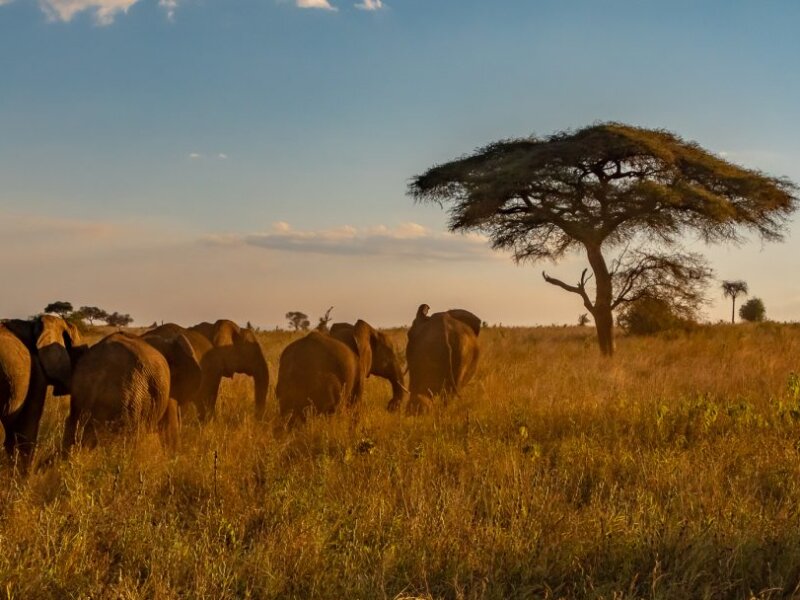
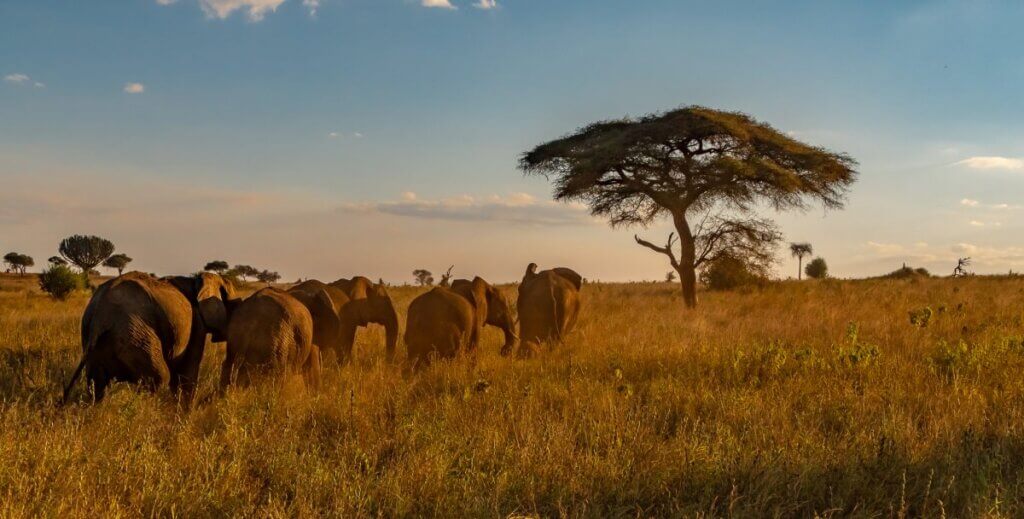
Elephant calves create another unforgettable safari experience. African elephants maintain strong family relationships, and young calves receive protection from their mothers and the entire herd. Baby elephants often stay close to adult females, learning how to walk, communicate, and navigate their surroundings. Their playful behavior and strong emotional connections make them a favorite sight among safari travelers.
Giraffe calves also provide remarkable viewing opportunities. A newborn giraffe enters the world with impressive determination, quickly learning to stand and follow its mother. Watching a young giraffe move across the savannah highlights the incredible challenges animals overcome from their earliest moments.
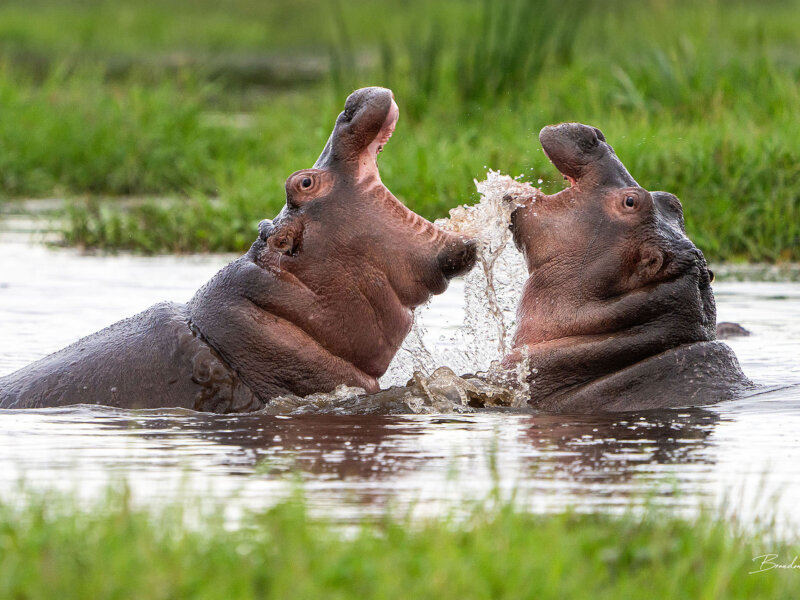
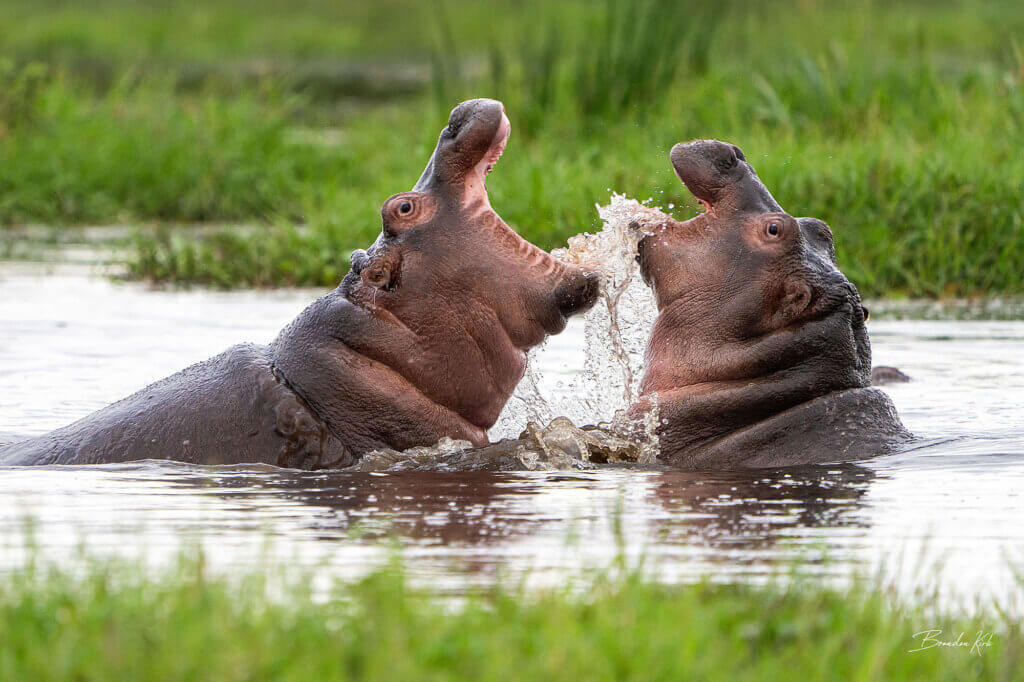
Other young animals commonly seen in Kenya include zebra foals, wildebeest calves, buffalo calves, cheetah cubs, hippo calves, and various antelope species. Each encounter reveals a different aspect of wildlife survival and highlights the importance of conservation.
A safari that focuses on baby animals allows travelers to see more than animals; it allows them to experience the ongoing story of life in Africa’s wilderness.
How Safari Guides Help You Find Baby Animals in Kenya’s Wilderness
A successful baby animal safari depends greatly on knowledge, experience, and responsible wildlife tracking. Kenya’s wilderness covers thousands of square kilometers, and animals move freely according to food, water, weather, and safety conditions. Because of this, finding newborn animals requires more than simply entering a national park and driving around. Professional safari guides bring valuable expertise that helps travelers discover special wildlife moments while respecting the natural environment.
Experienced guides understand animal behavior and recognize important signs that reveal where families may be located. They study tracks, feeding patterns, movement routes, and seasonal changes to identify areas where young animals often appear. For example, a guide may know where elephant herds gather during dry periods or where antelope mothers raise their young after the rainy season. This knowledge improves the quality of the safari and creates meaningful encounters.
Furthermore, skilled guides help visitors understand what they see. Seeing a baby animal is exciting, but learning why it behaves in a certain way makes the experience even more valuable. A young lion playing with siblings, an elephant calf following its mother, or a giraffe calf staying close to the herd all demonstrate important survival lessons. Guides explain these behaviors and help travelers appreciate the complexity of wildlife.
Responsible guiding also protects animals. Young wildlife remains vulnerable, and careless tourism can create unnecessary stress. Professional guides maintain safe distances, follow park regulations, and avoid disturbing animal families. This approach ensures that visitors enjoy incredible experiences while supporting long-term conservation.
Therefore, choosing a safari company with knowledgeable guides makes a significant difference. A great guide does not only help travelers find animals; they create educational experiences that build respect for Africa’s wildlife and ecosystems.
The Best Kenya Safari Destinations for Seeing Baby Animals
Kenya offers several exceptional destinations where travelers can experience young animals in beautiful natural settings. Each location provides unique wildlife opportunities, and choosing the right destination depends on the species visitors want to see, the season of travel, and the type of safari experience they prefer.
The Maasai Mara National Reserve remains one of the most popular places for wildlife enthusiasts. Its endless grasslands support large populations of lions, elephants, giraffes, zebras, wildebeest, and many other species. During periods when grazing conditions improve, visitors can often see young herbivores moving alongside their mothers. The open landscape also makes wildlife viewing easier because animals are more visible across the plains.
Amboseli National Park provides another unforgettable experience, especially for travelers interested in elephant families. The park’s famous elephant populations often move through landscapes with views of Mount Kilimanjaro in the background. Young elephants receive protection from older members of the herd, creating emotional and memorable safari moments.
Tsavo East and Tsavo West National Parks offer a more adventurous experience because of their vast wilderness areas. These parks support large elephant populations and many other species that raise their young in protected environments. The wide landscapes provide a sense of true African wilderness and allow visitors to enjoy wildlife away from busy tourist areas.
Laikipia’s private conservancies also provide excellent opportunities to see young animals. These areas combine conservation, community involvement, and responsible tourism. Visitors can enjoy exclusive wildlife experiences while learning about efforts to protect endangered species.
Each destination contributes something special to a Kenya safari. Whether travelers want to see playful lion cubs, elephant calves, giraffe babies, or young antelopes, Kenya provides diverse opportunities to witness new life in the wild.
Responsible Wildlife Viewing When Seeing Baby Animals in Kenya
Seeing baby animals during a Kenya safari creates powerful emotions, but responsible tourism remains essential. Young animals depend on protection, and visitors must observe them in ways that support their safety and natural development. Ethical wildlife viewing allows future generations to experience the same incredible moments.
The first rule of responsible viewing involves maintaining a respectful distance. Although baby animals may appear calm, they remain sensitive to human presence. Approaching too closely can interrupt feeding, resting, or bonding between mothers and their young. Professional safari guides understand these limits and ensure visitors enjoy clear views without causing disturbance.
Additionally, travelers should avoid making loud noises or sudden movements near wildlife. Animals rely on their natural instincts, and unnecessary disruptions can create stress. Quiet observation allows visitors to witness authentic behaviors, including play, learning, feeding, and family interactions.
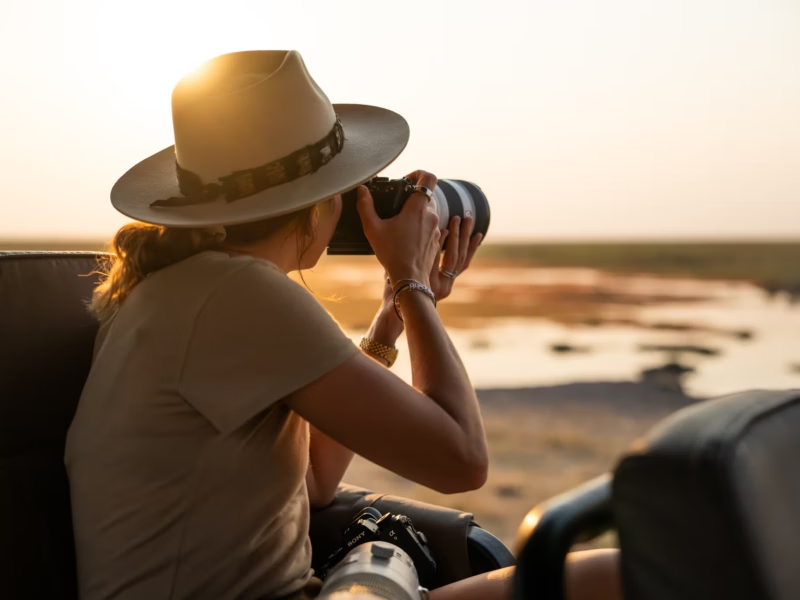
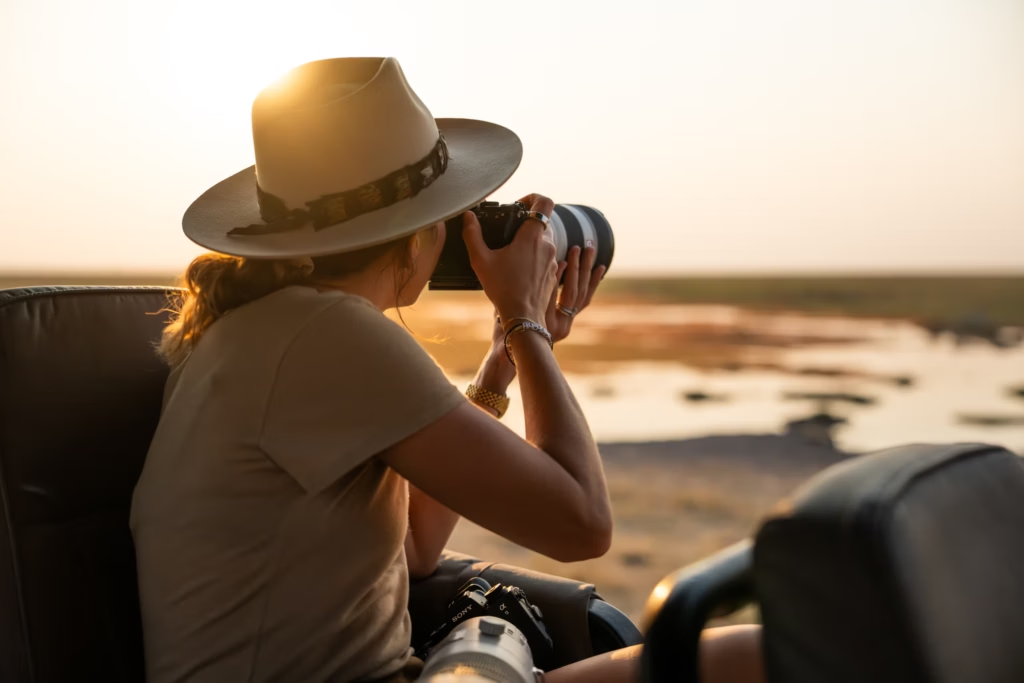
Photography also requires responsibility. Capturing images of baby animals creates wonderful memories, but visitors should never sacrifice animal welfare for a photograph. Flash photography, chasing animals, or requesting unsafe positioning can negatively affect wildlife. Respectful photography focuses on observing animals naturally in their environment.
Supporting conservation-focused tourism also contributes to protecting young wildlife. Safari fees help fund park management, habitat protection, anti-poaching programs, and community conservation projects. Responsible travelers become part of the solution by choosing experiences that value wildlife protection.
A Kenya safari becomes more meaningful when visitors understand their role in preserving nature. Witnessing baby animals is not only about personal enjoyment; it is about appreciating the responsibility humans have toward the planet’s incredible species.
Why Seeing Baby Animals Creates an Unforgettable Kenya Safari Experience
A safari becomes truly special when travelers experience moments that connect them emotionally with nature. Baby animals create some of the most powerful memories because they represent growth, survival, and the continuation of wildlife generations. These encounters transform a simple wildlife tour into a meaningful journey of discovery.
Young animals display curiosity, energy, and innocence that capture the attention of visitors from around the world. Watching a lion cub explore its surroundings, an elephant calf play with its family, or a zebra foal follow its mother across the plains creates unforgettable scenes. These moments allow travelers to see the personal side of wildlife beyond traditional game viewing.
Furthermore, baby animals help visitors understand the importance of conservation. Every newborn represents hope for the future of endangered and threatened species. Seeing these animals in protected areas highlights why conservation efforts matter and why preserving natural habitats remains essential.
For families, a safari focused on young animals creates an educational adventure. Children and adults can learn about animal behavior, ecosystems, and environmental responsibility through real-life experiences. Instead of only reading about wildlife, travelers witness nature’s lessons directly in the African wilderness.
For photographers and nature enthusiasts, young animals provide incredible opportunities to capture authentic moments. Their playful behavior, family interactions, and early survival experiences create unique photography opportunities that cannot be recreated.
Ultimately, baby animals add emotional depth to Kenya safaris. They remind visitors that Africa’s wilderness represents more than beautiful landscapes and famous animals. It represents a living ecosystem where every creature plays an important role.
Final Thoughts: Experience the Beauty of Baby Animals on a Kenya Safari with Giant Holiday Safaris
Seeing baby animals in Kenya offers one of the most rewarding wildlife experiences available anywhere in the world. From playful lion cubs and protective elephant calves to young giraffes and newborn antelopes, these encounters reveal the beauty, strength, and resilience of Africa’s natural world. A well-planned safari provides the opportunity to witness these unforgettable moments while learning about wildlife behavior, conservation, and the importance of protecting fragile ecosystems.
Kenya’s diverse landscapes, experienced guides, and world class conservation areas create the perfect environment for travelers seeking authentic wildlife adventures. Every season brings new possibilities, and every safari drive can reveal a remarkable story unfolding in the wild. By choosing responsible tourism, visitors contribute to protecting the animals and habitats that make Kenya such an extraordinary destination.
For travelers searching for a trusted partner to create meaningful wildlife experiences, Giant Holiday Safaris provides expertly planned Kenya safari adventures designed around comfort, safety, conservation, and unforgettable encounters. With a strong understanding of Africa’s landscapes and wildlife, Giant Holiday Safaris helps global travelers discover the magic of Kenya while creating memories that remain valuable for a lifetime.