Predator Safaris in Kenya
April 25, 2026
Giraffe Species in Kenya
April 25, 2026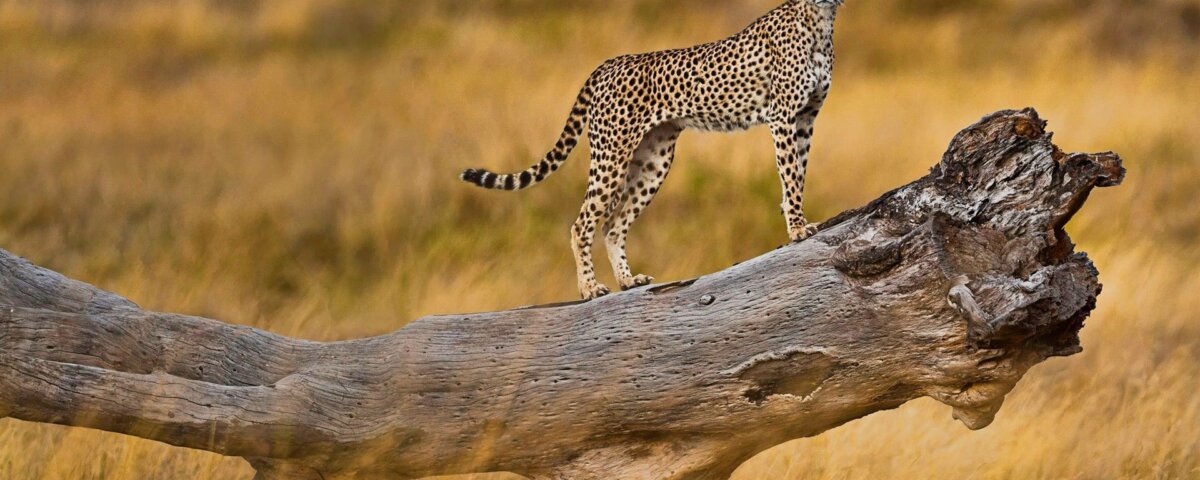
Cheetah Tracking in Kenya Safaris
Cheetah tracking in Kenya safaris delivers one of the most exciting and focused wildlife experiences in Africa. From the moment you enter the open plains, you feel the energy of the landscape and the anticipation of the search. Unlike general game drives, this experience centers on one of the fastest and most graceful predators on Earth. As a result, every movement matters, and every sighting feels earned.
Moreover, cheetah tracking goes beyond simple viewing. It reveals behavior, strategy, and survival in real time. You begin to notice how cheetahs scan the horizon, select prey, and use the terrain to their advantage. Because of this deeper focus, the experience becomes both educational and thrilling. In addition, it strengthens your connection to the natural world.
Kenya stands out as a top destination for this activity due to its wide savannahs and strong cheetah populations. These open landscapes support visibility, which makes tracking more effective. Furthermore, experienced guides and well-managed conservancies improve the quality of every encounter.
In this guide, I explain how cheetah tracking works, where to go, what to expect, and how to prepare. By the end, you will feel confident and ready to plan a safari that highlights one of Africa’s most iconic hunters.
Cheetah Tracking in Kenya Safaris: What is Cheetah Tracking
Cheetah tracking in Kenya safaris focuses on locating, observing, and understanding cheetahs in their natural habitat. Unlike traditional safaris, this approach places emphasis on behavior and movement rather than just sightings. Because of this, every drive becomes more interactive and purposeful.
First, guides use tracks, visual cues, and knowledge of territory to locate cheetahs. They look for footprints, scan open plains, and observe prey activity. As a result, the search becomes part of the experience. Instead of waiting for animals to appear, you actively follow their trail.
In addition, cheetah tracking often takes place in areas with known populations. Guides monitor individual animals and understand their habits. Therefore, they can predict movement patterns and increase the chances of sightings.
Another key aspect involves patience. Cheetahs may rest for long periods, especially after a hunt. However, once they become active, the pace changes quickly. Because of this contrast, the experience feels both calm and intense.
Overall, cheetah tracking creates a deeper level of engagement. It combines knowledge, observation, and timing to deliver a rewarding safari experience.
Cheetah Tracking in Kenya Safaris: Top Locations
Kenya offers several excellent locations for cheetah tracking, and each area provides unique advantages. Therefore, choosing the right destination plays a key role in your overall experience.
The Maasai Mara stands out as the leading location. Its wide, open plains allow clear visibility, which makes tracking easier. In addition, the region supports a healthy cheetah population. Because of this, sightings occur more frequently, especially during peak seasons.
Laikipia also offers a strong alternative. Private conservancies in this region provide fewer crowds and more exclusive access. As a result, tracking feels more personal and less rushed. Furthermore, guides in these areas often follow specific cheetah individuals, which improves success rates.
Samburu presents a different but equally rewarding environment. The semi-arid landscape creates unique challenges, yet cheetahs adapt well to these conditions. Because of this, tracking in Samburu reveals different behavior patterns.
Amboseli and nearby conservancies add variety. Although not as famous for cheetahs as the Mara, these areas still provide good opportunities, especially with experienced guides.
By combining two or more regions, you increase your chances of diverse and consistent sightings.
Understanding Cheetah Behavior in the Wild
Understanding cheetah behavior improves your tracking experience and deepens your appreciation of the species. Because cheetahs rely on speed rather than strength, their actions follow a unique pattern.
First, cheetahs prefer open areas. These spaces allow them to spot prey from a distance and build speed during a chase. As a result, you often find them resting on termite mounds or small rises where they can scan the landscape.
In addition, cheetahs hunt during the day. Unlike many predators, they avoid competition by staying active in daylight hours. Therefore, you have a better chance of witnessing a hunt compared to other big cats.
Cheetahs also conserve energy carefully. After a chase, they rest for long periods. Because of this, patience becomes essential during tracking. However, when they decide to move, the action unfolds quickly and dramatically.
Another important factor involves cubs. Female cheetahs often move frequently to protect their young. As a result, tracking mothers with cubs requires extra skill and attention.
By understanding these behaviors, you improve your chances of meaningful sightings and gain a deeper connection to the experience.
Cheetah Tracking in Kenya Safaris: Best Time
Timing plays a critical role in cheetah tracking success. Therefore, planning your safari around the right season makes a clear difference.
The dry seasons, from June to October and January to February, offer the best conditions. During these months, grass remains short, and visibility improves. As a result, spotting cheetahs becomes easier. In addition, prey animals gather around water sources, which increases hunting activity.
The migration period in the Maasai Mara also enhances the experience. From July to October, large herds move across the plains. Because of this movement, cheetahs find more hunting opportunities, and sightings become more dynamic.
However, the green season offers its own advantages. From November to May, landscapes appear lush and vibrant. Although grass grows taller, fewer tourists visit during this time. Therefore, the experience feels quieter and more exclusive.
Weather conditions also influence activity. Cooler mornings and late afternoons provide the best chances for sightings. For this reason, I always recommend early game drives.
By choosing the right time, you increase both the quality and frequency of your encounters.
How to Plan a Successful Cheetah Tracking Safari
Planning a successful cheetah tracking safari requires attention to detail and smart choices. Because this experience focuses on a specific species, preparation becomes even more important.
First, select the right location. Areas with strong cheetah populations and open landscapes offer better tracking conditions. In addition, private conservancies often provide more flexibility and fewer vehicles.
Next, choose an experienced safari operator. Skilled guides understand cheetah behavior and know how to track them effectively. Therefore, your chances of meaningful sightings increase significantly.
Also, plan your stay carefully. Spending at least three to five nights in one area allows enough time to follow cheetah movements. As a result, you gain a more consistent and rewarding experience.
In addition, schedule drives during peak activity hours. Early mornings and late afternoons remain the most productive times.
Finally, stay patient and flexible. Nature changes daily, and each drive offers a different outcome. However, with the right approach, you maximize your chances of success.
The Role of Guides in Cheetah Tracking
Guides play a central role in cheetah tracking. Without their knowledge and skill, the experience would feel incomplete. Therefore, choosing a destination with strong guiding standards becomes essential.
First, guides understand cheetah behavior in detail. They know where to look, when to search, and how to interpret signs. For example, they read tracks, observe prey movement, and scan open areas. Because of this expertise, they locate cheetahs more efficiently.
In addition, guides communicate with each other. This teamwork helps track animal movement across large areas. As a result,sightings become more consistent without disturbing wildlife.
Moreover, guides position vehicles carefully. They ensure clear views while maintaining a safe and respectful distance. This approach protects both guests and animals.
Guides also educate throughout the experience. They explain hunting strategies, social behavior, and survival challenges. Because of this, you leave with both memories and knowledge.
A skilled guide transforms a simple safari into a meaningful and engaging journey.
Responsible Tourism and Cheetah Conservation
Cheetah tracking depends on strong conservation efforts. Therefore, responsible tourism plays a vital role in protecting this vulnerable species.
First, many safari areas operate within conservancies that prioritize wildlife protection. These areas limit vehicle numbers and enforce strict guidelines. As a result, cheetahs experience less stress and maintain natural behavior.
In addition, tourism supports local communities. Revenue from safaris creates jobs and funds important projects. Because communities benefit directly, they support conservation efforts.
Ethical viewing also matters. Guides avoid chasing cheetahs and maintain safe distances. This respect ensures long term sustainability and protects the animals.
Furthermore, conservation programs monitor cheetah populations and reduce human wildlife conflict. These efforts help maintain balance within ecosystems.
As a traveler, your choices make an impact. By selecting eco friendly lodges and responsible operators, you contribute to conservation and help protect cheetahs for future generations.
What to Pack for a Cheetah Tracking Safari
Packing the right items improves comfort and performance during your safari. Therefore, I focus on essentials that support both viewing and mobility.
First, wear neutral colored clothing. Shades like green and brown blend into the environment and reduce disturbance. In addition, lightweight fabrics keep you comfortable during warm days.
However, mornings and evenings can feel cool. Therefore, bring a light jacket or sweater.
Footwear also matters. Comfortable closed shoes provide support during drives and short walks. In addition, a hat and sunglasses protect against strong sunlight.
Bring binoculars to improve your ability to spot distant animals. A camera with a zoom lens helps capture detailed images without disturbing wildlife.
Also, carry sunscreen and insect repellent for protection. These items improve overall comfort throughout the day.
Finally, use a small backpack to keep essentials organized. With proper preparation, you stay ready and focused on the experience.
Why Cheetah Tracking Elevates Your Safari Experience
Cheetah tracking adds depth, excitement, and meaning to your safari. Unlike general game drives, this experience focuses on one species, which creates a stronger connection. Giant Holiday Safaris specializes in crafting cheetah tracking itineraries that highlight this connection, ensuring travelers enjoy authentic encounters guided by seasoned experts.
First, you witness real behavior. You follow movement, observe strategy, and understand survival. As a result, every sighting feels more significant. With Giant Holiday Safaris, professional guides lead you through the plains to observe cheetahs in action, making each sighting both thrilling and responsibly managed.
Second, the experience increases engagement. You actively track animals instead of waiting for sightings. Because of this involvement, every moment feels purposeful. Giant Holiday Safaris enhances this engagement by involving travelers in the tracking process, offering insights and strategies that make the journey interactive and rewarding.
In addition, cheetah tracking builds knowledge. You learn about ecosystems, prey dynamics, and predator behavior. Therefore, the safari becomes both exciting and educational. Through Giant Holiday Safaris, guests gain deeper understanding of predator prey dynamics, supported by expert commentary that transforms each sighting into a learning experience.
Moreover, this experience supports conservation. By participating, you contribute to protecting wildlife and supporting local communities. Giant Holiday Safaris is committed to conservation, partnering with local initiatives to safeguard cheetah habitats and empower communities through sustainable tourism.
Most importantly, the memories last. The thrill of seeing a cheetah move across the plains stays with you long after the journey ends. With Giant Holiday Safaris as your trusted operator, those memories are enriched by tailored itineraries, ethical practices, and exceptional service ensuring your cheetah safari remains unforgettable and impactful for years to come.
Final Thoughts
Cheetah tracking in Kenya safaris delivers a unique and unforgettable experience. It reveals the speed, precision, and beauty of one of Africa’s most iconic predators. At the same time, it builds a deeper understanding of the natural world. Giant Holiday Safaris elevates this adventure by offering expertly guided cheetah tracking itineraries that combine thrilling encounters with comfort, safety, and personalized service.
Kenya provides the perfect setting with its open landscapes, strong wildlife populations, and expert guides. With proper planning, you can experience some of the most exciting moments in the wild. Through Giant Holiday Safaris, travelers gain access to prime cheetah habitats and benefit from the knowledge of seasoned guides who ensure every sighting is authentic and responsibly managed.
Moreover, responsible travel ensures that these experiences remain sustainable. By choosing ethical operators, you help protect cheetahs and their habitats. Giant Holiday Safaris is deeply committed to conservation, supporting initiatives that safeguard cheetah populations and their ecosystems while fostering partnerships with local communities.
In the end, cheetah tracking stands as one of the most rewarding safari experiences in Africa. It challenges your senses, deepens your knowledge, and leaves you with lasting memories of the wild. With Giant Holiday Safaris as your trusted operator, those memories are enriched by sustainable practices, expert guidance, and tailored itineraries ensuring your cheetah safari is both unforgettable and impactful for generations to come.
Combined Uganda, Kenya, Rwanda and Tanzania Safaris
17 days Kenya Tanzania and Uganda safari
19 Days Uganda Kenya and Tanzania Safari
16 Days Kenya Tanzania and Uganda Safari
14 Days Kenya Uganda and Tanzania Safari
14 Days Kenya Uganda and Rwanda Safari