Night Game Drives in Kenya Explained
April 25, 2026
Cheetah Tracking in Kenya Safaris
April 25, 2026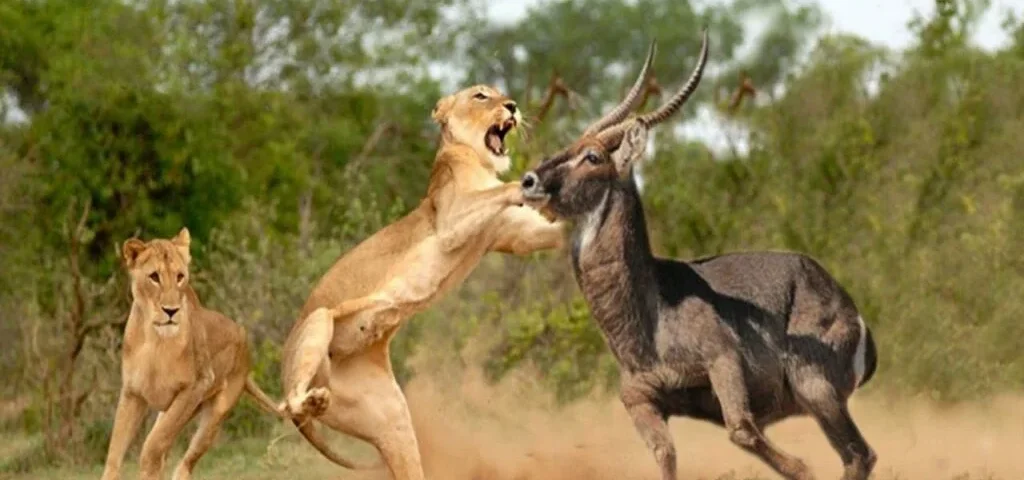
Predator Safaris in Kenya
Kenya delivers one of the most thrilling wildlife experiences on Earth, and predator safaris sit at the heart of that adventure. From the very beginning, this experience reveals the raw energy of the wild. You do not just see animals; instead, you witness strategy, survival, and power in motion. As a result, every drive feels purposeful, and every sighting tells a compelling story.
Moreover, predator safaris offer far more than excitement. They build a deeper understanding of ecosystems and animal behavior. For instance, lions plan hunts with precision, while leopards rely on stealth. At the same time, cheetahs depend on speed. Because each predator uses a unique approach, every encounter feels fresh and engaging. Consequently, travelers gain both knowledge and unforgettable memories.
In addition, Kenya stands out as a top destination because of its diverse landscapes and strong conservation model. From open savannahs to dry northern plains, the country supports a wide range of predators. Furthermore, skilled guides and well-managed conservancies improve the quality of every encounter.
In this guide, I break down everything you need to know. Specifically, I cover top locations, key species, best timing, and practical tips. By the end, you will feel confident and ready to plan a safari that connects you directly with Africa’s most iconic hunters.
Predator Safaris in Kenya: What Makes This Safari Experience Unique
Predator-focused safaris create a different kind of energy compared to general wildlife viewing. While standard safaris often focus on variety, this experience highlights behavior, timing, and movement. Because of this focus, every sighting feels more intentional and rewarding.
First, predators stay active at specific times. In particular, early mornings and late evenings bring the best action. During these cooler hours, animals begin to hunt or patrol their territory. Therefore, your chances of seeing real interactions increase significantly.
In addition, these safaris require patience and skill. Guides track footprints, listen for alarm calls, and observe subtle environmental changes. As a result, the experience feels dynamic and immersive. Instead of simply watching, you actively follow the process.
Moreover, unpredictability adds excitement. At one moment, the bush may seem quiet; however, the next moment may bring sudden action. For example, a lion pride may move into position, or a cheetah may begin a chase. Because of this contrast, every drive feels alive and full of anticipation.
Best Places to See Predators in Kenya
Kenya offers several prime locations, and each destination delivers a unique perspective. Therefore, I always recommend choosing areas with strong predator populations and expert guiding.
To begin with, the Maasai Mara stands as the top choice. This region supports large lion prides, strong cheetah populations, and frequent leopard sightings. In addition, the open plains make tracking easier. Furthermore, the annual migration attracts predators, which increases dramatic encounters.
On the other hand, Laikipia offers a more exclusive experience. Private conservancies limit crowds while supporting strong conservation efforts. As a result, sightings feel more personal and less rushed. Here, rare species such as African wild dogs and striped hyenas appear more often.
Meanwhile, Samburu presents a different environment. The dry landscape shapes predator behavior in unique ways. For instance, leopards stay close to riverbanks, while lions move strategically across open terrain.
Finally, Amboseli adds variety with its iconic scenery and steady predator activity in nearby conservancies. When combined, these destinations create a richer and more complete safari experience.
Predator Safaris in Kenya: Key Predators You Will Encounter
Kenya’s predators define the safari experience. Each species uses a different strategy, and because of that, every sighting feels unique.
First, lions dominate the landscape. They hunt in groups and rely on coordination. As a result, watching a pride work together reveals strength, timing, and teamwork.
In contrast, leopards operate alone. They depend on stealth and patience. Because they move quietly and strike suddenly, spotting one feels both challenging and rewarding.
At the same time, cheetahs focus on speed. They hunt during the day and rely on fast bursts of energy. Therefore, a chase unfolds quickly and delivers intense moments.
Additionally, hyenas add complexity to the experience. They show intelligence, strong social bonds, and effective hunting skills. Although often misunderstood, they play a vital role in the ecosystem.
Beyond these, smaller predators such as servals and jackals add variety. Together, these species highlight the richness and balance of Kenya’s wildlife.
When to Plan Your Safari
Timing shapes the success of your experience. For this reason, I always plan around seasons and animal movement patterns.
First, the dry seasons from June to October and January to February offer the best conditions. During this time, short grass and limited water sources draw prey animals together. Consequently, predators follow, which increases action and visibility.
In addition, the migration season adds another layer of excitement. From July to October, large herds move across the Maasai Mara. As they move, predators track them closely, creating frequent hunting opportunities.
However, the green season also offers clear advantages. Landscapes become lush, and visitor numbers drop. As a result, the experience feels quieter and more exclusive, even though sightings may require more effort.
Furthermore, cooler temperatures influence predator activity. Therefore, early mornings and late afternoons remain the best times for game drives.
Predator Safaris in Kenya: Planning a High-Quality Safari
Strong planning leads to better results. Therefore, I focus on a few key elements to create a successful experience.
First, choose locations with strong wildlife presence and experienced guides. In many cases, private conservancies provide better access and fewer vehicles.
Next, work with a reliable safari operator. Because expert guides understand animal behavior, they can track predators more effectively.
In addition, stay at least three to five nights in one area. This allows you to follow movement patterns and improve your chances of consistent sightings.
Also, schedule drives during peak activity hours. Early mornings and late afternoons consistently deliver the best results.
Finally, pack practical gear and stay flexible. Since nature changes daily, patience and adaptability remain essential.
Why Expert Guides Matter
Guides shape the entire safari experience. Without them, many sightings would not happen. Therefore, their role remains essential.
First, guides read tracks, interpret sounds, and understand animal behavior. For example, alarm calls often signal a nearby predator. Because of this knowledge, guides locate action quickly.
In addition, they communicate with other guides. This teamwork improves efficiency and increases sightings without disturbing wildlife.
Moreover, guides manage positioning carefully. They place vehicles in the best locations while maintaining safety and respect for animals.
At the same time, they educate throughout the journey. As they explain behavior and strategies, the experience becomes more meaningful and engaging.
Predator Safaris in Kenya: Supporting Conservation Through Travel
Predator safaris rely on strong conservation efforts. Therefore, responsible tourism plays a vital role.
First, many safari areas operate within conservancies. These regions limit vehicle numbers and protect habitats. As a result, both wildlife and visitors benefit.
In addition, tourism supports local communities. It creates jobs and funds essential services. Consequently, communities actively support conservation efforts.
Furthermore, ethical wildlife viewing protects animal behavior. Guides maintain distance and avoid disturbance, which ensures long term sustainability.
As a traveler, your choices matter. When you choose eco friendly lodges and responsible operators, you directly support conservation and protect wildlife for the future.
What to Pack for the Experience
Packing smartly improves comfort and performance. Therefore, I focus on practical essentials.
First, wear neutral colors to blend into the environment. Lightweight clothing works during the day, while a jacket keeps you warm in cooler hours.
Next, choose comfortable closed shoes. In addition, bring a hat and sunglasses for sun protection.
Also, carry binoculars for better viewing and a camera with a zoom lens for detailed shots.
Do not forget sunscreen and insect repellent. These items protect you and improve overall comfort.
Finally, use a small backpack to organize essentials like water and snacks. With proper preparation, you stay comfortable and ready for every moment.
Predator Safaris in Kenya: Why This Safari Stands Out
This experience goes beyond traditional travel. In fact, it reveals the true dynamics of the wild and creates lasting impact. Giant Holiday Safaris designs predator-focused journeys that highlight these dynamics, ensuring travelers experience the raw beauty of nature with expert guidance and personalized service.
First, you witness real behavior instead of staged moments. As a result, every sighting feels authentic and powerful. With Giant Holiday Safaris, professional guides lead you to genuine predator encounters, making each moment both thrilling and responsibly managed.
Second, you gain valuable knowledge about ecosystems and predator roles. Therefore, the journey becomes both exciting and educational. Giant Holiday Safaris enriches this learning by offering insightful commentary from experienced guides who explain predator interactions and their role in Kenya’s ecosystems.
In addition, your visit supports conservation and local communities. Because of this, your travel creates a positive impact. Giant Holiday Safaris actively supports conservation initiatives and collaborates with local communities, ensuring that every safari contributes to sustainable tourism and wildlife protection.
Most importantly, the memories last. The thrill of tracking and observing predators stays with you long after the safari ends. By choosing Giant Holiday Safaris, these memories are elevated through carefully tailored itineraries, ethical practices, and exceptional service leaving travelers with unforgettable experiences that resonate for a lifetime.
Final Thoughts
Predator safaris in Kenya deliver a powerful and unforgettable experience. They reveal the rhythm of the wild and create a deep connection with nature. Giant Holiday Safaris enhances this connection by curating predator focused itineraries that immerse travelers in authentic encounters while ensuring comfort and safety throughout the journey.
Moreover, Kenya offers the perfect setting with strong wildlife populations, expert guides, and well managed conservancies. With proper planning, you can witness moments that few places can offer. By partnering with expert guides and reputable conservancies, Giant Holiday Safaris guarantees travelers front row access to Kenya’s thriving predator populations, making every safari both thrilling and responsibly managed.
At the same time, responsible travel ensures sustainability. When you choose ethical operators, you help protect wildlife for future generations. Giant Holiday Safaris is committed to ethical practices, supporting conservation initiatives and ensuring that each safari contributes to the protection of Kenya’s wildlife heritage.
In the end, this safari stands as one of the most rewarding journeys you can take. It challenges your senses, builds your understanding, and leaves you with lasting memories of Africa’s untamed wilderness. With Giant Holiday Safaris as your trusted operator, these memories are enriched by expert guidance, sustainable practices, and personalized service ensuring your predator safari is not only unforgettable but also impactful for generations to come.
Combined Uganda, Kenya, Rwanda and Tanzania Safaris
17 days Kenya Tanzania and Uganda safari
19 Days Uganda Kenya and Tanzania Safari
16 Days Kenya Tanzania and Uganda Safari
14 Days Kenya Uganda and Tanzania Safari
14 Days Kenya Uganda and Rwanda Safari