Explore Kenya’s Hidden Gems
May 9, 2026
Kenya Safari Ecosystem Diversity
May 9, 2026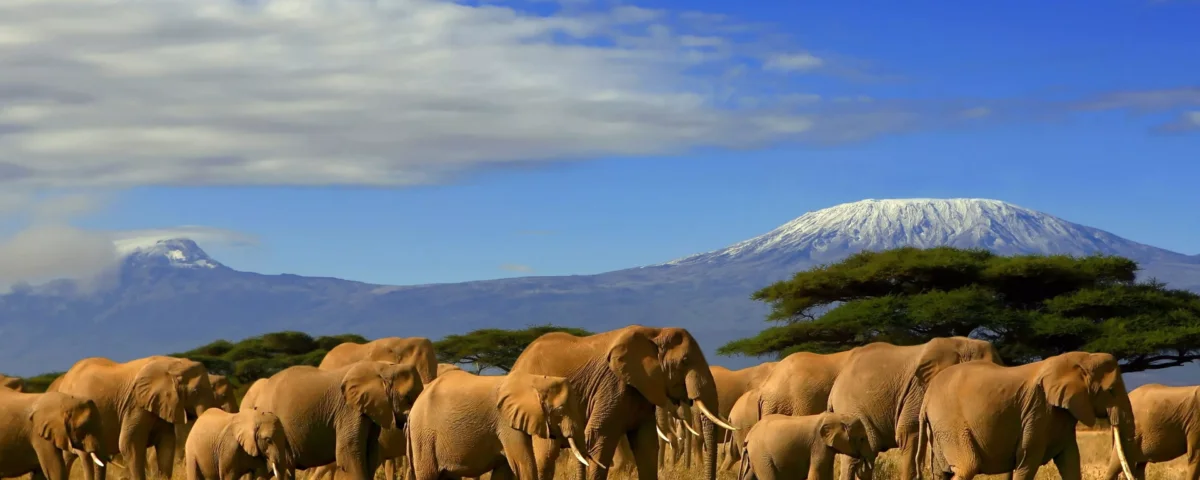
Kenya Cultural Regions Guide
Kenya stands as one of Africa’s richest cultural and wildlife destinations. Beyond its famous safari parks, the country holds deep cultural diversity shaped by more than 40 ethnic communities. Each group carries unique traditions, lifestyles, and connections to land and wildlife. This Kenya Safari Cultural Regions Guide explores those cultural landscapes that add meaning and depth to every safari experience.
Travelers often focus on wildlife first. However, culture shapes how people live alongside animals, protect nature, and share stories about their environment. Therefore, understanding cultural regions helps visitors experience Kenya more fully and authentically. In addition, cultural tourism strengthens local communities by creating jobs, preserving traditions, and supporting sustainable development.
Moreover, Kenya’s cultural regions connect closely with safari destinations. Maasai lands surround major wildlife reserves, Samburu communities live near northern parks, and coastal groups shape Kenya’s Indian Ocean identity. As a result, travelers experience both wildlife and culture in one journey.
This guide explores Kenya’s most important cultural regions, their traditions, and how they enrich safari travel. It also highlights responsible tourism practices that help travelers engage respectfully while supporting local communities. Ultimately, this content positions Kenya as a top destination for cultural and wildlife tourism in Africa.
Why Cultural Regions Matter in Kenya Safari Tourism
Cultural regions play a powerful role in shaping Kenya’s safari experience. Wildlife alone does not define the country. Instead, people, traditions, and history create a deeper understanding of how nature and humans coexist.
First, cultural regions preserve traditional knowledge about wildlife and ecosystems. Many communities have lived alongside animals for centuries. They understand animal behavior, migration patterns, and land management techniques that support conservation. This knowledge strengthens Kenya’s wildlife protection efforts.
Second, cultural tourism supports local economies. When travelers visit cultural villages, purchase crafts, or join guided experiences, they create income opportunities for local families. This income helps communities improve education, healthcare, and infrastructure.
In addition, cultural regions offer travelers meaningful experiences beyond game drives. Visitors learn traditional dances, storytelling, food preparation, clothing styles, and ancient survival skills. These experiences create emotional connections that make safaris more memorable.
Furthermore, cultural tourism promotes peaceful coexistence between people and wildlife. Communities that benefit from tourism actively support conservation efforts. This reduces conflict and strengthens protection for endangered species.
Most importantly, cultural regions give Kenya a unique identity in global tourism. While many countries offer safaris, Kenya combines wildlife and culture in a deeply connected way.
Therefore, cultural regions matter because they protect heritage, support communities, and enrich every safari experience across Kenya.
Maasai Cultural Region: The Heart of Kenya’s Safari Identity
The Maasai cultural region remains one of the most recognized cultural landscapes in Africa. Located in southern Kenya, this region surrounds major safari destinations such as Maasai Mara National Reserve and Amboseli National Park. The Maasai people maintain a strong cultural identity closely linked to cattle, land, and wildlife.
One key feature of Maasai culture involves pastoralism. The Maasai move with livestock across open lands, following seasonal grazing patterns. This lifestyle shapes their deep understanding of wildlife and ecosystems. As a result, they often live in harmony with animals such as lions, zebras, and elephants.
In addition, Maasai traditions include unique clothing, beadwork, and ceremonies. Bright red shukas, detailed jewelry, and warrior dances create a powerful cultural identity that attracts global interest. Travelers often engage in cultural visits that showcase these traditions.
Moreover, Maasai communities actively support conservation through community conservancies. These conservancies protect wildlife while providing income through tourism. This model strengthens both cultural preservation and environmental protection.
The Maasai cultural region also influences Kenya’s global safari image. Many travelers associate Maasai culture directly with African wildlife adventures.
Therefore, this region remains central to understanding the Kenya Safari Cultural Regions Guide because it connects people, wildlife, and conservation in one powerful system.
Samburu Cultural Region: Northern Kenya’s Living Heritage
The Samburu cultural region offers a unique and authentic cultural experience in northern Kenya. Closely related to the Maasai, the Samburu people maintain distinct traditions shaped by the dry and rugged environment of northern Kenya.
Livestock herding forms the foundation of Samburu life. Communities move across semi-arid landscapes in search of water and grazing land. This lifestyle creates deep knowledge of survival in harsh conditions and strong resilience.
In addition, Samburu cultural identity includes colorful clothing, intricate beadwork, and traditional ceremonies. Each design and color holds meaning related to age, status, and social roles. Visitors often experience cultural tours that highlight these traditions.
Furthermore, Samburu culture connects closely with wildlife conservation. Communities live near major reserves such as Samburu National Reserve and Buffalo Springs. They actively participate in protecting wildlife and supporting ecotourism initiatives.
Cultural storytelling also plays an important role. Elders pass knowledge through oral traditions that explain history, land, and relationships with animals. These stories create strong cultural continuity across generations.
Moreover, Samburu cultural experiences offer travelers a deeper understanding of life in remote northern Kenya. The region shows how culture adapts to environment while maintaining identity and values.
Therefore, Samburu stands as a key cultural region that strengthens Kenya’s safari experience through tradition, conservation, and authenticity.
Turkana Cultural Region: Ancient Traditions in a Harsh Landscape
The Turkana cultural region represents one of Kenya’s most resilient communities. Located in northwestern Kenya around Lake Turkana, this region features dry desert landscapes, volcanic terrain, and extreme weather conditions.
The Turkana people maintain a strong pastoral lifestyle focused on livestock such as camels, goats, and cattle. Their survival skills reflect deep knowledge of desert ecology and resource management.
In addition, cultural identity in Turkana includes distinctive body markings, jewelry, and traditional attire. These features reflect social identity, age groups, and cultural roles within the community.
Furthermore, Lake Turkana plays a central role in cultural and economic life. Communities rely on fishing, livestock, and trade around the lake. This connection creates a strong relationship between people and natural resources.
Cultural festivals and ceremonies also strengthen community bonds. These events celebrate milestones such as initiation, marriage, and seasonal cycles. Visitors who experience these events gain insight into a deeply rooted cultural system.
Moreover, tourism in Turkana remains limited, which creates authentic and untouched cultural experiences. Travelers often explore remote villages where traditions remain strong and unchanged.
Therefore, the Turkana cultural region adds depth to the Kenya Safari Cultural Regions Guide by showcasing resilience, tradition, and adaptation in extreme environments.
Swahili Coast Cultural Region: Kenya’s Coastal Heritage
The Swahili coastal cultural region stretches along Kenya’s Indian Ocean coastline. This region includes historic towns such as Mombasa, Lamu, and Malindi. It reflects centuries of trade, cultural exchange, and maritime history.
Swahili culture blends African, Arab, Persian, and Asian influences. This mix appears in architecture, language, cuisine, and daily life. Narrow streets, coral stone buildings, and carved wooden doors define historic coastal towns.
In addition, Islam plays a major role in Swahili culture. Religious traditions influence clothing, festivals, and community values. Travelers often experience this cultural richness through guided tours and local interactions.
Moreover, Swahili cuisine offers unique flavors shaped by spices and coastal ingredients. Dishes include coconut-based meals, seafood, and aromatic spices that reflect centuries of trade connections.
The coastal region also supports cultural festivals that celebrate music, art, and heritage. These events attract both local and international visitors.
Furthermore, the Swahili coast connects cultural tourism with beach tourism. Travelers can enjoy both cultural exploration and ocean experiences in one journey.
Therefore, this region enhances the Kenya Safari Cultural Regions Guide by adding coastal history, trade heritage, and multicultural identity.
Kenya Cultural Regions Guide: Central Highlands Cultural Region, Agriculture, and Tradition
The Central Highlands cultural region includes communities such as the Kikuyu, Meru, and Embu people. This region lies around Mount Kenya and features fertile land, agriculture, and strong cultural traditions.
Agriculture forms the backbone of life in the Central Highlands. Communities grow tea, coffee, maize, and other crops. This farming lifestyle shapes daily routines and economic activities.
In addition, cultural traditions remain strong through ceremonies, storytelling, and community gatherings. Elders pass knowledge to younger generations, preserving identity and values.
Furthermore, this region played an important role in Kenya’s history and independence journey. Cultural heritage sites and historical landmarks still exist across the highlands.
Travelers visiting this region experience lush landscapes, cool climates, and vibrant rural life. Cultural interactions often include farm visits, traditional meals, and craft demonstrations.
Moreover, the Central Highlands connect closely with Mount Kenya tourism. Travelers often combine cultural experiences with mountain exploration and wildlife viewing.
Therefore, this region adds agricultural heritage and historical depth to the Kenya Safari Cultural Regions Guide.
Kenya Cultural Regions Guide: Western Kenya Cultural Region: Lake Victoria Communities
Western Kenya features diverse cultural communities living around Lake Victoria. Major groups include the Luo, Luhya, and Kisii communities. Each group contributes unique traditions, music, and lifestyles.
Fishing plays a major role in the Luo community along Lake Victoria. This activity shapes daily life, food culture, and economic systems. Traditional fishing methods continue alongside modern practices.
In addition, music and dance form a strong cultural identity. Rhythmic drumming, storytelling, and celebrations reflect social life and heritage.
The Luhya and Kisii communities also maintain strong agricultural traditions. Farming remains central to food production and cultural identity in the region.
Furthermore, Western Kenya offers rich cultural tourism opportunities. Visitors experience homestays, village tours, traditional cooking, and local performances.
Lake Victoria adds natural beauty to the cultural landscape. Fishing villages, islands, and lakeside communities create scenic and cultural diversity.
Therefore, Western Kenya strengthens the Kenya Safari Cultural Regions Guide by showcasing lake-based cultures and agricultural traditions.
Responsible Cultural Tourism in Kenya
Responsible cultural tourism protects Kenya’s heritage by encouraging respect for traditions and ethical engagement with communities. Giant Holiday Safaris guides travelers with sensitivity, ensuring cultural practices are honored.
Travelers should ask permission before photographing people or ceremonies. Giant Holiday Safaris educates guests on etiquette, helping them capture memories respectfully.
Supporting local artisans by buying authentic crafts sustains culture and livelihoods. Through curated visits, Giant Holiday Safaris connects travelers directly with artisans.
Community-based tourism ensures revenue benefits families. Giant Holiday Safaris partners with local initiatives to guarantee fair distribution.
Cultural sensitivity, understanding traditions, clothing norms, and values, avoids misunderstandings. Guides provide cultural briefings for respectful interactions.
Responsible tourism also protects identity from commercialization. Giant Holiday Safaris supports community-led tourism, allowing locals to share heritage authentically.
Ultimately, responsible travel keeps cultural tourism respectful, sustainable, and beneficial. With Giant Holiday Safaris, visitors enjoy meaningful journeys that empower communities and preserve traditions.
Conclusion: The Value of Kenya’s Cultural Regions
The Kenya Safari Cultural Regions Guide reveals that Kenya offers far more than wildlife safaris. The country’s cultural regions add depth, meaning, and identity to every travel experience. From the Maasai plains to Samburu lands, Turkana deserts, the Swahili coast, the Central Highlands, and the Lake Victoria region, each cultural area tells a unique story. These stories connect people, land, and wildlife in powerful ways.
Moreover, cultural tourism strengthens communities, supports conservation, and preserves traditions for future generations. Giant Holiday Safaris, as a trusted tour operator, designs immersive journeys into these cultural regions, ensuring travelers experience authentic traditions while contributing to community development and conservation efforts.
Travelers who explore these regions gain richer and more meaningful safari experiences. Ultimately, Kenya’s cultural diversity positions it as one of Africa’s most complete tourism destinations. It combines wildlife, culture, history, and community into one unforgettable journey. By choosing Giant Holiday Safaris, visitors enjoy expertly guided cultural safaris that highlight Kenya’s heritage while promoting responsible and sustainable tourism.
Combined Uganda, Kenya, Rwanda and Tanzania Safaris
17 days Kenya Tanzania and Uganda safari 19 Days Uganda Kenya and Tanzania Safari
16 Days Kenya Tanzania and Uganda Safari
14 Days Kenya Uganda and Tanzania Safari
14 Days Kenya Uganda and Rwanda Safari