Kenya Cultural Regions Guide
May 9, 2026
Kenya Safari Remote Locations
May 9, 2026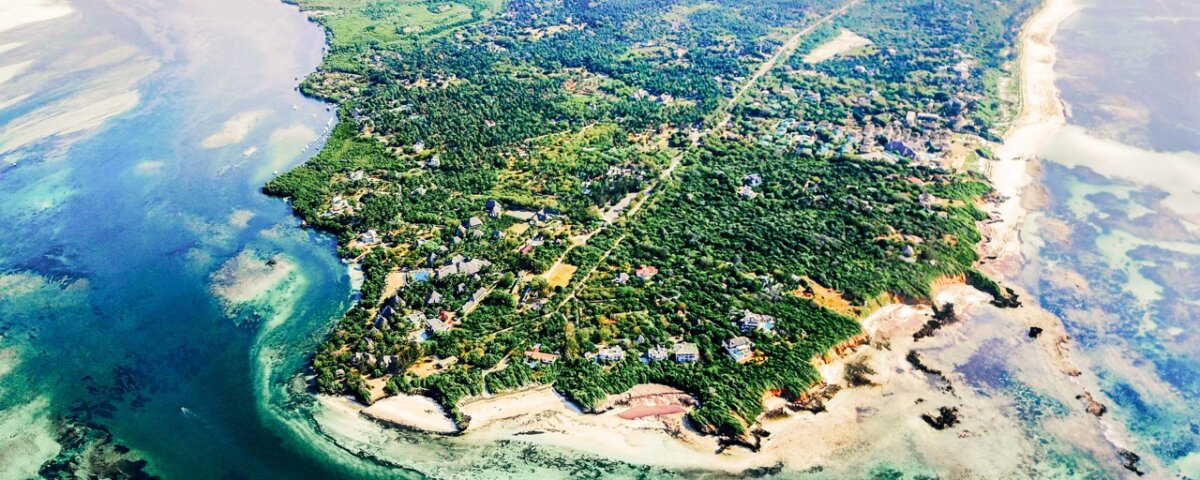
Kenya Safari Ecosystem Diversity
Kenya stands among Africa’s most remarkable safari destinations because of its extraordinary ecosystem diversity. The country offers far more than open savannah plains and famous wildlife migrations. Instead, Kenya contains a rich combination of forests, mountains, deserts, wetlands, lakes, coastlines, grasslands, and marine ecosystems that support an incredible range of wildlife and plant species.
This ecosystem diversity creates one of the most complete safari experiences in Africa. Travelers can move from tropical coastal forests to dry northern deserts, then continue into mountain highlands and wildlife-rich savannahs within one journey. As a result, Kenya attracts nature lovers, wildlife photographers, conservationists, birdwatchers, and adventure travelers from around the world.
In addition, Kenya’s ecosystems support some of the planet’s most iconic animals, including lions, elephants, rhinos, cheetahs, giraffes, zebras, and hippos. Rare species such as Grevy’s zebra, hirola antelope, and African wild dogs also survive in specialized habitats across the country.
Moreover, Kenya’s safari ecosystem diversity strengthens the country’s tourism industry by offering year-round experiences. Different ecosystems create different safari opportunities depending on weather patterns, migration cycles, and wildlife behavior.
Most importantly, ecosystem diversity plays a major role in conservation. Healthy ecosystems protect wildlife populations, support local communities, regulate climate systems, and preserve biodiversity for future generations.
This guide explores Kenya’s major safari ecosystems and explains how each contributes to the country’s global reputation as one of Africa’s leading tourism and conservation destinations.
Savanna Grasslands: Kenya’s Classic Safari Landscape
Savannah grasslands represent Kenya’s most famous ecosystem and the image most travelers associate with African safaris. These open plains stretch across large areas of southern and central Kenya and support huge populations of grazing animals and predators.
The Maasai Mara ecosystem stands as the best-known savanna region in Kenya. Vast grasslands create perfect conditions for wildebeests, zebras, gazelles, and buffaloes. In turn, predators such as lions, cheetahs, leopards, and hyenas thrive within this food-rich environment.
In addition, savannah ecosystems support the Great Migration, one of the world’s most spectacular wildlife events. Millions of wildebeests and zebras move between Tanzania and Kenya searching for fresh grazing land and water. This movement creates dramatic wildlife encounters and attracts global tourism attention.
Savannah ecosystems also provide excellent visibility for game viewing. Travelers can spot wildlife from long distances, making these landscapes ideal for photography and safari drives.
Furthermore, local communities such as the Maasai have adapted their lifestyles to savannah environments for centuries. Their traditional pastoral systems often support conservation and sustainable land management.
However, savannah ecosystems face challenges such as climate change, habitat loss, and human-wildlife conflict. Conservation programs now work actively to protect these landscapes and maintain ecological balance.
Ultimately, Kenya’s savannah grasslands remain central to the country’s safari identity and wildlife tourism success.
Forest Ecosystems: Kenya’s Hidden Green Wilderness
Kenya’s forests create a completely different safari experience compared to open grasslands. These ecosystems contain dense vegetation, cool climates, flowing rivers, and extraordinary biodiversity.
Kakamega Forest in western Kenya represents one of the country’s most important rainforest ecosystems. This forest forms part of the ancient Guineo-Congolian rainforest system that once covered large areas of Central Africa. Today, it supports hundreds of bird species, butterflies, monkeys, reptiles, and rare plants.
In addition, Kenya’s mountain forests, including those around Mount Kenya and the Aberdare Range, provide critical habitats for elephants, leopards, giant forest hogs, and rare antelope species. Thick vegetation and high rainfall create rich ecosystems filled with life.
Forest ecosystems also play a major role in water conservation. Rivers that support wildlife and communities across Kenya often begin in forested mountain regions. Therefore, protecting forests helps maintain healthy ecosystems far beyond the forests themselves.
Moreover, forests support ecotourism activities such as birdwatching, hiking, canopy walks, and guided nature trails. These experiences attract travelers seeking peaceful and educational adventures.
Conservation remains essential because deforestation threatens biodiversity and water systems. Kenya continues investing in forest restoration and environmental protection programs to preserve these ecosystems.
As a result, forest ecosystems add depth and ecological diversity to Kenya’s safari tourism landscape.
Wetlands and Lake Ecosystems in Kenya
Wetlands and lakes form another important part of the Kenya safari ecosystem’s diversity. These ecosystems support birdlife, aquatic animals, and seasonal wildlife migration routes across the country.
Lake Nakuru stands among Kenya’s most famous lake ecosystems. The alkaline lake attracts flamingos, pelicans, and many other bird species. In addition, the surrounding park protects rhinos, giraffes, lions, and buffaloes.
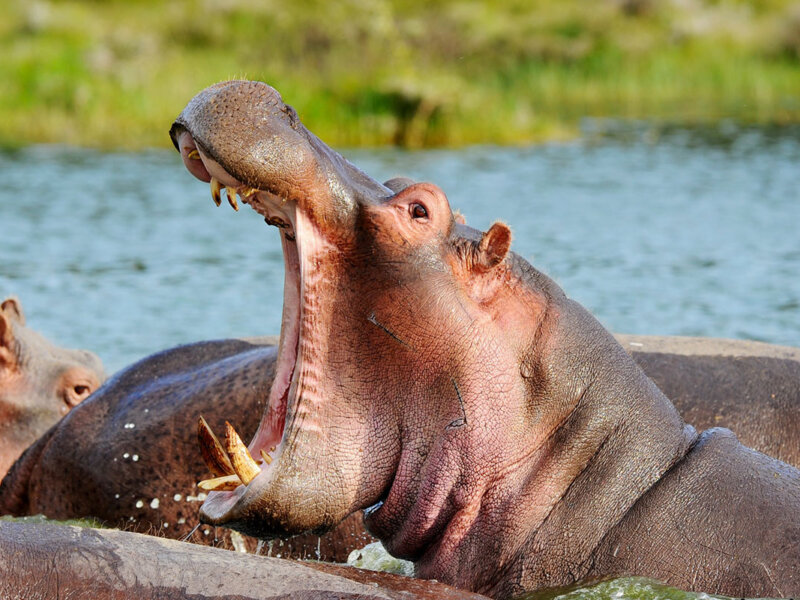
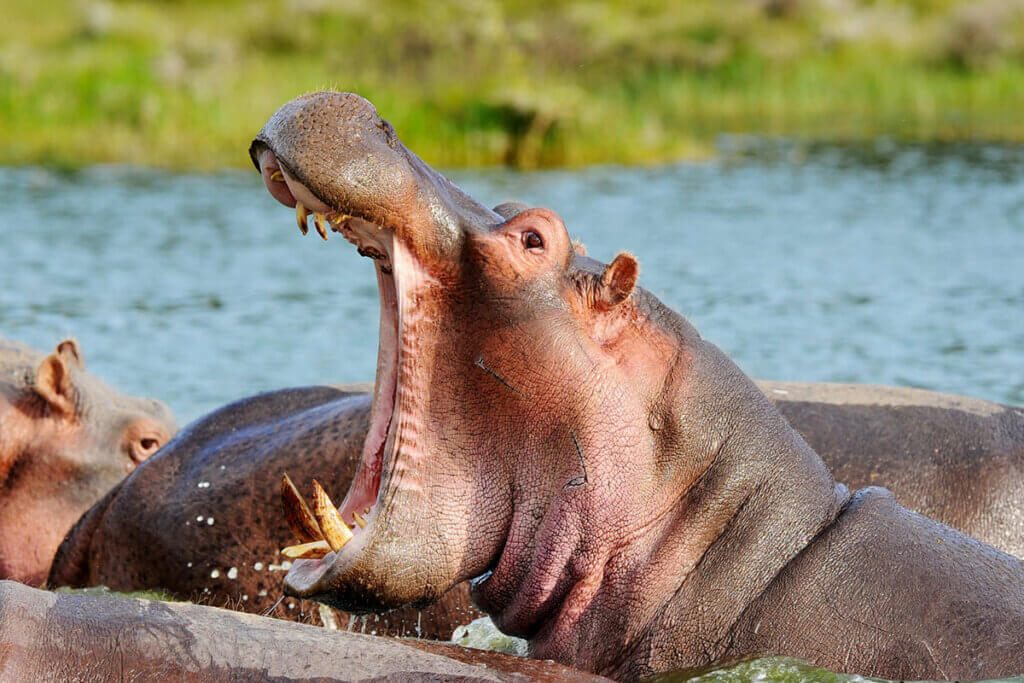
Lake Naivasha provides a freshwater ecosystem filled with hippos, fish eagles, and diverse aquatic birdlife. Travelers often enjoy boat safaris that create close wildlife encounters within peaceful natural surroundings.
Furthermore, the Rift Valley lake system supports unique biodiversity. Lakes Bogoria, Elementaita, and Baringo each contain specialized ecosystems that attract scientists, photographers, and ecotourists.
Wetlands also support migratory bird species traveling between continents. Kenya’s wetlands therefore play a critical role in global biodiversity conservation.
Additionally, wetland ecosystems help regulate floods, improve water quality, and support local fishing communities. These functions strengthen both environmental and economic sustainability.
However, pollution, water extraction, and climate change continue threatening these sensitive ecosystems. Conservation efforts now focus on habitat restoration and sustainable tourism practices.
Wetlands and lakes add remarkable ecological richness to Kenya’s safari experiences while supporting important wildlife and bird populations.
Kenya Safari Ecosystem Diversity: Desert and Semi-Arid Ecosystems of Northern Kenya
Northern Kenya features vast desert and semi-arid ecosystems that create some of Africa’s most dramatic landscapes. These dry regions may appear harsh, but they support specialized wildlife and resilient communities.
The Chalbi Desert and areas surrounding Lake Turkana represent some of Kenya’s most remote environments. Extreme temperatures, dry plains, and volcanic landscapes define these regions.
Despite harsh conditions, wildlife survives through remarkable adaptation. Species such as Grevy’s zebra, gerenuk, Beisa oryx, and Somali ostrich thrive in these dry habitats. Camels also play a central role in local livelihoods because they adapt well to desert conditions.
Additionally, northern Kenya supports important cultural diversity. Communities such as the Turkana, Rendille, and Samburu maintain lifestyles closely connected to desert ecosystems. Their traditional knowledge helps manage resources in difficult climates.
Desert ecosystems also attract adventure travelers searching for remote and untouched landscapes. Scenic drives, cultural tourism, and desert photography create unique tourism opportunities beyond traditional safaris.
Moreover, these ecosystems contribute to Kenya’s biodiversity by supporting species rarely found in other parts of the country.
However, drought and climate change continue affecting northern ecosystems and local communities. Sustainable tourism and conservation initiatives now help strengthen resilience across these regions.
Ultimately, Kenya’s desert ecosystems showcase the country’s incredible environmental diversity and survival adaptability.
Kenya Safari Ecosystem Diversity: Mountain Ecosystems and Highland Biodiversity
Kenya’s mountain ecosystems create cool and fertile environments that support rich biodiversity and unique landscapes. Mount Kenya, Africa’s second-highest mountain, stands at the center of this ecosystem network.
Mountain ecosystems contain forests, bamboo zones, moorlands, rivers, and alpine vegetation. These habitats support elephants, buffaloes, leopards, hyraxes, and numerous bird species.
In addition, mountain regions supply water to major rivers that support agriculture, wildlife, and human populations across Kenya. Protecting mountain ecosystems therefore remains essential for environmental stability.
Travelers visiting mountain ecosystems enjoy hiking, climbing, wildlife viewing, and scenic photography. Mount Kenya National Park attracts adventure tourists seeking physical challenges alongside natural beauty.
Moreover, the Aberdare ecosystem offers dense forests, waterfalls, and rare wildlife species. Visitors often spot elusive animals such as bongo antelope and black leopards in these cooler environments.
Mountain ecosystems also influence climate patterns across Kenya. Forested highlands regulate rainfall and reduce soil erosion, which benefits both people and wildlife.
However, deforestation and agricultural expansion threaten these important ecosystems. Conservation projects continue working to restore forests and protect biodiversity.
Mountain ecosystems add another layer of ecological richness to Kenya’s safari ecosystem diversity.
Kenya Safari Ecosystem Diversity: Coastal and Marine Ecosystems Along the Indian Ocean
Kenya’s Indian Ocean coastline creates a completely different safari ecosystem experience. Coastal forests, coral reefs, mangroves, and marine parks support extraordinary biodiversity both on land and underwater.
Marine parks such as Watamu and Kisite Mpunguti protect coral reefs, dolphins, turtles, and colorful fish species. Snorkeling and diving allow travelers to explore these underwater ecosystems directly.
In addition, mangrove forests protect coastlines from erosion while supporting fish breeding and bird habitats. These forests also help absorb carbon and strengthen climate resilience.
Coastal forests such as Arabuko Sokoke contain rare bird species, butterflies, and endangered mammals. This ecosystem ranks among East Africa’s most important coastal forests.
Furthermore, Swahili coastal communities maintain deep cultural and economic ties to marine ecosystems. Fishing, boat building, and ocean trade have shaped coastal life for centuries.
Beach tourism and marine ecotourism now play major roles in Kenya’s tourism economy. Travelers combine wildlife safaris with ocean adventures, creating diverse travel experiences.
However, coral bleaching, pollution, and overfishing threaten marine ecosystems. Conservation efforts focus on sustainable fishing and marine habitat protection.
Kenya’s coastal ecosystems expand the country’s safari identity beyond land-based wildlife experiences.
Kenya Safari Ecosystem Diversity: Conservancies and Community-Based Ecosystems
Conservancies form one of Kenya’s most successful conservation models. These protected areas combine wildlife conservation, community development, and eco-tourism in sustainable ways.
Private and community conservancies exist across Kenya, especially in regions such as Laikipia and Maasai lands. These ecosystems often connect national parks and create important wildlife corridors.
In addition, conservancies support endangered species protection through controlled tourism and habitat management. Black rhinos, wild dogs, and cheetahs benefit greatly from these efforts.
Community involvement remains central to conservancy success. Local people receive tourism income, employment, and development support. As a result, communities actively protect wildlife instead of viewing animals as threats.
Furthermore, conservancies offer low-density tourism experiences. Travelers enjoy fewer crowds, exclusive game drives, walking safaris, and night safaris unavailable in many national parks.
These ecosystems also support environmental education and conservation research programs that strengthen long-term sustainability.
Conservancies demonstrate how Kenya’s safari ecosystem diversity connects directly to responsible tourism and community empowerment.
Importance of Ecosystem Diversity for Conservation and Tourism
Ecosystem diversity strengthens Kenya’s tourism and conservation success in many ways. Giant Holiday Safaris highlights this richness by guiding travelers through forests, deserts, mountains, wetlands, and savannahs, each offering unique wildlife and cultural encounters.
Different ecosystems increase biodiversity, creating year-round tourism opportunities. Guests with Giant Holiday Safaris can enjoy lions on plains, flamingos on lakes, elephants in forests, and dolphins along coral reefs all in one journey.
Healthy ecosystems also support local livelihoods through tourism, agriculture, fishing, and conservation jobs. By promoting eco-tourism, Giant Holiday Safaris ensures communities benefit directly from protecting natural resources.
Ecosystem diversity strengthens climate resilience, with forests regulating rainfall, wetlands improving water systems, and mangroves protecting coastlines. Travelers with Giant Holiday Safaris contribute to conservation programs that safeguard these vital services.
This broader focus on ecosystems improves long-term stability and gives Kenya a strong global tourism advantage. Through responsible travel, Giant Holiday Safaris connects visitors to Kenya’s varied landscapes while supporting biodiversity and sustainable development.
Conclusion
Kenya’s safari ecosystem diversity makes the country one of Africa’s most complete travel destinations. From savannahs and rainforests to deserts, wetlands, mountains, and marine habitats, the variety is unmatched. Giant Holiday Safaris designs journeys that showcase this diversity, allowing travelers to experience lions on plains, flamingos on lakes, elephants in forests, and dolphins along coral reefs all in one adventure.
Ecosystem diversity also supports conservation, local communities, and sustainable tourism. Through ecotourism initiatives, Giant Holiday Safaris ensures healthy ecosystems protect biodiversity while creating opportunities for communities.
Most importantly, Kenya’s ecosystems remind us that conservation means protecting entire landscapes, not just individual species. By traveling with Giant Holiday Safaris, visitors contribute to responsible tourism that safeguards nature and empowers communities.
As Kenya continues to lead Africa’s tourism industry, its extraordinary ecosystems will remain central to wildlife conservation, adventure travel, and global environmental importance for generations to come.
Combined Uganda, Kenya, Rwanda and Tanzania Safaris
17 days Kenya Tanzania and Uganda safari 19 Days Uganda Kenya and Tanzania Safari
16 Days Kenya Tanzania and Uganda Safari
14 Days Kenya Uganda and Tanzania Safari
14 Days Kenya Uganda and Rwanda Safari